Search our curricular resources by grade, subject, and state, or by the following resource types:
Lesson plan: guided instructions for facilitating learning over the course of a class period
Unit: a series of lesson plans designed for facilitation over several days or weeks
Resource guide: a set of discussion questions designed for in-depth engagement with a specific resource or theme
Activity: instructions for short learning activities that can completed with flexibility
Resource collection: a group of curricular resources that all focus on a certain theme, skill, or text
BROWSE RESOURCES
-

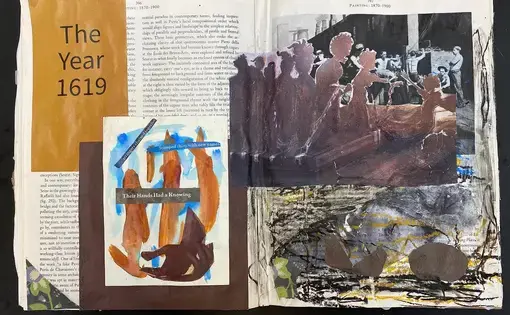
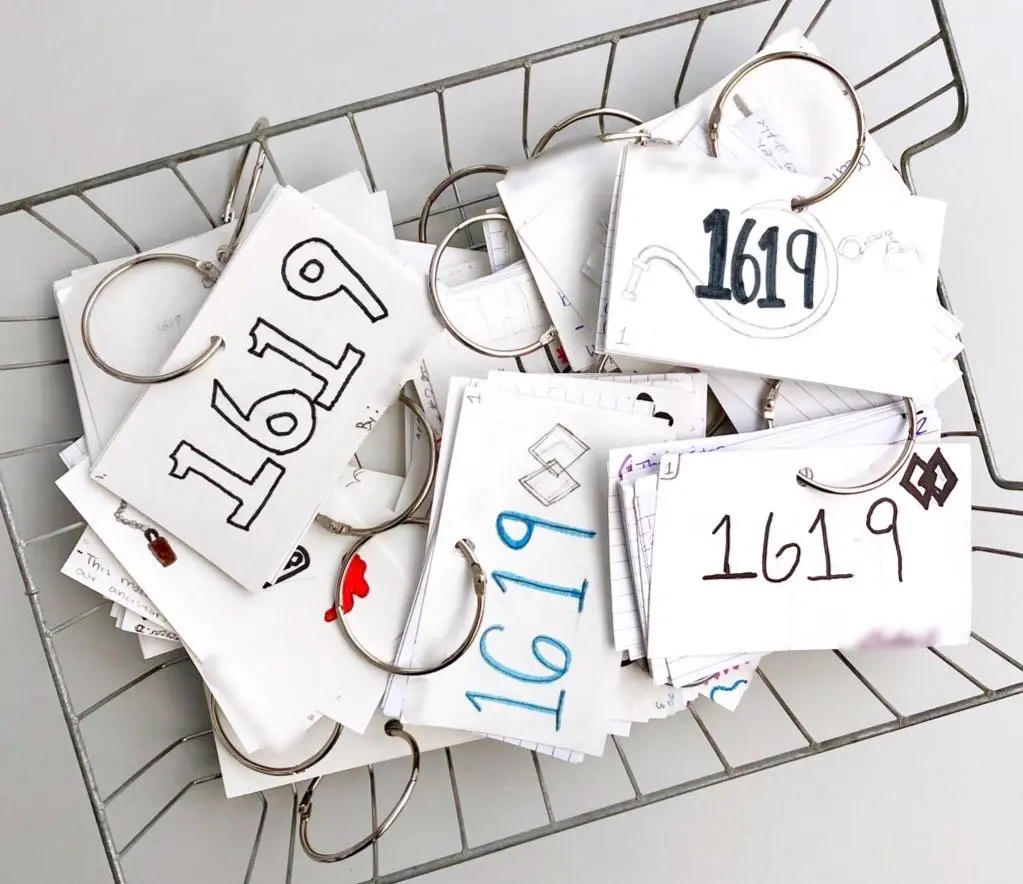
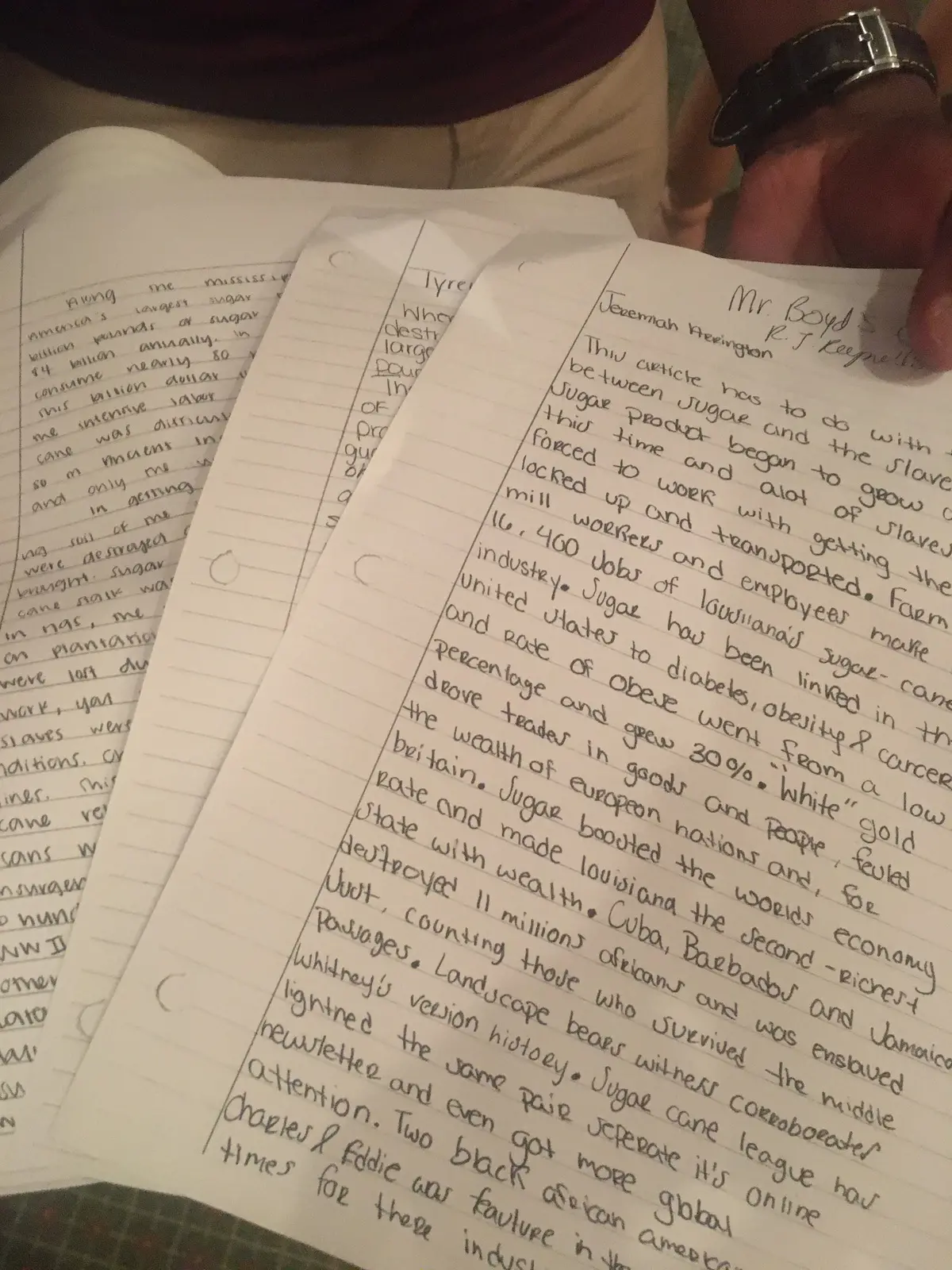
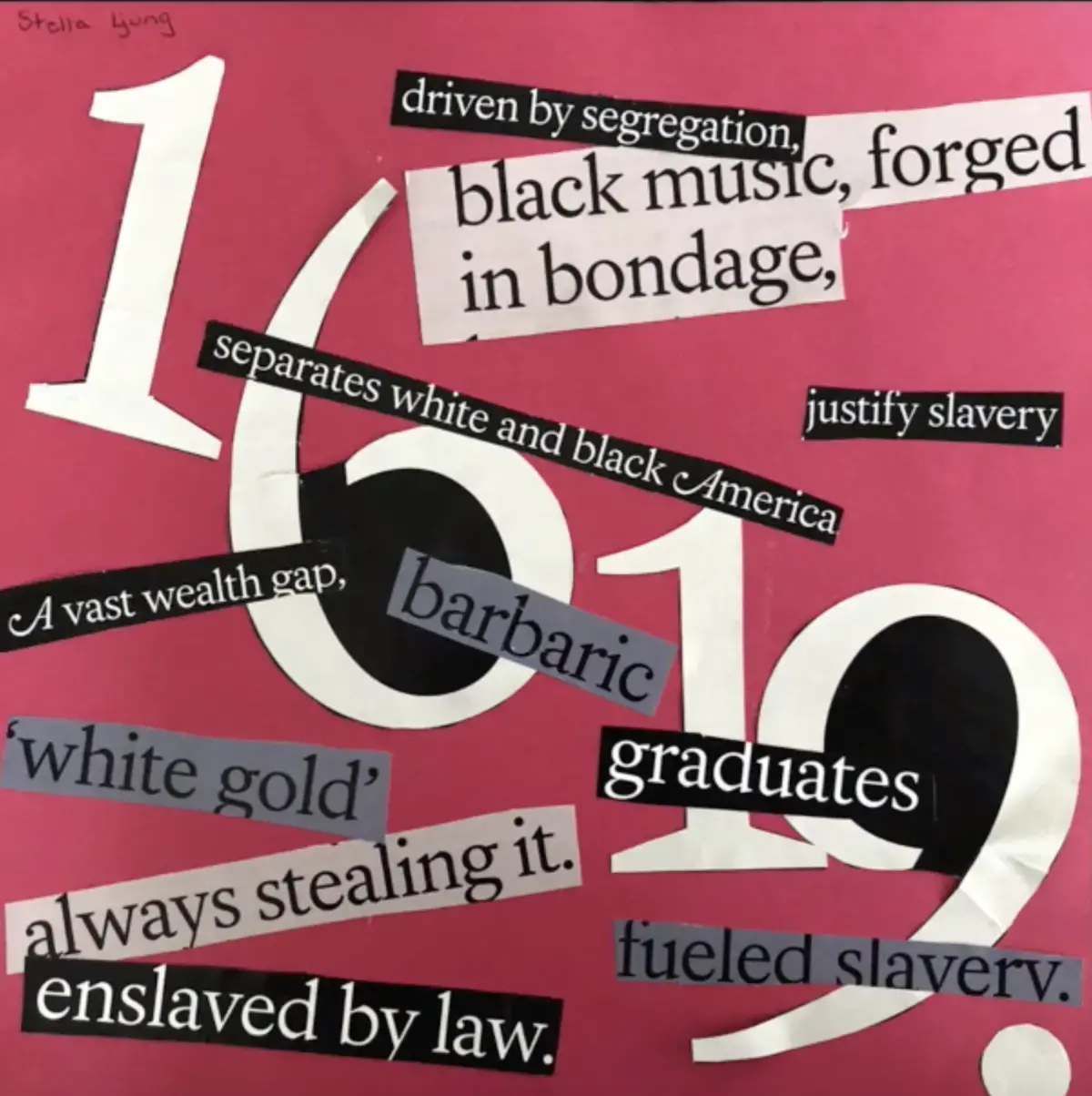
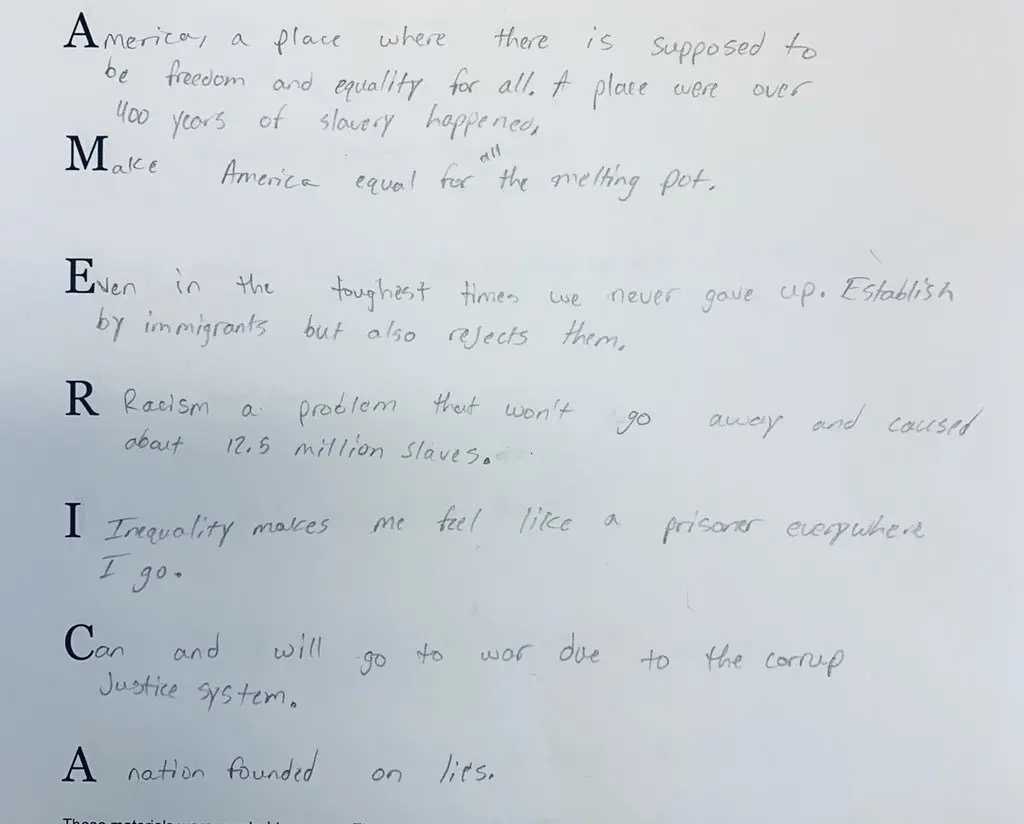
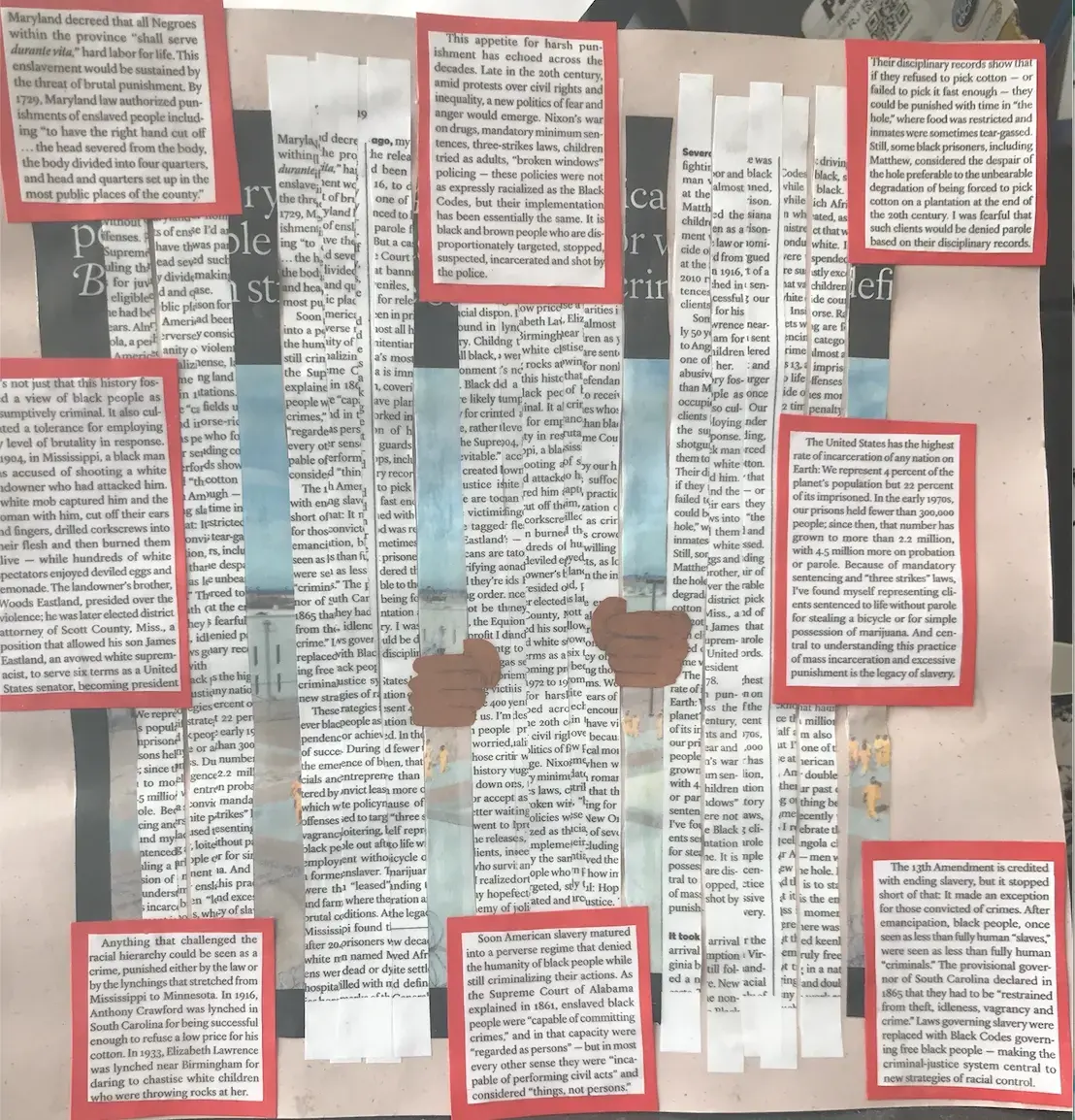
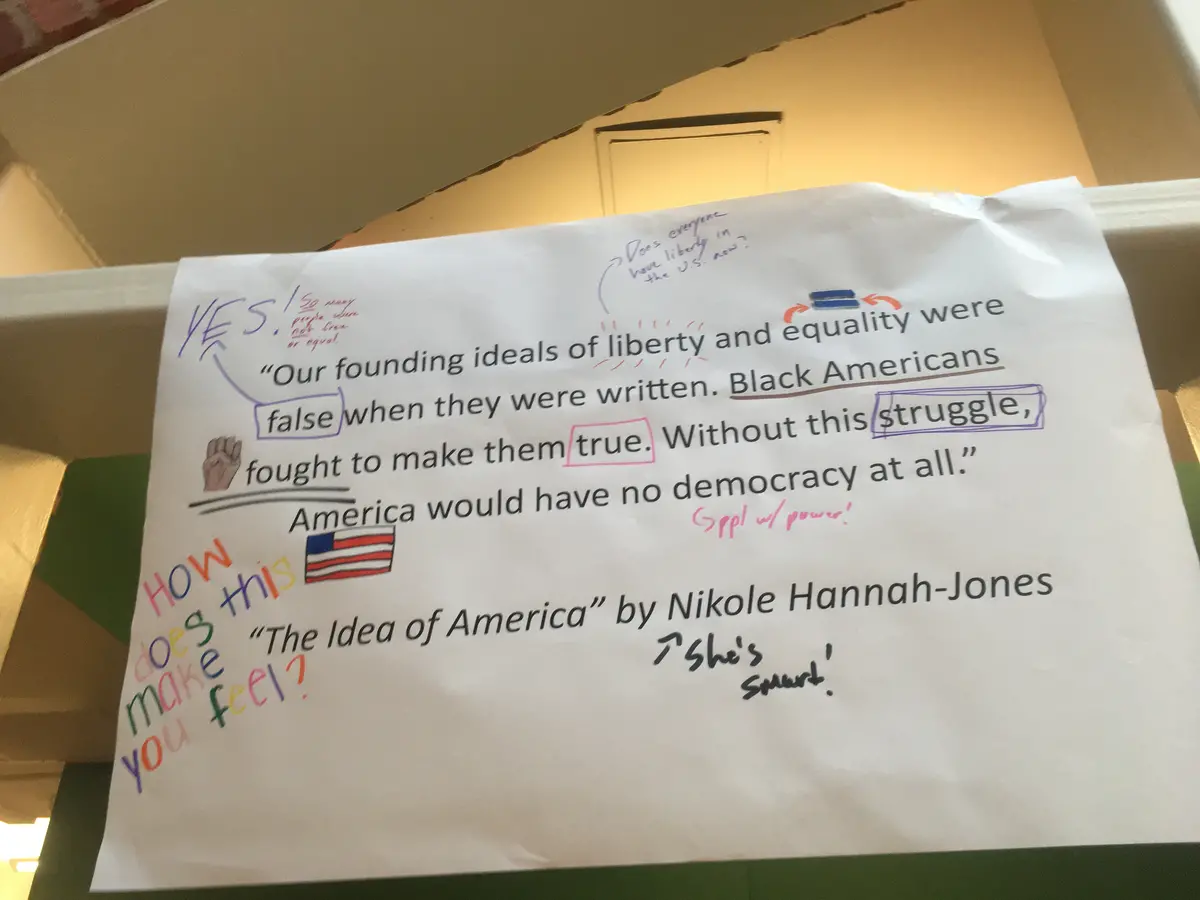
Students explore how cultural identity is informed by history through engagement with “The 1619 Project," and ultimately create Altered Books to reflect what stories they think should be amplified.
-
Units
A Children's History
Students conduct research to create children’s picture books about underreported, or historically “erased,” topics in the teaching of U.S. history.
-
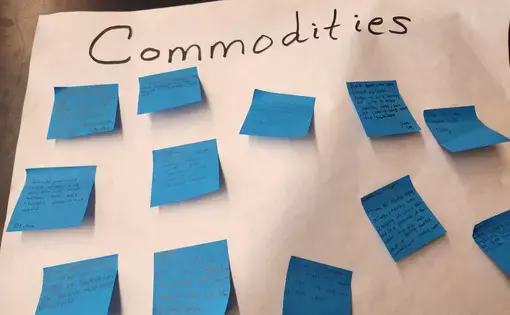
Students examine the commodification of the labor of enslaved Black Americans, explore their contributions to the formation of American democracy, and examine arguments for and against reparations.
-
Students explore the history of the Trans-Atlantic slave trade and the resistance movements led by Afro-Latinx people of the Americas, analyzing the legacy of this resistance.
-
Students reflect on histories of enslavement, analyze enslavement systems, and use a Structured-Academic Controversy protocol to argue for how the history of enslavement should be taught.
-
Units
Walking Democracy
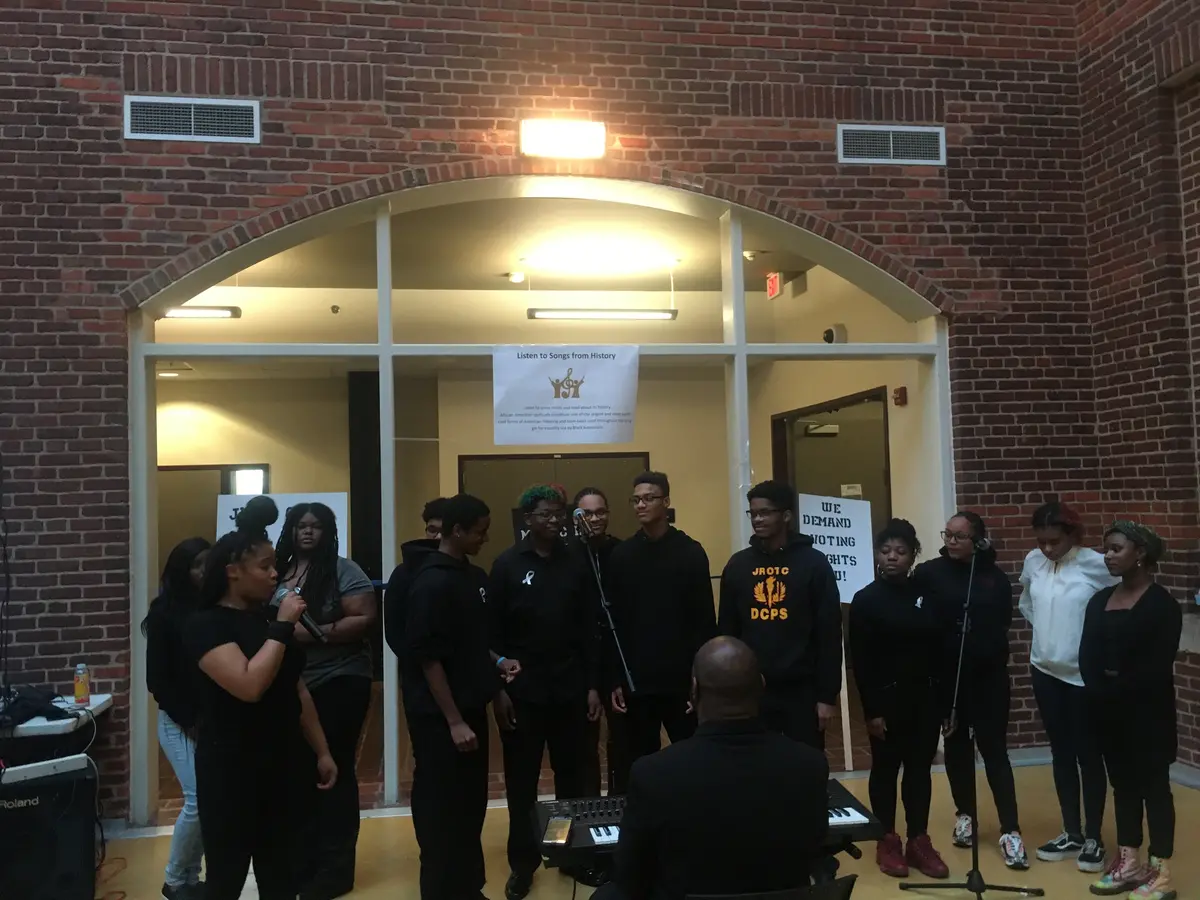
Students explore the cultural and creative traditions that were carried northward as people migrated in the lead up to the March on Washington.
-
Resource Guides
The 1619 Project Docuseries Viewing Guide
This resource serves as a viewing guide for The 1619 Project docuseries. It includes time-stamped sections, guided questions, and a topic index for each episode.
-
Resource Guides
The 1619 Project Docuseries Viewing Guide
This resource serves as a viewing guide for The 1619 Project docuseries. It includes time-stamped sections, guided questions, and a topic index for each episode.
-
Students examine how the legacy of slavery impacts a range of contemporary issues in Chicago.