Search our curricular resources by grade, subject, and state, or by the following resource types:
Lesson plan: guided instructions for facilitating learning over the course of a class period
Unit: a series of lesson plans designed for facilitation over several days or weeks
Resource guide: a set of discussion questions designed for in-depth engagement with a specific resource or theme
Activity: instructions for short learning activities that can completed with flexibility
Resource collection: a group of curricular resources that all focus on a certain theme, skill, or text
BROWSE RESOURCES
-

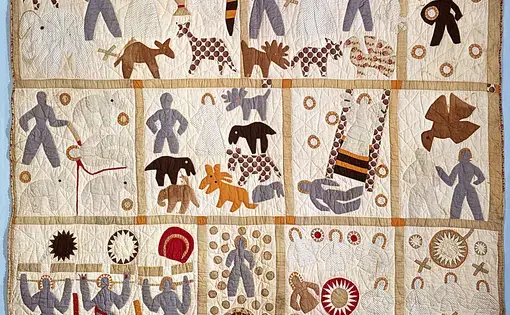
Students explore themes of disenfranchisement and resistance found in the story of African American quilter Harriet Powers, analyze the power of art to tell stories of resistance, and create artworks.
-
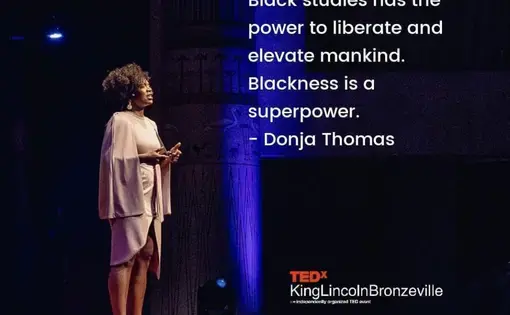
Students analyze and explore how Black consciousness, Black genius, and Black ways of being were foundational to the creation of the U.S. and the construction of American identity.
-
Resource Collection
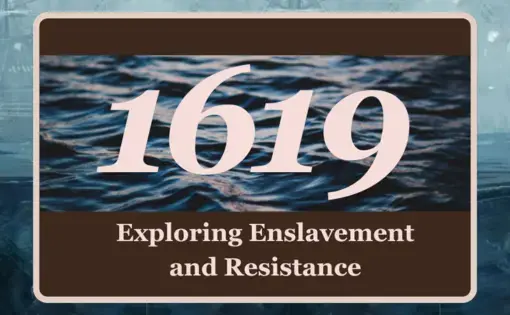
The 1619 Project for Grades 2–6: Exploring Enslavement and Resistance
This set of ten activities uses elementary-friendly resources from "The 1619 Project" to explore the Black American history, culture, and resistance.
-
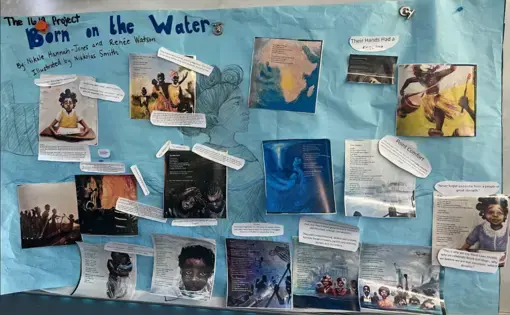
Students explore texts and multimedia sources to evaluate the role of abolitionists from the Middle Passage to current day and identify as future abolitionists through journalism and civic engagement.
-
Units
Curriculum of Community
Students collaborate to design critical inquiries into underreported and untold histories in their schools, communities, and families or personal lives.
-
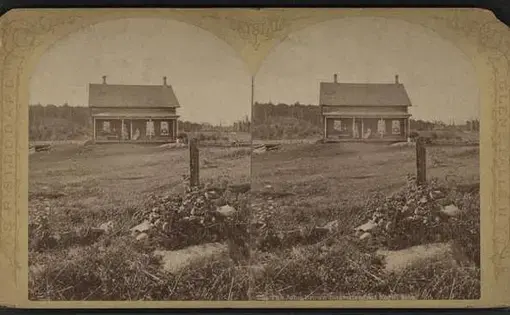
Students explore the power of narrative, learn about the free Black people who established farms in the Adirondacks through primary source exploration, and write their own drafts of local history.
-
Students connect themes from The 1619 Project to historical and contemporary stories from Long Beach, cultivating a richer context for personal, local, and national culture and community.
-
Students research significant and often overlooked moments of American history and communicate their findings through art by creating data visualizations.
-
Students explore the history of education inequity and activism nationally and in New Jersey. They then use their knowledge to determine the most effective ways to bring equity to urban education.