Story
 December 12, 2025
Pulled Lifelines: Uganda’s Mental Health System Scrambles After U.S. Aid Freeze
Country:

After a sudden U.S. aid freeze, Uganda’s fragile mental health system struggles to care for millions...
MUKONO, Uganda—At dawn on a humid Friday, a clinical worker boards a boda boda to work, weaving past farmers and children on their way to school. She is headed to staff the district’s only free mental health clinic, open for just a few hours today before closing again for the next week.
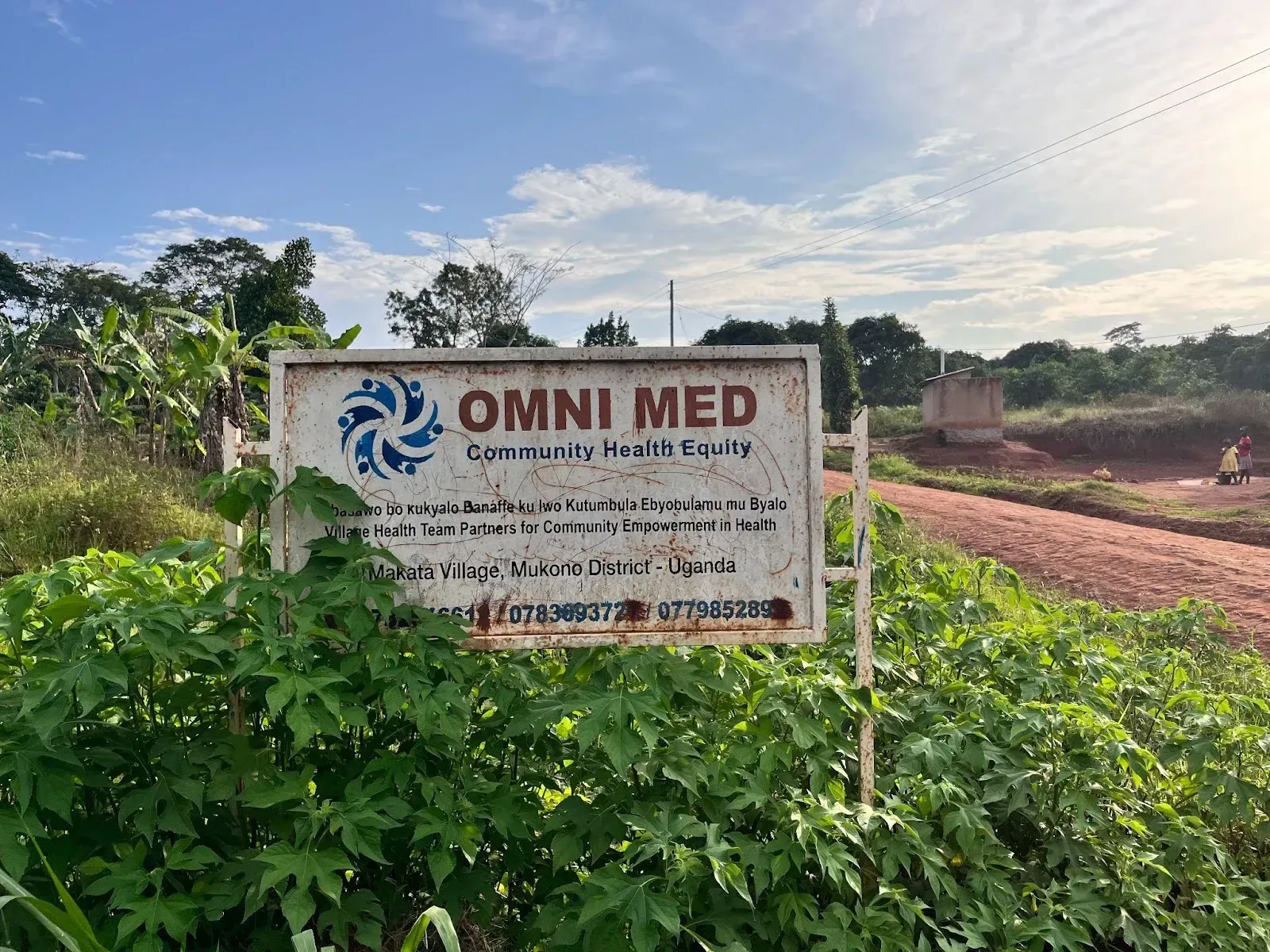
With just 53 psychiatrists serving nearly 45 million people, Uganda’s mental health services have long operated on the margins. Funded by USAID and PEPFAR, “Mental health care is often piggybacked on HIV and tuberculosis programming,” according to Jolly Magulu, chief mental health coordinator at Omni Med Uganda, a local NGO dedicated to improving community health outcomes.

As a nonprofit journalism organization, we depend on your support to fund more than 170 reporting projects every year on critical global and local issues. Donate any amount today to become a Pulitzer Center Champion and receive exclusive benefits!
Village Health Teams (VHTs), unpaid community volunteers, are essential to service delivery in rural areas. They carry heavy workloads and provide foundational psychosocial support, with some relying partly on income from other U.S.-funded activities now cut off by the aid freeze. This has plunged many into financial hardship and forced some to reduce volunteer hours or resign, according to Magulu.
The midnight cut: How aid froze overnight
On January 20, 2025, the administration of President Donald Trump froze nearly all new U.S. foreign aid, including critical support for Uganda’s USAID and PEPFAR health programs. This “stop-work” order forced an abrupt halt to contracts, supply chains, and healthcare services, shuttering clinics and disrupting medication delivery almost immediately.
Methadone-assisted therapy clinics in Kampala and Mbale districts, central to preventing HIV spread among young injection drug users, closed within weeks. Evidence indicates that over 81% of non-injecting drug users transition to injecting by age 24 in these areas, amplifying risks dramatically for the transmission of blood-borne illness.
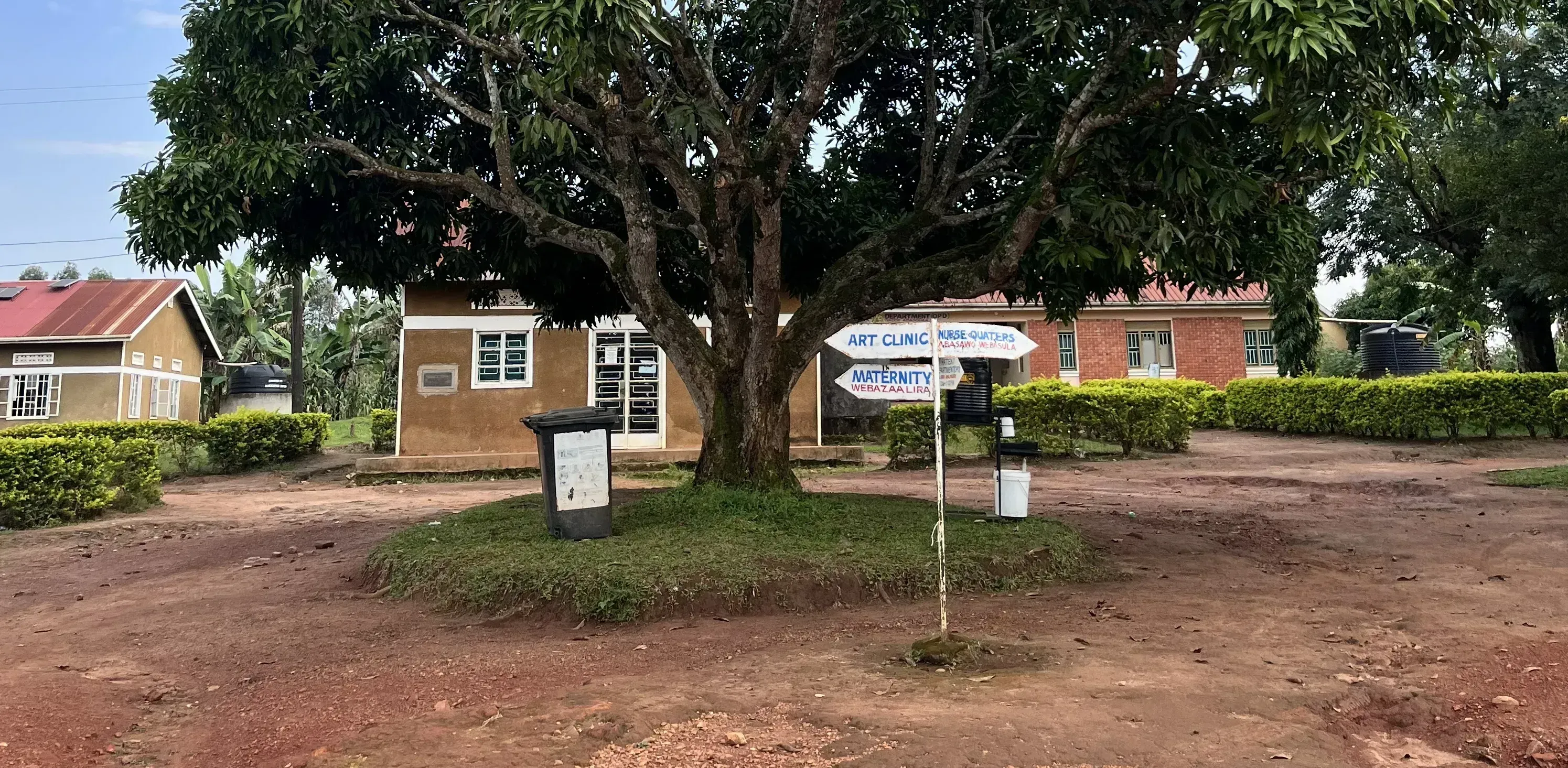
“[For] most of us, the environment impacts us most on our mental health issues,” said Eve Nakiganda, a healthcare worker at Kojja Health Center IV, reflecting on how poverty, unemployment, and social exclusion weigh heavily on mental wellness.
Though Uganda’s 2018 Mental Health Act guarantees a right to care and protection, districts like Mukono have not had a dedicated psychiatric officer for over a year. Nakiganda continued: “I think we should educate people more about mental health issues, because most of the time when people are suffering from mental health problems, they don’t talk about it.”
Nakiganda said, “Most [people] are unaware of their own mental health” until they reach a crisis point.
The funding freeze also caused layoffs among psychosocial workers and counselors. “We used to offer a mental health clinic, but we had to let the counselors go,” Nakiganda said. “They also suffer because they cannot work.”
Patchwork innovations in a broken system
International donors have responded cautiously. The Wellcome Trust continues to fund mental health research and interventions in Uganda, while the Global Fund and WHO have increased support for sustaining integrated HIV, TB, and mental health services. However, these contributions cover only a fraction of the funding lost and primarily target pilot projects and capacity building rather than broad systemic replacement.
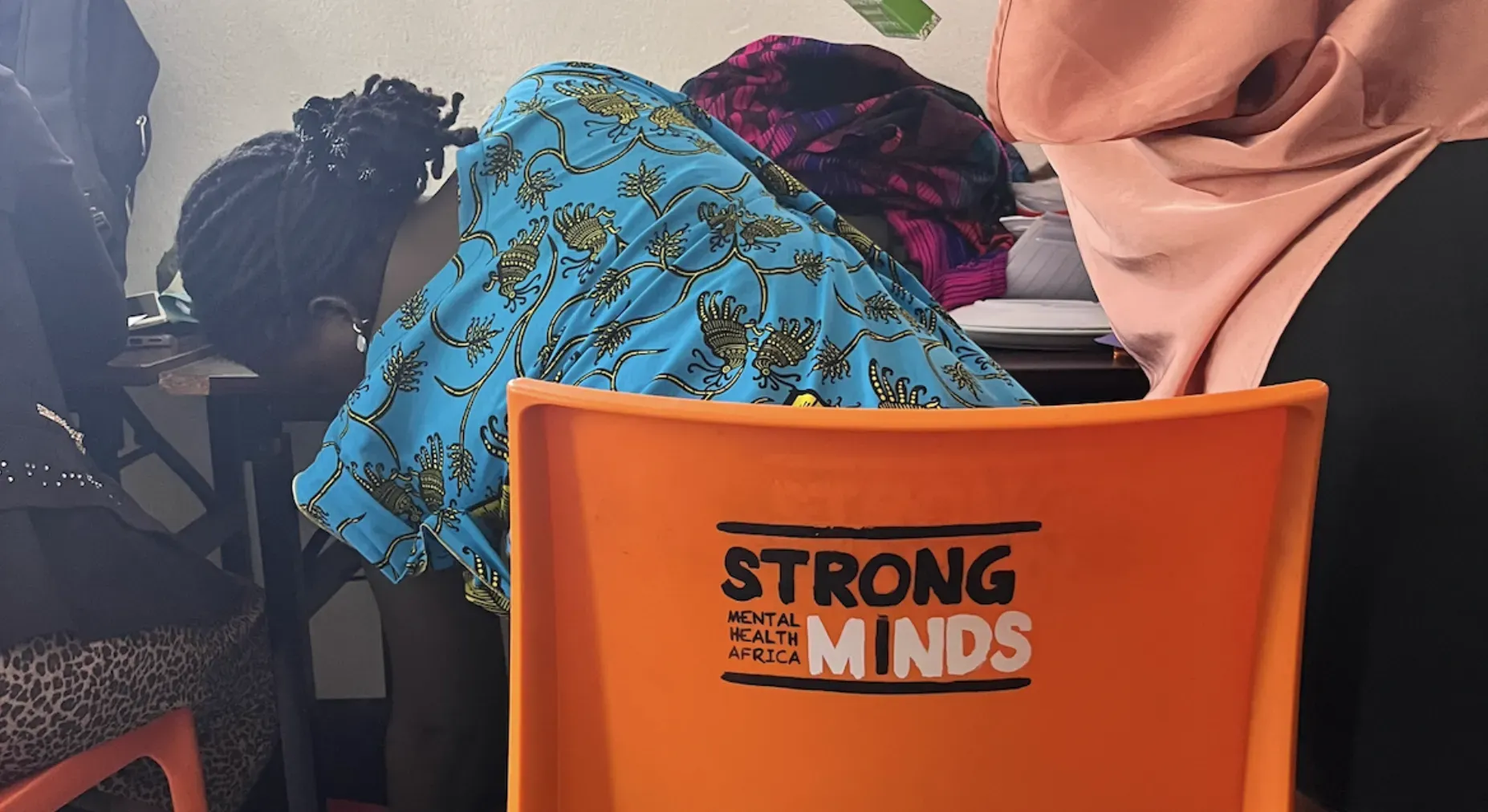
Local NGOs have also stepped up. YouBelong Uganda trains VHTs to provide home reintegration, stigma reduction, and rehabilitation services to people post-psychiatric hospitalization. Omni Med Uganda equips VHTs to deliver group psychotherapy within communities, expanding peer-based psychosocial support. Both approaches leverage Uganda’s volunteer health workforce under extreme strain to keep care accessible.
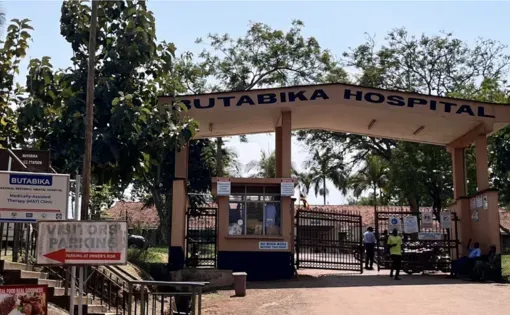
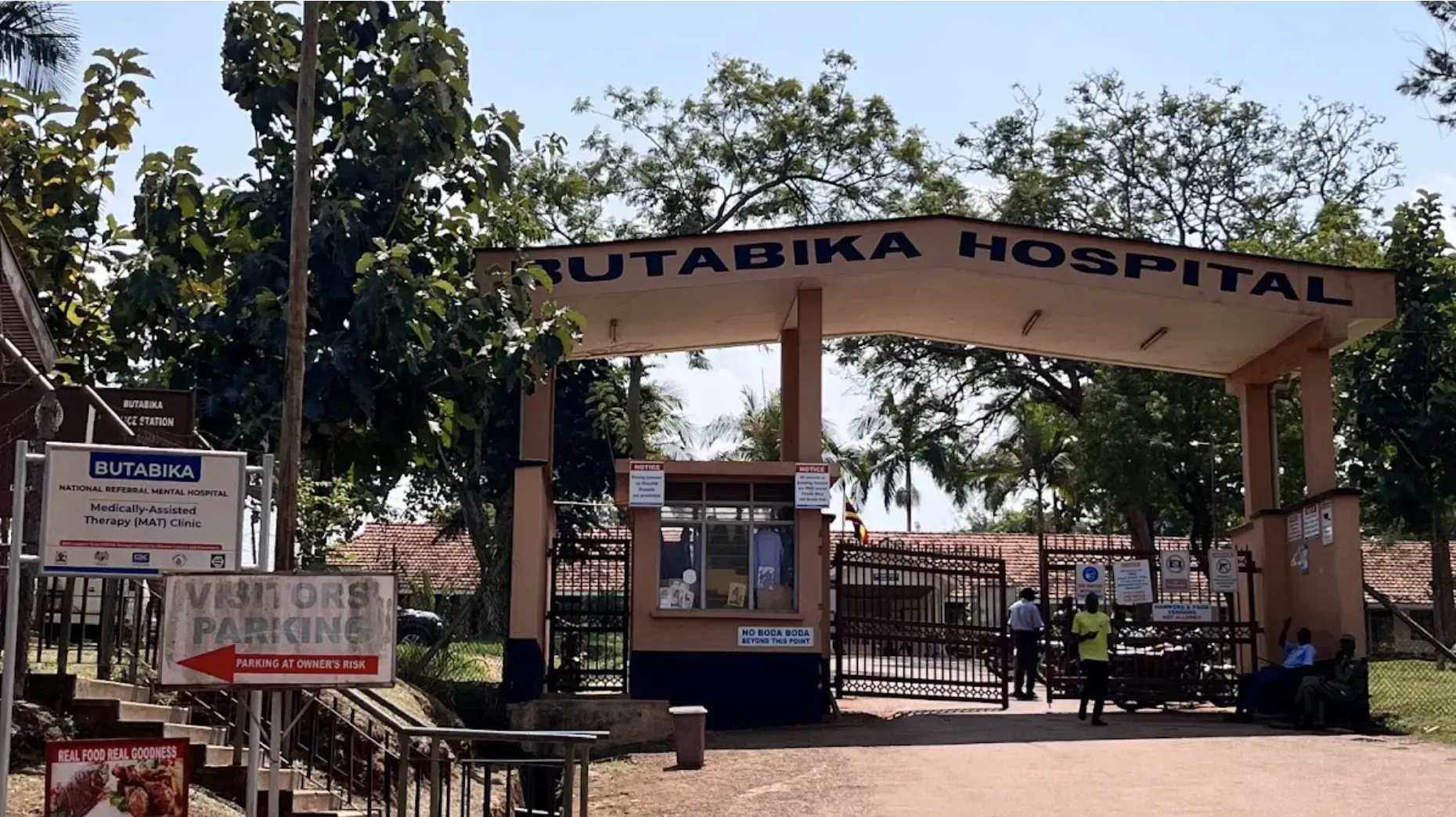
According to an anonymous senior consultant psychiatrist at Butabika National Referral Mental Hospital, the hospital is partnering with Makerere University to establish innovative psychiatric fellowship programs and postgraduate specialties, including in geriatric and women’s psychiatry—initiatives aimed at professionalizing mental health care over the next decade.
Budget rises amid crisis
In a rare moment of domestic reprioritization, Uganda nearly doubled its health sector budget for FY 2025/26 to approximately $1.5 billion, enhancing hospital infrastructure, medicine procurement, and staff recruitment.
Despite this boost, the health sector still falls short of agreed international targets, and gaps remain acute for rural mental health services, where funding delays and logistic challenges persist.
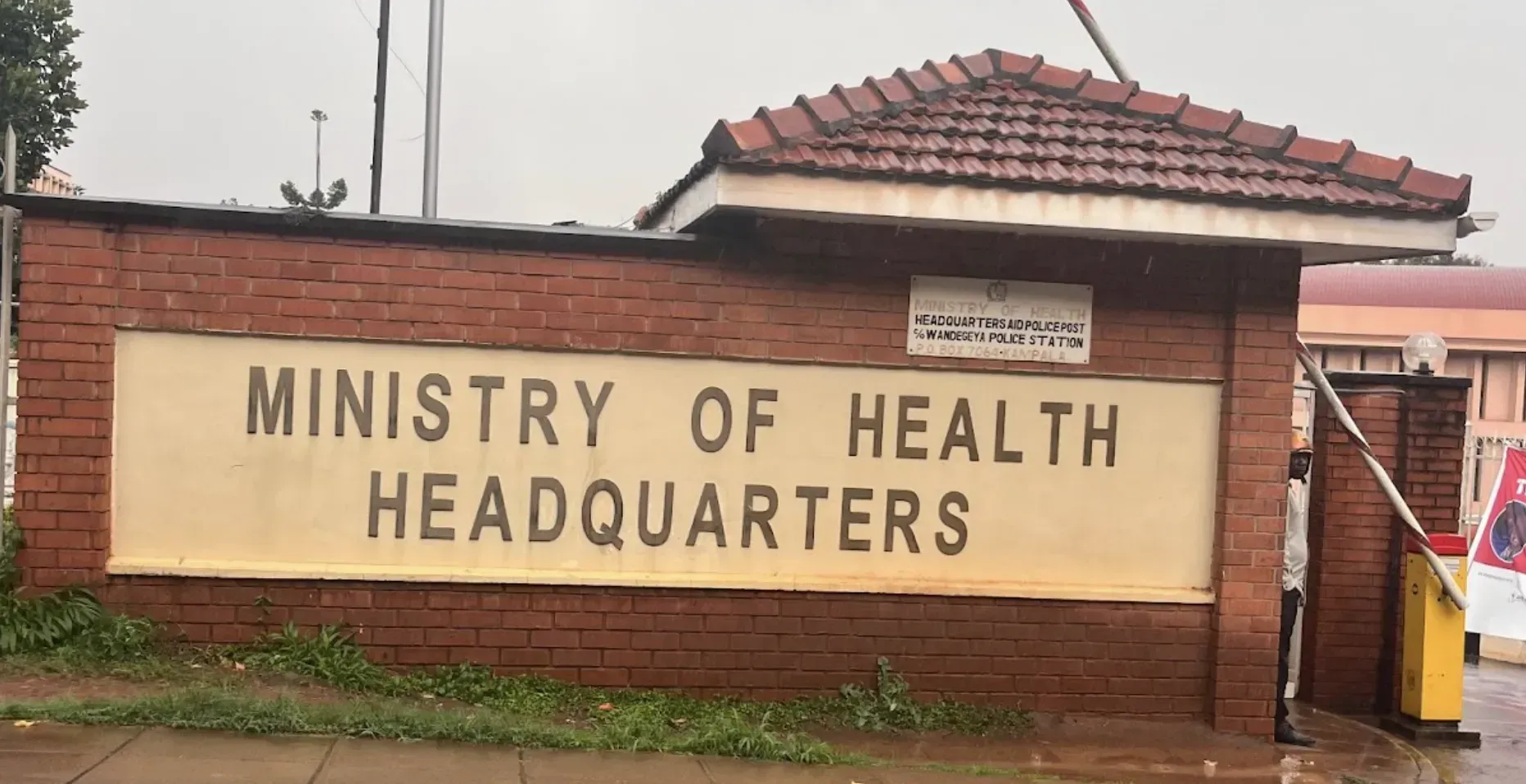
Along with increased funding, the government is attempting a pivot of the health system. According to a senior official in the Ministry of Health, who requested anonymity because they were not authorized to speak publicly, the Ugandan Parliament is debating legislation to integrate services fully into primary care across public clinics, a process known as “horizontalization.”
Ideally, patients would access mental health, HIV, TB, and other services through a single outpatient intake, rather than seek out dedicated clinics. While there is enthusiasm that this transition will ultimately provide parity to mental health services and reduce stigma, there are concerns that longer wait times, travel distances, and uneven implementation could inadvertently raise barriers to care, particularly in rural communities dependent on volunteer health workers.
Though pauses and delays have tempered some disruptions, the full end of USAID/PEPFAR funding looms, threatening to exacerbate service breakdowns and reverse decades of HIV, TB, and mental health gains. The Ministry of Health will not know the true impact on mental health until the district health reports are compiled in December.
Crisis measured in human lives
For thousands of Ugandans—the patients, families, nurses, and volunteers—the crisis is measured not in budgets but in lost opportunities: interrupted HIV treatments risking viral resistance, surging relapse rates in mental illness, and the enduring weight of stigma and poverty.
Uganda’s mental health system is a testament to the resilience of the community amid political upheaval. Although aid freezes are dictated by governments far away, it is local nurses, volunteers and patients who suffer the consequences. Their daily struggle to provide care in such a fragile system serves as a reminder that politics is not abstract; it is deeply personal and shapes the health and dignity of real people.


