
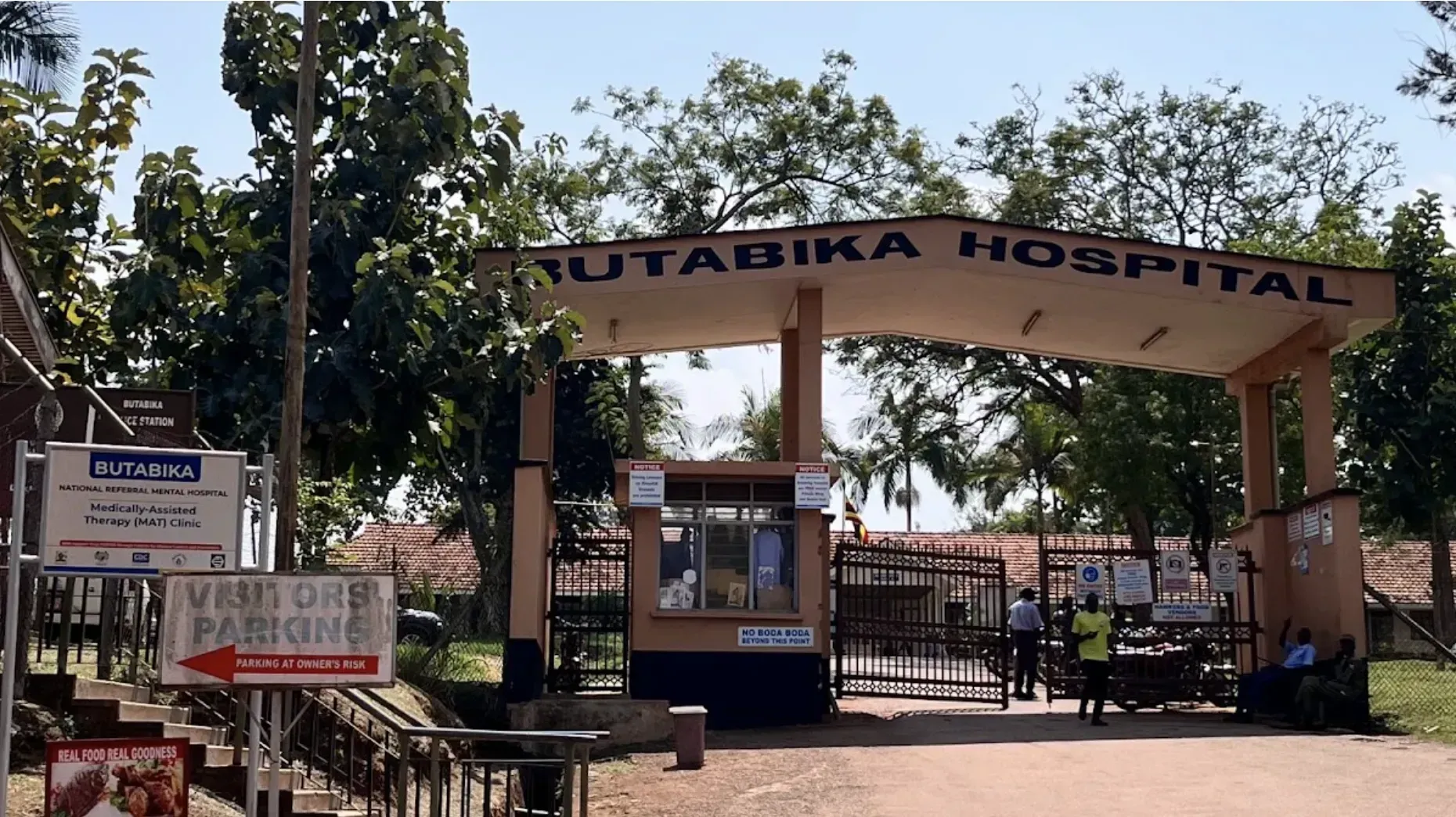
This project investigates the profound impact of the 2025 U.S. foreign aid freeze on Uganda’s mental health system. With just 53 psychiatrists serving nearly 45 million people, Uganda has long relied on a fragile network of clinics, volunteer health workers, and international funding to deliver mental health and integrated HIV/TB services. When USAID and PEPFAR funding abruptly stopped, clinics shuttered, medication supply chains were disrupted, and psychosocial support programs faced layoffs, leaving thousands without care.
Through on-the-ground reporting in districts like Mukono and interviews with service users, clinical staff, volunteers, and policy officials, Bayrd highlights the human consequences of these cuts: increased relapse rates, growing stigma, and communities stretched to their limits. The project documents how local NGOs, community health volunteers, and hospitals are innovating to sustain services, from peer-based psychotherapy to fellowship programs in psychiatry, while navigating systemic barriers.