Story
 September 18, 2025
A Shot at Survival: GBS Vaccine for Pregnant Women Nears Fruition
Country:

Efforts to develop a vaccine to give to pregnant women have been painfully slow.
This investigation is jointly supported by the Stavros Niarchos Foundation and the Gates Foundation.
Fifty years ago, Carol Baker proposed vaccinating pregnant women to save babies from a deadly microbe. Now, the idea is nearing fruition
Johannesburg—When Carol Baker proposed in the early 1970s that a little-known pathogen was killing newborns at an alarming rate, she was roundly dismissed. After all, she was just a pediatric resident at Baylor College of Medicine, fresh out of medical school, where she was one of two women in a class of 84. Besides, the bacterium she fingered, group B streptococcus (GBS), was not known to be a human pathogen—it caused udder infections in cows. How could it be killing babies? “The microbiologists who knew more said I was mad,” she recalls.
Even more preposterous, her colleagues said, was her 1976 proposal that vaccinating women* late in pregnancy against GBS might save newborns from the deadly disease. The thalidomide tragedy of the early 1960s was still fresh in people’s minds. What if a vaccine harmed the mother or the baby?
But Baker, now 84 years old and retired in Texas, is nothing if not persistent. “No one would listen to me,” she says. “It inspired me.”

As a nonprofit journalism organization, we depend on your support to fund more than 170 reporting projects every year on critical global and local issues. Donate any amount today to become a Pulitzer Center Champion and receive exclusive benefits!
Today, there is no question that GBS is a leading cause of disease and death in infants up to 3 months old. Worldwide, it sickens about 400,000 babies a year and kills at least 91,000, mostly from sepsis, an infection of the bloodstream, and meningitis, an infection of the membranes that protect the brain. Those who survive sometimes suffer lifelong neurodevelopmental impairments. GBS also causes tens of thousands of stillbirths and is implicated in many preterm births.
Baker’s ideas about vaccinating pregnant women may soon be vindicated as well. On 25 August, a woman in the United States in her third trimester was the first to receive a shot of Pfizer’s candidate GBS vaccine as part of a long-awaited phase 3 trial. A small Danish company called MinervaX is close behind. The World Health Organization (WHO) has called these maternal vaccines an “urgent need.”
“A vaccine could have a major, major public health impact”—especially in sub-Saharan Africa, which accounts for more than half of all fetal and infant deaths from GBS, says Shabir Madhi, a vaccinologist at the University of the Witwatersrand (Wits) here. Madhi has conducted pivotal phase 1 and 2 trials for both GBS vaccine candidates.
There are many reasons why it has taken half a century to get to this point, in addition to sexism and fears about vaccinating pregnant women. Vaccine companies initially didn’t see a lucrative market, and they have long tussled with regulators about how best to show the vaccine works. But perhaps the biggest challenge has been that GBS, and its burden, have long remained invisible. Newborns are rarely tested for the bacterium, and stillbirths are often attributed to congenital defects. “People construe an absence of data as an absence of disease,” says Madhi, who believes the true toll of GBS is still vastly underestimated.
Colleagues hope a maternal GBS vaccine will become available in Baker’s lifetime. Baker, who has been showered with awards and honors, takes an “I’ll believe it when I see it” attitude, because lots of things could still go wrong. The saddest part of this journey, she says, is how long it has taken and how many babies could have been saved.
Baker was 6 years old when she declared she wanted to be a doctor, after briefly flirting with becoming a firefighter. “You can’t be a doctor,” her teachers said. “But you can be a nurse.”
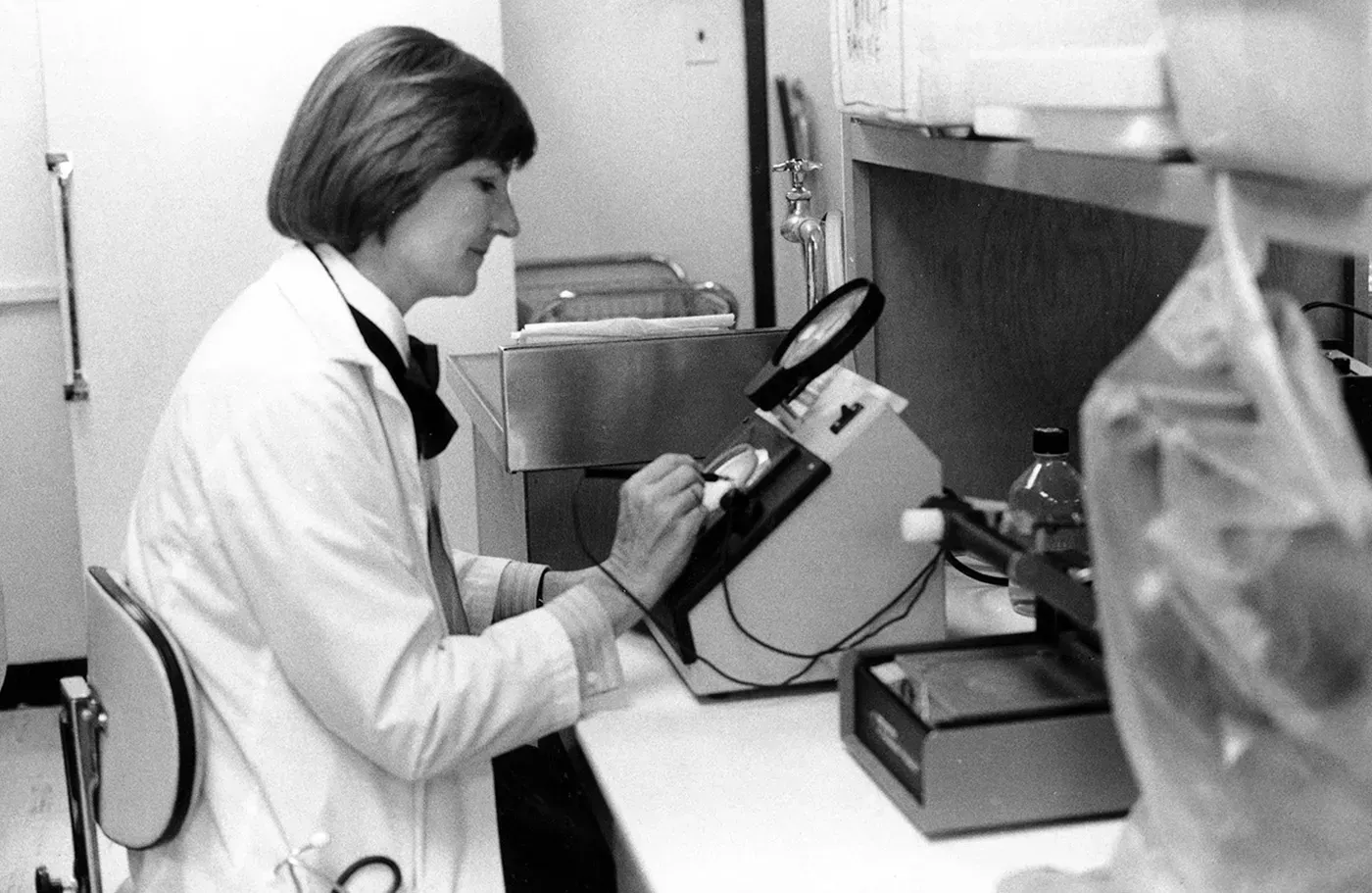
She entered Baylor at age 22. In an early rotation at a Houston hospital nursery, she saw “beautiful, term babies who within a day or two struggled for breath, turned blue, and died of sepsis or pneumonia,” she says. Dogma at the time said the common bacterium Escherichia coli (E. coli) was responsible, but when Baker cultured and stained the microbes, a dark blue color revealed they were Gram-positive, ruling out E. coli. But “I wasn’t allowed to investigate,” she says. So she worked nights and weekends, culturing samples from infants and storing the plates in her apartment closet.
The bacterium looked like Streptococcus, Baker recalls, but not the familiar group A type that causes strep throat. She suspected group B, a bovine pathogen that had been implicated in disease in a few women in the 1930s. In 1971 she sent 13 cultures to Streptococcus expert Rebecca Lancefield, an emeritus professor at Rockefeller University. Twelve turned out to be type III GBS, now known to be the most virulent of the 10 GBS serotypes. Thrilled, Lancefield invited Baker to Rockefeller for a 6-week visit in 1972. It changed Baker’s career. “She was my only mentor,” she says. Once back in Houston, with a letter from Lancefield, Baker was finally allowed to study GBS: “I was no longer officially blown off.”
Soon, GBS was recognized as the single most frequent cause of sepsis and meningitis in U.S. neonates and young infants. It turned out to be a remarkably versatile pathogen, able to attach to the vaginal tract, enter epithelial cells, and invade the placenta and the brain. It can also slip into an infant’s bloodstream after it’s inhaled or swallowed during delivery.
Globally, about 15% of women carry GBS in their genital tract and rectum, without experiencing symptoms. Babies typically encounter the bacterium during delivery, but a fetus can also become infected in the womb. Baker and two other groups identified two forms of GBS disease in babies: early onset, which occurs in the first 6 days of life and usually manifests as sepsis; and late onset, which strikes between days 7 and 90 after birth and typically results in meningitis, which can lead to severe neurodevelopmental damage. GBS can also cause disease in pregnant women.
“No one would listen to me. It inspired me.”
Carol Baker, retired group B streptococcus researcher
Yet only 1% to 2% of children born to women who carry GBS become sick. Baker, working as a postdoc with Dennis Kasper of Boston City Hospital and Harvard University, learned why: Women who had relatively high levels of naturally acquired antibodies against the microbe gave birth to healthy babies. When maternal levels were low, newborns were at risk of disease, their immature immune systems unable to muster protective antibodies for the first few months of life.
The finding suggested a vaccine given late in pregnancy might elicit high levels of maternal antibodies that would protect the baby, Baker and Kasper argued in a now-classic 1976 paper in The New England Journal of Medicine. Baker’s early work “was the basis of all maternal vaccination,” says Kirsty Le Doare, a vaccinologist at St. George’s, University of London and a technical adviser to WHO on maternal immunization.
It took 2 decades for Baker and Kasper to devise a workable vaccine. They initially hoped to base it on the capsule encasing the bacterium, composed of repeating sugars, or polysaccharides. The capsule contains a sialic acid, they discovered, a sugar that is recognized by the human immune system and stimulates the production of antibodies. Still, candidate vaccines based on the capsule didn’t consistently elicit high enough antibody levels in healthy adults.
But they were inspired by the success of a vaccine against another pathogen, Haemophilus influenzae type b, which linked its polysaccharide capsule to a protein carrier, resulting in a big immunologic boost. In 1996, Baker, Kasper, and colleagues made a similar “conjugate” vaccine for GBS, coupling the polysaccharide to an inactivated version of the tetanus toxin. It generated an immune response that appeared powerful enough to protect newborns.
But Big Pharma wasn’t interested. The market for a one-dose vaccine given only to pregnant women was too small, companies said. And they were worried about liability issues if the vaccine caused complications. “Science did not hold back a vaccine. … We had all the scientific data we needed,” Baker says.
Even without a vaccine, the toll of early onset disease began to fall in the 1990s in the U.S., where an increasing number of pregnant women were screened for GBS during the third trimester using vaginal and rectal swabs. Women who were positive received intravenous antibiotics during labor to prevent transmission to the baby (see graphic, below). In 2002, the Centers for Disease Control and Prevention (CDC) called for screening all pregnant women this way.
“The uptake was gratifyingly rapid,” says epidemiologist Stephanie Schrag, who led CDC’s GBS program for 20 years before retiring in April. Cases of early onset GBS in the U.S. have fallen by more than 80% since the early ’90s. “I’m proud of that,” says Baker, who was closely involved. Many wealthy countries have adopted the approach.
An uneven burden
Group B streptococcus (GBS) sickens about 400,000 babies a year and kills at least 91,000, more than half of them in Africa. South Central and South Asia are hard hit as well. Africa also has the highest burden of stillbirths, premature births, and neurological impairment caused by GBS.
Partial victory
U.S. cases of early onset GBS disease plummeted after the introduction of antibiotic treatment during labor. In 1992, this was recommended for women with risk factors such as preterm labor or membrane rupture. New guidelines in 1996 recommended using this risk-based approach or testing for GBS late in pregnancy and treating women who test positive. In 2002, the latter strategy became standard. Cases of late onset GBS disease have not budged because antibiotics only give short-term protection.
But it wasn’t enough. Protection from antibiotics is short-lived, so the incidence of late onset disease didn’t budge. Nor does the screen-and-treat approach prevent stillbirths and preterm births. Perhaps most important, low- and middle-income countries can’t afford to test all pregnant women, and many don’t have access to neonatal intensive care to keep sick babies alive. All of that means a maternal vaccine—at an affordable price—is urgently needed, Madhi says.
Madhi had already seen the power of maternal vaccination against another disease, neonatal tetanus. While training as a pediatrician in the 1980s, he saw many babies dying from the infection, typically acquired from unsanitary delivery instruments. “It was heartbreaking,” says Madhi, who directs the Wits Vaccines & Infectious Diseases Analytics Research Unit (Wits VIDA). A global campaign to give pregnant women two doses of a tetanus vaccine in the third trimester caused neonatal tetanus deaths to plummet from about 750,000 in the 1980s to fewer than 50,000 today.
A decade later, Madhi found GBS was stalking South Africa’s maternity wards, too. In the first GBS epidemiology study in South Africa, he and colleagues showed it caused three cases of disease per 1000 live births. But journal reviewers were skeptical. “Most scientists are from high-income countries,” he says, and thanks to screening, “they weren’t seeing the same incidence.” The paper finally appeared in 2003.
As Madhi’s team and other researchers have shown, rates of GBS carriage in women and disease in newborns vary widely from country to country, with the highest numbers in sub-Saharan Africa and Central and South Asia. They also vary by region and population group. In the U.S. and other high-income countries, Black women have a higher carriage rate than white women, and their babies have a higher incidence of the disease. What accounts for the variability remains unclear. Meanwhile, the full extent of the damage done by GBS disease is still coming into focus.
On a morning in late May in the morgue at the Chris Hani Baragwanath Hospital in Soweto, two members of the Wits VIDA team gown up and lay out their instruments. Then they gently unwrap a baby with a full head of hair who was delivered stillborn the day before. To find out what killed their baby, the parents have consented to a type of autopsy known as minimally invasive tissue sampling.
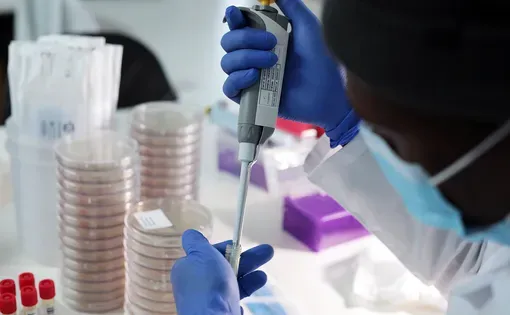
Palesa Makekeng, a clinical associate, and Keitumetse Sethabela, a research assistant, first measure the body and sterilize it, so as not to introduce any pathogens. Then, with great precision, they insert needles to extract cerebrospinal fluid and blood. Next, they take multiple tissue samples from the liver, the lungs, and the brain. Then they carefully wrap the body and return it to the mortuary refrigerator. The samples will be tested for about 120 pathogens, including GBS, after which an expert panel will determine the cause of death. Just because GBS was present, for instance, does not mean it was the causative agent, Makekeng says.
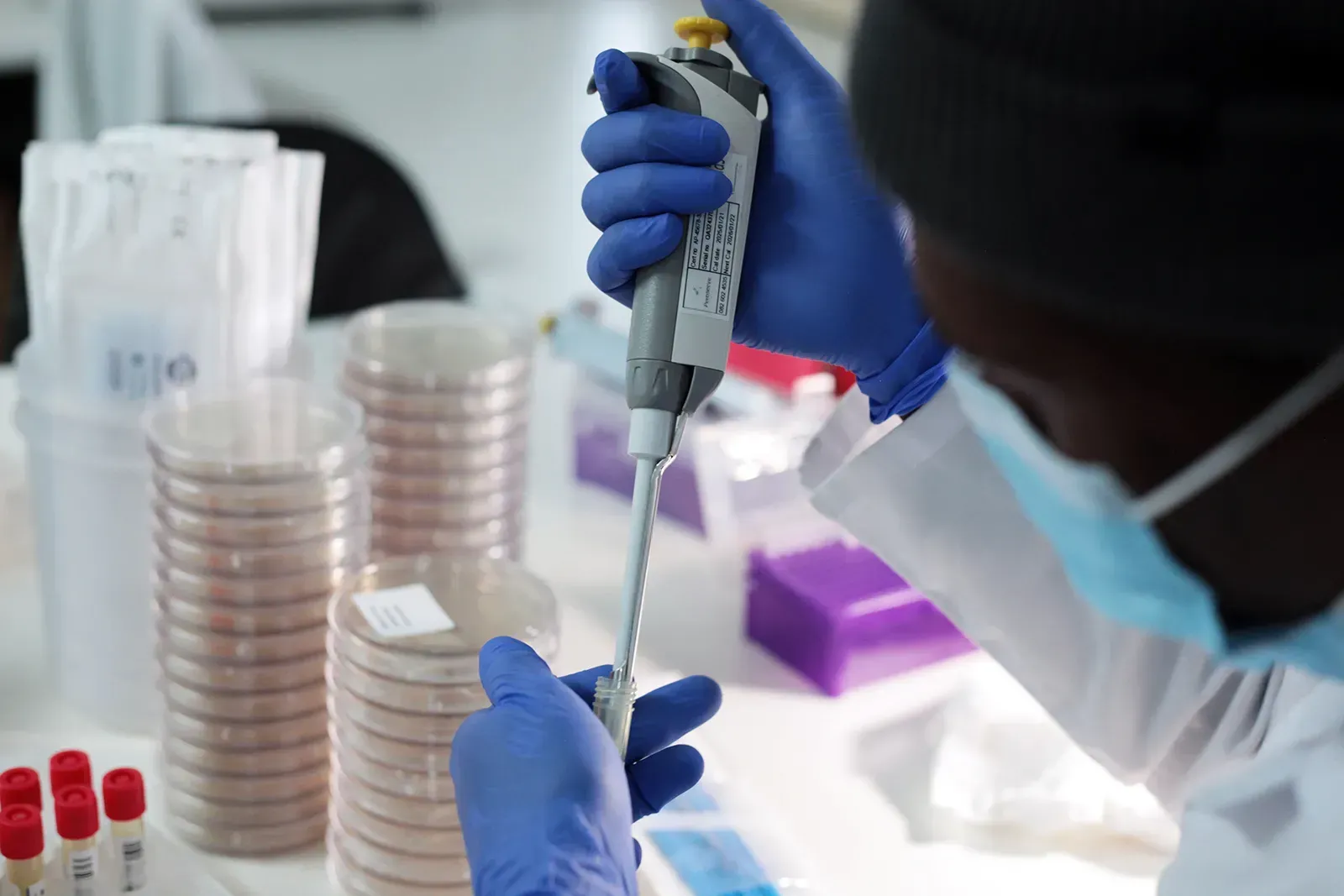
The work is part of the Child Health and Mortality Prevention Surveillance (CHAMPS) study, funded by the Gates Foundation, which aims to determine the causes of stillbirths and deaths among infants and children under age 5 in nine low- and middle-income countries. It is one of several studies shedding more light on GBS’s toll. Earlier studies looked only at wealthy countries, and most mortality estimates ignored stillbirths. “But why should a baby who dies a few days before birth count less than a baby that dies a few days after birth?” asks Joy Lawn, a pediatrician and epidemiologist at the London School of Hygiene & Tropical Medicine (LSHTM).
Lawn and her LSHTM colleague Anna Seale led a study involving some 100 researchers worldwide that provided the first global estimates of GBS’s burden. Published in 2017 in a series of papers in Clinical Infectious Diseases, the research showed the toll was shockingly high, especially in Africa and South Asia. An update of their analysis, published in The Lancet Global Health in 2022, estimated that in addition to 91,000 infant deaths, GBS causes some 46,000 stillbirths a year.
CHAMPS has sharpened that picture. In a study published in 2023, researchers found that overall, 2.3% of stillbirths in the nine study countries were caused by GBS, although the proportion varied from 1.6% in Bangladesh to 8% in South Africa. When they factored in live births as well, the CHAMPS collaborators found that GBS caused one in every 37 deaths of infants less than 90 days old.
The 2022 analysis also suggested GBS is involved in half a million of the roughly 15 million preterm births worldwide—although the authors acknowledged their estimate came “with wide uncertainty,” because GBS’s exact role in preterm births has been especially hard to untangle. Complications from prematurity are the biggest cause of death for children under age 5, and preterm births can lead to developmental disorders, hearing and vision impairment, underdeveloped lungs, and a higher risk of chronic diseases.
“People construe an absence of data as an absence of disease.”
Shabir Madhi, University of the Witwatersrand
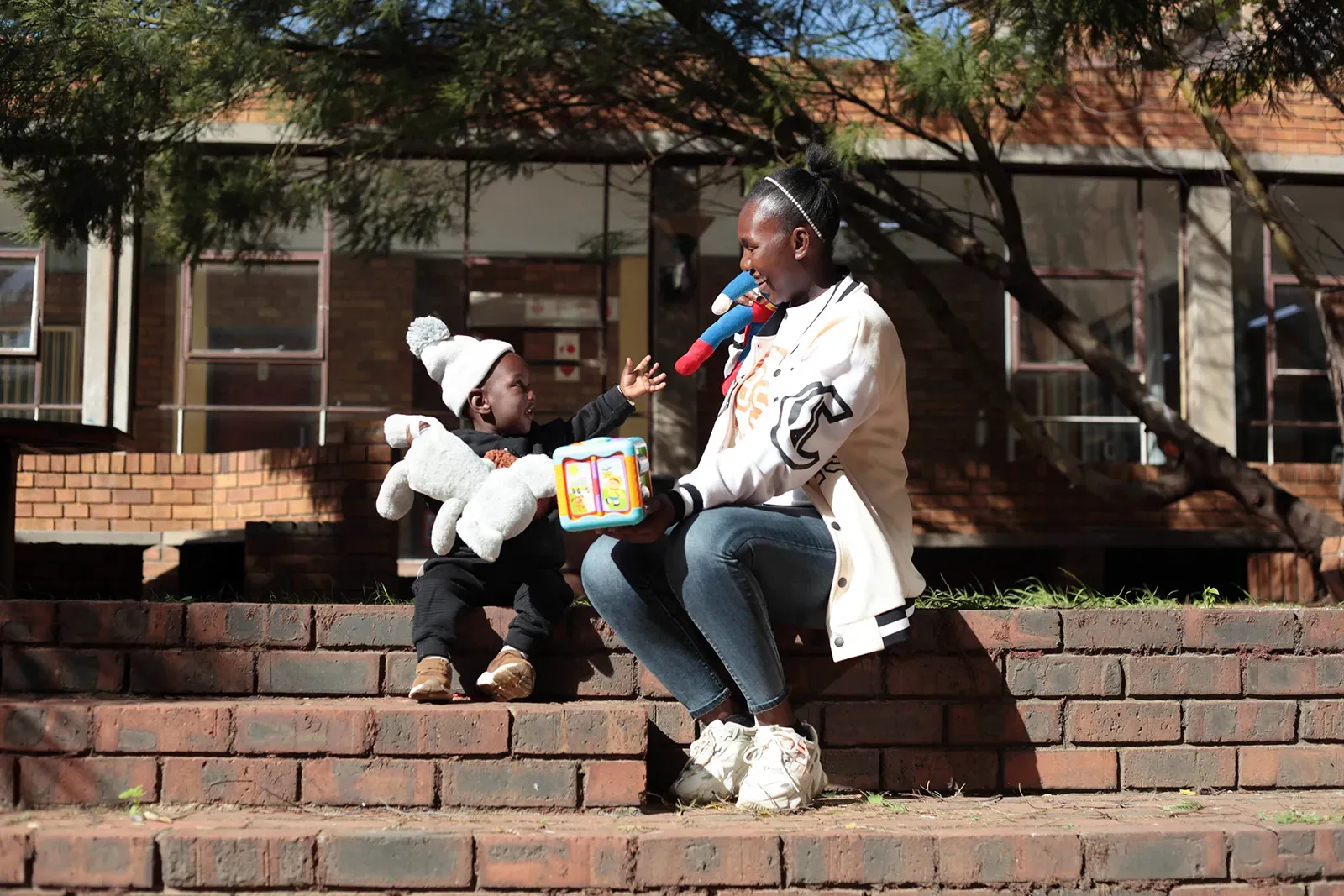
Studies examining GBS’s effects on neurodevelopment are ongoing. Kananelo, an impish 1.5-year-old boy, is part of one such study at Wits VIDA. His 20-year-old mother, Jennifer Mankae, says she was terrified when Kananelo was born prematurely in 2023, struggling for breath. He was treated in intensive care for more than 3 weeks. Tests showed he was infected with GBS, which she had never heard of. “I was afraid he was going to die,” Mankae says.
Now, Kananelo is playfully dropping his toys on the hospital floor for his mother to pick up. “He is naughty,” Mankae says—a troublemaker who causes chaos in the house he shares with his mother and her sister. Mankae is no longer worried about her son’s health.
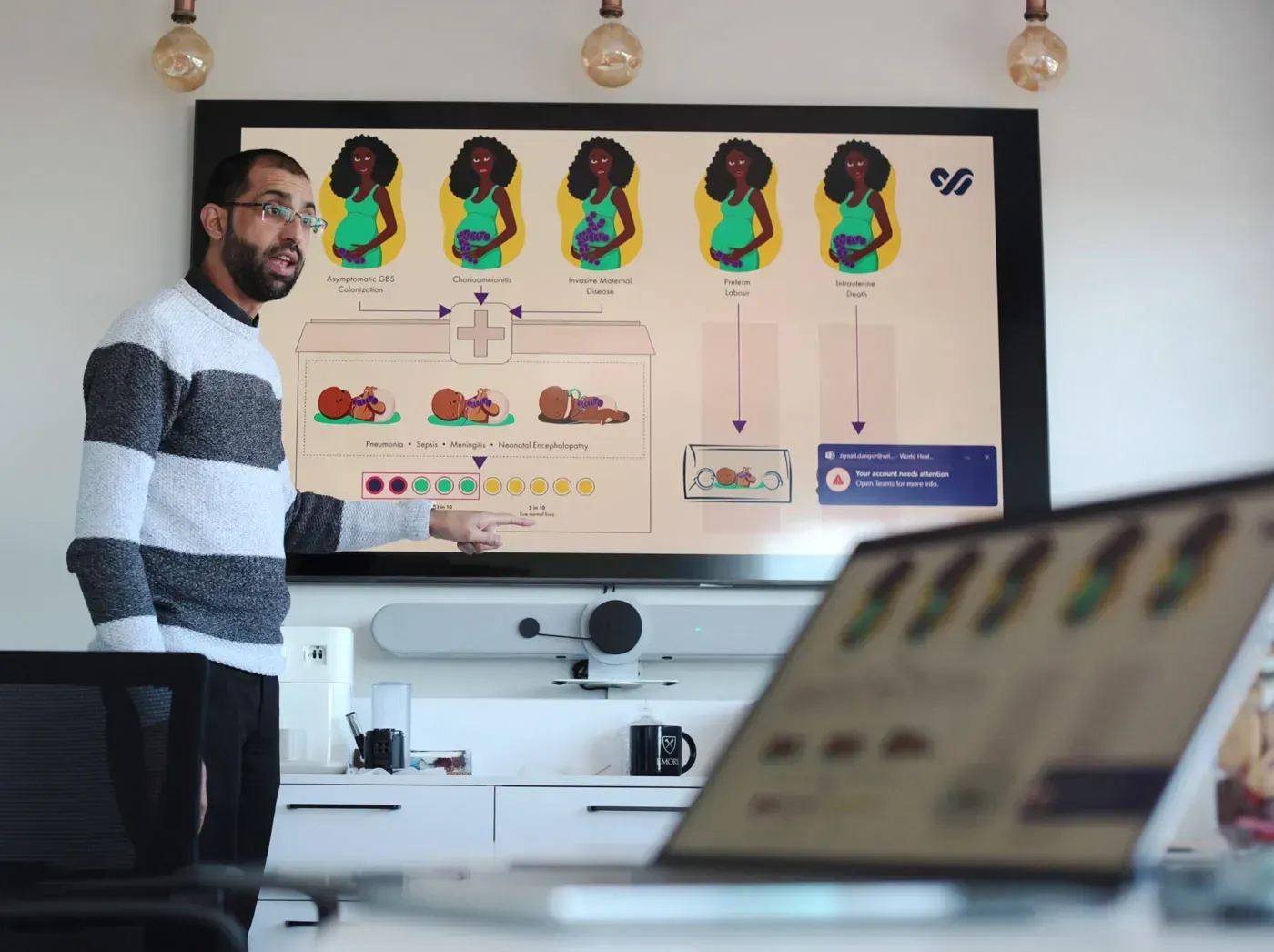
But a recent multicountry study found that children who recovered from GBS disease have a 70% increased risk of some form of neurodevelopmental impairment. Worldwide, an estimated 40,000 survivors develop moderate or severe forms of impairment each year, according to the 2022 analysis, including cerebral palsy and deficits in vision, motor skills, speech, and cognitive function. What was “surprising and unexpected,” says co-author Ziyaad Dangor, clinical research director at Wits VIDA, is that these lasting effects, previously thought to be caused exclusively by GBS meningitis, also occur in survivors of GBS sepsis, which is far more common. That means the extent of neurodevelopmental problems has likely been underestimated.
A fairly priced maternal vaccine could avert much of this toll, WHO has concluded. Gavi, the Vaccine Alliance, which makes vaccines available to low-income countries, has expressed interest. And anxieties about maternal vaccination have faded. Pregnant women are now routinely vaccinated not just against tetanus (sometimes in combination with pertussis and diphtheria), but also against influenza and, in some places, COVID-19. In May, WHO recommended maternal vaccination against respiratory syncytial virus, which can kill newborns. Still, a GBS vaccine would break new ground. Most of the vaccines now given in pregnancy were already widely used and had established safety records. None was developed specifically to protect the infant.
The Pfizer shot that just entered a phase 3 study is a polysaccharide conjugate vaccine, similar to the one codeveloped by Baker, designed to protect against the six GBS serotypes that cause 98% of cases. The Gates Foundation is supporting the work in exchange for Pfizer’s commitment to make an affordable version available to poor countries, says Keith Klugman, of the Gates Foundation.
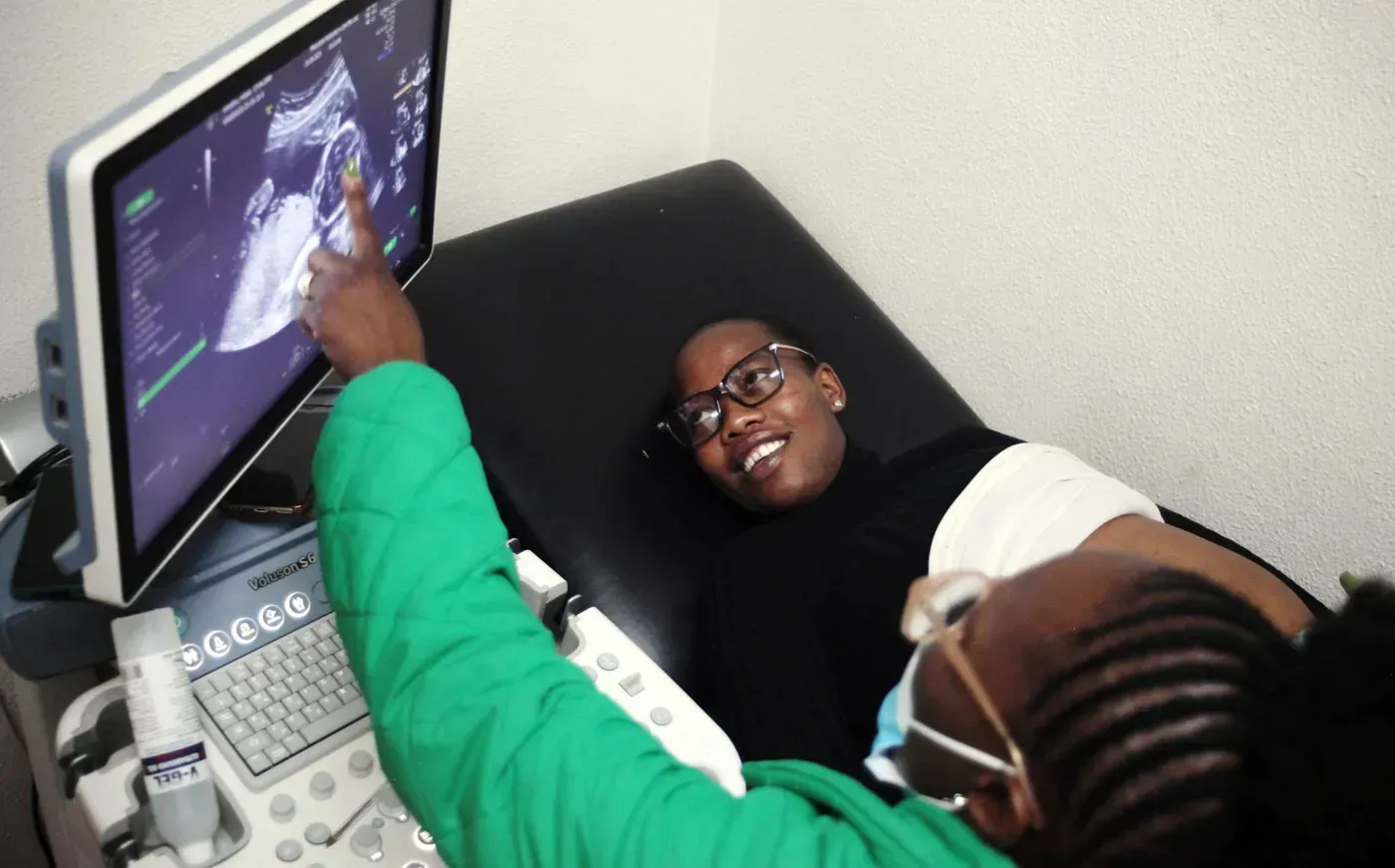
MinervaX, which is developing the other leading contender, decided to bet on a vaccine based on the surface proteins sticking out through the bacterial capsule. CEO Per Fischer says it should be effective against all GBS serotypes, and that the company will offer its vaccine at a price acceptable to Gavi.
Both vaccines have proved safe and able to elicit a strong immune response in phase 1 and 2 trials in healthy adults and pregnant women. But because the incidence of GBS is low, a conventional phase 3 efficacy trial to demonstrate that the vaccine reduces death and disease would need to enroll about 100,000 pregnant women, take a decade, and cost about $1 billion, Klugman estimates. That would be “untenable,” says vaccinologist Annaliesa Anderson, who is leading Pfizer’s effort.
Instead, the companies and GBS researchers have been pushing for a newer approach to licensure that would use “serological endpoints”—essentially showing the vaccine elicits high enough levels of anti-GBS antibodies to protect infants throughout the first 3 months of life. Such trials require far fewer participants. But regulators at the U.S. Food and Drug Administration and the European Medicines Agency have spent years forging agreement on the exact serological endpoints. “This is a vaccine given during pregnancy using a serological marker” for licensure, Lawn says. “If you’re looking for a combination of things that regulators will feel nervous about, this is it.” “People want everything to be 100% risk free,” Baker says. “They may as well go in a closet.”
Last month, regulators finally gave Pfizer the go-ahead for its trial, which will enroll about 6000 healthy, pregnant women between 24 and 36 weeks of gestation and their infants, first in the U.S. and then in South Africa and other countries. The expected completion date is 2029. MinervaX expects to start trials in 2026, Fischer says.
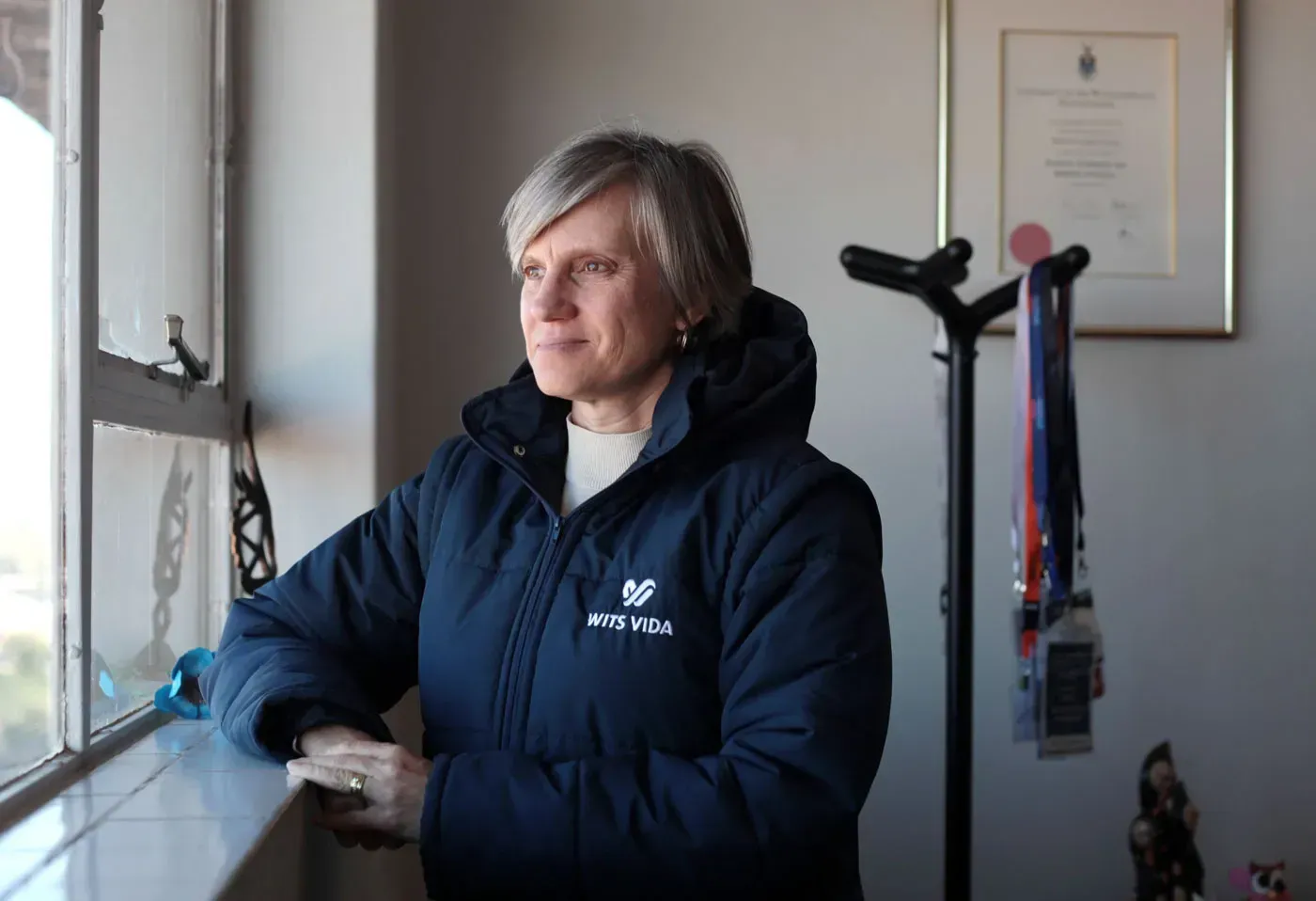
If a vaccine is ultimately licensed, Madhi expects many wealthy countries to quickly adopt it. But it will face growing vaccine hesitancy, especially in the U.S. In low- and middle-income countries, where the need is greatest, lack of awareness about GBS may be the key problem. “The case for vaccines for pneumonia and diarrhea was clear. The symptoms are visible,” says Wits VIDA epidemiologist Michelle Groome, technical lead for a consortium of African and Southeast Asian countries laying the groundwork for new maternal vaccines. “But GBS is invisible. Babies are stillborn or they die shortly after birth.”
Madhi thinks South Africa may be an exception, as studies there have left little doubt about the need: “We have the epidemiology.” In other countries, where data are lacking, widespread adoption may depend on the large postlicensure, or phase 4, studies that regulators will require the vaccinemakers to conduct. Those studies will show how much the vaccine truly reduces death and disease, Madhi says.
Obstetricians, midwives, and community health workers will also have to be receptive to a maternal GBS vaccine, and antenatal visits will be critical. Many women in sub-Saharan Africa have only four visits—WHO recommends eight—and go too late in pregnancy for a vaccine to prevent stillbirths and preterm births. Families will have to agree as well. “Moms want to protect their babies,” Groome says. “In low-income countries, it’s more about community acceptance, what the husband and the mother-in-law think.”
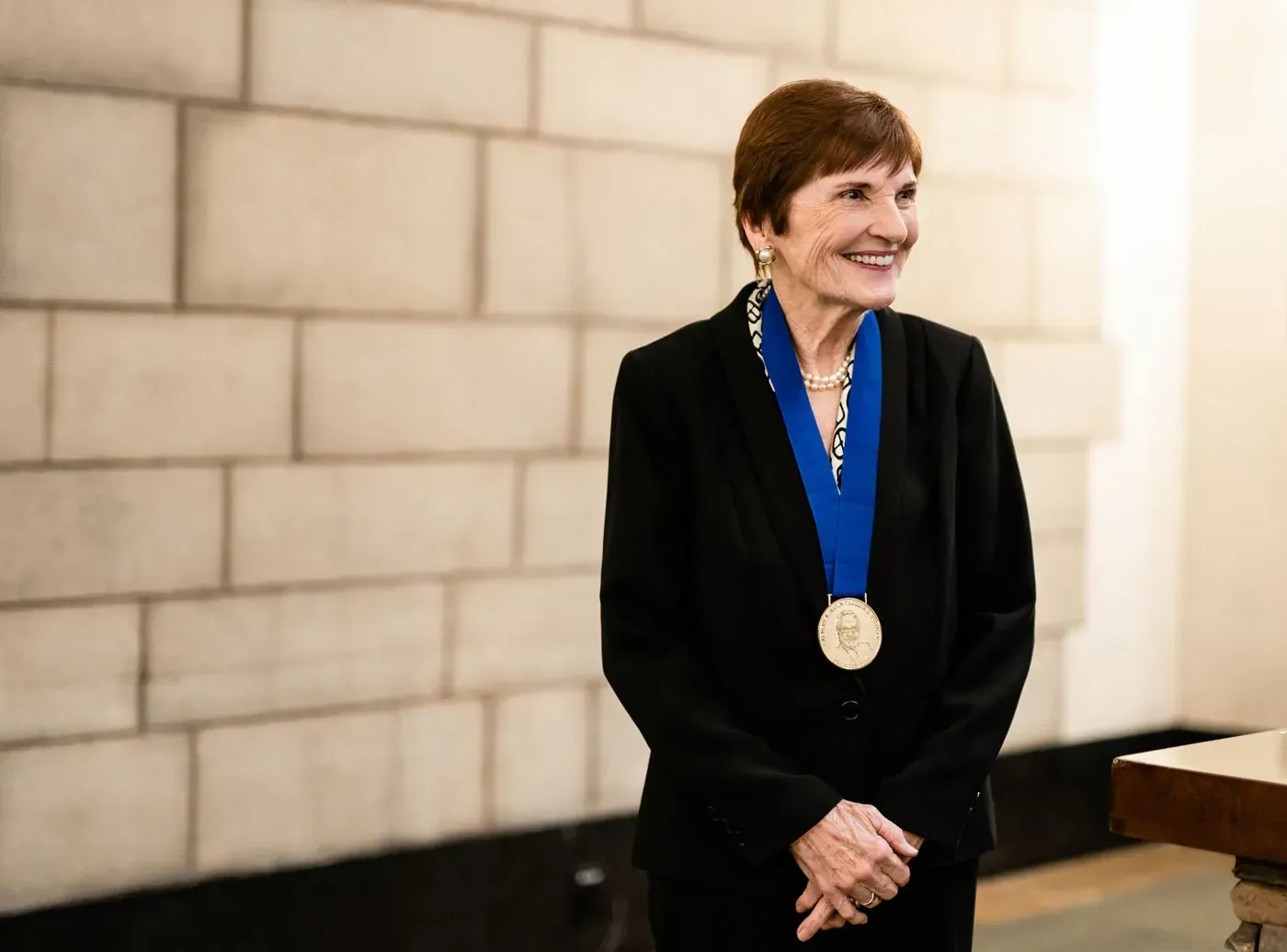
Given the remaining challenges, “we have miles to go,” Schrag says. But, Le Doare adds, “We have to get a vaccine over the line in Carol’s lifetime.” Baker is delighted that a younger generation of scientists—many of them women she inspired—have taken on her cause. “I had to crash through a lot of barriers,” she says. She still attends meetings, gives talks, and writes papers and editorials. “This is what retirement looks like for Carol,” Le Doare says.
On some days, Baker fears her dream will never reach fruition. On others, she is more optimistic. “There has been incredible progress. But it has taken so long.”
Editor’s note: Science understands some people who become pregnant and give birth do not identify as women. This story uses maternal, mother, and women throughout because those are the terms scientists have used when describing GBS and affected people, and in vaccine studies—including Pfizer’s recently launched phase 3 trial.