

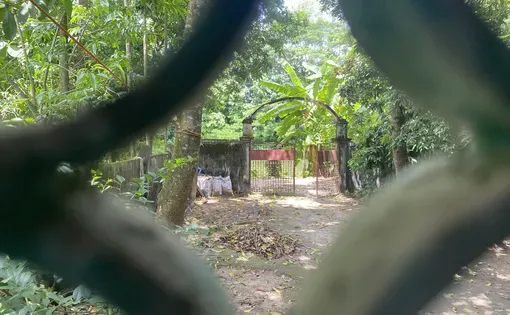
Women struggle as husbands and fathers are trafficked through global labor supply chains.
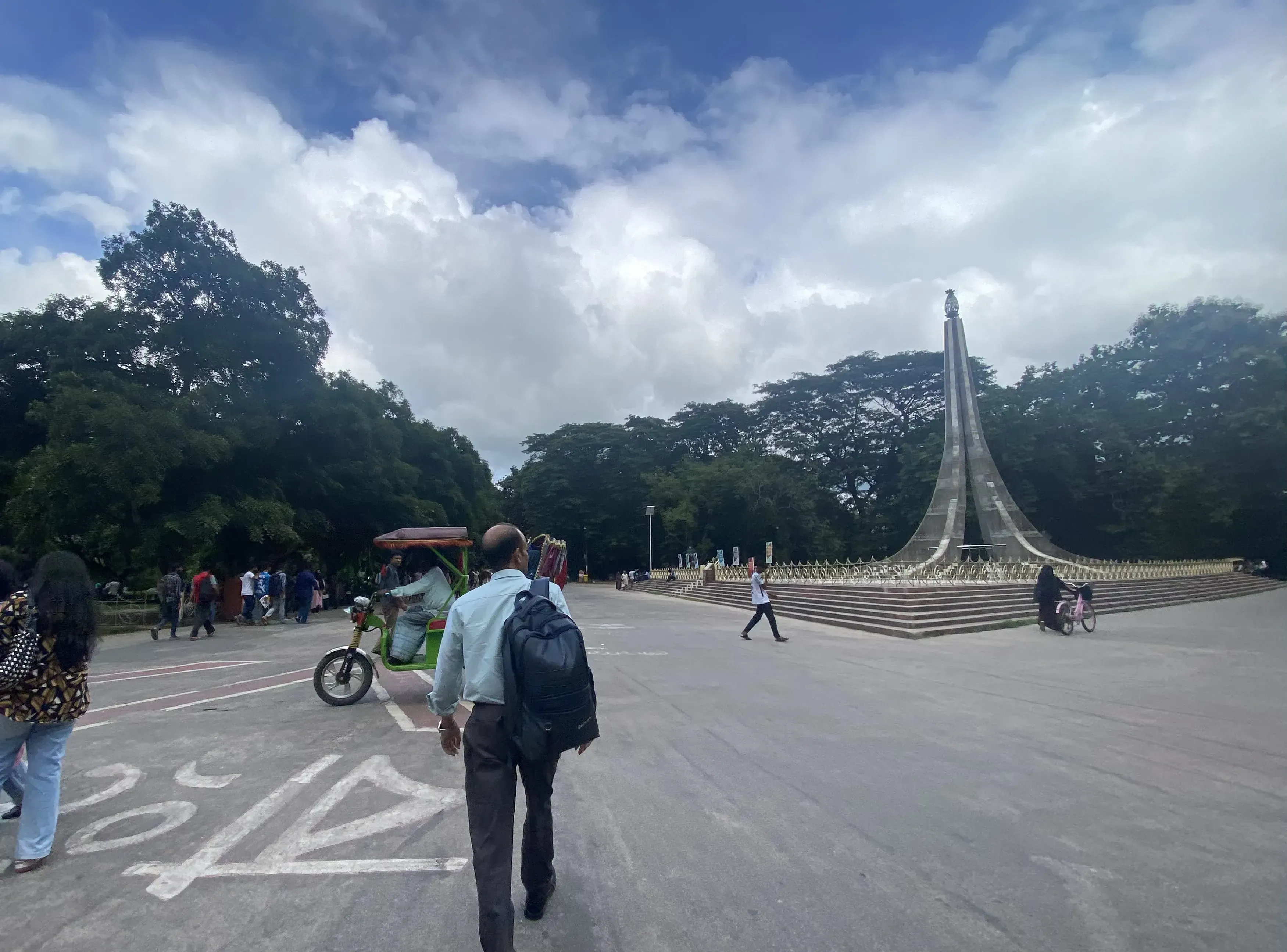
I came to Bangladesh to interview women whose fathers, husbands, uncles, or sons work in Saudi Arabia. The idea emerged from an academic article analyzing a genre of songs born from this labor migration—songs of longing.
Yet, despite data on remittances and interviews with male laborers, I struggle to find firsthand accounts from the women left behind.
Amid a rise in gender-based violence, reaching the women I came to speak is proving to be more difficult than expected. Many are hesitant to speak out. I spoke with several men before reaching one woman.
Reporting has become a class-crossing endeavor. I began (and will end) in the villages with women. Every conversation with someone opens the door to another, each layer bringing me closer to the full story.
Talking to village shopkeepers offers insight into how remittances influence women’s purchasing power and shape local economies.
Interviewing rickshaw drivers—some of whom worked abroad, others who desire to—illuminates the socioeconomic backgrounds of Gulf laborers, and often leads me to a woman open to sharing her story.
Interviews with academics and local NGOs offer biting context and critique of my work, pushing my thinking further.

As a nonprofit journalism organization, we depend on your support to fund more than 170 reporting projects every year on critical global and local issues. Donate any amount today to become a Pulitzer Center Champion and receive exclusive benefits!
To document a deeply specific experience, I engage with people across power structures daily. Struck by how perspectives diverge across class lines, I find shared values, narratives, beliefs, rumors, and preoccupations emerge.
I wake up thrilled to continue this circuitous process—finding voices, building trust, putting another puzzle piece in place, and uncovering another truth that textures the story I aim to tell.