Story
 January 6, 2026
Hopes, Tiles, Dresses, and Labor: Saudi Arabia’s Economic Impact on Rural Bangladesh
Country:

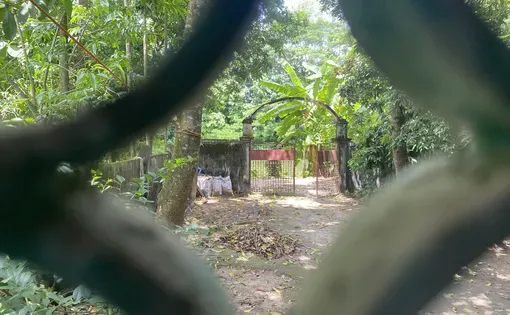
Women struggle as husbands and fathers are trafficked through global labor supply chains.
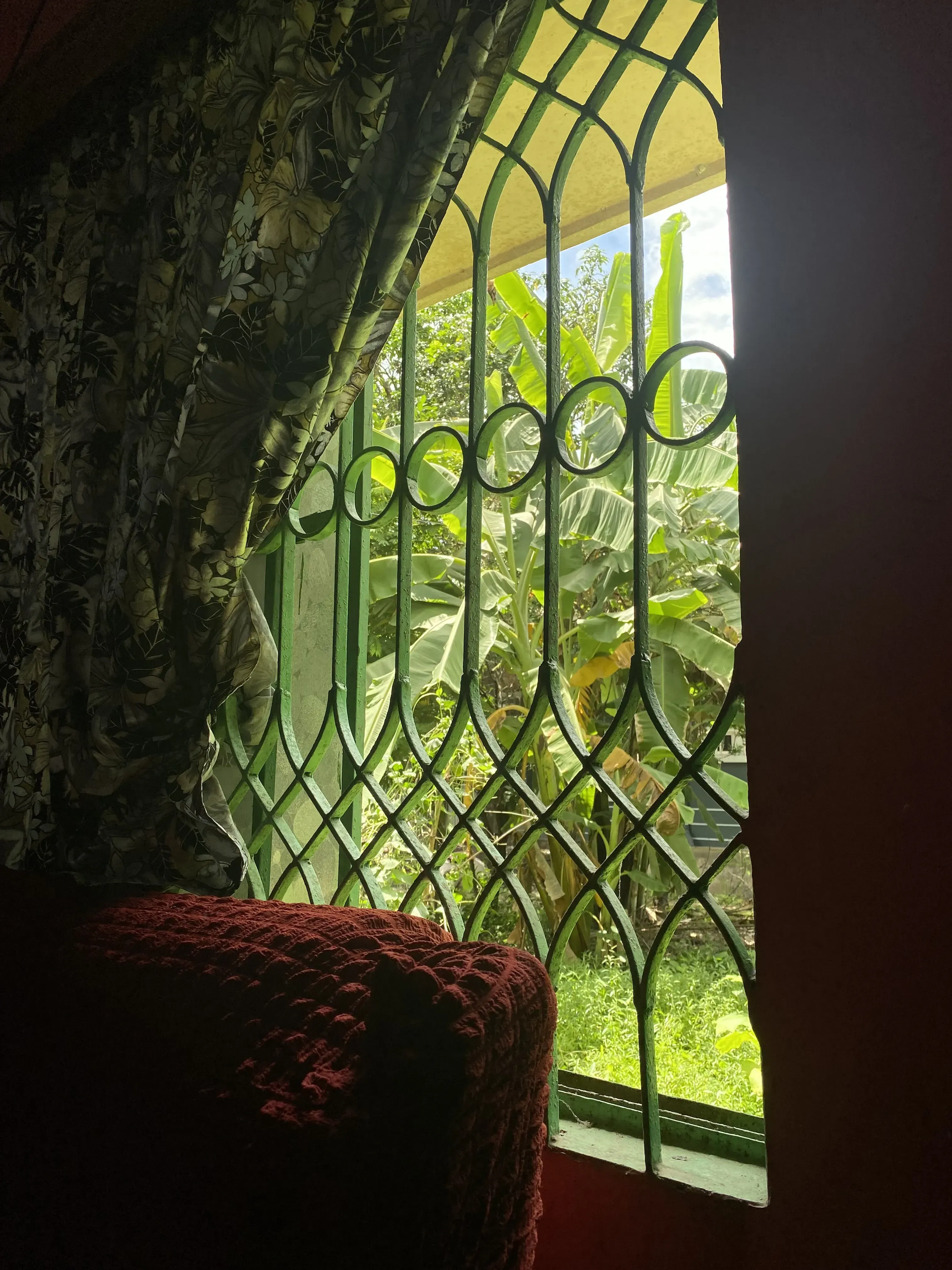
Globalized economies bring more than foreign products to Bangladeshi stores and homes; they move people across the world. The following article is a collection of images and quotes from Bangladeshis whose homes, businesses, and futures have been shaped by a human supply chain of workers sent from Bangladesh to the Persian Gulf.
Fidgeting with her fingers, Aziz’s mother, who refrained from providing her full name for security, says, “The change in my life is that I [used] to work hard a lot before. I had a lot of tension, a lot of work, and a lot of things to do as a child.” Gesturing to her garden from her living room window, she exclaims proudly, “[We] do not raise cows or cattle… [or] feed the chickens here anymore.”
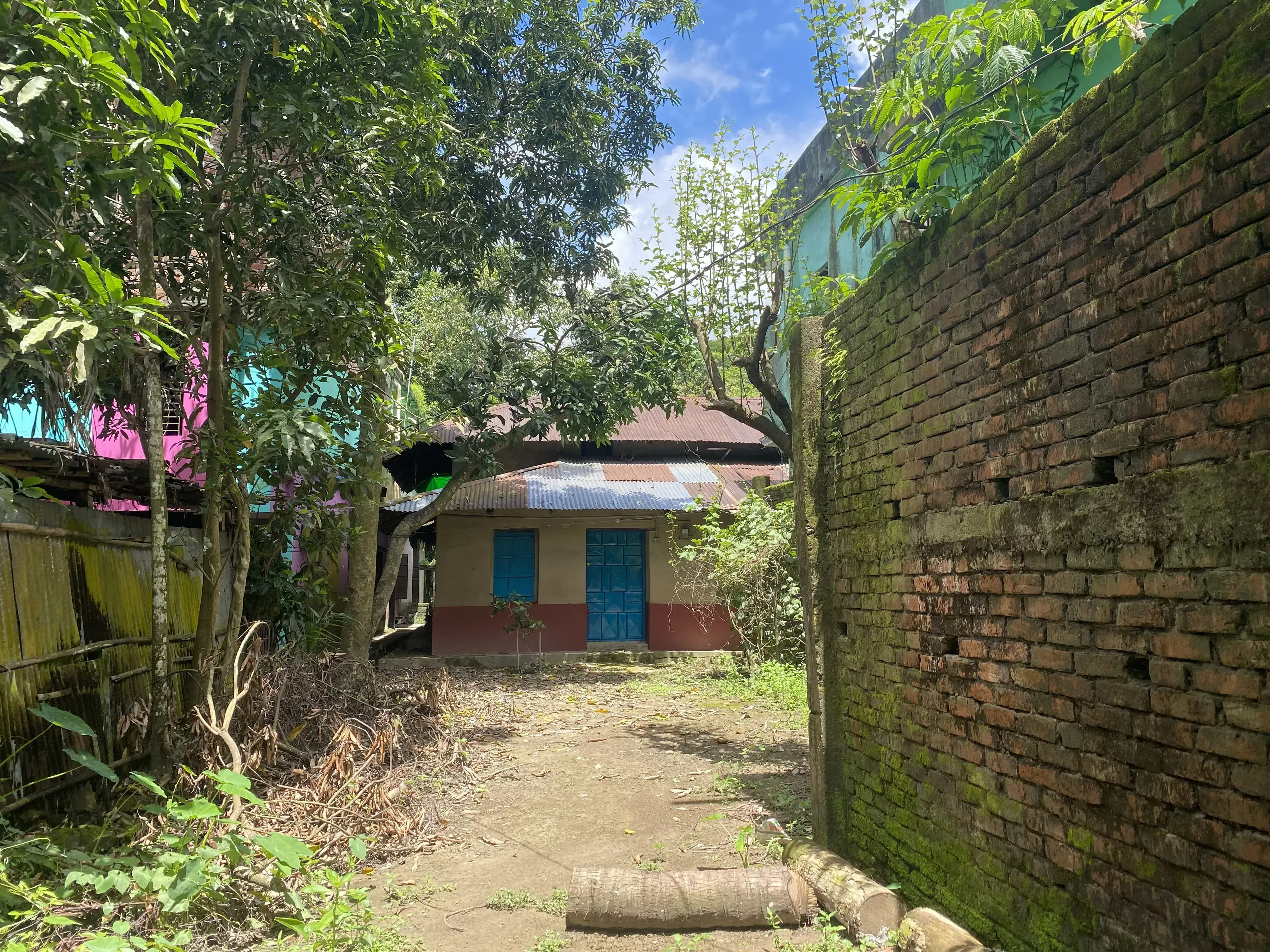
Aziz’s mother says her “living standard is becoming like city sites… earlier we used to have the house made of mud.” Aziz works in Dubai, where many foreign workers risk human rights abuses. His father works in the Tabuk desert, famously the location of Saudi Arabia's The Line development project. His mother lives in Rangunia, a village in southern Bangladesh. With the money Aziz and his father send back, his mother installed a fan, lights, and most recently her “own washrooms and the piped water and… the tiles.”
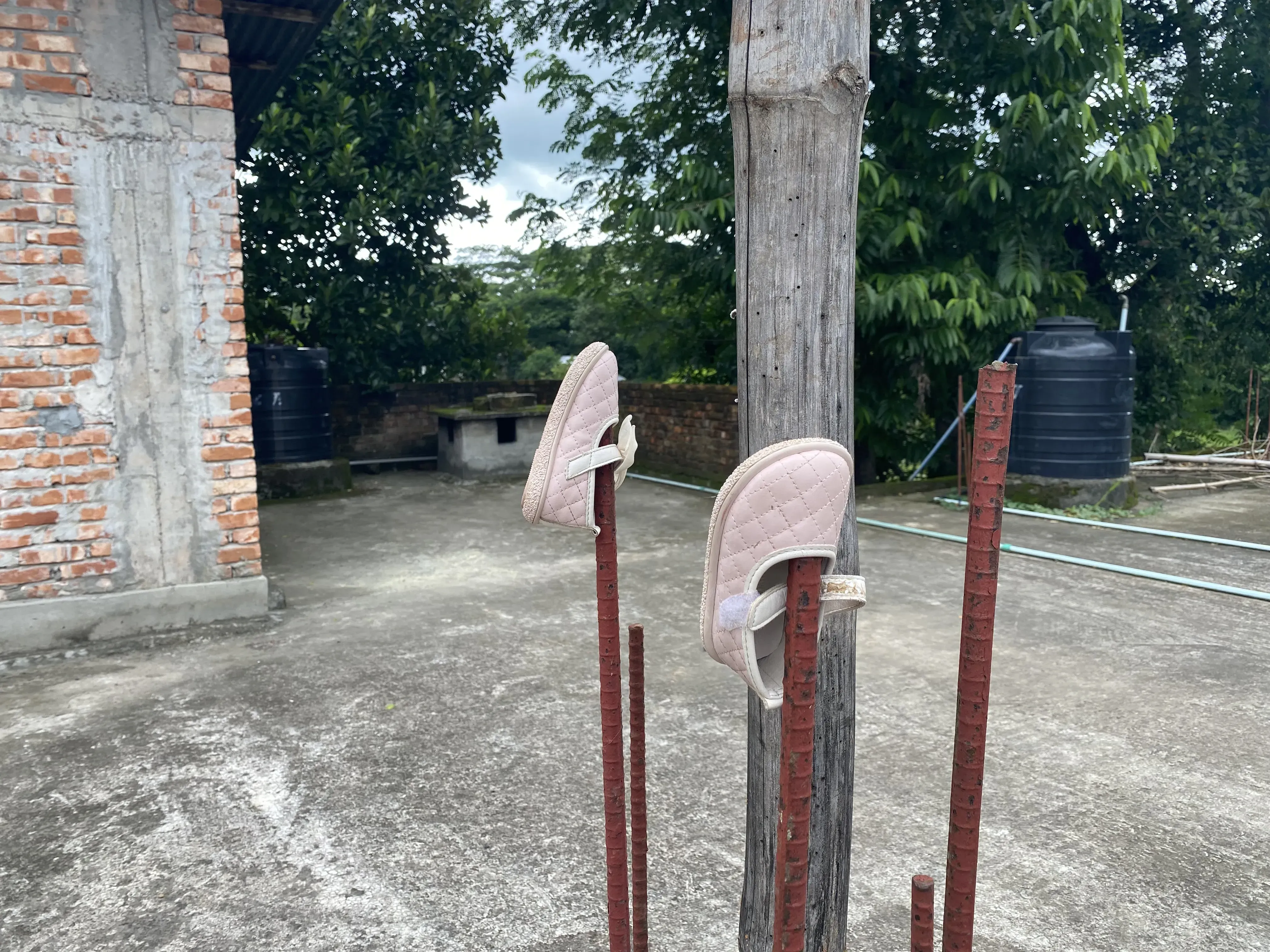
Aziz’s mother is now a grandmother. Her daughter, Jessi Zahn, is also married to a remittance worker. Kaji Ijdiha Zahn, Zahn’s 6-year-old daughter, climbed into her mother's lap as Zahn tells her how when she came into the world, that was the best moment she had. While pregnant with Kaji, Zahn experienced complications in her second trimester. Her mother and mother-in-law cared for her when she was assigned bed rest—her husband, father-in-law, and father were in Saudi Arabia. The last time she saw her husband was in December 2024. In June 2025, she explained her husband “has joined a new company… the earlier one used to hold the wages for 2-3 months.” Yet, he still “doesn’t get the salary as expected.” Without regular remittances being sent to her, she relied on “some savings at home” and the budgeting techniques she learned from her mother.

As a nonprofit journalism organization, we depend on your support to fund more than 170 reporting projects every year on critical global and local issues. Donate any amount today to become a Pulitzer Center Champion and receive exclusive benefits!
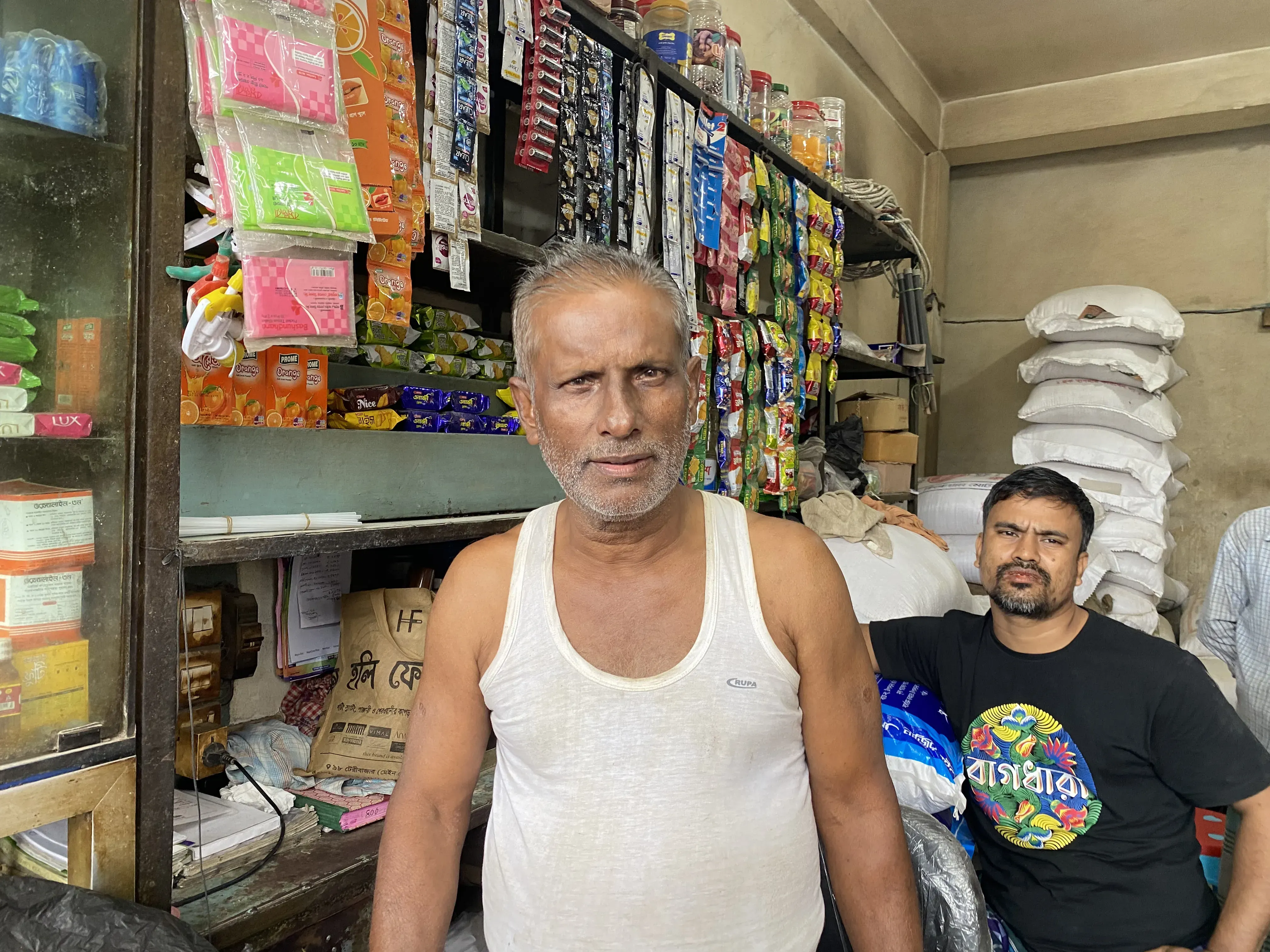
Roton Mohajon owns a corner store in Newapara, another village in southern Bangladesh. The abuse migrant workers experience abroad, like withheld wages, have impacts on the local economy: Rojan claims many families with credit lines “don’t repay the money” they owe.
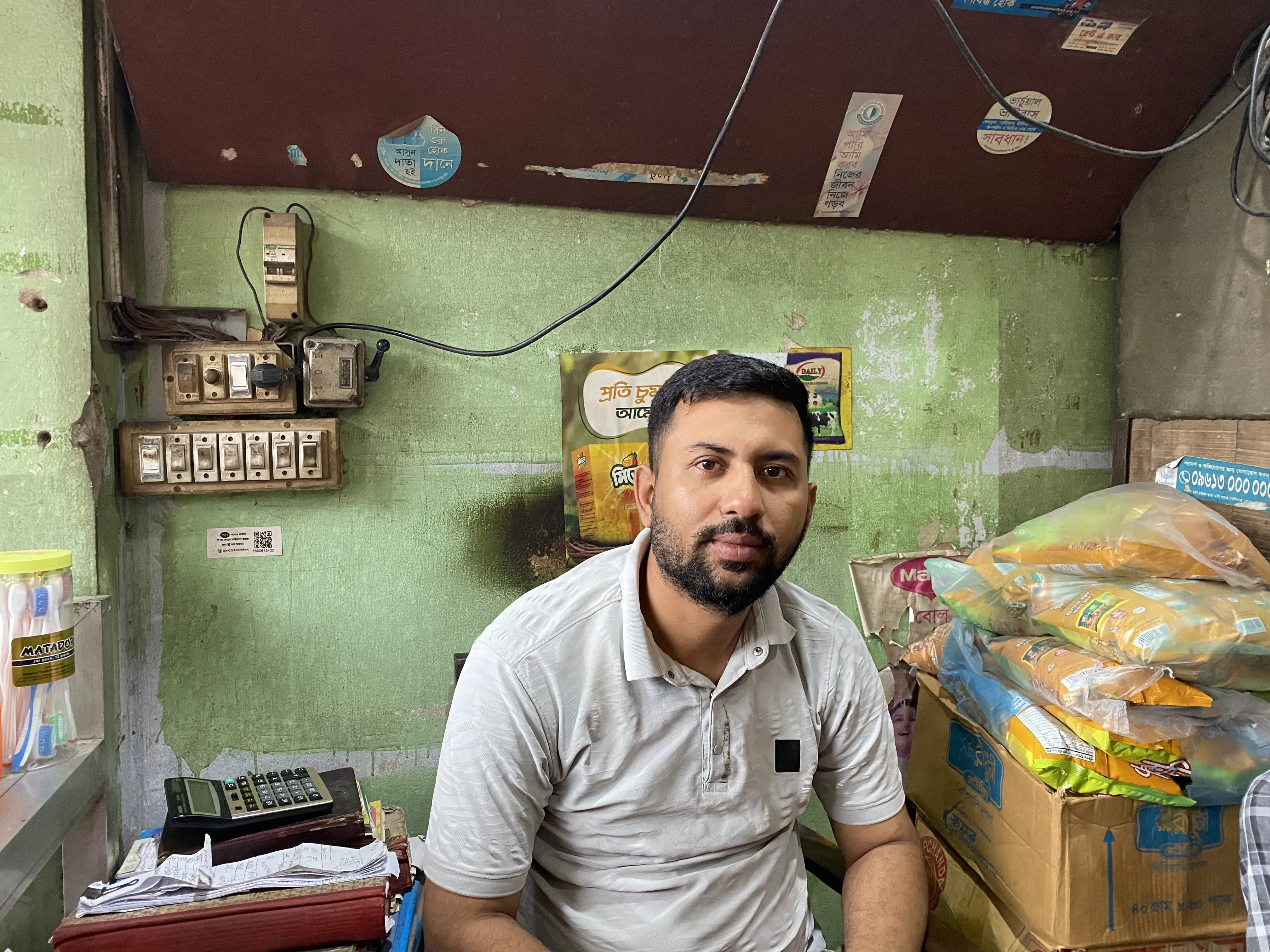
Johnny Mollick operates a market two doors down from Rojan. His family opened their shop “before 1971.” He notes “many people are living abroad, their husbands and their brothers… this area has changed.” With an influx of cash from abroad, his records indicate a shift in the demands of his customers: “Now they want soya bean oil.”
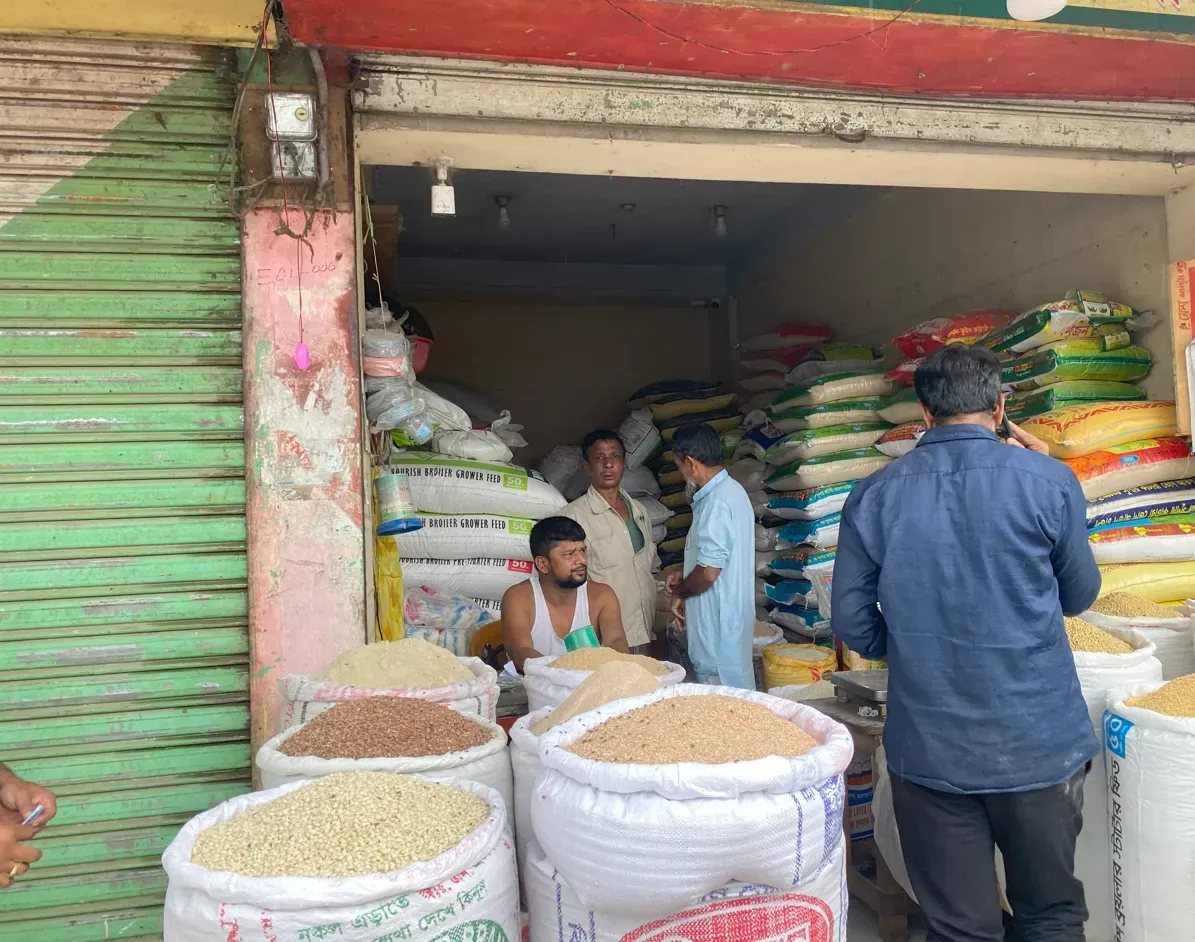
Nizam Uddin (seated center) left to work in Saudi Arabia in 1998. He returned to Bangladesh in 2020 when his visa expired. With the money he saved, he opened a “grain business” (pictured) which families like Jessi’s shop at for their dietary needs.
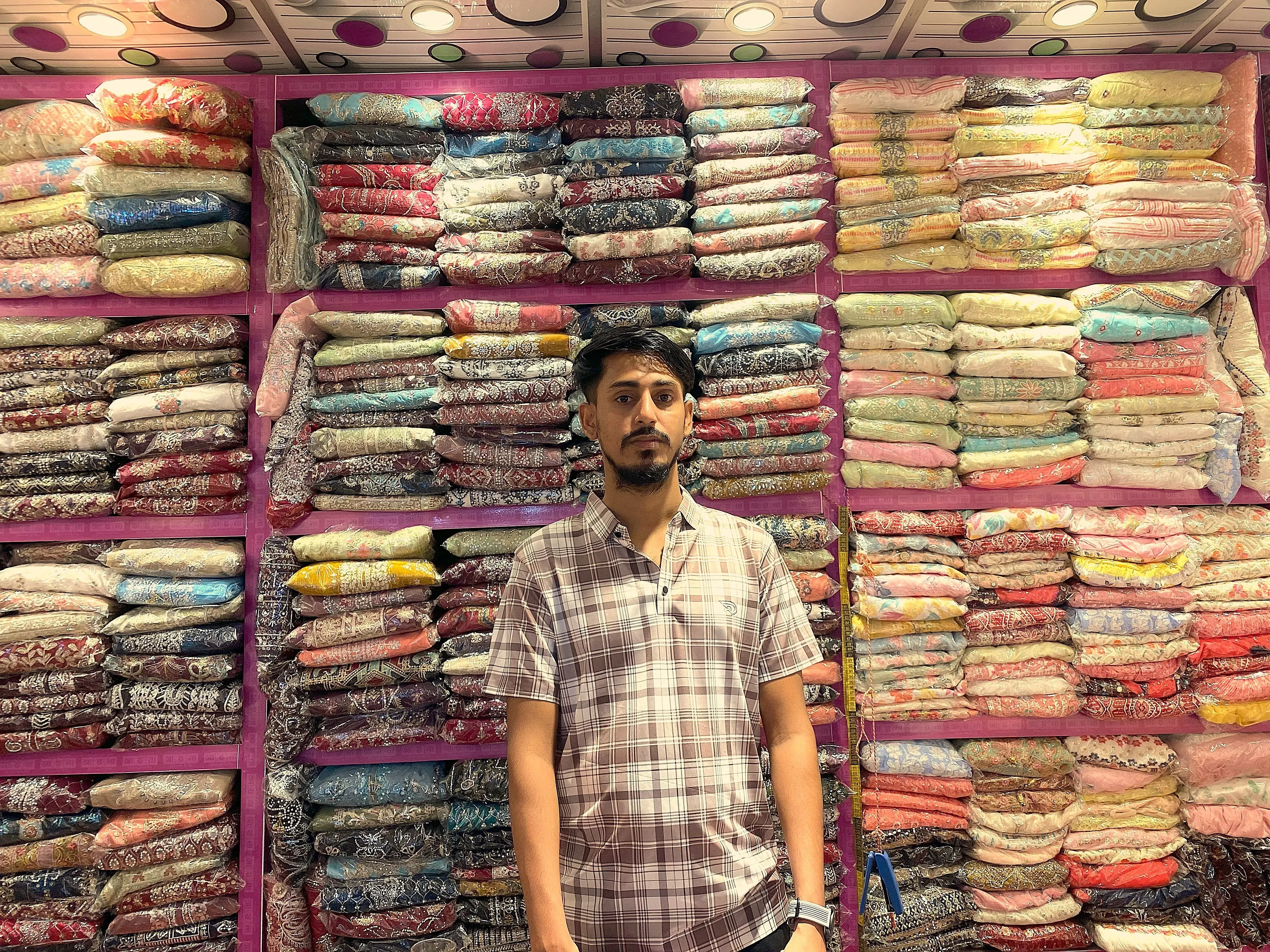
A five minute walk away from Mohajon, Mollick, and Uddin’s stores is a two-story shopping center with shops selling jewelry, clothing, and bags. Twenty-eight-year-old Mohammad Shahed (pictured) manages his uncle's dress shop. Elaborating on Mollick’s perception of transformations in Newapara, Shahed says, "earlier people used to buy the clothes once in a year, but every day, now every month they come to shop.” Shahed’s clientele is aged “eighteen to twenty-five.” According to data compiled by academics and UNICEF, over 50% of Bangladeshi women are married by the age of 18, a higher number in rural areas.
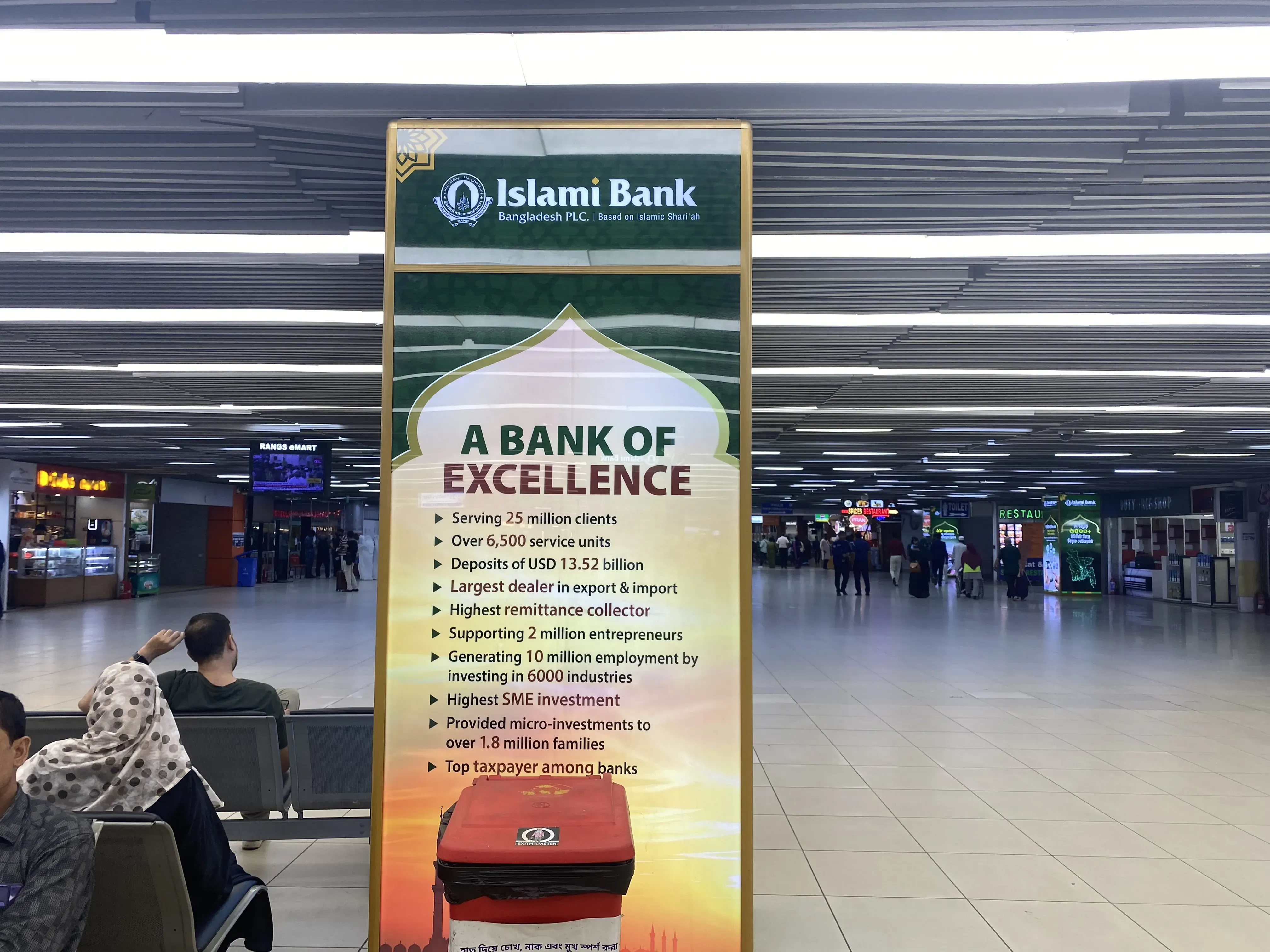
In 2024, over 43% of Bangladeshi migrant workers went to Saudi Arabia, sending back 11% of the nation’s total remittances. Remittances are sent home from abroad via app transfers, electronic bank wiring, and through physical carriers. Created in 2001, the Bangladeshi Ministry of Expatriates, Welfare, and Overseas Employment seeks to oversee this process. Banks' ability to securely transfer funds inflate their reputability and bolster the national economy. Taking inspiration from her mother, Zahn budgets the cash flow mediated by banks to dress, clothe, feed, and raise her daughter. Next on the horizon for these women is migration to a country beyond Bangladesh. Demand for labor remodeled Aziz’s mother’s life, Zahn’s, and will continue to modify Kaji’s. It expanded their financial management authority, desires, and ability. Aziz’s mother says she hopes the next generation of migrants will go farther than Saudi Arabia, maybe “to some western countries.”