Pulitzer Center Update May 21, 2026
Why All Eyes Should Be on the Arctic
Country:

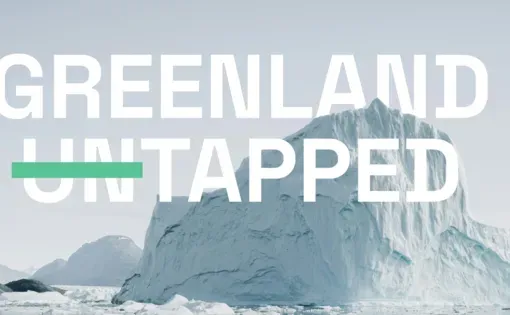
Greenland's untapped reserves of critical minerals beckon.

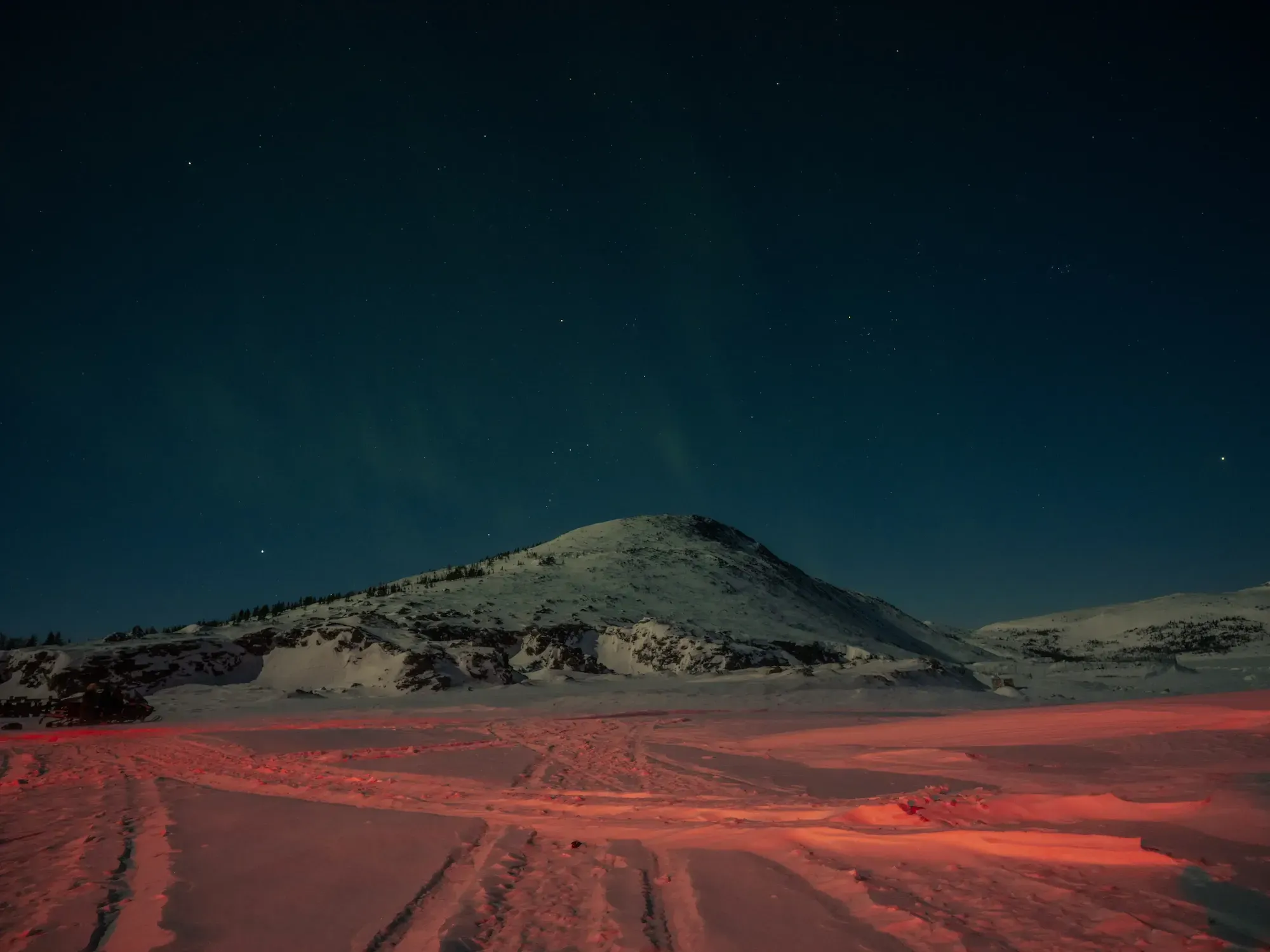
This week you have undoubtedly been reading about Russian President Vladimir Putin’s return to Beijing, a visit that coincided with the 25th anniversary of the Treaty of Good-Neighbourliness and Friendly Cooperation between Russia and China.
China and Russia have in recent years described their ties as a "friendship with no limits.” No limits, indeed, it seems, especially where the Far North is concerned.
The Arctic has become a focal point of geopolitical competition as climate change melts sea ice, opening new shipping routes and exposing valuable resources.
That U.S. President Donald Trump wants Greenland is well documented in headlines that have splashed on front pages around the world. But did you know that Russia also has its sights on the Arctic as it modernizes its Arctic military bases, and China has been stepping up its activities in the Far North, seeking economic opportunities presented by the impacts of climate change?
China published its own Arctic strategy almost a decade ago, in January 2018, declaring itself a “near-Arctic” state and outlining a “Polar Silk Road” economic plan.
The triad of the U.S., Russia, and China’s Arctic strategies across security, commerce, and resources is unfolding before our very eyes in a region that has been described as one of the most underreported places on Earth.
The Arctic sits at the nexus of global climate change, environmental vulnerability, international diplomacy, and community resilience. What happens in the northernmost part of the world today will influence environmental stability, economic development, governance, and security far beyond the Arctic’s own borders.
That’s why the Pulitzer Center is redoubling its efforts to support reporting in the public interest from the Arctic.
Pulitzer Center Ocean Reporting Network (ORN) Fellow Karen Pinchin’s reporting project, Beset by Ice, investigates the conditions that have led to a rise in unsafe Arctic shipping, and what this means for Indigenous residents, national sovereignty of Arctic nations, and global climate governance.
From Russian scientists and soldiers showing up unannounced in Resolute Bay, Nunavut, Canada, to Chinese vessels foraying into the Northwest Passage, to stranded Argentinean sailors fighting off polar bears with emergency flares, this project pulls back the curtain on the region’s secretive “know-a-guy” culture to reveal climate change’s most urgent impacts.
Another ORN Fellow, Alec Luhn, traveled to Nunavut to listen to local Indigenous elders talk about what the ice means to them and to hear about plans to save the Arctic from climate change. In his reporting, he considers the moral hazard of trying to geoengineer a solution and whether it is distracting from the real work needed to cut emissions.
Luhn’s reporting on refreezing the Arctic recently won a National Headliner Award. The judges said: "Alec Luhn’s examination of the pros and cons of refreezing seawater to replace a rapidly melting arctic ice cap is a bold call to ignore naysayers and attempt a dramatic and achievable solution to global warming."
ORN Fellow and grantee Jenn Thornhill Verma says adaptation is nothing new to the Inuit, “with their five-millennia-long history of a nomadic lifestyle, and resettlement by church, state, and trade interests this past century.” But given the urgency of rapid climate change, Labrador Inuit communities are taking matters into their own hands, changes that are documented in Verma’s award-winning reporting project, Unsettled.
There is so much more to report on, and I’m pleased to say that two more of our Pulitzer Center-supported grantees are currently reporting on how front-line climate science in the Arctic is operating under mounting strategic strain, while also exploring the interconnectedness of climate and Arctic security through the lens of Indigenous residents.
Next month, our Ocean editor, Jessica Aldred, and I will be hosting an informal virtual roundtable—made up of reporters, editors, and photographers—to continue our role as a convener on issues in the region. Community-building in the Arctic has never felt more urgent and I am sure it will be an enlivening and instructive conversation.
All eyes should be on the Arctic, and I’m glad that the Pulitzer Center’s continued commitment to supporting knowledge-building, community engagement, and world-class reporting from the northernmost place on Earth is high on the agenda.
We have a unique opportunity to support a new era of Arctic reporting: one that is locally grounded, internationally connected, scientifically robust, and responsive to the region’s rapidly shifting
realities.

This message appeared in the May 22, 2026, edition of the Pulitzer Center's weekly newsletter. Subscribe today.