Story
 December 22, 2025
Journalist Confronts His Own Biases in Reporting on Vaquitas
Country:

When must environmental conservation give way to human needs?
While reporting on Mexico’s vaquita crisis, I was reminded of the dangers of entering a story with anything but a truly open mind.
As the bus trundled along the hot tarmac of the Sonoran Desert, it was hard to avoid the trap of entering a story with a pre-determined view. To my left, a mirage shimmered over the salt flats of the Upper Gulf; to my right, proof of the crime I had been expecting.
Having passed a checkpoint where a camouflage-clad subaltern prodded the pockets of my bags, I turned to the man beside me. With the security post already obscured by dust in the rear-view mirror, and tinny mariachi music playing from his cracked phone, he pulled out a bundle of cash almost an inch thick. He thumbed the previously hidden $100 bills—his grin much larger than Benjamin Franklin’s—and soon slipped off the bus toward a trailer home nestled between cacti and a chain-link fence. Though this was a known smuggling route for the U.S. southern border, I had never expected the proceeds of crime to be so abundantly clear.

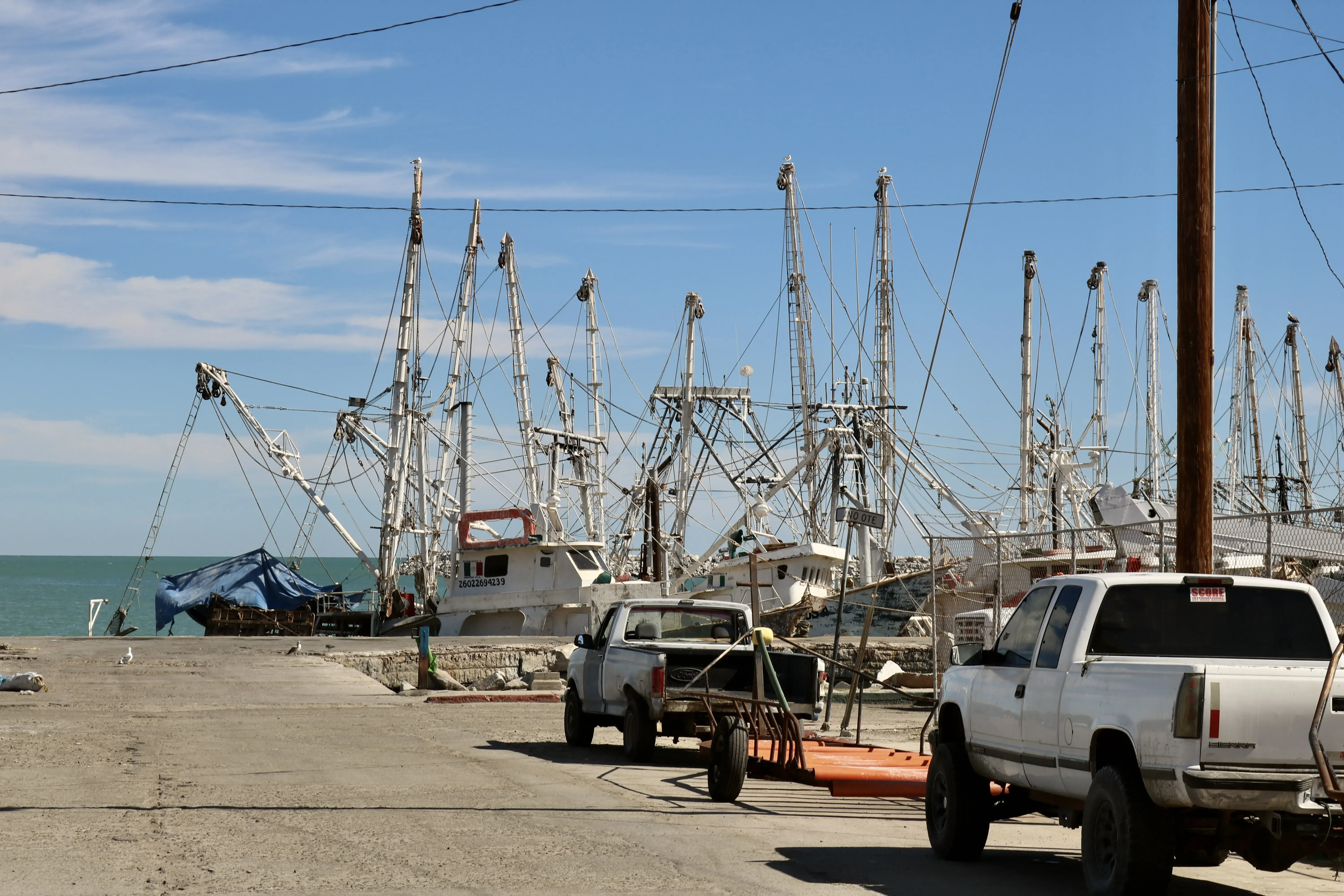
In the months prior, I’d learned that issues of marine conservation in the region were intricately intertwined with violence. Illegal poaching. Chinese black markets. Narco-trafficking. A fishing community leader recently executed in broad daylight in the town where I boarded the bus. And an intricate network of criminals waiting for me at my destination.
In my mind, these findings fed a single-minded certainty that I was here to report a story about how the world’s rarest marine mammal—the vaquita—faced extinction while caught in the crossfire of crime. Yet, when I boarded the bus nine days later to leave, I realized just how wrong I had been.

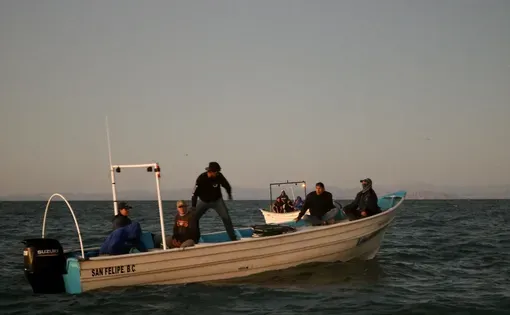
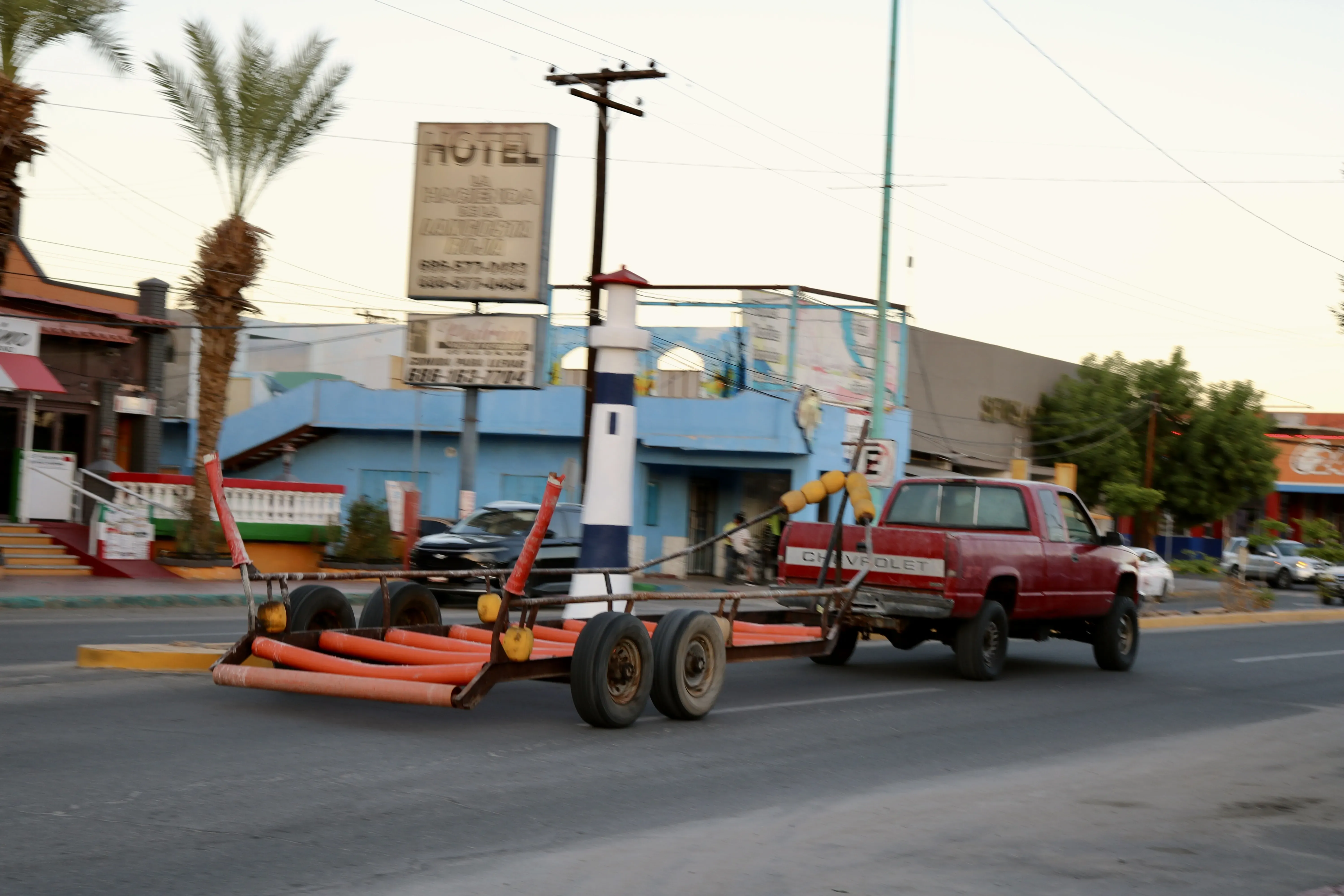
Though my time in San Felipe was not without tension—dodging packs of stray dogs known to have killed tourists, an unexpected fiery explosion in a neighboring home, and multiple sources shifting uneasily at the mere mention of illegality—I also saw another side. I had arrived expecting cartels, but instead found community.
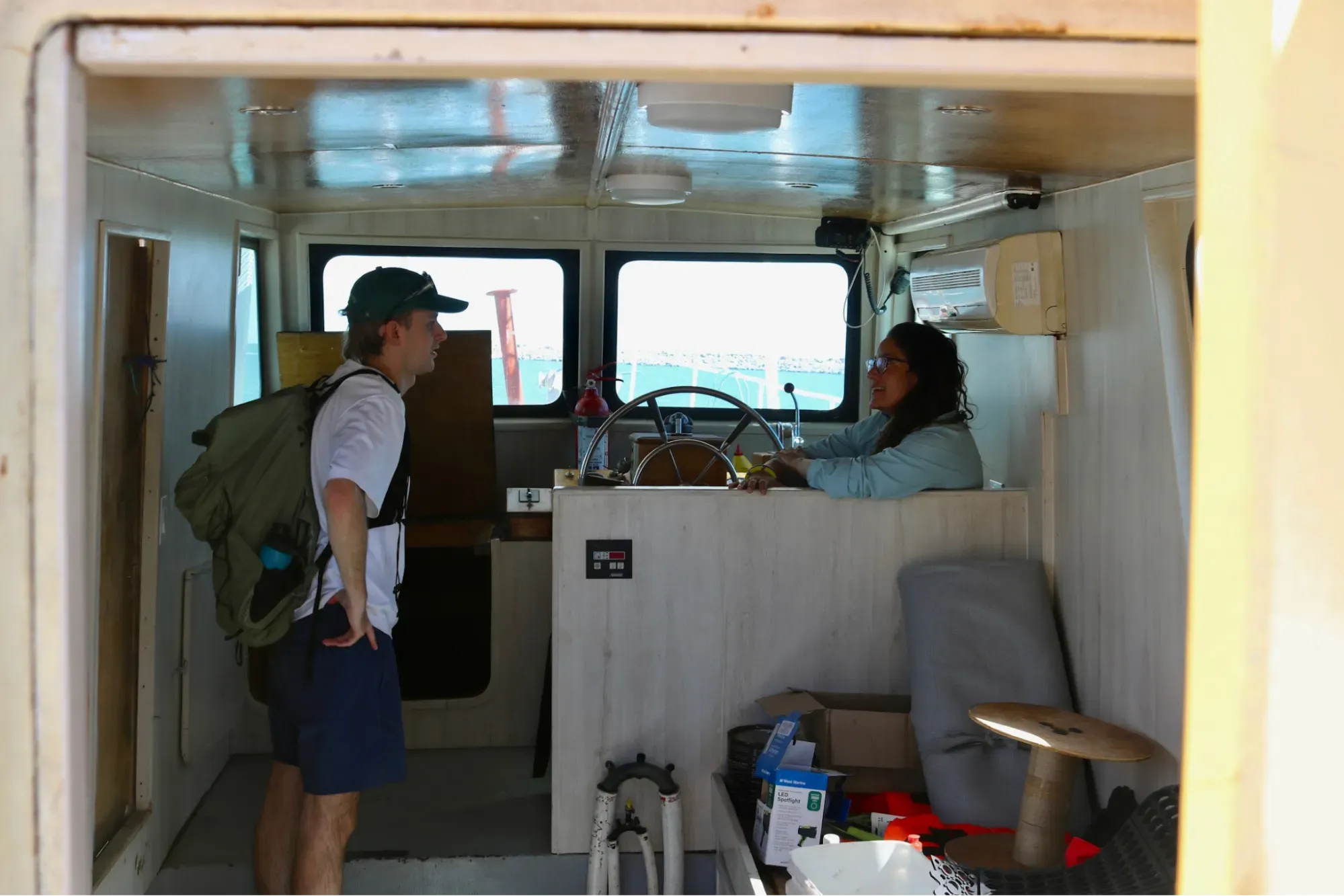
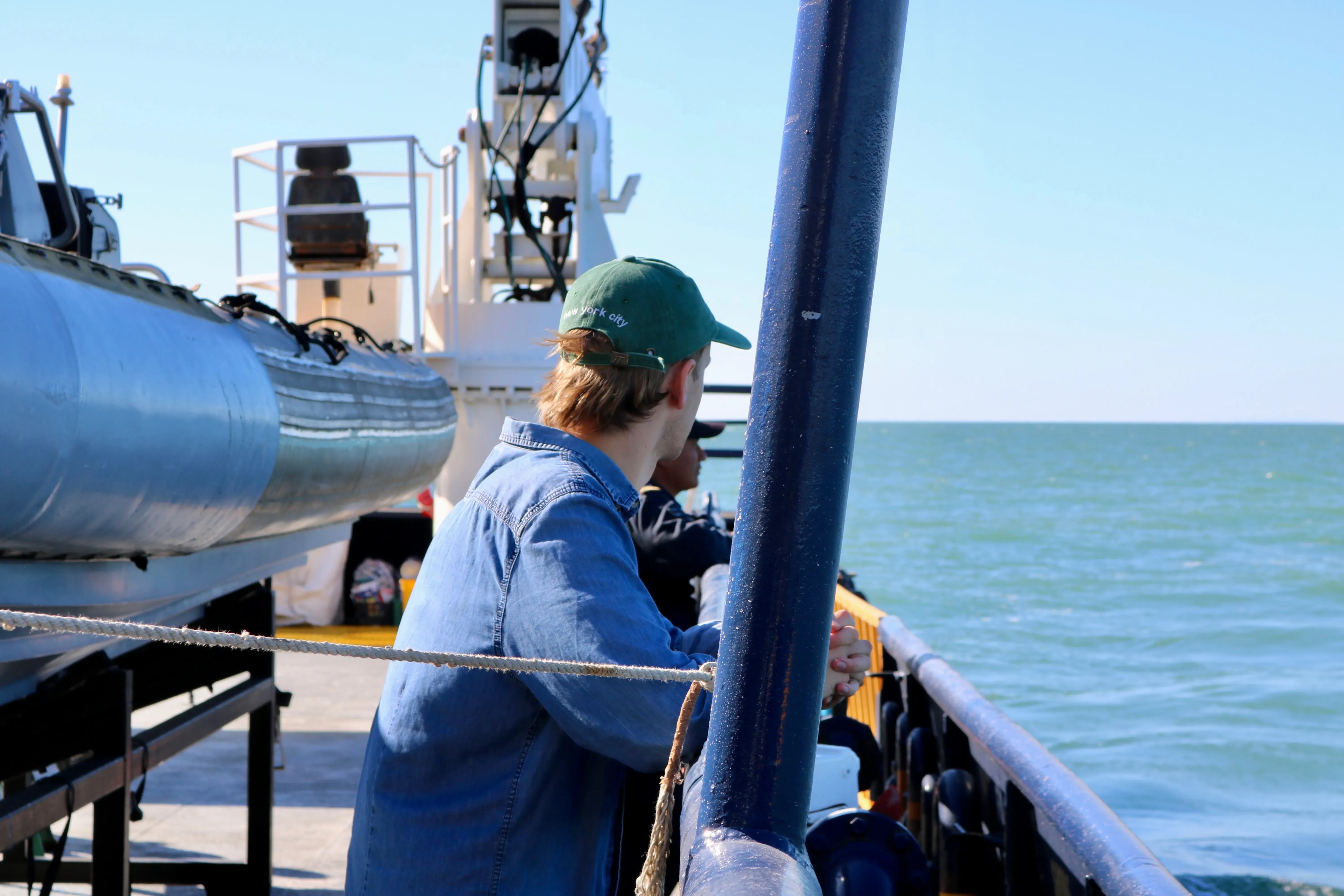
Three days after arriving, I stood aboard a Sea Shepherd Conservation Society’s research vessel, notebook in hand, and watched as local NGOs, fishermen, and naval officers corralled a 2-year-old sea lion back into the shimmering waters of the Sea of Cortez after a ghost-net disentanglement. High fives, fist bumps, and pats on the back floated among a mismatched crew of former enemies.
Reports online had reduced this immensely complex web of stakeholders to the lowest common denominator: disagreement. Yet, here before me, were individuals who all cared for the ocean and its life—just in their own distinct ways. Without being on the ground—and, indeed, out on the water—I would have failed to tell the story of these people, or of vaquita conservation, with any accuracy or empathy.
Finding hope and cohesion where I expected cynicism and crime, I was reminded of the dangers of entering a story with anything but a truly open mind. What I had mistaken for some kind of battleground was, in truth, a negotiation—delicate, human, and ongoing.
Conservation here isn’t the clean hero-villain narrative I’d prepared for. Instead, it is a constant improvisation between those who fish to survive and those who fight to protect what remains. Neither truly good. Neither truly bad.
As the same bus rattled back through the desert a week later, I watched the heat rise again from the salt flats. The mirage was still there, but I understood it differently now—no longer a trick of the light but a reminder of how easily distance can distort what we think we know.