

Project
METTLE
METTLE follows the journey of Liana Mutia, a blind judo athlete on a quest to create history at the...

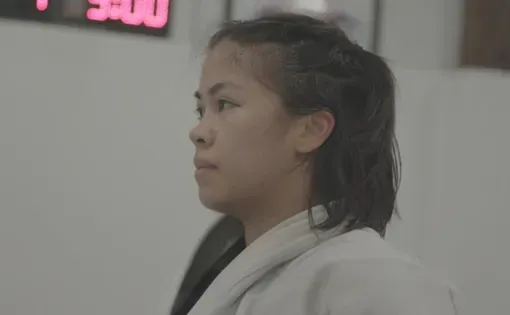
On a cold February afternoon in 2024 at the El Idrissi Judo Academy in Philadelphia, former world number one para judoka Liana Mutia, clad in a blue gi, gripped her opponent’s sleeve, and executed her signature “seoi nage” (shoulder throw) that echoed across the dojo. This was my first introduction to Liana Mutia—a blind judo Paralympian, training to medal at the 2024 Paralympics in Paris.
Judo is one of the only two martial arts sports featured in the Paralympic Games, and it wasn’t until the 2004 Summer Paralympics in Athens that women’s para judo made its official debut. Everything from the rules of the game to coaching methods and training routines is different in para judo vis-à-vis traditional judo. The curiosity into the world of a sport less talked about, combined with Mutia’s goal to create history, fueled the idea for our film, METTLE. We set out to follow the crucial months leading up to the biggest sporting event, to capture what it means to be a champion while navigating the complexities of life beyond the mat.
Our journey into the world of para judo deepened during our trip to Tbilisi, Georgia, where we filmed at the International Blind Sports Federation (IBSA) Judo Grand Prix. This tournament offered us a first glimpse into Mutia’s physical and mental processes while preparing for a high-stakes tournament: cutting weight, following a strict diet, and training alongside her fellow Team USA judokas. This experience allowed us to expand on the rules and accommodations of para judo within the film and provided a more layered understanding of Mutia’s fighting style. It also gave the audience an emotional anchor—a reason to truly root for Mutia.
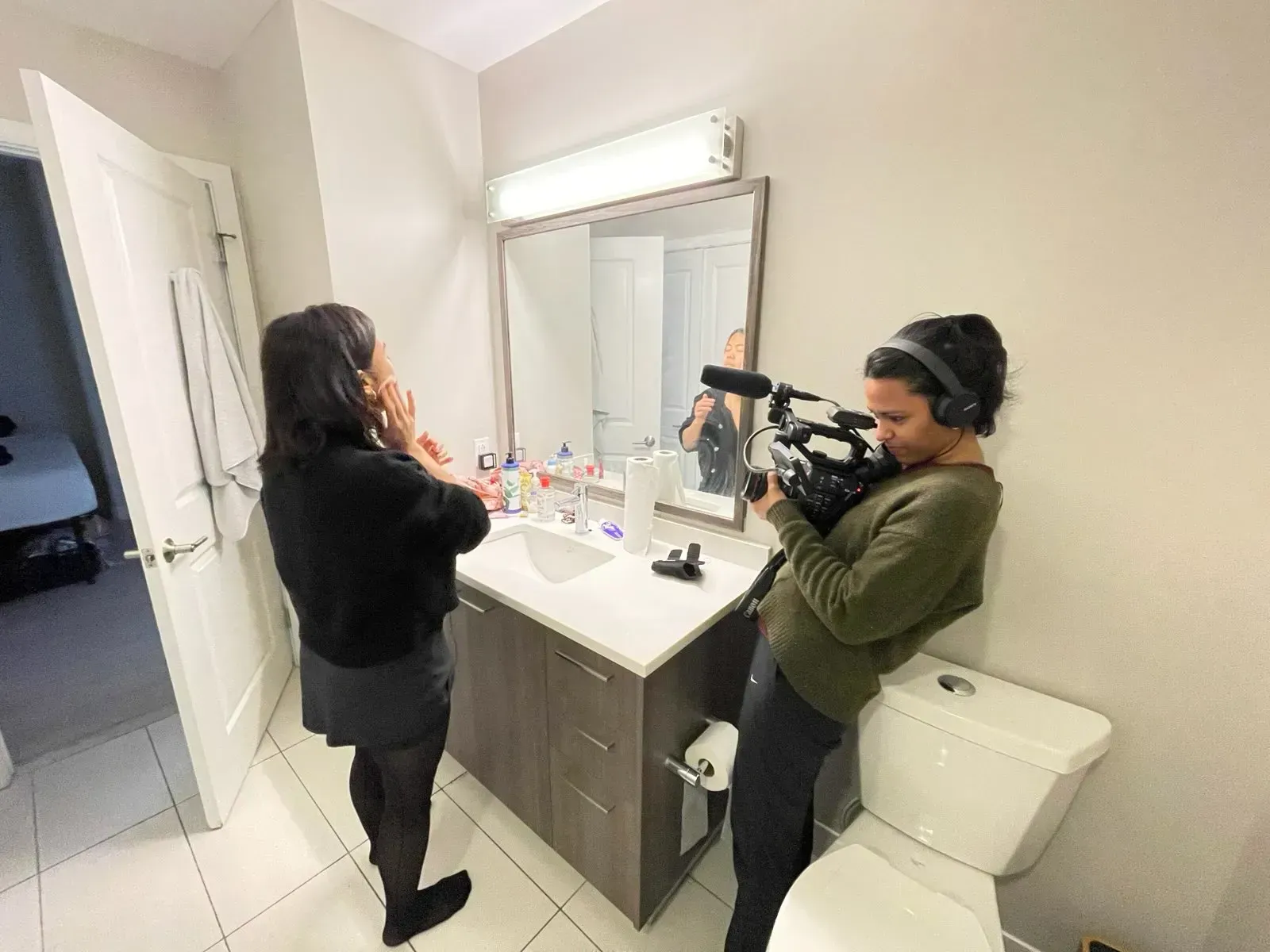
Throughout filming, we were constantly aware of the responsibility that comes with telling the story of a community we’re not a part of. The need to do justice to the representation of blind and visually impaired athletes was always top of mind and a reminder each time we stepped out to shoot.
Through many off-camera conversations with Mutia and other athletes featured in the film, we ensured that we were following the right practices. For instance, to create an audio description version of the film, we surveyed several blind athletes about their preferences. Many of them expressed a desire to avoid robotic narration. Some wished for the voice to narrate details in a more story-like manner, as opposed to simply communicating what’s presented on screen. Mutia expressed her preference for a female American voice, and therefore, we set out to create an audio description version of the film that was thoughtful, human, and aligned with their feedback.
One of the most significant challenges we faced during production was gaining access to the Paralympic Games, which we knew from the get-go would be a hurdle due to rights and accreditation. Despite numerous efforts, it became clear that we had to think of an alternative.
After multiple conversations and brainstorming sessions, it became evident that the true heart of the film wasn’t the final result but Mutia’s unwavering determination, challenges, and tumultuous journey. Regardless of how the competition ended, her journey stood on its own as a powerful story. And so, it felt right to conclude with her reflections on the entire journey.