Story
 November 25, 2025
A Brighter Future for Those Who Are Pregnant After Loss
Country:

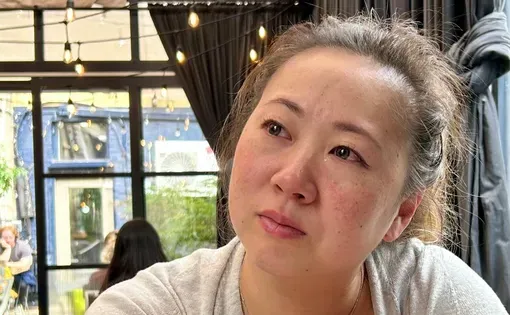
The emotional impact of a post-stillbirth pregnancy is often overlooked.
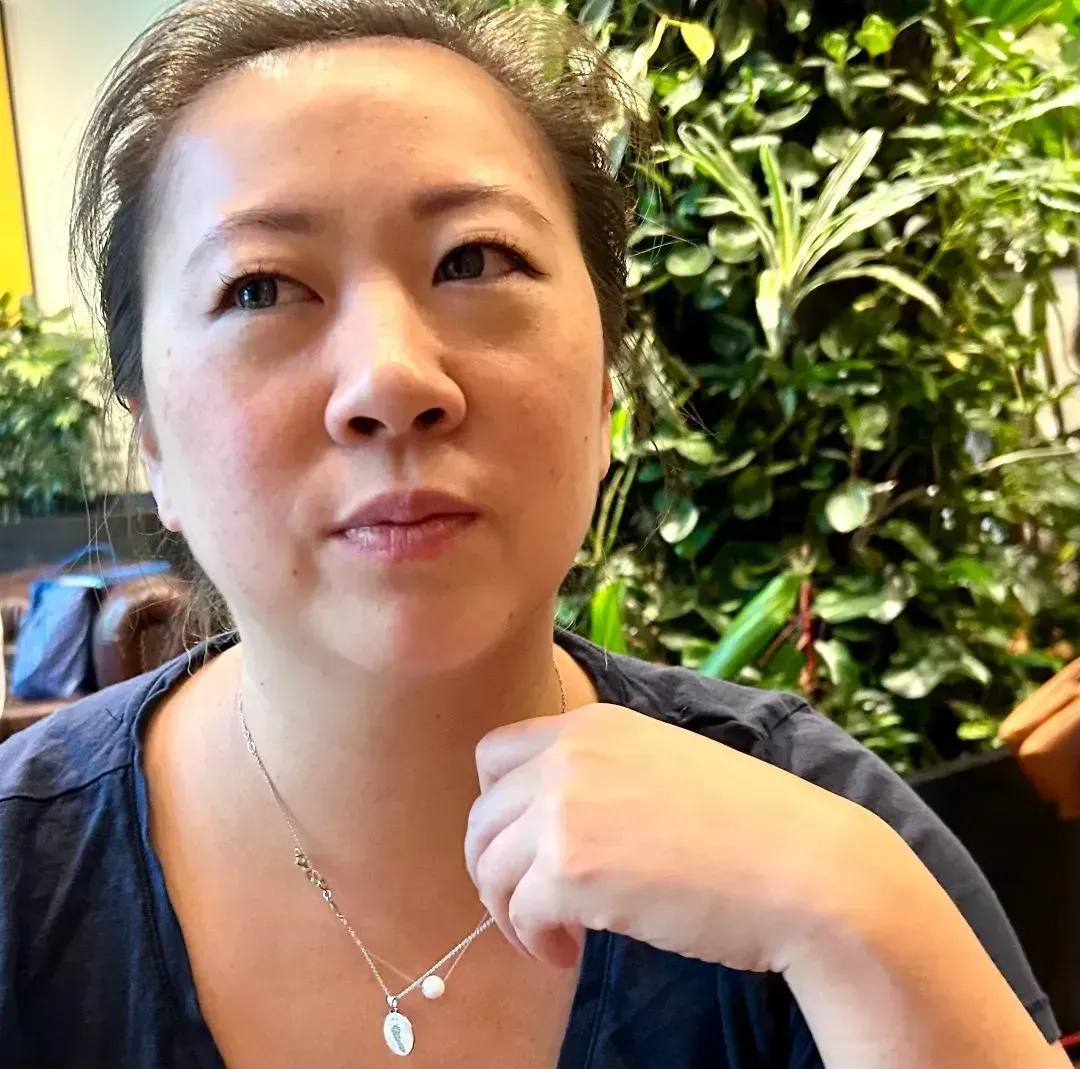
In the United States, approximately one in four pregnancies ends in miscarriage, and one in 175 pregnancies ends in a stillbirth. Most women become pregnant again within a year.
While a subsequent pregnancy after tragedy may appear to be a joyous occasion, some women describe it as anything but.
While I am nearly a decade past my fourth and final pregnancy, I haven’t forgotten the hollowed-out feeling after my second and third pregnancies ended in loss. Nor have I forgotten the inescapable anxiety that persisted throughout my fourth pregnancy.

As a nonprofit journalism organization, we depend on your support to fund more than 170 reporting projects every year on critical global and local issues. Donate any amount today to become a Pulitzer Center Champion and receive exclusive benefits!
I know the impact of pregnancy after loss on mental health because I’ve lived it. But in speaking with other women who share similar experiences, and the experts who care for those women, it’s clear to me that the connection between mental well-being and pregnancy after loss reaches beyond my own experience.
While my reporting centers on one mother, Stephanie Lee, I had the privilege of speaking with many women whose pregnancies ended with the words "there is no heartbeat," or who delivered a beautiful baby only to leave the hospital with empty hands and aching arms.
Each of them became pregnant again, and they described pregnancy after loss as the second-hardest thing they’ve been through, second only to the loss itself. They used words like "terrifying," "harrowing," and "petrifying" to describe pregnancy after loss. They talked about being afraid to use the bathroom, fearing they might discover blood. They discussed invisible grief and the sometimes paralyzing anxiety of carrying another baby they feared wouldn't live.
It made me wonder why the experience of pregnancy after loss is underreported, and why it is taking providers so long to notice, or to care.
When I heard about a New York City clinic that focuses on caring for women who are pregnant after loss, I wanted to learn more. I was curious about what the clinic was doing differently and if, from a patient’s perspective, it was as good as it sounded.
My conversations with current and former patients of the Mount Sinai Rainbow Clinic revealed that the benefits of frequent appointments and peer-to-peer support were often discussed, but one other oft-mentioned asset was working with providers who acknowledged loss, validated grief, and normalized both mental and physical challenges of pregnancy after loss.
In learning about a provider who acknowledges the challenges and complexities of pregnancy after loss, I am hopeful that improved care will not only continue in this one clinic, but that it will eventually be widely available and accessible.
Perhaps this is the beginning of a better future for those who have experienced the worst pregnancy outcome.