Investigating environmental degradation in the Brazilian rainforest


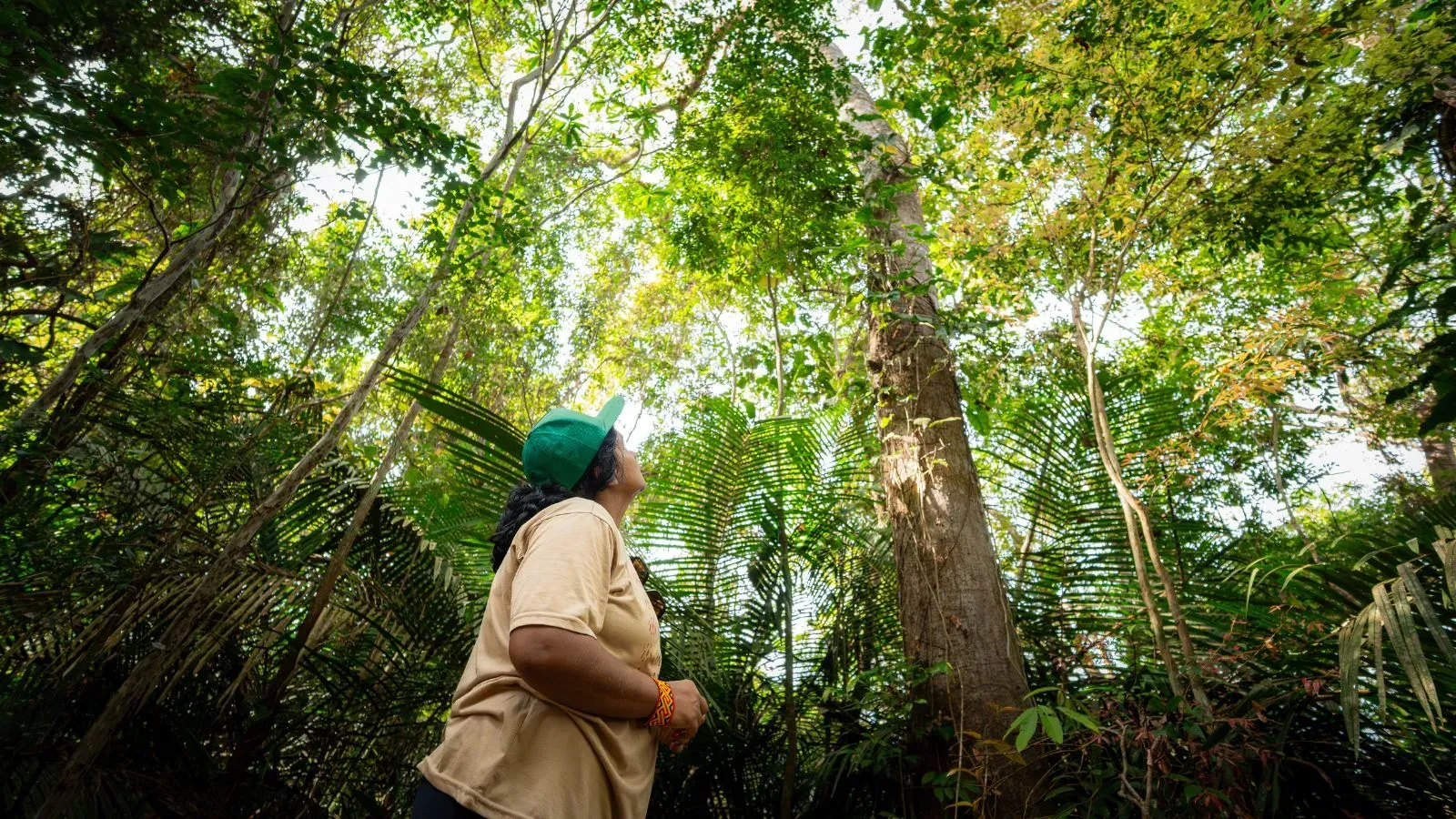
Bringing Rainforest Reporting to Decision-Makers at COP30
For the first time this year, COP, the U.N. Climate Change Conference, will be held in the Amazon rainforest region. Many Pulitzer Center staff, grantees, and Fellows are in Belém, Brazil, right now for what we hope to be a decisive international dialogue about the future of our planet.
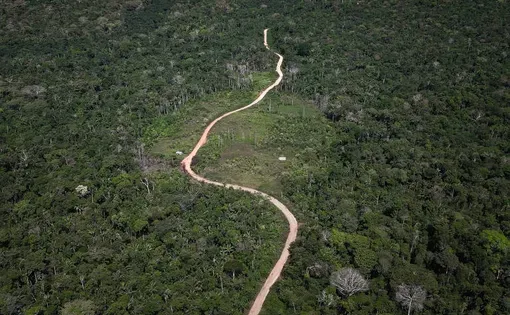
The Pulitzer Center believes that combining journalism with engagement can inform real-world change. We saw this proven again last week, when a Pulitzer Center-supported story prompted NGOs to call on the Brazilian Federal Supreme Court to investigate publicly-funded deforestation in the Amazon. A Folha de S.Paulo story by Rainforest Investigations Fellow Flávio Ferreira, with reporter Jullia Gouveia and photographer Henrique Santana, revealed that a Brazilian congressman used funds from congressional amendments for heavy machinery to pave an illegal road in the rainforest through his family’s land, causing deforestation and invading Indigenous territory. This prompted anti-corruption organizations to file a petition calling for a federal probe.
Since the Pulitzer Center’s Rainforest Investigations Network and Rainforest Reporting grants were started, we have supported more than 800 stories and 60 year-long fellowships focused on these unique life-giving ecosystems, threats against them, and solutions for conservation. Some of our recent stories highlight Indigenous forest guardians displaced by nickel mining in Indonesia and pioneering research to use AI to determine the viability of native seeds.
We are also developing innovative methods and tools for rainforest reporting, such as Amazon Mining Watch. Built in collaboration with Earth Genome and Amazon Conservation, journalists can use this AI-powered satellite imagery data platform to monitor the advance of gold mining in the Amazon. At COP30 next week, we will release a new version, including a dashboard which allows more powerful insights about the impacts of mining. This tool has aided multiple investigations into deforestation, and is one of many rainforest reporting resources you can find for free on our website here.
With EARTHDAY.ORG, we will be hosting the Underreported Earth: Tree Tales series featuring conversations with Pulitzer Center grantees on their powerful stories from across the globe from November 17-19. The Guardian’s Tracy McVeigh will go behind the scenes with investigative journalists to discover how they uncovered compelling stories about deforestation and conservation.
If you are coming to Belém, come and meet us at our COP30 events! You can also follow along with our COP30 email updates and on social media.
Whether it’s by reading environmental reporting or getting involved with community events, we encourage you to engage with environmental stories during COP30.
With hope from Belém,

Impact
Rainforest Investigations Network Fellow Sasha Chavkin’s project Deforestation Connections and "Green Loans" has prompted new developments in Mississippi. Earlier this year, Chavkin reported on how energy company Drax secured hundreds of millions of dollars in green loans, financial incentives meant to promote sustainability, even as residents in Gloster, Mississippi, alleged pollution from its plant was making them sick.
Now, The Guardian reports that Gloster residents have filed a lawsuit against Drax Biomass. The lawsuit comes after Mississippi regulators’ decision to let the company increase its emissions.
Read more about Chavkin’s findings here.
Photo of the Week

This message first appeared in the November 7, 2025, edition of the Pulitzer Center's weekly newsletter. Subscribe today.
Click here to read the full newsletter.
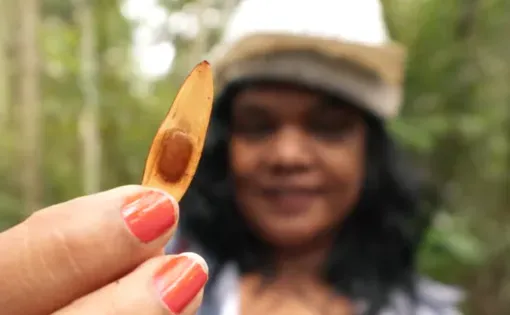
This reporting project will explore how AI aids seed viability for forest restoration in Tapajós...


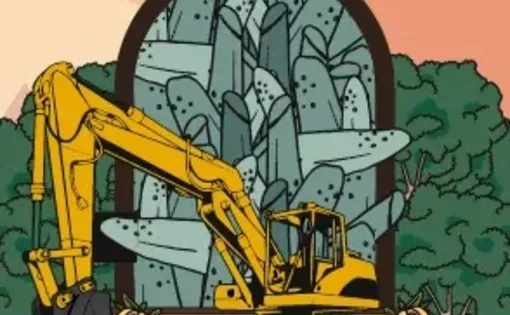
An Indonesian Indigenous tribe is threatened by large-scale nickel exploitation.


Sasha Chavkin will examine China’s exposure to commodities linked to deforestation, including...