


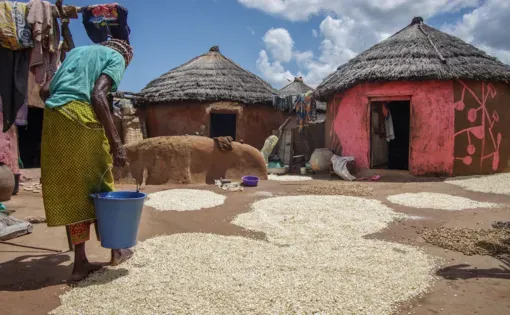
In northern Ghana, hundreds of women live in exile—condemned to “witch camps.”
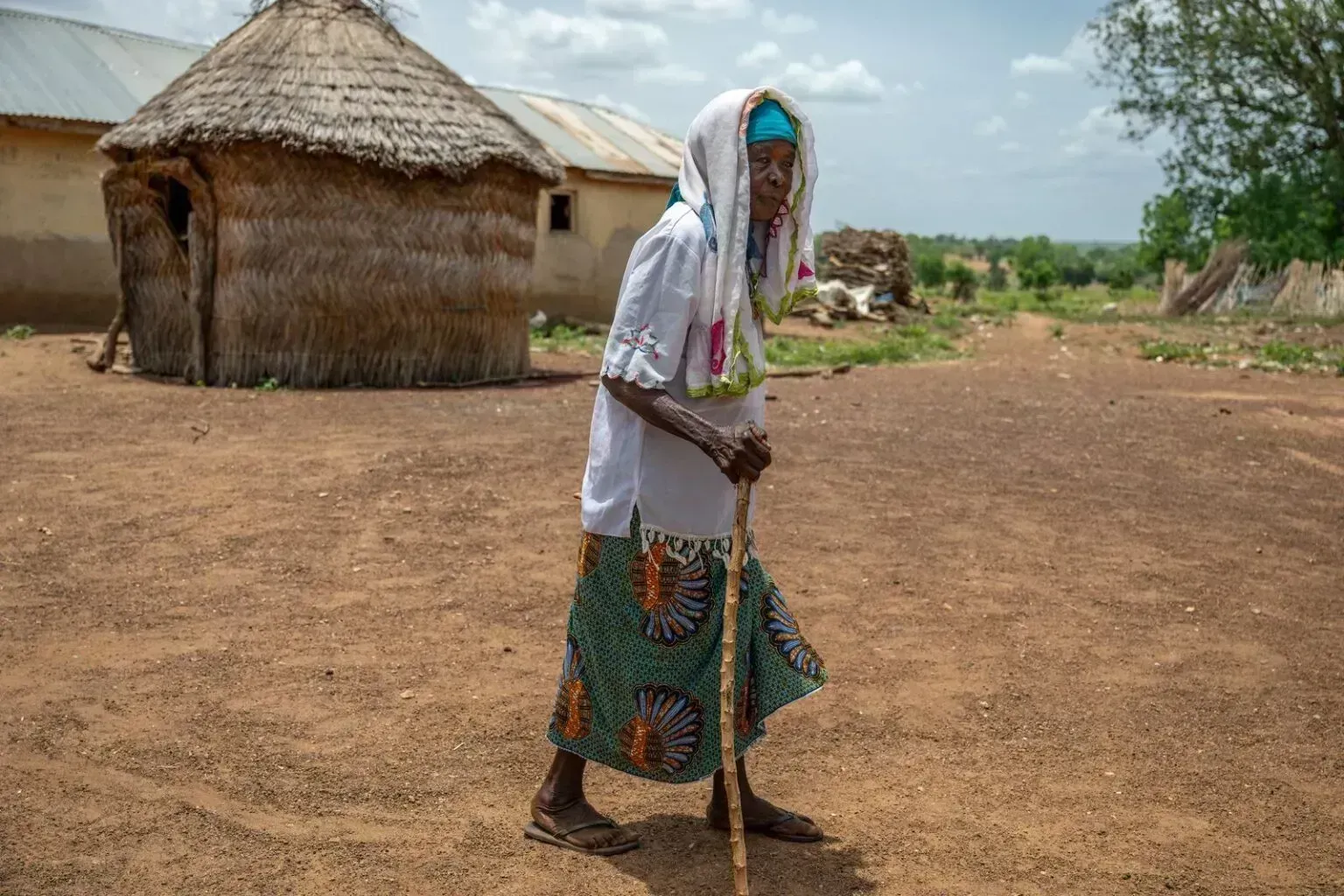
Bachalbanueya has spent more than forty years in exile. Now in her eighties, she sits quietly outside her crumbling mud-brick hut in the Gambaga camp in northern Ghana. She arrived here after being accused of witchcraft by her husband’s co-wife following his death—a moment of grief weaponized into a lifetime of banishment.
Her story is not unique. Across northern Ghana, hundreds of women have been cast out of their communities after being accused of witchcraft—often for reasons that defy logic: a child’s illness, a failed harvest, a family dispute, a bad dream. Most are elderly, widowed, poor, or otherwise vulnerable, with no sons or male relatives to protect them. Accused women often find themselves in one of the country’s six so-called “witch camps,” which function as both refuge and prison.
“Do you believe yourself to be a witch?” I asked an elderly woman in Gambaga during my first visit in 2009. Before she could answer, my translator—who was related to the local chief—interrupted: “Of course she’s a witch. Why else would she be here?” The question was left untranslated. The woman’s voice was silenced once again.

As a nonprofit journalism organization, we depend on your support to fund more than 170 reporting projects every year on critical global and local issues. Donate any amount today to become a Pulitzer Center Champion and receive exclusive benefits!
“It is violence against women, nothing but violence against women,” says Professor John Azumah, executive director of The Sanneh Institute, which has long supported survivors. “People believe that witchcraft itself is not evil—but witchcraft in the hands of a woman is evil. They think men use it for good, and women for harm.”
July marked five years since the brutal lynching of 90-year-old Akuah Denteh, who was falsely accused of witchcraft and beaten to death in a crowded market in the town of Kafaba. The footage, which circulated widely, shocked the nation and galvanized public support for legal reform. Her death became a symbol of the deadly consequences of superstition and gender-based violence.
Now, for the first time in years, there is a glimmer of hope. A landmark piece of legislation—the Anti-Witchcraft Bill—has been reintroduced in Ghana’s Parliament. If passed, it would criminalize witchcraft accusations and offer legal protection to those targeted. Crucially, it would also establish a framework to support the reintegration and long-term safety of those forced into exile.
The bill was initially passed in July 2023 but stalled after Ghana’s former president refused to sign it into law. Reintroduced in March 2025 under a new administration, it is now scheduled for debate—offering what campaigners believe may be a final, pivotal chance to enact change.
Camps Without Walls
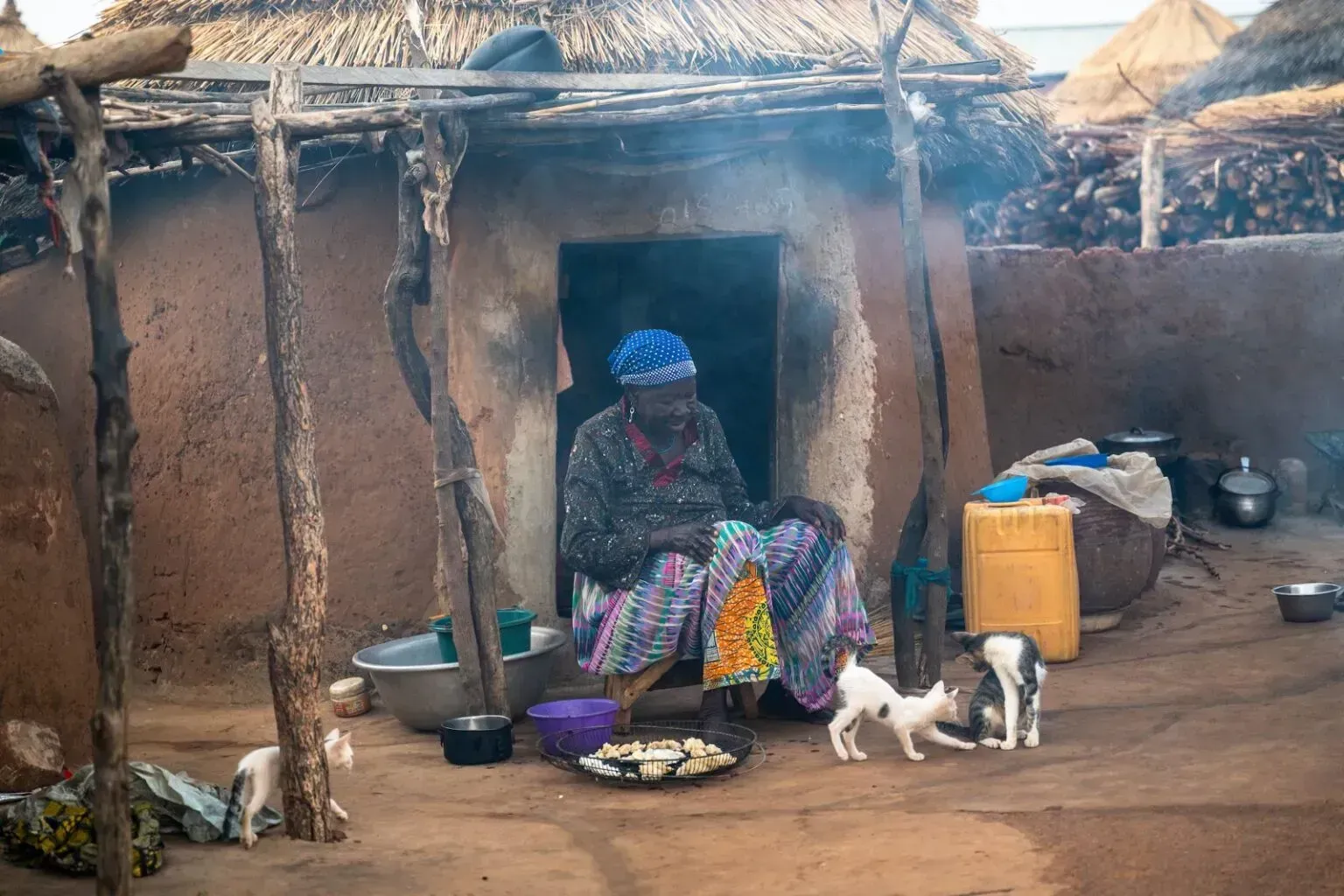
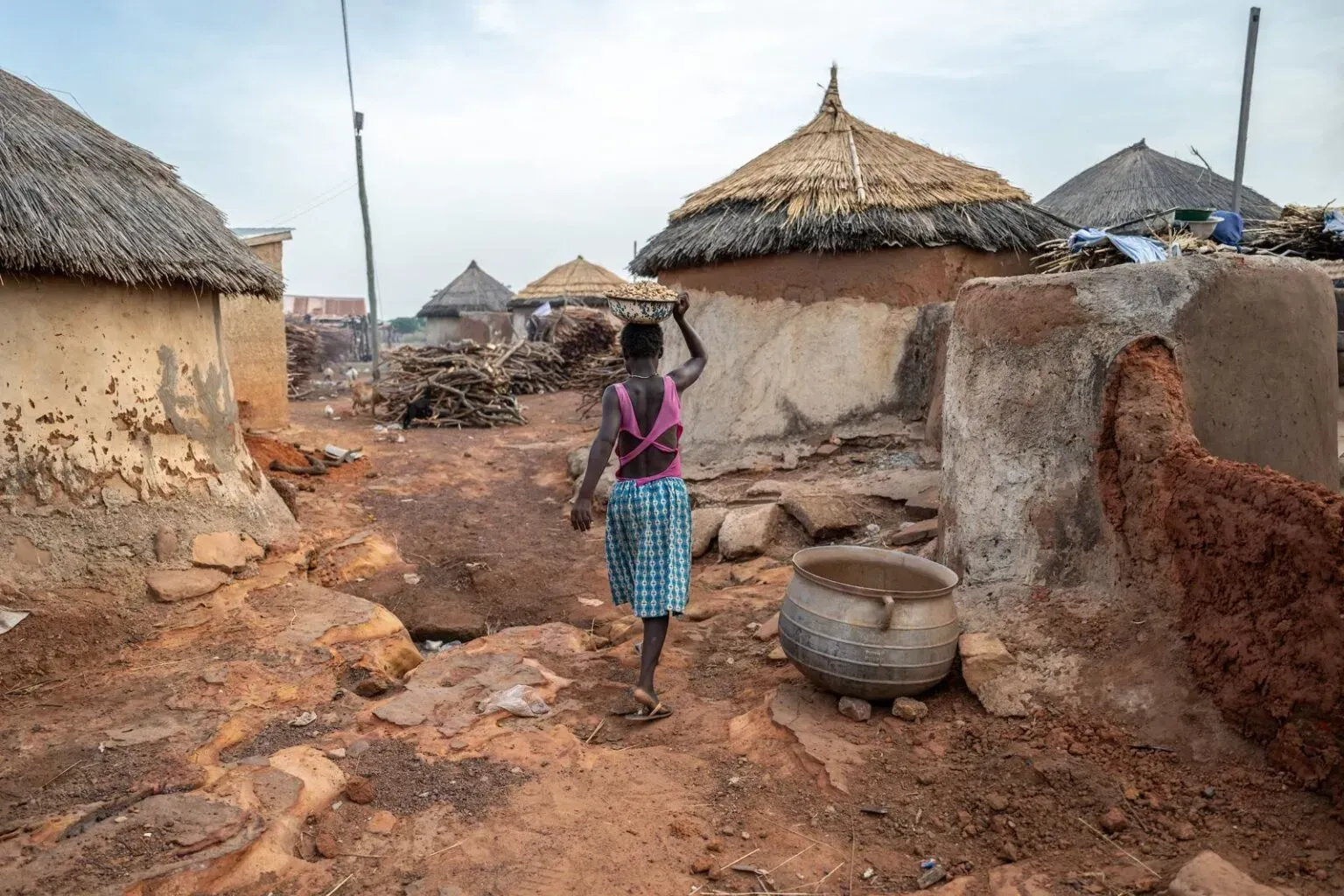
Ghana’s six remaining “witch camps”—in places like Gambaga, Kpatinga, Gnani, and Nabuli—are often described as sanctuaries. In reality, they are sites of forced exile. Though there are no fences or gates; the women do not feel free to leave. Many believe that returning home would bring death, illness, or misfortune—while others face very real threats of violence.
Life in the camps is harsh. Women sleep on dirt floors in makeshift huts, living on sparse donations from NGOs, the church, or the charity of strangers. Clean water, healthcare, and food are unreliable. Basic sanitation is lacking. Children who arrive with their mothers or grandmothers are often bullied in school or pulled into street work, stigmatized as “witches’ children.”
The emotional toll is profound. Many women were violently attacked in their communities before fleeing. Others were quietly escorted away by relatives eager to rid the family of bad spirits. The accusations are often triggered by unexplained illnesses, sudden deaths, or disputes over land and inheritance. But behind each one lies a deeply patriarchal worldview in which women—especially those without male protectors—are easy scapegoats.
Even “cleansing” rituals, performed to absolve women of alleged witchcraft, offer little reprieve. These ceremonies can cost more than a thousand Ghanaian cedis, requiring the slaughter of a ram and chicken, fees for traditional priests, and public rituals. For most women, such costs are unmanageable. And even when the rituals are performed, the social stigma remains.
Exploitation in Plain Sight
The camps are also sites of exploitation and abuse. Some women are forced to work without pay, fetching water or farming for community leaders and priests. There are credible reports of sexual abuse, and in at least one documented case, a priest fathered children with multiple women in a camp.
Even humanitarian aid does not always reach its intended recipients. Community leaders—who often control the camps—have been accused of diverting food and money for their own use. As Professor Azumah notes, “These are not safe havens. They are places where society has abandoned its most vulnerable.”
Hope, and a Way Forward
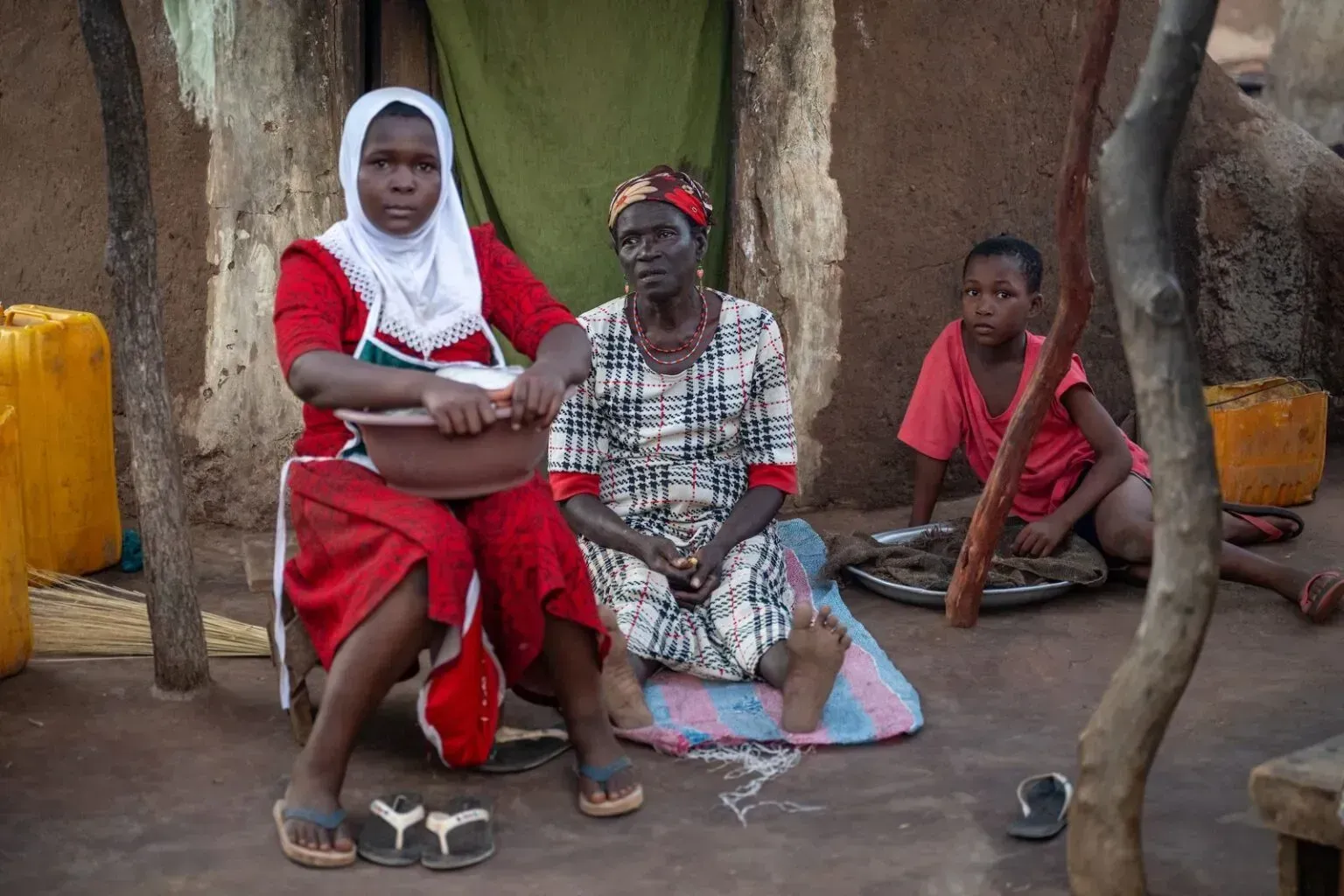
The Anti-Witchcraft Bill would outlaw the naming or accusing of someone as a witch. It would criminalize the spiritual consultations that often trigger such accusations, hold ritual practitioners legally accountable, and empower police and social workers to intervene in cases of abuse. Crucially, the bill also lays the groundwork for reintegration programs to support survivors as they return to society.
This bill, when passed, will also be a step further in helping the country meet the Sustainable Development Goals (SDG) 5 and 10. The 2030 Agenda for Sustainable Development, adopted by United Nations member states, provides a plan for peace and prosperity for people and the planet.
Goal 5 emphasizes the achievement of gender equality and the empowerment of women and girls. It considers gender equality not only as a fundamental human right, but an opportunity for a prosperous and sustainable world. Goal 10 looks to address inequalities and discrimination.
Civil society organizations including ActionAid Ghana, Songtaba, and The Sanneh Institute have long advocated for these reforms, providing everything from community education to safe housing. Amnesty International has also urged Ghana’s Parliament to pass the bill without delay, warning that failure to act would put hundreds of women at risk.
Yet even among supporters, there is caution. Passing the law is only the first step. Real change will require coordinated implementation, adequate funding, and long-term commitment from both government and civil society.
“The accusation is the beginning of everything,” says Professor Azumah. “If we stop it at the source, we can start to address the issue over time. We are not going to relent. We are going to keep pushing until this bill becomes law.”
A Nation at a Crossroads
Ghana now stands at a crossroads. The debate over the Anti-Witchcraft Bill is not just about superstition—it is about women’s rights, state responsibility, and the power of law to reshape cultural norms.
For survivors like Bachalbanueya, the bill may come too late to reclaim all that was lost. But whether Ghana chooses to act now—or allow fear and silence to prevail—will determine not only the fate of women like her, but the moral direction of the nation itself.
 View this story on More to Her Story
 View this story on The Savanna Online