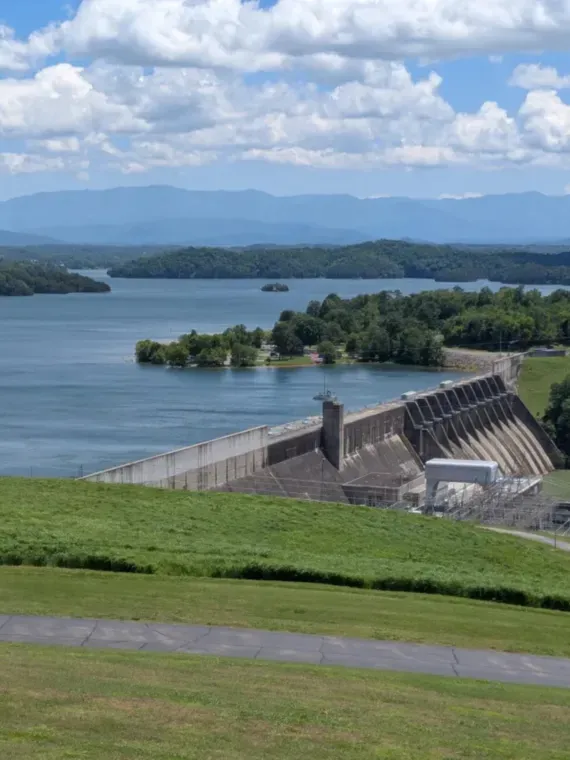

During heavy rains from Tropical Storm Helene in 2024, much of Western North Carolina saw devastating floods that sometimes overwhelmed aging dam infrastructure or forced releases of water to prevent dam failures, causing flooding downstream.
Back in the 1960s, the Tennessee Valley Authority considered a comprehensive dam system on the French Broad River system in Western North Carolina that could have changed outcomes in 2024, but financial and environmental concerns prevented that project from ever being undertaken.
Today a complex set of questions about best water control options confronts a region that is subject to more frequent and more intense storms with heavy rainfall than ever before. But views vary about the best option on any water system—dam improvement, dam removal, additional dams, or other measures to prevent future flooding. Finding practical fixes to prevent the same type of devastation that occurred during Helene is complicated by different understandings of the science, conflicting political agendas, and the lack of harmony between local, state, and federal public officials, as well as grassroots activists.
Even so, innovative and promising solutions are available if one is willing to identify appropriate options for specific situations and not impose solutions that may not fit a given river's ecology or economy.