Pulitzer Center Update April 10, 2026
Webinar On-Demand: 'Reporting Iran: Hopes, Fears, and What Happens When the Bombing Campaign Ends'
Country:

Project
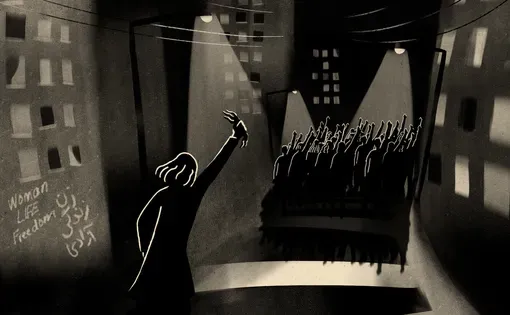
'The Smallest Power'
A film provides a window into an Iranian woman’s journey as the Islamic Republic faces a...

“We shed blood, we lost lives, we paid the price as well. But we managed to push these boundaries. Little by little. We managed to progress in what we wanted to achieve. But now, simply, we don't have a street to go fight.”
These are the words of Elahe Esmaili, an Iranian filmmaker and Pulitzer Center grantee, who talked about how the bombing campaign by the United States and Israel has set peaceful protesters back years in progress.
Esmaili spoke alongside fellow filmmaker Andy Sarjahani and Politico senior foreign affairs correspondent Nahal Toosi as part of the Pulitzer Center webinar "Reporting Iran: Hopes, Fears, and What Happens When the Bombing Campaign Ends."
Moderated by Pulitzer Center senior editor Tom Hundley on March 25, 2026, the panel touched on the difficulties of reaching loved ones within Iran, the fractured diaspora, challenges to peaceful resistance, hopes for the future, and the potential for change.
“We have seen decades of these rising authoritarians who have become so much stronger and so much smarter about staying in power,” Toosi said. “People who want to take down authoritarian systems are going to have to come up with some better tactics if they don't want to resort to military force. And as we're seeing, even military force doesn't necessarily mean a regime will fall.”
The webinar began with a viewing of excerpts from Sarjahani's and Esmaili’s documentaries The Smallest Power and A Move, which set the tone for the conversation. Panelists then responded to questions from the over 150 attendees.
Post-event surveys reflected that 80% of attendees agree or strongly agree that, "... I increased my understanding of the background and impacts of the current bombing campaign in Iran." Over 93% agreed that they would recommend this webinar to others in their community.
Afterward, one audience member wrote in the survey: “I learned about the deeper political and humanitarian impact of the bombing campaign in Iran, especially how it affects civilians and journalists on the ground. The session helped me understand how media narratives are shaped and the challenges reporters face in conflict zones."
“I am just in awe of the individuals who were in conversation and cannot wait to delve more into their work,” wrote another. “I really appreciated your sharing clips of the two documentaries at the beginning."
Project
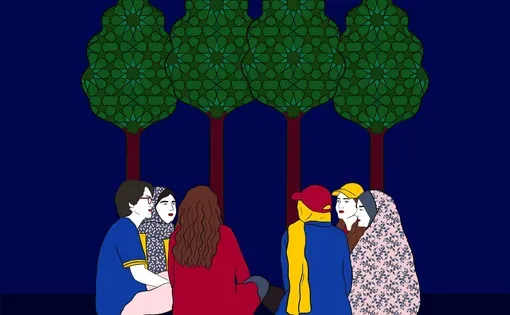
'A Move'
"A Move" follows an Iranian filmmaker who stopped wearing a hijab.


