Pulitzer Center Update March 20, 2026
Hope for Peace as Iranians Mark New Year Holiday
Country:

Project
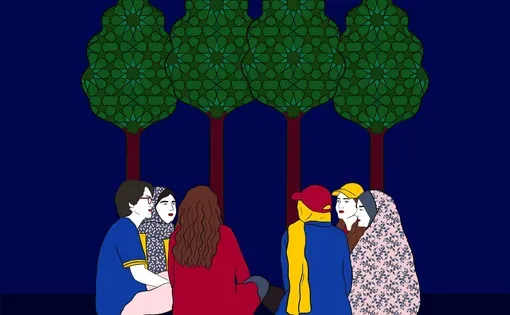
'A Move'
"A Move" follows an Iranian filmmaker who stopped wearing a hijab.


This week, Iranians and the diaspora of communities with Persian heritage join millions of people from over half a dozen countries throughout Central Asia in celebrating Nowruz, the new year celebration that translates to “new day” in Farsi.
It’s a holiday rooted in the religion Zoroastrianism, which is thousands of years old, and marks both the first day of spring and the start of a new year. The United Nations describes International Nowruz Day as “... a festival that reinforces bonds within families, communities, and even between nations.”
As a child of immigrants from Iran, I celebrated Nowruz every year with my immediate family and our small community of Iranians and Iranian Americans in suburban Ohio. We cleaned. We collected the items for our Haft-Sin displays, a table set with seven (haft) items, each representing a wish for the new year. We cooked fresh herbs into delicious stews and rice, and we gathered to eat, dance, and talk into the night.
We spent hours calling our family members all over the world, sometimes dialing family in Iran again and again until the call went through and I could quickly tell my grandparents, “Eid e shamah Mubarak” or “May your celebration be blessed.”
As I prepare for Nowruz this year, the emotions are heavy.
I am thinking about the swell of protests by Iranians, beginning in late 2025, against the actions of Iran’s leadership, protests that were built on decades of dissent against human rights abuses by the Iranian government amid increasingly challenging economic and environmental realities.
I’m thinking about how those protests resulted in the killings of tens of thousands of Iranians by government forces, and how this violence was followed by a coordinated attack on Iran by the United States and Israel that continues today. Bombings have killed and injured thousands in nearly a dozen countries.
I am thinking about how Iranian communities feel as they are preparing their Haft-Sins. What are they wishing for during Nowruz amid an uncertain future?
As I reflect and connect with my community this new year, I am reminded of values that are central to this celebration: reflection, connection, and hope.
These values are also central to the mission of the Pulitzer Center, where we support breakthrough journalism and audience engagement that provide important context, amplifies the voices of communities most impacted by systemic issues, and endeavor to find and share the information needed to inspire action.
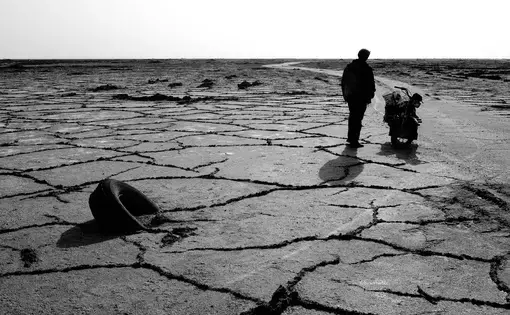
There is 2016 Persephone Miel Fellow Ako Salemi’s photo project Climate Change in Iran, which visualizes how Iranian communities are navigating increasingly common droughts. Grantee Reese Erlich’s 2020 project, United States and Iran: Back from the Brink of War, documents the impact of U.S. sanctions on Iran’s communities while providing background information on how those sanctions were part of decades of political conflict between the U.S. and Iran.
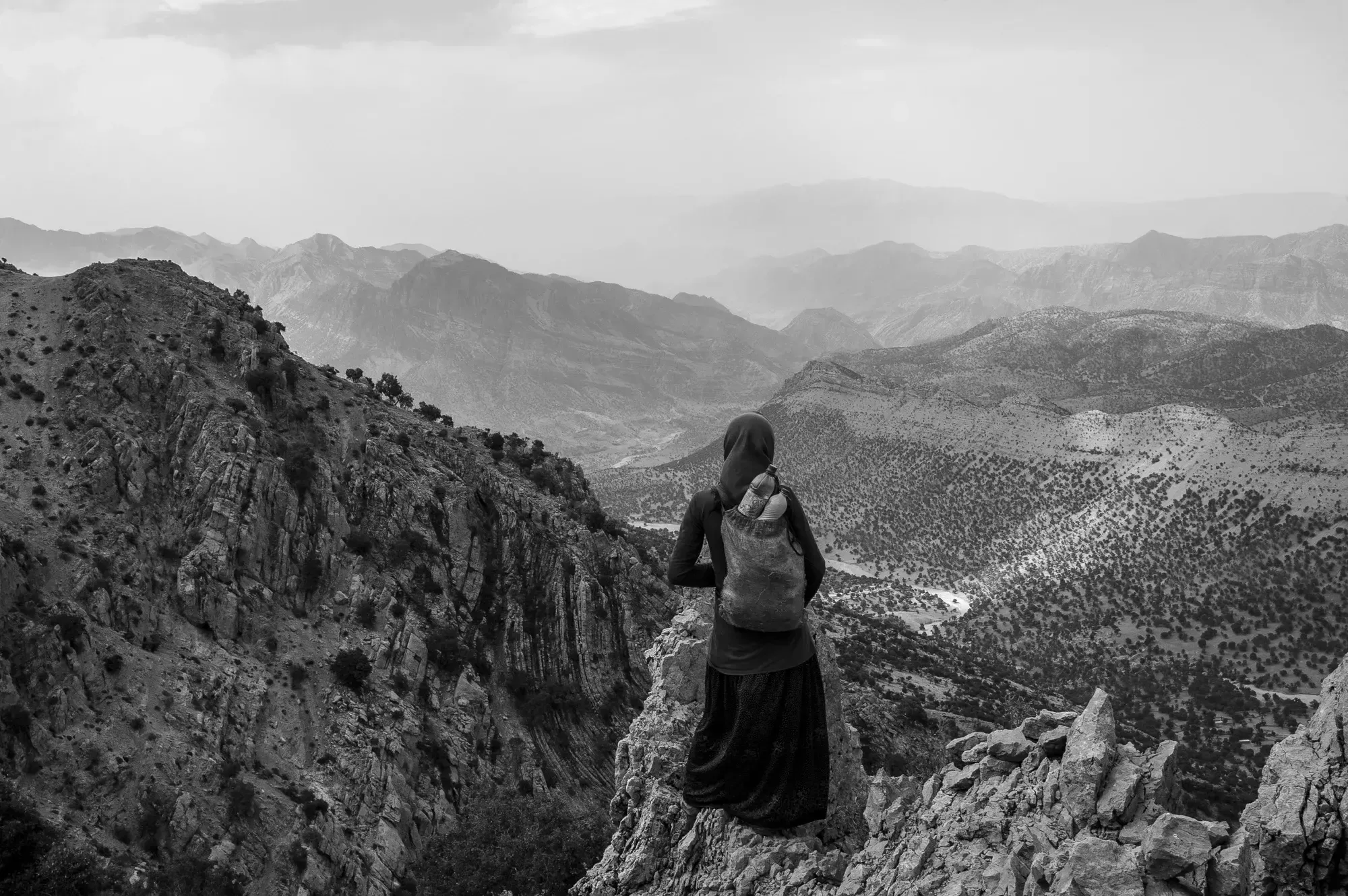
Grantee Enayat Asadi’s 2022 story “Photos: In this Nomadic Tribe in Iran, the Women Persevere Despite Hardships” profiles how members of the Bakhtiari minority ethnic group living in rural areas are adapting their traditions to changing political and environmental realities.
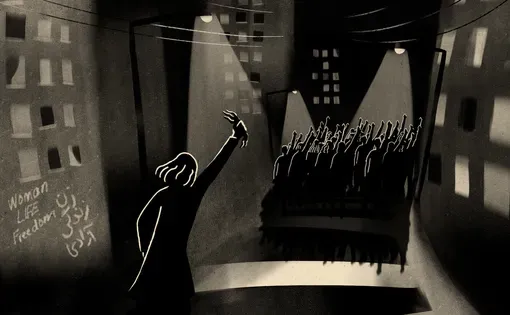
And in 2024, grantees Andy Sarjahani and Elahe Esmaili produced the short films The Smallest Power for The New Yorker and A Move for The New York Times, respectively, reflecting how multiple systemic issues intersect with the lives of women in Iran.
On Wednesday, March 25, 2026, at 12:30pm EDT, Esmaili and Sarjahani will join Pulitzer Center Senior Editor Tom Hundley and Politico Senior Foreign Affairs Correspondent Nahal Toosi for the free webinar “Reporting Iran: Hopes, Fears, and What Happens When the Bombing Campaign Ends.”
The event aims to center the voices of Iranians and the Iranian diaspora, surface questions, and, most importantly, provide a space for connection and reflection. I hope you’ll join me there! Here is the link to register.
Whether you're celebrating Nowruz or just spring cleaning, I hope you get a chance to connect with loved ones near and far and cultivate your own wishes for the year ahead.
I’m wishing for a safe and stable future in Iran, one that is rooted in the wishes of Iranians globally, and for all of us to live in a world that is increasingly more peaceful.
This message appeared in the March 20, 2026, edition of the Pulitzer Center's weekly newsletter. Subscribe today.
Project
'The Smallest Power'
A film provides a window into an Iranian woman’s journey as the Islamic Republic faces a...

How are ordinary Iranians reacting to heightened tensions with the U.S.?