Pulitzer Center Update November 21, 2026
Intertwined Histories: Legacies of Slavery and Colonization
Country:

The Pulitzer Center is proud to partner with The New York Times Magazine on The 1619 Project to...

Examining Legacies of Slavery and Colonization This Native American History Month
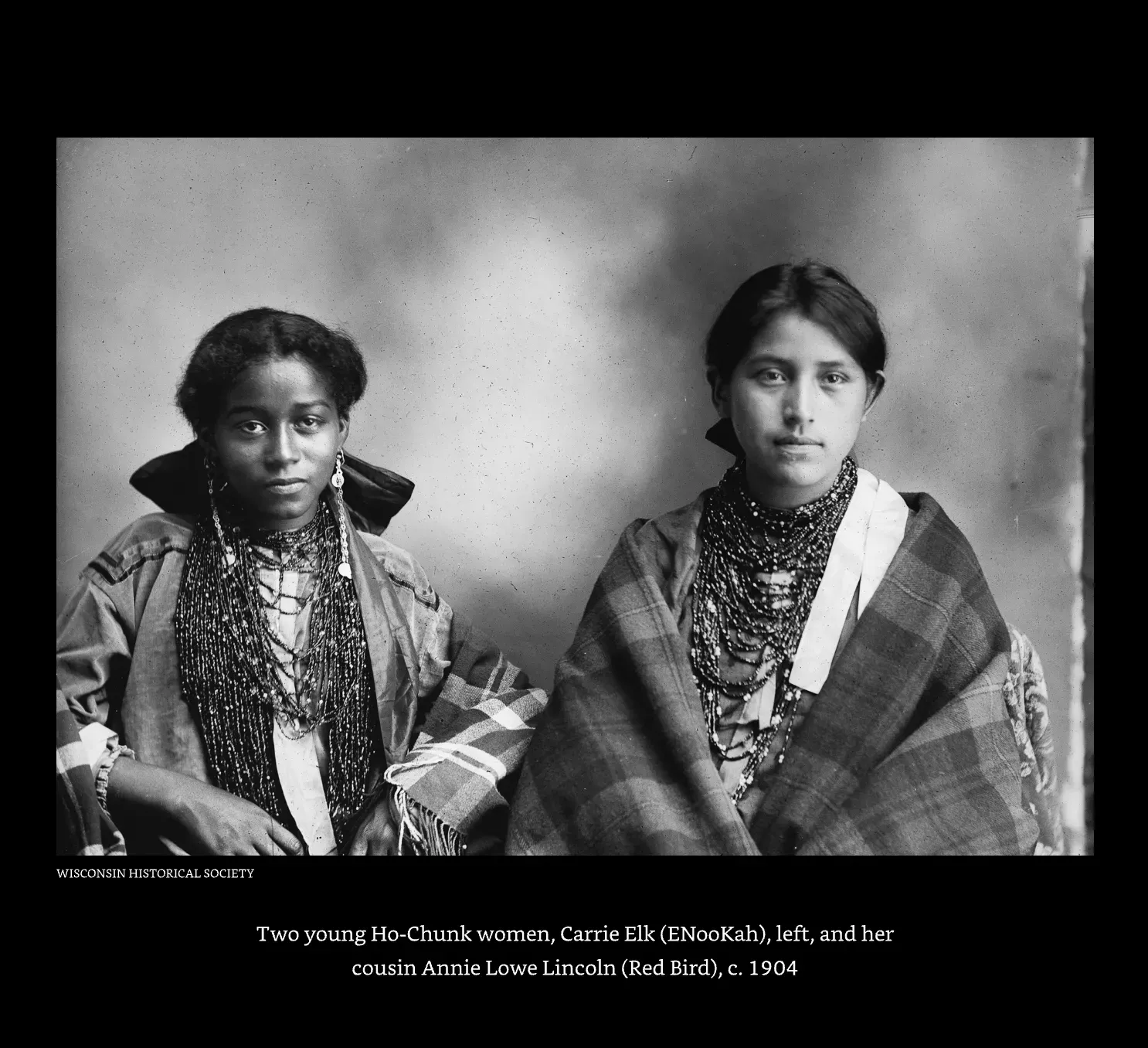
Educators are often interested in how The 1619 Project engages Native American history in its exploration of the legacies of slavery in the United States. Teaching a comprehensive American history requires detailing the interwoven histories of slavery and colonization, yet Black and Native histories are often isolated in their instruction, overlooking Native American interactions with both the institution of slavery and Black people in the United States as well as erasing the experiences of Afro-Native peoples.
Lessons about the Indian Removal Act of 1830 and the displacement of 80,000 Native American people to provide white enslavers more fertile land become more comprehensive when they also detail the experience of enslaved Black people at the time. In the 1619 resource, “Chained Migration: How Slavery Made Its Way West,” Tiya Miles shares that the western expansion created a “complex interstate slave trade” that resulted in the relocation of approximately one million enslaved Black people. The creative works, “A Ghazalled Sentence after ‘My People...Hold on’ by Eddie Kendrick and the Negro Act of 1740,” by Terrance Hayes and “Fort Muse,” by Tyehimba Jess provide a new lens to consider. Each reference joint histories of rebellion in their exploration of the 1740 Stono Rebellion—an uprising of enslaved people attempting to reach Spanish Florida—and the 1816 attack on Fort Muse, a stockade in Spanish Florida left to the Black Seminoles, a Native American nation of Creek refugees, free Black people, and fugitives from slavery.
The “Dispossession” essay in The 1619 Project: A New Origin Story begins with the Treaty of Hopewell in 1785 in which Cherokee leaders were promised the prohibition of further settling on their lands in part for “the return of all negroes, and all other property taken during the late war,” illustrating the ways Native leaders were encouraged to participate in the racial hierarchy being molded into American society. The essay continues with a lengthy and nuanced exploration of Afro-Native history that includes the participation of Native tribes in the slave trade. It ends with notes on the ongoing work of Indigenous, Black, and Afro-Native activists to extend tribal rights to the descendants of formerly enslaved people and organize around national issues that impact both communities.
These intertwined histories and the legacies that still impact Black and Native communities have been top of mind for me following the midterm elections. One of the most closely watched Senate races was the one between Scott Colom and Cindy Hyde-Smith in Mississippi, a state with a history of orchestrated division between Black and Native peoples, whose name derives from the Ojibwe word for ‘great river.’ Colom defeated Smith and will become the first Black senator in Mississippi since 1881 and the first Black senator ever elected by the people of Mississippi. Previous Black senators Hiram Revels and Blanche K. Bruce were chosen by the Mississippi legislature to serve during Reconstruction, a history covered in “The Idea of America” by Nikole Hannah-Jones. When Scott Colom joins Congress, he will work alongside Senator-elect Peggy Flanagan from Minnesota, an Ojibwe woman who will serve as the first Native American woman in the Senate.
This Native American History Month presents an opportunity to help students better understand and connect the legacies of slavery and colonization that surface as we examine the full context of each historic election this cycle. I hope that our new curricular resource, “Intertwined Histories: Legacies of Slavery and Colonization”, helps to provide you with the tools to support students in these nuanced conversations, including recent Pulitzer Center reporting addressing the systemic issues that still impact both communities today.
With care,
DJ
This message appeared in the November 21, 2026, edition of the Pulitzer Center's 1619 Project Education newsletter. Subscribe today.