
Resource Guides November 20, 2026
Intertwined Histories: Legacies of Slavery and Colonization
State:
Grades:

This thematic is designed to support educators interested in how The 1619 Project engages Native American history in its exploration of legacies of slavery in the United States.
STRUCTURE
Teaching a comprehensive American history requires detailing the interwoven histories of slavery and colonization, yet Black and Native histories are often isolated in their instruction, overlooking Native American interactions with both the institution of slavery and Black people in the United States as well as erasing the experiences of Afro-Native peoples. This digital version of the, "Intertwined Histories," provides curated resources for exploring themes related to the legacies of slavery and colonization in the United States. Each themed tab includes:
- A summary of the theme for exploration.
- A 1619 Materials section highlighting the individual essays, creative works, and digital media from The 1619 Project aligned to the theme.
- A Pulitzer Center Journalism section including reporting connecting the theme to current issues and events.
- A Supplemental Resources section spotlighting additional resources that can help deepen student understanding.
CONTENT NOTE
The themes and materials in this guide reflect the history of violent and painful events that orchestrated and demanded a division between Black and Native peoples. We suggest having a classroom social-emotional learning protocol for engaging with hard histories and inviting students to think through how they can care for themselves when things are both important to know and difficult to engage with.
The resources for this theme explore the long history of forced migration, dispossession, and displacement for Native American and Black American peoples. The 1619 Project resources examine the joint systems of colonization and slavery that defined the origin of the United States and the complicated relationship they created between Black and Indigenous peoples. The supplemental resources provided are selected from "The 1619 Project:A New Origin Story" book notes. The related reporting projects spotlight some of the lasting impacts of the dispossession of Native American tribes and current environmental threats to Black and Indigenous communities in the United States.
FROM THE ORIGINAL PUBLICATION IN THE NEW YORK TIMES MAGAZINE
FROM "THE 1619 PROJECT: A NEW ORIGIN STORY"
SUPPLEMENTAL RESOURCES
RELATED REPORTING

Project
Misplaced Trust
The U.S. public education system was built with stolen Indigenous lands—and still survives on Indigenous resources.
Project
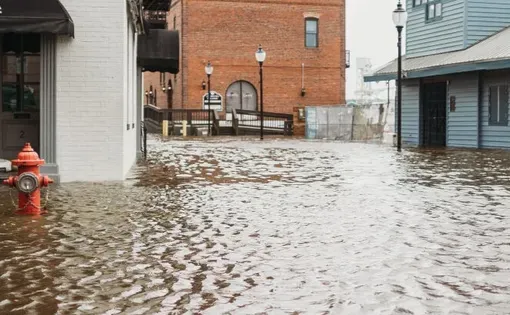
Climate’s Triple Threat: Rising Seas, Stronger Hurricanes, Heavier Rain
Descendants of enslaved Africans, known as the Gullah Geechee, are now some of the most climate-threatened people in the world.

Project
Inter(Nation)al
California's long-hidden and unratified treaties made during the Gold Rush are still affecting Salinan cultural identity today.

Project
Big Oil's Big History: Black and Indigenous Climate Histories and Futures on the Louisiana Coast
Human-made climate change, one of the many consequences of white supremacist development, continues to put Black and Indigenous communities at risk to this day.
This theme explores the ways in which the systems of colonization and slavery required not only the systemic oppression of Black and Native American peoples, but also an orchestrated division between them. The 1619 Project materials explain the development of the racial classification system in the United States, the ways in which it influenced definitions of personhood and citizenship for Black people, and the complex impact it had for Native tribes fighting to maintain sovereignty. The supplemental resources provided are selected from "The 1619 Project:A New Origin Story" book notes. The related reporting projects present some of the lasting impacts of systemic oppression in Native American communities, providing a scaffold for discussion about areas of intersection with the Black American experience.
FROM THE ORIGINAL PUBLICATIONS IN THE NEW YORK TIMES MAGAZINE
FROM "THE 1619 PROJECT: A NEW ORIGIN STORY"
SUPPLEMENTAL RESOURCES
RELATED REPORTING
Project
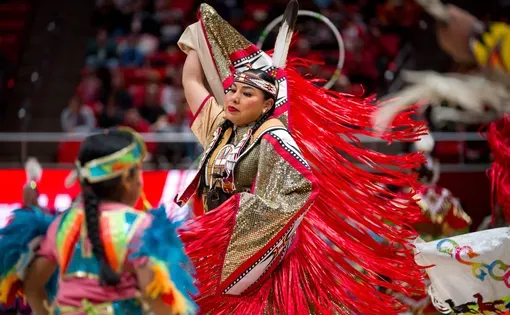
Their Name in Vain
While tens of thousands of screaming fans cheer on the Utah Utes every Saturday in the fall, only a tiny number of tribal members attend or graduate from the school.
Project
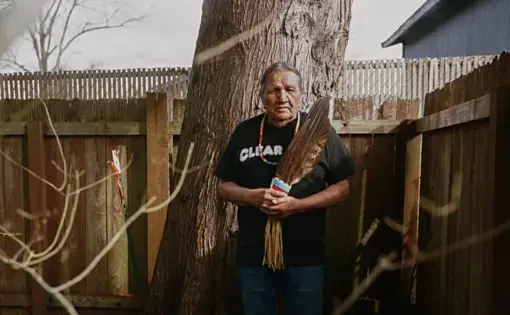
Unearthing the Genocide of Native American Children
In 1819, the federal government instituted a program of state-sponsored abductions and forced assimilation of Native American children. It lasted 150 years and spawned a legacy of horrific abuse.

Project
Poverty and the Pandemic in Mississippi
The Mississippi Delta and other rural areas in the state were the hardest hit by the pandemic.
Project
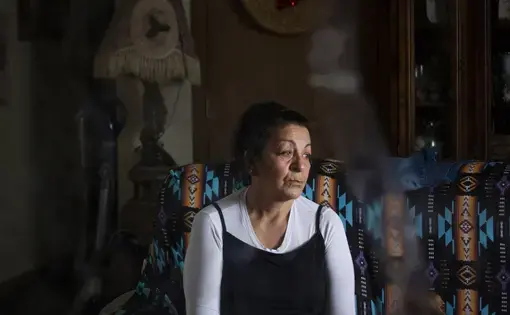
Promised Justice
A series investigating unsolved murders, unsafe detention centers, and a lack of federal law enforcement presence in tribal jails.
This theme explores the history of Black and Native survival and resistance in the face of systemic oppressions. The 1619 Project materials are creative works responding to moments of joint resistance to the systems of enslavement and colonization by Black, Native, and Afro-Native peoples. The supplemental resources provided are selected from "The 1619 Project:A New Origin Story" book notes. The related reporting projects document some of the ways Black and Indigenous communities continue to navigate racist systems, build up systems of care within the community, and reclaim their community histories.
FROM THE ORIGINAL PUBLICATIONS IN THE NEW YORK TIMES MAGAZINE
FROM "THE 1619 PROJECT: A NEW ORIGIN STORY"
SUPPLEMENTAL RESOURCES
RELATED REPORTING

Project
Addiction Care in Native American Communities
Tribal nations lean on cultural practices and traditional values to fight addiction.
Project
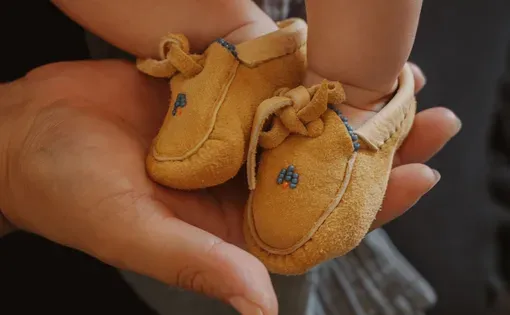
Building Back a People: The Indigenous Birth Workers of Seattle
In Washington state, Native mothers die 8.5 times more often than white mothers during childbirth.
Project
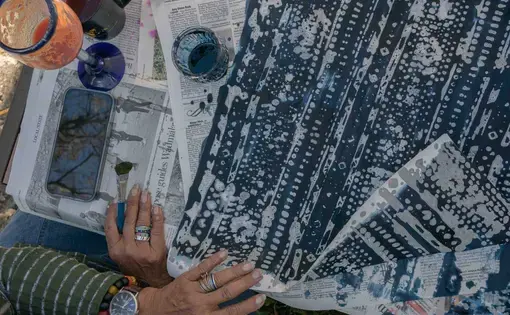
Reclaiming the History of American Indigo
The U.S.’ cultivation and dyeing history of indigo is deeply tied to slavery.
Project
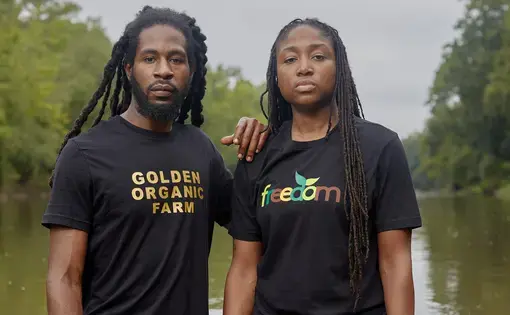
'Origins': Climate Change, Resistance, and Solutions in Princeville, North Carolina, America’s Oldest Black Town
Origins is a three-part photography and reporting project that explores how climate change is exacerbating hurricanes that cause river flooding in Princeville, North Carolina—the oldest town in America founded by formerly enslaved Black people.