Pulitzer Center Update February 23, 2026
Grantee Nicole J. Caruth Uses Project on Queer Farmers To Call for Empathy in Reporting
Country:
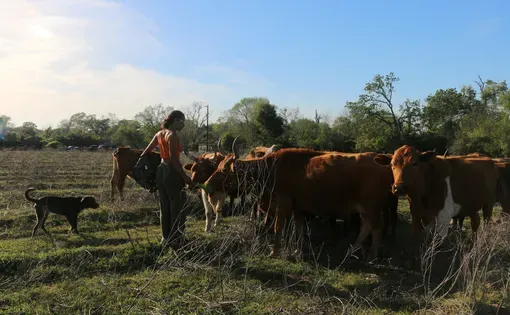
Here’s how they are working to care for one another.

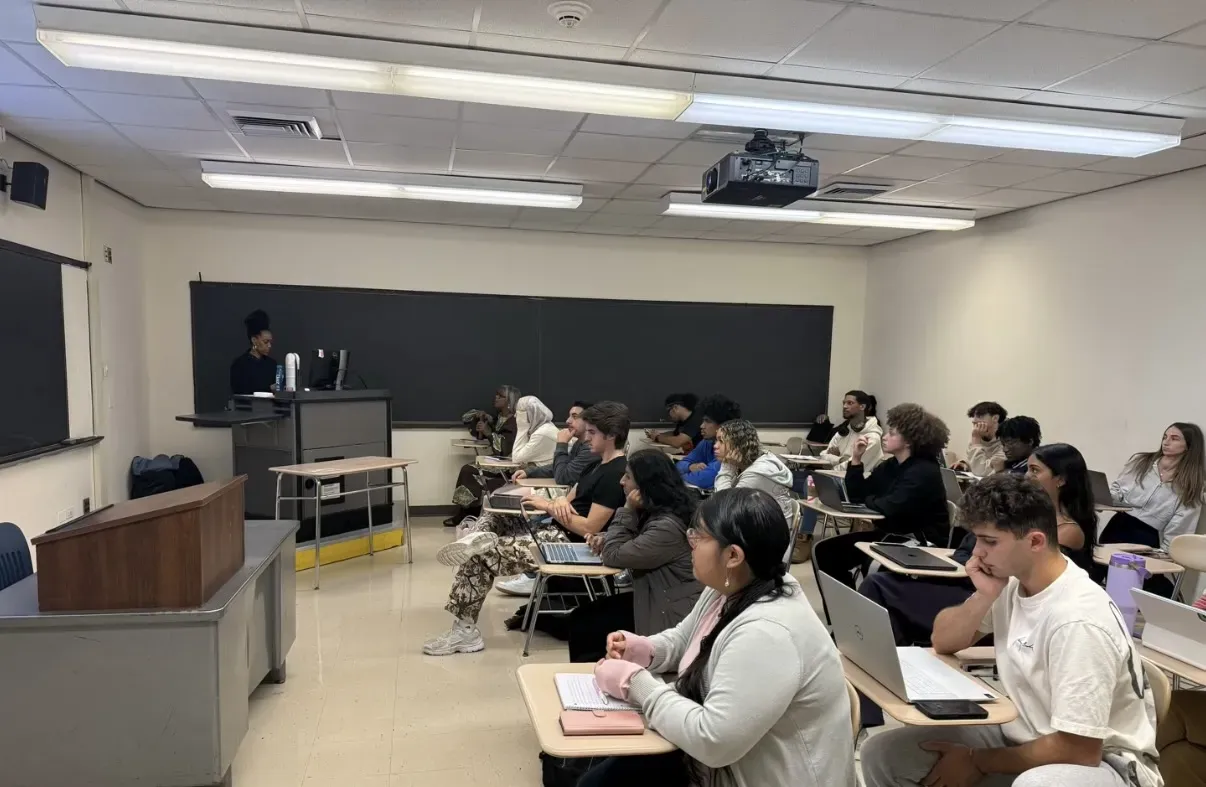
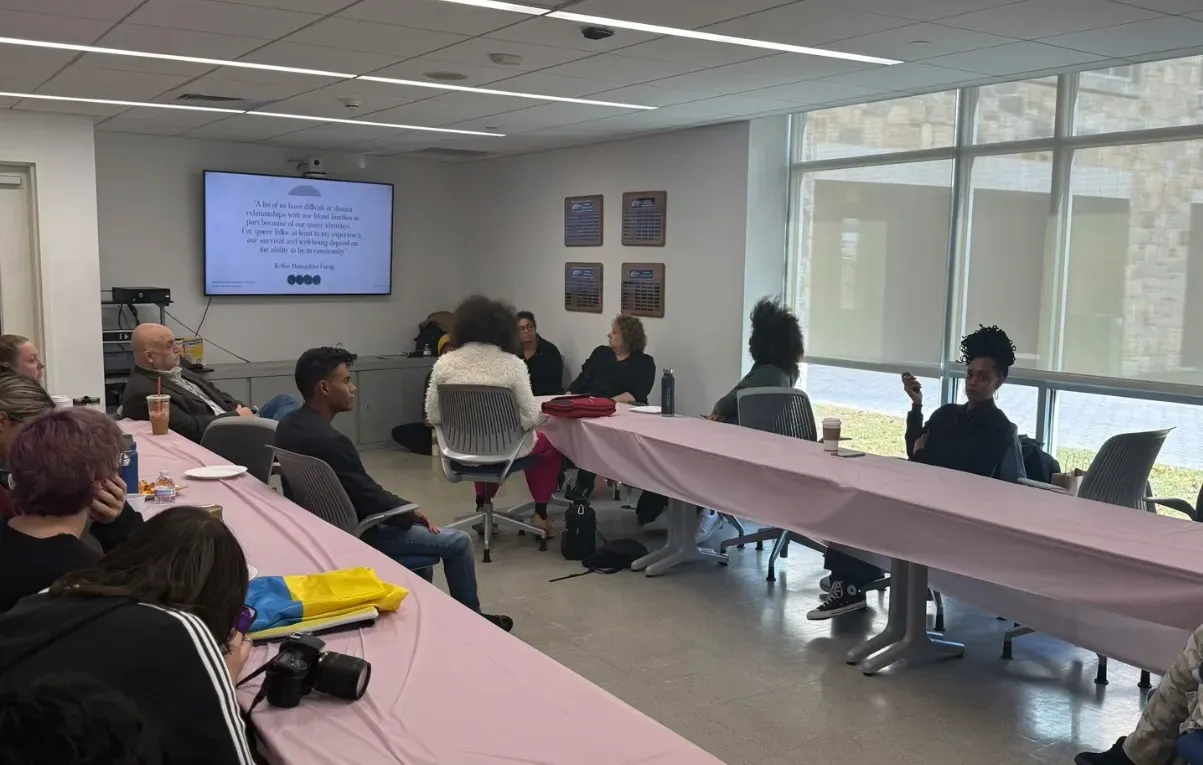
The Student Center at The State University of New York's (SUNY's) Westchester Community College (WCC) filled with conversation and curiosity as students, faculty, and community members gathered to welcome Pulitzer Center grantee Nicole J. Caruth. Her visit, on October 22, 2025, and made possible through WCC’s partnership with the Pulitzer Center, explored how journalism can connect identity, mental health, and community.
Caruth, a journalist and editor whose work often explores the intersections of art, food, and social justice, discussed her Pulitzer Center-supported project Southern LGBTQ+ Farmers Organize for Mental Health. The project examines how queer farmers across the American South are creating networks of mutual support to address the dual challenges of agricultural isolation and the ongoing mental health crisis.
“Farming can be lonely work,” Caruth told the audience. “That’s why spaces for queer and BIPOC farmers matter. They remind us we’re not alone in this field or in this fight.”
Her reflection resonated with attendees, many of whom connected her themes of resilience and belonging to their own experiences.
Caruth began her discussion with an engaging exercise: She asked everyone to turn to the person next to them and share their favorite food. Laughter filled the room as students swapped stories from cherished family recipes to comfort foods tied to home and culture. The activity set the tone for a discussion centered on shared humanity and empathy, reminding attendees that storytelling often begins with listening.
Students from the Communications, Journalism, and Digital Arts programs, alongside members of GLOW, WCC’s LGBTQ+ organization, participated in a question-and-answer session that followed.
“It was inspiring to hear how a community could join forces and tackle a problem that's big and complicated,” said student Sean M., reflecting on how the conversation expanded his understanding of a journalist’s role.
A faculty member added, “The conversation reminded me that representation matters not just in cities or politics, but in the fields and farms too. It made me think about what community really means.”
Caruth also spoke about the emotional labor that comes with covering sensitive subjects and the importance of caring for both oneself and one’s sources.
Faculty members praised her visit for its blend of art, advocacy, and awareness.
For me, the visit sparked an internal conversation. Whenever I used to think about farmers, I imagined “manly men,” the traditional image of toughness and grit.
Hearing Caruth’s story challenged that perception. It was almost alarming to realize how ingrained that idea was in my mind, but that discomfort was exactly the point.
As the event concluded, attendees lingered to continue conversations and express appreciation for the opportunity to engage directly with a Pulitzer Center-supported journalist.