
Here’s how they are working to care for one another.
It turns out that my Blundstones were key tools as I reported on LGBTQ+ farmers’ mental health.
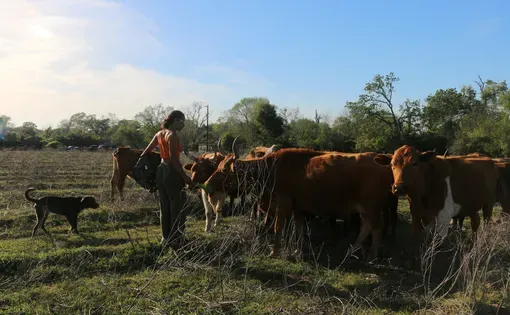
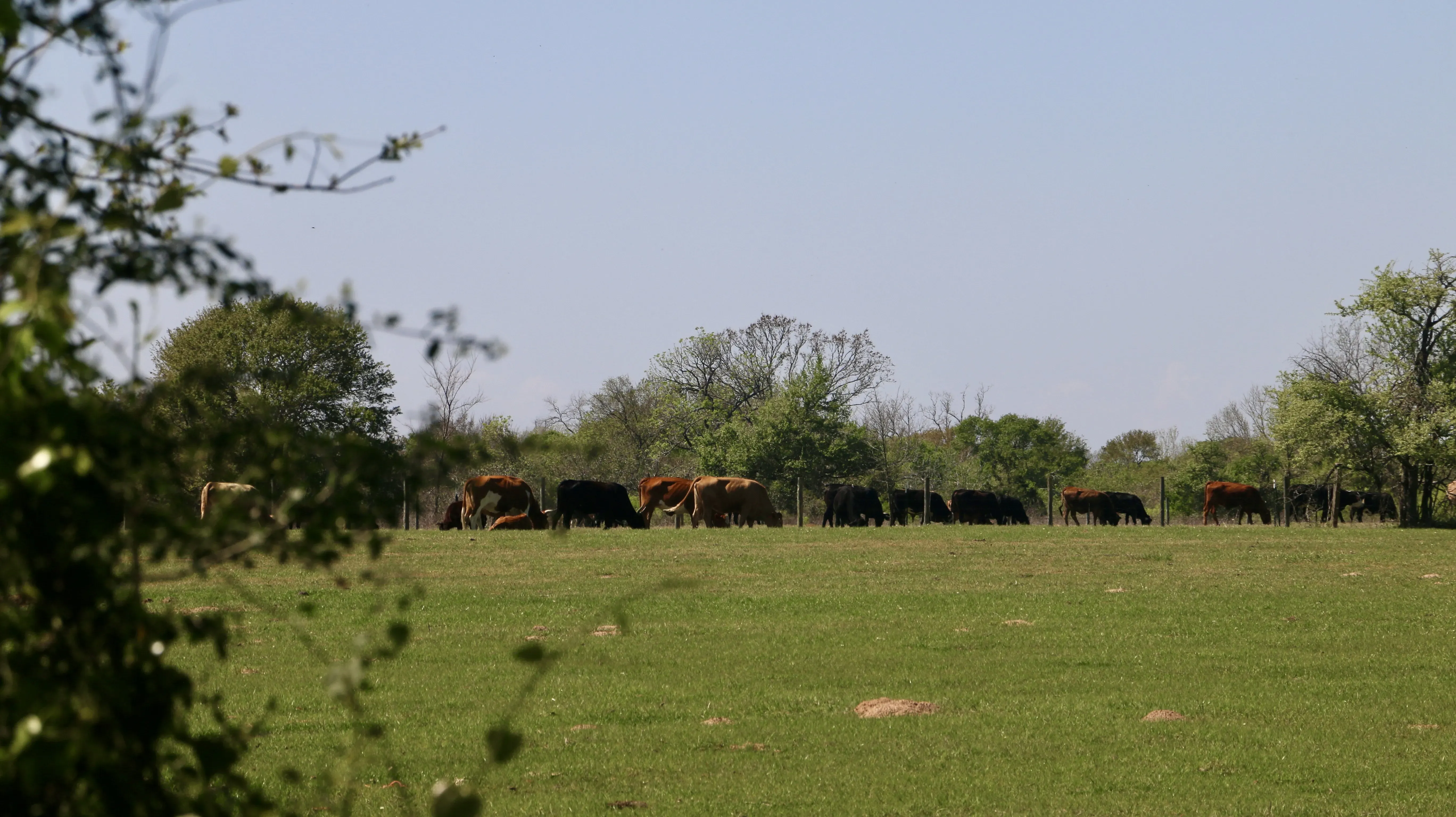
For the longest time, I thought Blundstones were some of the ugliest shoes around. Simple and rugged, I didn’t understand their popularity—until I traveled to Lilyland Farm in Hempstead, Texas, for a reporting trip. Realizing how ill-equipped I was, I caved and bought a dusty gray pair in a Houston strip mall. Forget fashion; the boots proved their worth as I tromped through fresh cow dung, squeezed through wire fences, and felt the earth shift and squelch beneath my feet.
Several farm visits followed as I explored LGBTQ+ farmers’ mental health, specifically how queer and trans farmers of color care for themselves and one another. After Hempstead, I traveled to Freedom Farm Azul, located on a red clay road in Prattville, Alabama. There, I joined an intimate brunch where I listened to love stories that gave me new definitions of queerness. Thirty minutes away in Montgomery, I visited Fresh Greens Market and witnessed the power of urban agriculture in reclaiming neighborhood legacies. Finally, I visited a community garden in Santa Cruz, California, to meet a collective that grows Asian crops to build community.
As I reflect on these months of being in the field, I realize how my boots have been steady companions through it all, literally grounding me in different stories. Buying them seemed insignificant at the time, but they have come to symbolize what I think agricultural and mental health reporting require: readiness for the work, adaptability to the unknown, and a willingness to meet people where they are.