Pulitzer Center Update October 22, 2025
Behind the Story: Mental Health Resilience in American Communities
Country:


Black teachers are on the front lines of an increasingly hostile landscape.

Dive deeper into reporting on mental health with Pulitzer Center Reporting Fellows and grantees. Communities across America are navigating their mental well-being in an unprecedented and rapidly changing political environment. Changes in environment, education, health care, and support structures, among others, place disproportionate stress on people—especially those with intersectional identities.
This video series features projects that document these strains and highlight community efforts to support one another’s well-being during challenging times. Hear from the journalists about their reporting as they reflect on their experiences working with vulnerable communities to bring light to these issues and intervention efforts.
Find conversations below on the psychological effects of industrialization, pressure on Black teachers in the South, LGBTQ+ and BIPOC farmers’ mental health, and insurance restrictions on treatments for eating disorders.
“Pressure Takes a Toll on Mississippi Black Teachers' Mental Health"
As political attacks on public education escalate—through efforts to dismantle the Department of Education, ban books, and censor curriculums—Black teachers find themselves on the front lines of an increasingly hostile landscape. In a conversation with adviser Torsheta Jackson, education-equity reporter for the Mississippi Free Press, Asia Alexander, a Mental Well-Being in the U.S. Reporting Fellow from Howard University, highlights the growing mental health crisis among Black educators in Mississippi as they support their students, who often face their own systemic challenges.
“This Queer Couple Supports LGBTQ+ and BIPOC Farmers’ Mental Health”
Farming can be incredibly stressful, with suicide rates in the agricultural sector two to three times higher than in any other industry. According to a study released last year by the University of Illinois Urbana-Champaign, LGBTQ+ people in farming are over three times more likely to experience depression than the general population, exacerbated by the threats to their basic rights under the new administration. In this conversation with adviser Rae Garringer, founder of the multimedia project Country Queers, 2025 Mental Well-Being in the U.S. Reporting Fellow Nicole J. Caruth discusses how a queer farmer couple in Texas is determined to care for their community.
“Deadly Denials: How Insurance Providers Delay, Restrict, and Deny Care for Eating Disorders”
Eating disorders are the deadliest of all mental health conditions (not including substance use disorders), yet people suffering from these conditions face enormous difficulty getting their care covered. People on public insurance—with the least ability to pay for services themselves—and people of color also face greater obstacles to care. In this conversation with Mikaela Schmitt, program coordinator for the Campus Consortium and Outreach teams at the Pulitzer Center, journalist Melanie Haiken explains how her investigation for MindSite News found evidence that many health insurers and managed care organizations delay, deny, or restrict care for people with eating disorders instead of meeting the growing need for services.
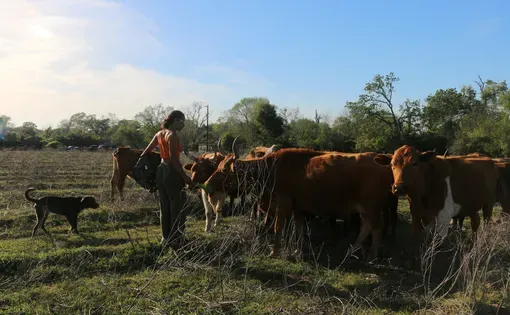
Here’s how they are working to care for one another.


Eating disorders are America’s deadliest mental health condition. For people struggling to get care...


