How can engagement with underreported global news stories support existing curricula, while also preparing students to engage curiously, critically, and empathetically with the world?
The Pulitzer Center Teacher Fellowship is a paid, virtual program that connects a small cohort of educators with other passionate Fellows, award-winning journalists, and the Pulitzer Center education team. Fellows develop short units (three–ten class periods) that engage their students in making local connections to global news, practicing media literacy skills, and building empathy. Fellows then implement their short units, evaluate student outcomes, and share their projects publicly through the Pulitzer Center's online lesson library and virtual professional development programs.
Eligibility: This Fellowship is open to all classroom teachers (grades four–12) working in public, charter, independent, and alternative schools in the United States and U.S. territories. Educators working with adults and youth in jails, prisons, or youth detention facilities are also encouraged to apply.
Since the inauguration of this program, we have been honored to work with over 100 incredible educators representing classrooms in 24 states and Washington, D.C. Click to learn more about our fall 2020, spring 2021, 2021-2022, 2022-2023, 2023-2024, Fall 2024 health reporting-focused, 2025 local U.S. reporting-focused, and Fall 2025 Teacher Fellows!
“The Pulitzer Teacher Fellowship not only connected me to the real-world, ongoing work of journalists, it also connected me to other talented educators from around the country in a time that has felt extra isolating. Through this program, my students took their inquiries and applied them to situations in our community, heard from journalists, and used critical thinking skills to develop arguments about current issues. This is what we need learning to be.”
KRISTIN LEFFLER
8th-grade Social Studies teacher in Portland, Maine
“I learned the importance of exposing my students to underreported stories and to dive deeper into current events, as these are the topics that are relevant to the students' lives. I loved how we were exposed to journalists and teachers with diverse backgrounds, as it created a richer learning experience. I had such a wonderful experience and loved how this Fellowship forced me to try different methods of teaching and engaging my students."
TANIA MOHAMMED
High school English Language Arts teacher in New York, New York
FELLOWS’ CURRICULA
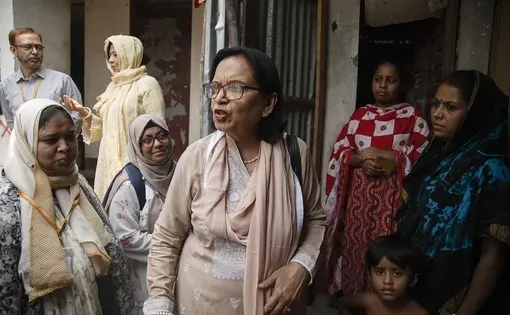
LESSON PLAN GROUPING
Examining Interconnected Health Inequities Through Global Reporting
Units from Fall 2025 Teacher Fellows
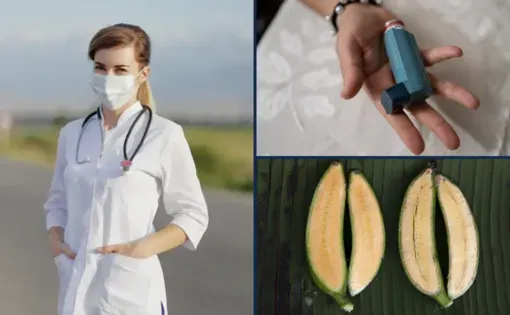
LESSON PLAN GROUPING
Making Local Connections to Global Health Stories
Units from Fall 2024 Teacher Fellows
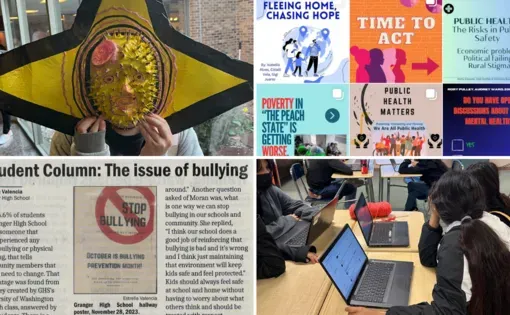
LESSON PLAN GROUPING
Underreported Stories and Media Literacy in the Classroom
Units from 2023-2024 Teacher Fellows
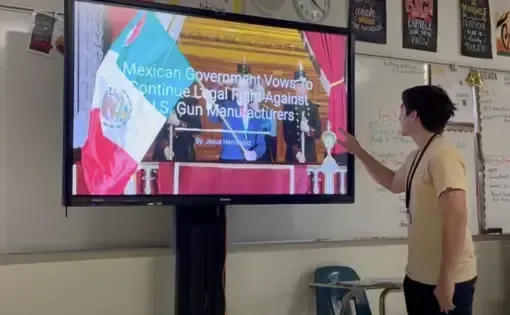
LESSON PLAN GROUPING
Asking Critical Questions
Units from 2022-2023 Teacher Fellows
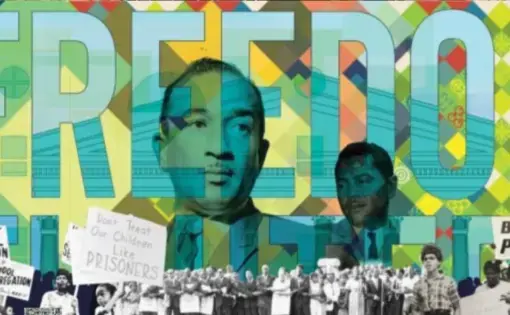
LESSON PLAN GROUPING
Elevating Underreported Stories in the Classroom
Units from 2021-2022 Teacher Fellows
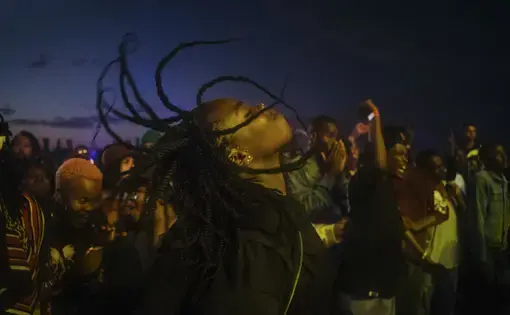
LESSON PLAN GROUPING
Arts, Journalism, and Justice
Units from Fall 2020 Teacher Fellows
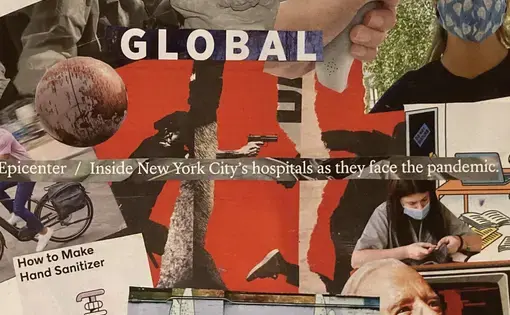
LESSON PLAN GROUPING
Media, Misinformation, and the Pandemic
Units from Fall 2020 Teacher Fellows
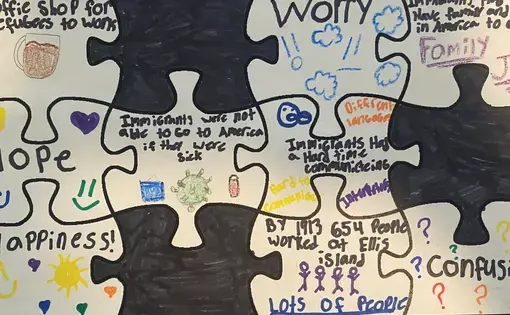
LESSON PLAN GROUPING
Stories of Migration
Units from Spring 2021 Teacher Fellows
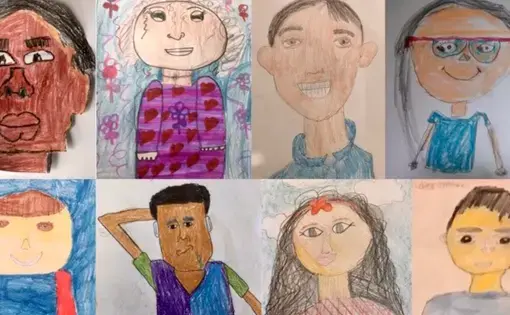
LESSON PLAN GROUPING
Journalism and Justice in Chicago
Units from Spring 2021 Teacher Fellows
“The connection through other fellows, educational specialists, and journalists really extend my students' scope of thinking that they will always remember as part of the authentic experience they had in school.”
CHAYANEE BROOKS
high school English teacher in Pāhala, Hawai'i

“The ability to do rich, meaningful, and deliberate work that can directly be used to enrich the lives of students is priceless. In addition, the opportunity to work with expert journalists and exceptional educators empowers me as a professional and inspires me to stay in the classroom."
PATRICK SPRINKLE
American History and Government teacher in New York City, New York
STUDENT WORK & TESTIMONIALS
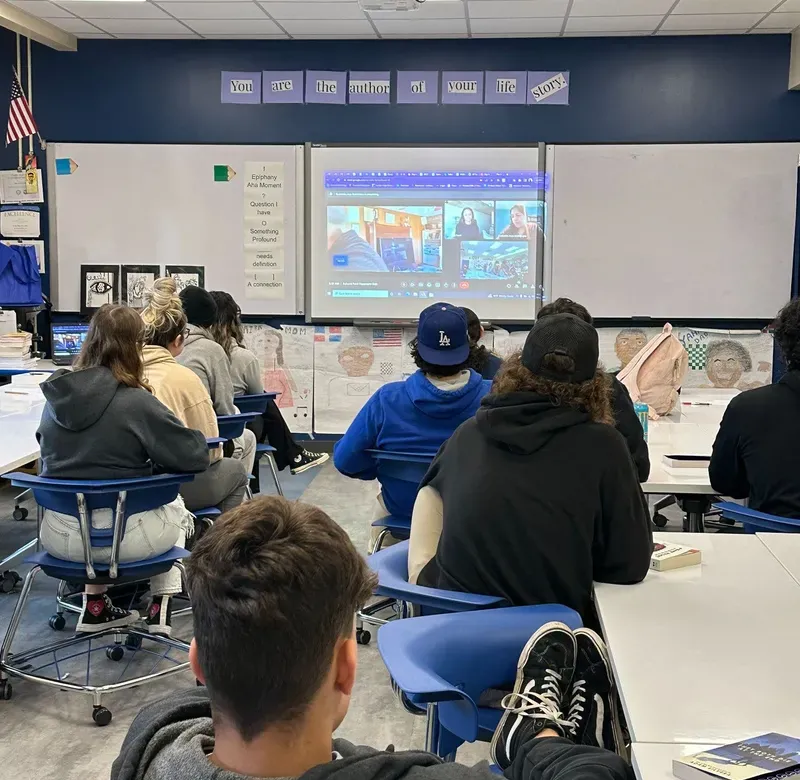
Click on the images to see examples of Pulitzer Center Teacher Fellows in action and hear from the students in their own words below.
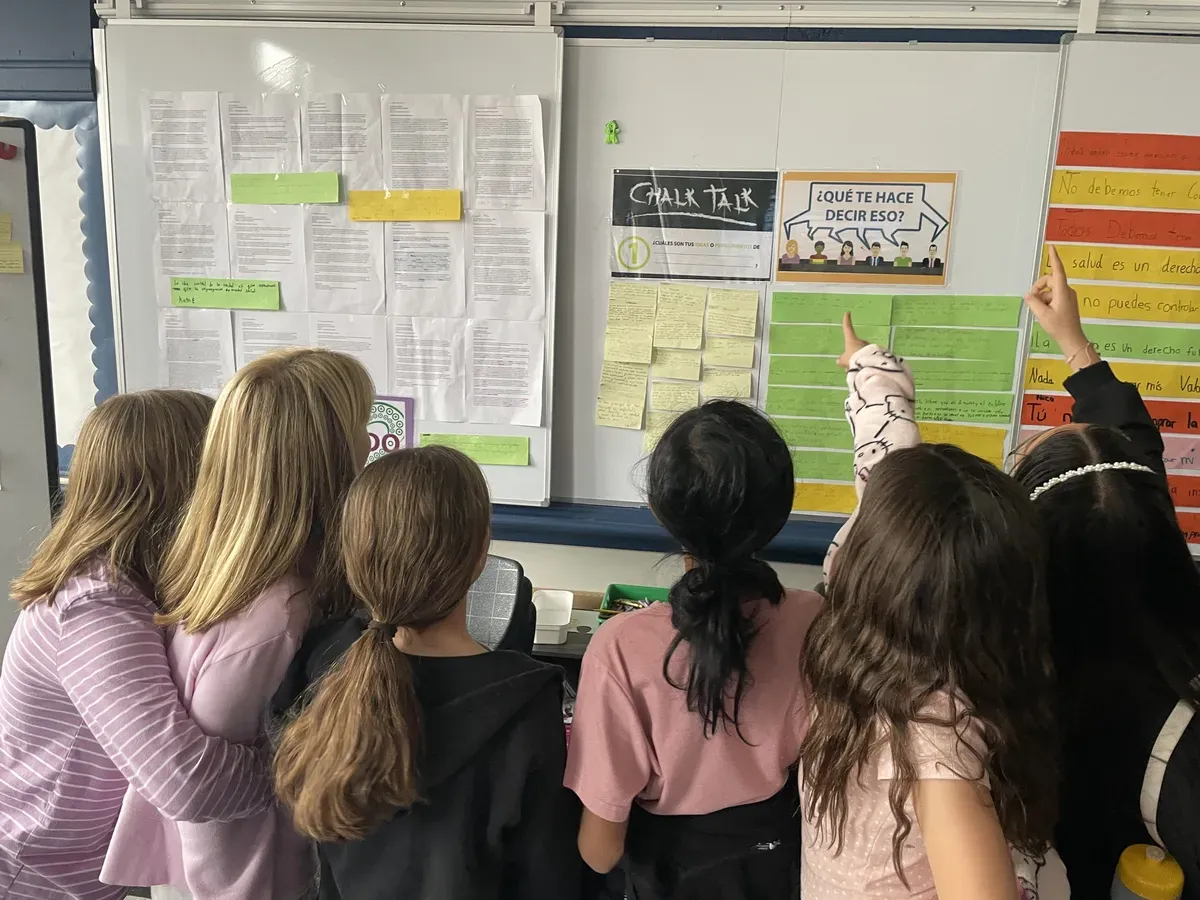
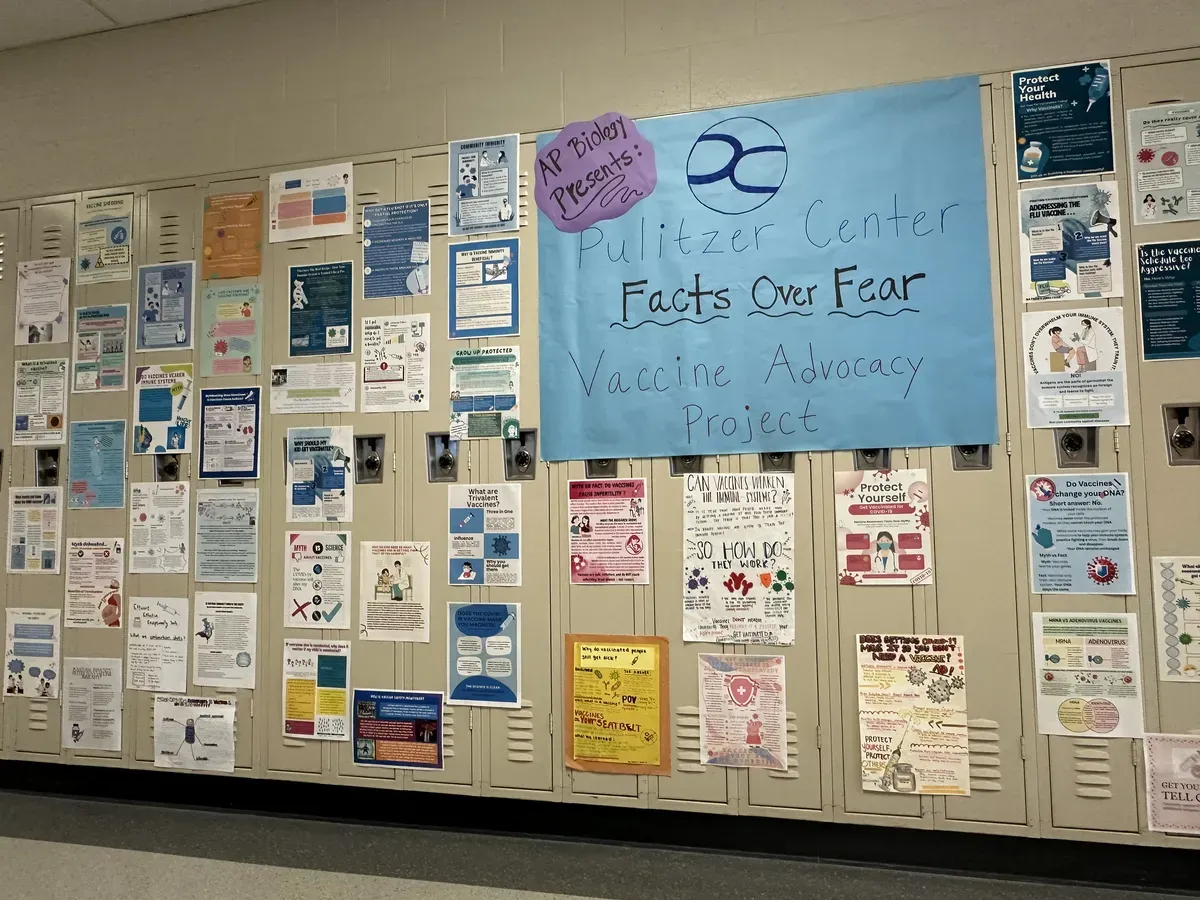
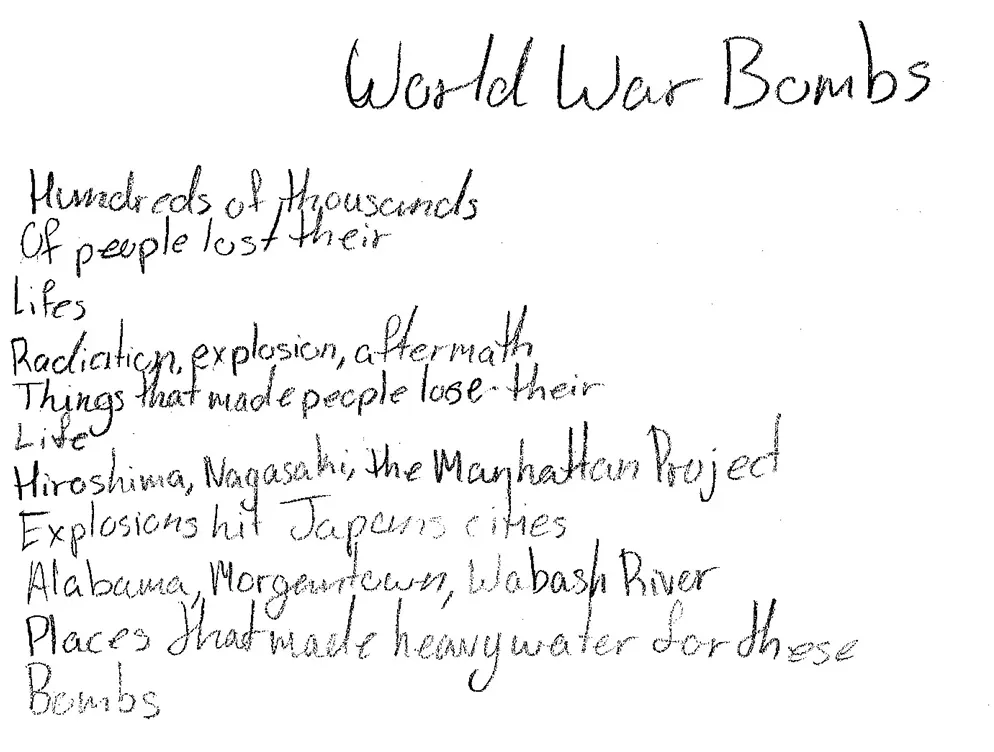

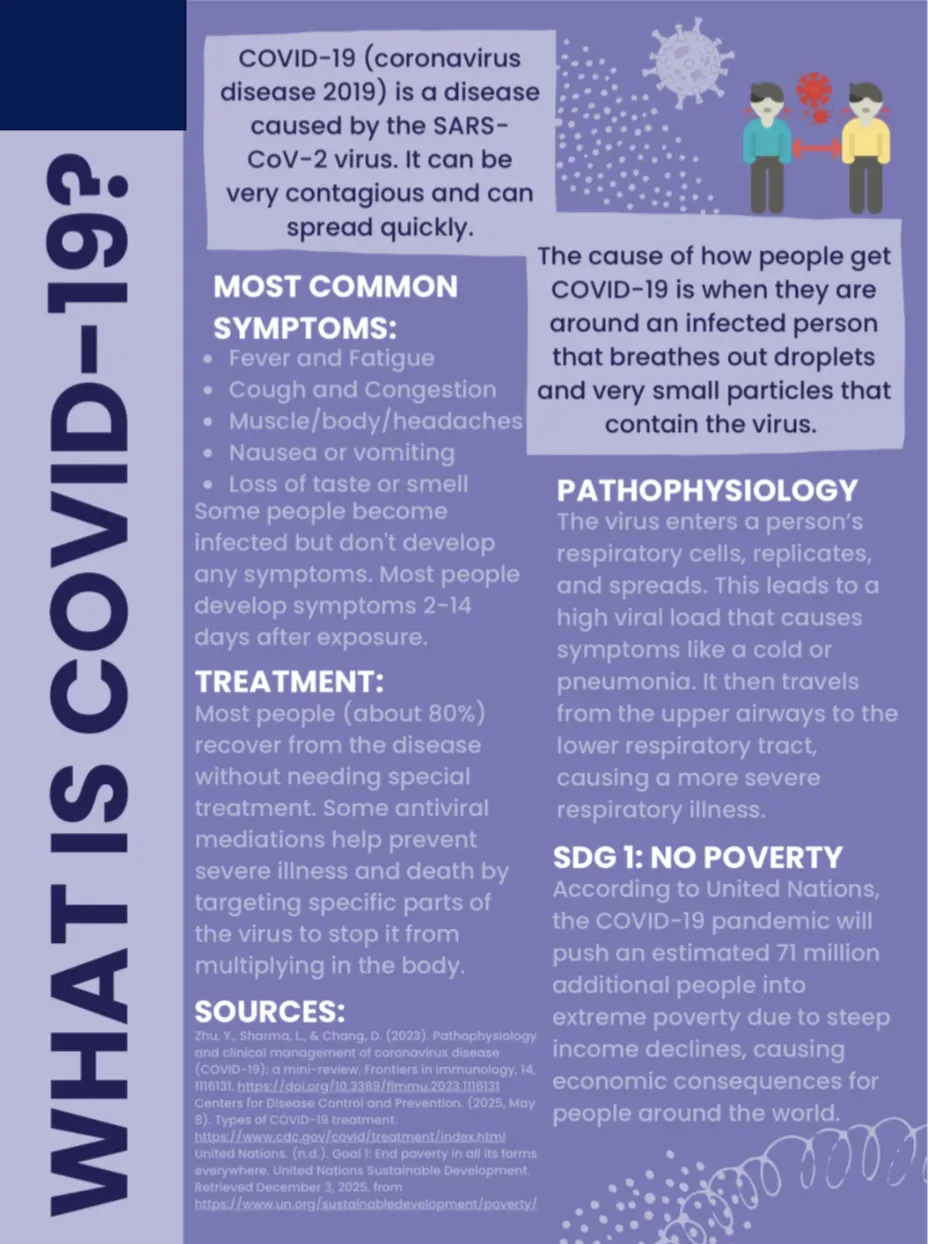
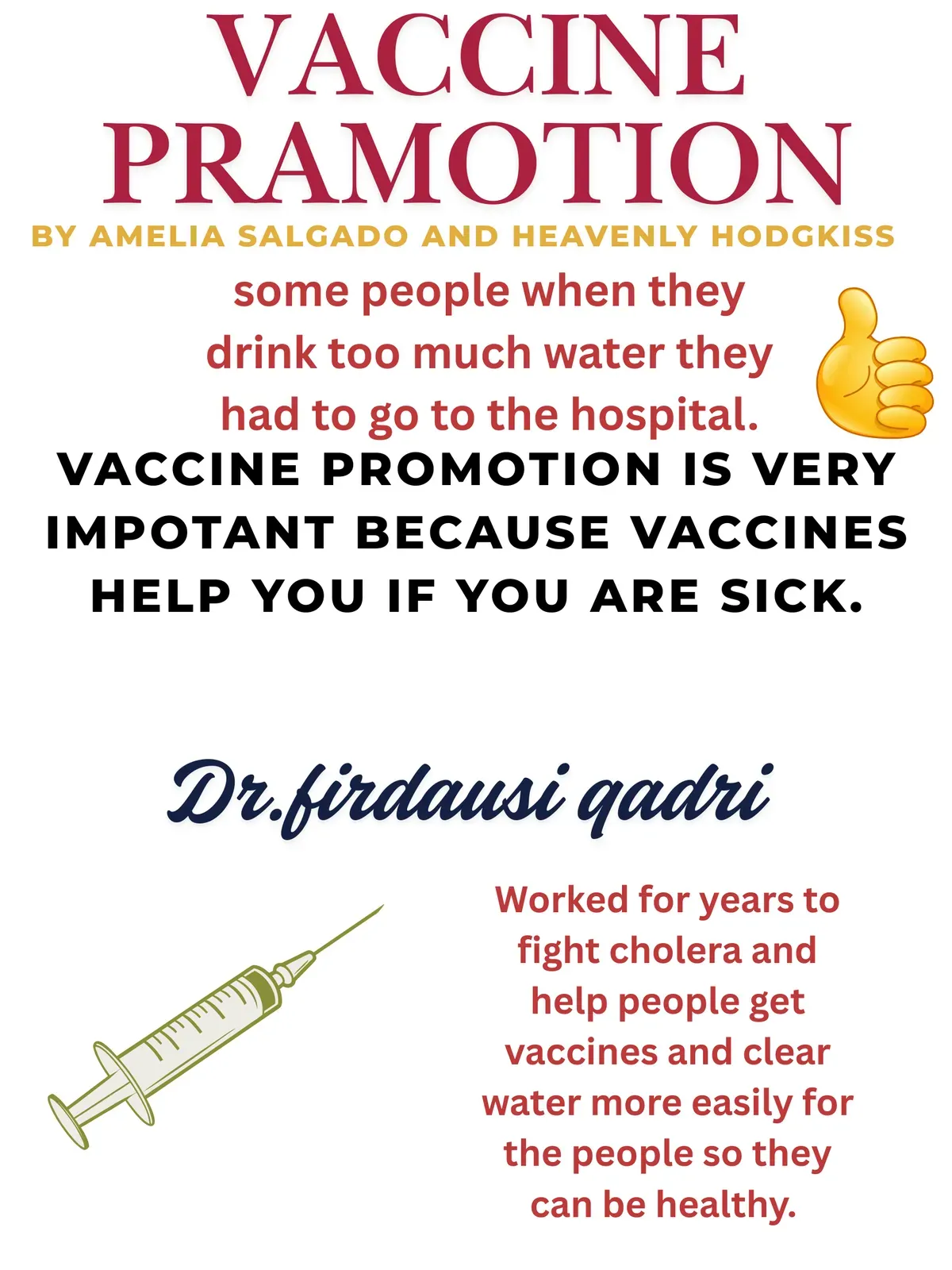
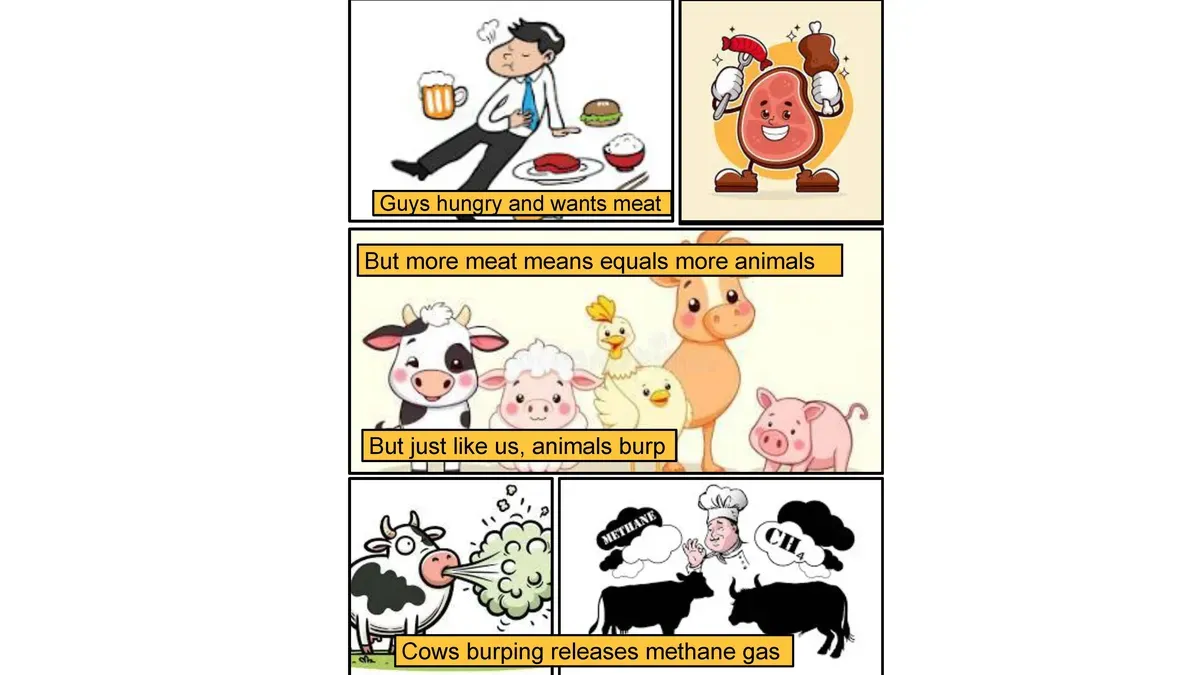


“I learned that underreported stories can teach us about global health issues that don’t always make the headlines. I enjoyed seeing how these stories highlight real challenges people face around the world and help us understand why paying attention to them matters.”
Student from Chicago, IL
Teacher Fellow: Fanny Clonch
Student from Texas
“Reading about U.S. foreign policy and watching the clip about HIV in Kenya really made me realize how much U.S. decisions can affect people’s health around the world… What seemed like numbers and policies in the textbook became very real: people’s lives and communities are affected when foreign policy changes. It’s clear to me that U.S. foreign policy is more than just politics or military decisions, it has real consequences for global health.”
Student from California
“Reading about U.S. foreign policy and watching the clip about HIV in Kenya really made me realize how much U.S. decisions can affect people’s health around the world… One way the U.S. does this is through foreign aid, which doesn’t just help people, it also serves U.S. interests by promoting stability and goodwill… What seemed like numbers and policies in the textbook became very real: people’s lives and communities are affected when foreign policy changes. It’s clear to me that U.S. foreign policy is more than just politics or military decisions; it has real consequences for global health. If funding disappears, years of progress can be lost, and vulnerable communities suffer. It also makes me wonder how countries can both rely on foreign aid and build health systems that can sustain themselves.”
Student from Massachusetts
“One thing I learned/enjoyed was understanding that humans play a big part of the outcome of the earth and its environment. I enjoyed learning that our environment and human health is at risk because of humans daily life [activities]. Could we be the ones to save or environment?”
Student from Georgia
“I learned many fundamental aspects from reading this article for example when I read that three companies control 90% of the insulin market, which allows them to abuse their power. I really enjoyed being able to become an activist and expanding my knowledge about global problems that affects people to this day.”
Student from Maine
““If I could help make health better in my community or the world, I would teach people how important clean water is. I learned that cholera spreads when water is dirty, so I would help make sure everyone has clean water to drink.”

"The Fellowship reinforced the importance of content-specific professional development for teachers, the power of building and participating in collaborative teacher spaces (across schools), as well as the importance of empathy and modeling vulnerability as a pedagogical practice.”
KEITH CALIX
9th grade World History teacher in Washington, D.C.

"I've come away with a wealth of knowledge and inspiration. I think that this unit creation has helped me be able to apply common core standards to topics that will resonate with my young people and how to extend my current curricular resources…This was a powerful and memorable experience for my professional journey."
COMFORT AGBOOLA
5th grade teacher in Chicago, Illinois
GET INVOLVED
The Pulitzer Center's K–12 education programs and resources cultivate a more curious, informed, empathetic, and engaged public by connecting teachers and students with underreported global news stories and the journalists who cover them.