Story
 March 19, 2026
'You’re One of Us': Finding Shared Experiences and Community for the Neurodiverse
Country:

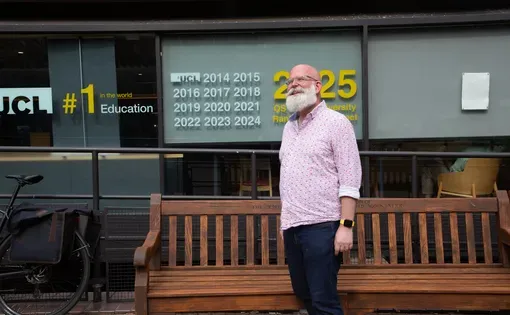
Challenges and solutions created by neurodivergent people for neurodivergent people.
My original reporting proposal to the Pulitzer Center focused primarily on support and services available to neurodivergent people in the United Kingdom. I planned to interview researchers, advocates, and policymakers to understand the efficacy of programs created to support neurodiversity in the U.K.
While doing that, I found the common thread that wove together every advocate, researcher, and neurodivergent person I spoke to: community. Much of this community building is created through shared experiences.
The goal of this project was to amplify the voices of these communities. While doing so, I was able to embrace my own neurodivergence in a way I didn’t think was possible. My first interview with Dr. Brian Irvine, from the Centre for Research in Autism and Education at University College London, happened virtually, before I had even received the Fellowship. After talking for five minutes, he grinned and told me, “You’re one of us.”
I was both taken aback and also relieved that he saw me for who I am—a neurodivergent person trying to unlearn neurotypical ways of being. He referred to me as part of his neurodivergent “tribe,” a common phrase used among many of the people I interviewed. After this initial introduction to the neurodivergent community, I knew this project would be a journey of self-discovery and shared experiences.
As a nonprofit journalism organization, we depend on your support to fund more than 170 reporting projects every year on critical global and local issues. Donate any amount today to become a Pulitzer Center Champion and receive exclusive benefits!
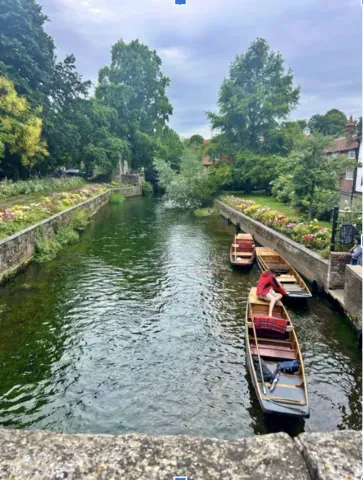
Another shared experience arose in the quaint town of Canterbury. Dr. Chloe Farahar, a post-doctoral researcher at the University of Kent and an autistic advocate, and I sat at a small wooden table nestled among trees and flowers, and the bustle of the students at Canterbury Christ Church University. We both pulled out our fidgets: mine, a neon purple fidget spinner; and hers, a neon green finger trap. Our fidgets grounded us and allowed us to focus and be in the present moment. A common theme among both Dr. Farahar and other neurodivergent folks who received a diagnosis later in life was grief.
“I've written about autistic discovery and likened it to the five stages of grief,” Farahar said. Some internet trolls condemned her for this comparison even though many people identified with this sentiment, including everyone I interviewed. “You don't have to be stuck in anger that you weren't recognized sooner or anger at the autism.”
These shared experiences among autistic and other neurodivergent folk is what creates community and the connectedness of the shared experience. Finding your tribe, your people—that is the heartbeat of the neurodiversity movement. And, as I walked along the River Stour, I reflected on how I fit right into the patchwork of the neurodiverse community.