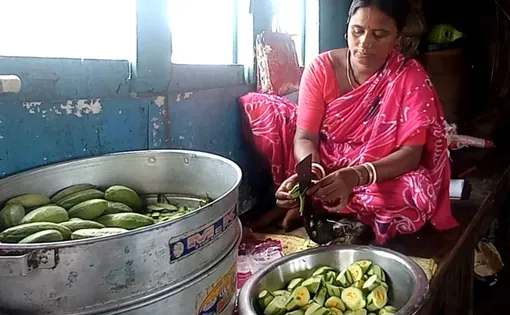
What does a typical day look like for a woman cook on a boat cruise in Sundarbans? This story dives...
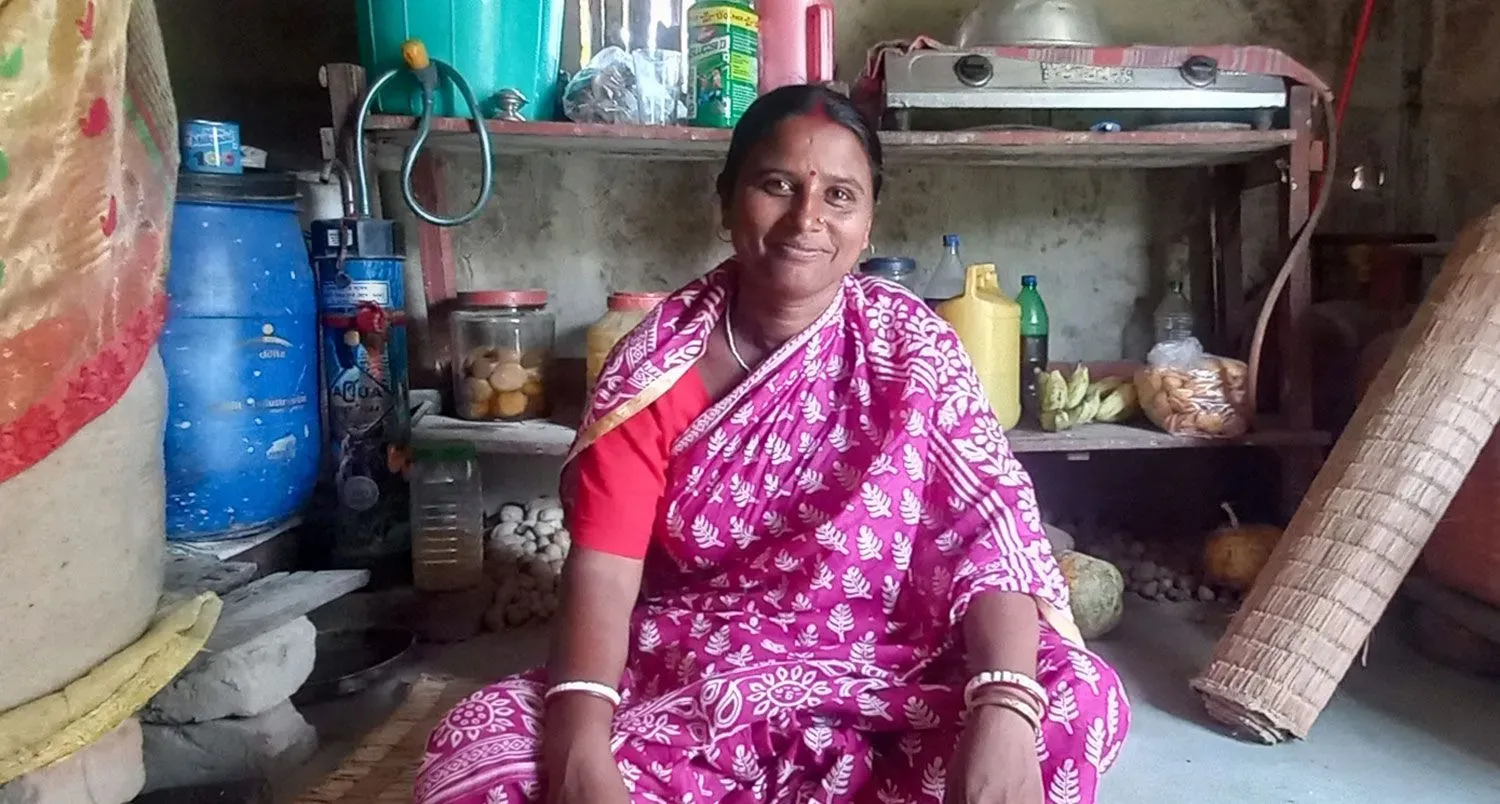
As the main workers on boat cruises in the Sunderbans, women battle a myriad of health issues brought on by rising heat in the region
As the cruise boat floats through Sajnekhali Tiger Reserve, Pirkhali and Dobanki Tiger Reserve, Bhanumati has little time to look up at the passing landscape. The vast expanse of flowing water, watch towers and birds in the foliage, blurs in front of her. A cook on cruise boats, cooks and helpers like her are always busy. There are potatoes, lentils and eggs to be boiled, garlic and ginger to be chopped, and a variety of spices to be pounded into paste as preparations for multiple meals get underway.

As a nonprofit journalism organization, we depend on your support to fund more than 170 reporting projects every year on critical global and local issues. Donate any amount today to become a Pulitzer Center Champion and receive exclusive benefits!
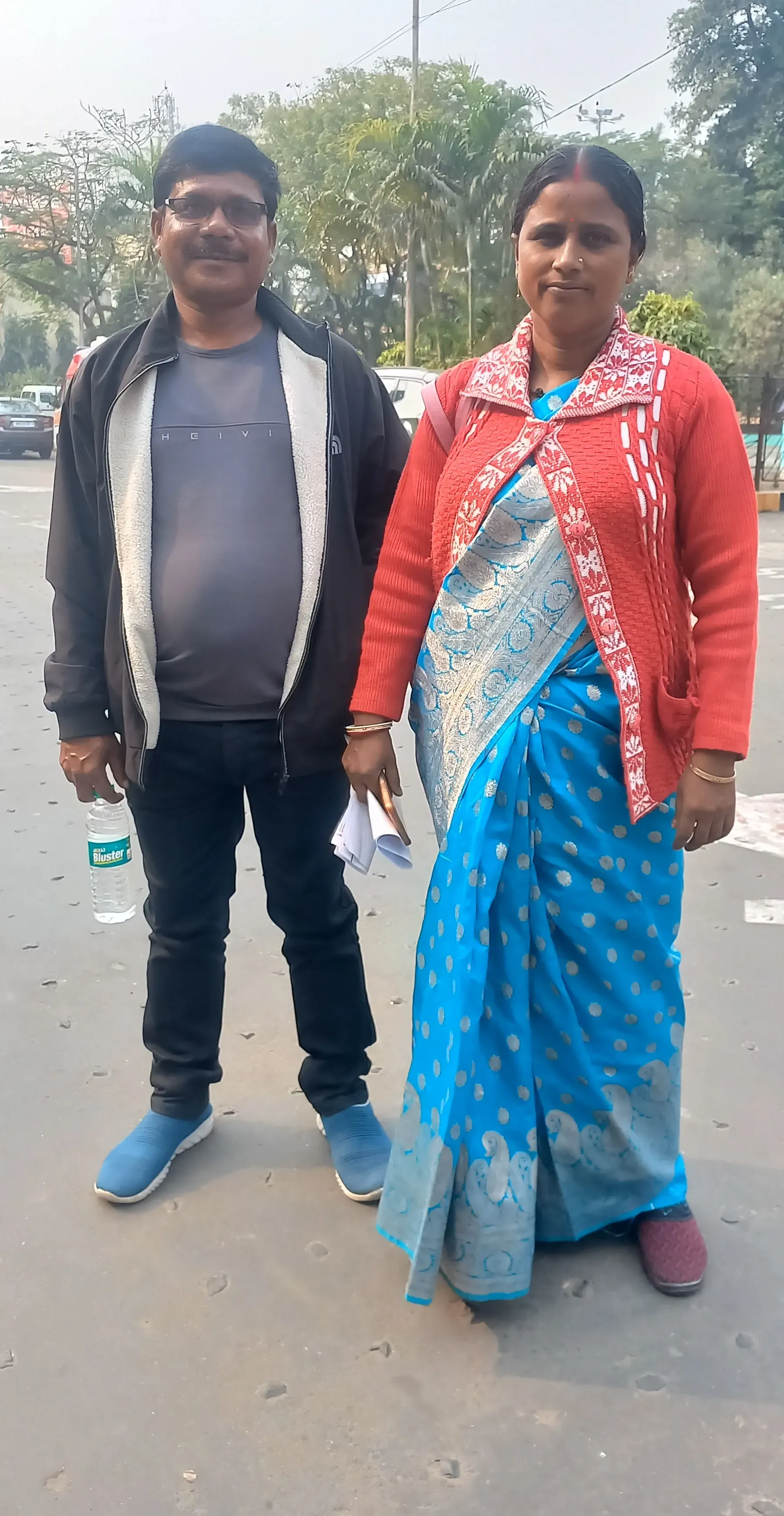
The heat rises as the day progresses and the women in the kitchen must take short breaks to cool down. “Taratari haat chala [work fast],” they say to each other. “Once the motor starts running, we’ll be the ones who get boiled,” Lipika Mondal says laughing. Also a cook and sometimes a helper, she is referring to the heat of the running motor that further raises the temperatures on the boat kitchen placed next to it. The heat is relentless, say the women cooks and helpers, and there is no getting away from it for even five minutes to cool off.
The cruises take off from Pakhiralay village – over 110 kilometres from Kolkata – nestled in Gosaba island of the Sunderbans. It’s a popular tourist destination, a gateway to the core forest area of the Sundarbans where Bengal tigers (Panthera tigris tigris) can be sighted.
Tour operators typically take around 40 tourists on a boat. Each cruise lasting six hours is priced at between Rs. 2,000 - 5,000 for a single passenger. Longer cruises, lasting two days, are more expensive. Boats usually have two decks and the ground floor has beds and pillows where tourists can rest in the heat of the day.
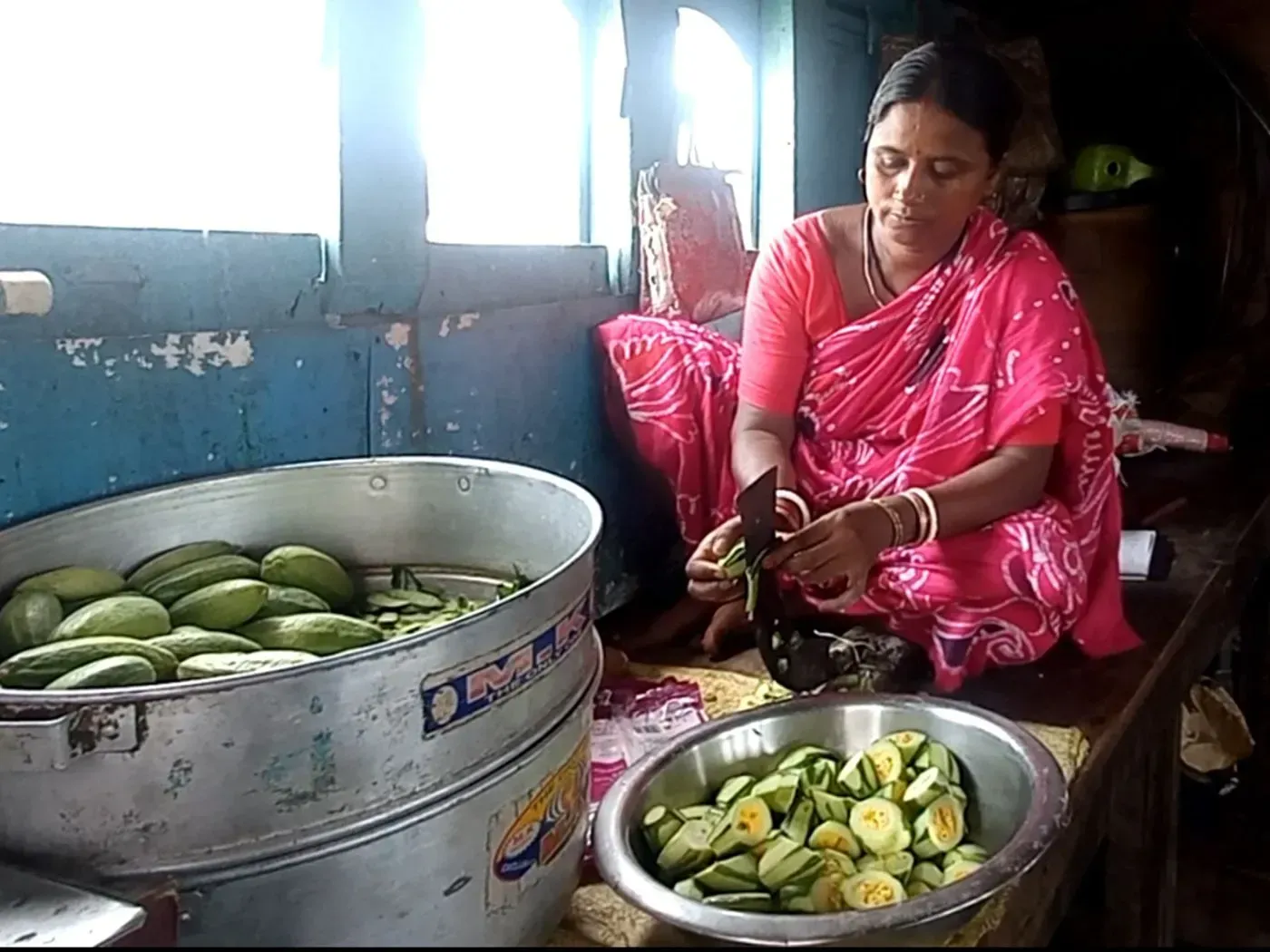
The cruises run through the year, but the busiest seasons are when illish or hilsha (Tenualosa ilisha) come into the market – June to August, and November to January. With the tourist season lasting about half the year, the local population is heavily dependent on this work for a steady income.
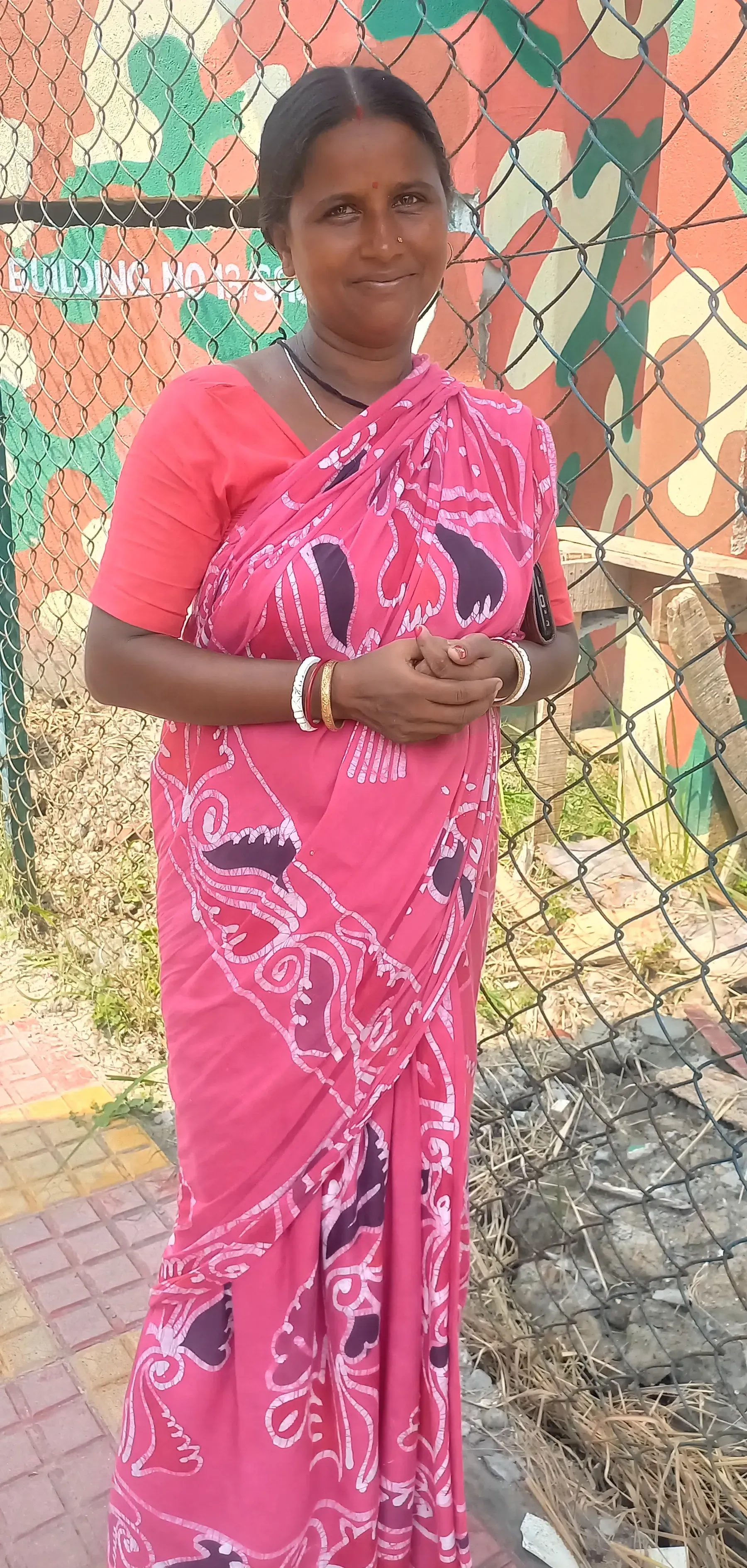
For the last six years, Bhanumati Mondal has been working as a cook on these boats. Her day starts at five in the morning so that she can finish household chores and cook for her children before heading to the boat around 6:30 a.m.
Once on the boat, the 38-year-old Bhanumati starts with kneading 10 kilograms of refined flour to make luchis – fried round flatbreads — a popular delicacy for breakfast in West Bengal. And for the next roughly 12 hours, she and her all-women crew are busy sweating it out. “I handle three fires simultaneously,” Bhanumati adds, referring to the excessive heat the women cooks endure in the job.
Once they wrap-up the cooking, they must wash the heavy utensils, and drain water from the rice into a huge net. They arrange the food in the heavy utensils and call the young men working with the tour operator to carry the food upstairs and arrange the buffet on the upper deck.
This is the only time in the day that the women get to rest a bit. Once the guests have eaten, the leftovers are sent downstairs and the cooks eat. Usually it's almost 9 p.m. by the time they get home, walking in the light of the torch on their mobile phones on a kutcha road that is difficult to navigate especially in the rainy season.
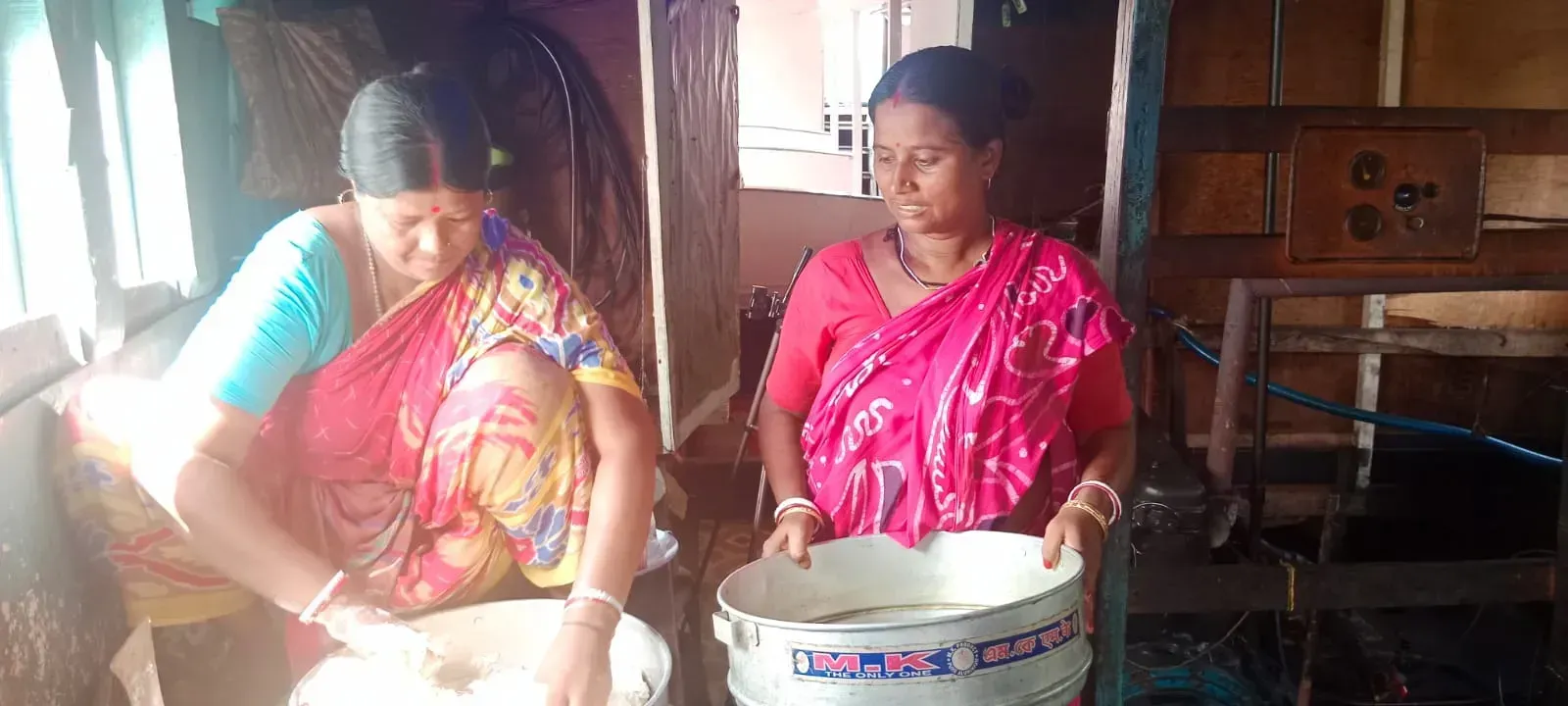
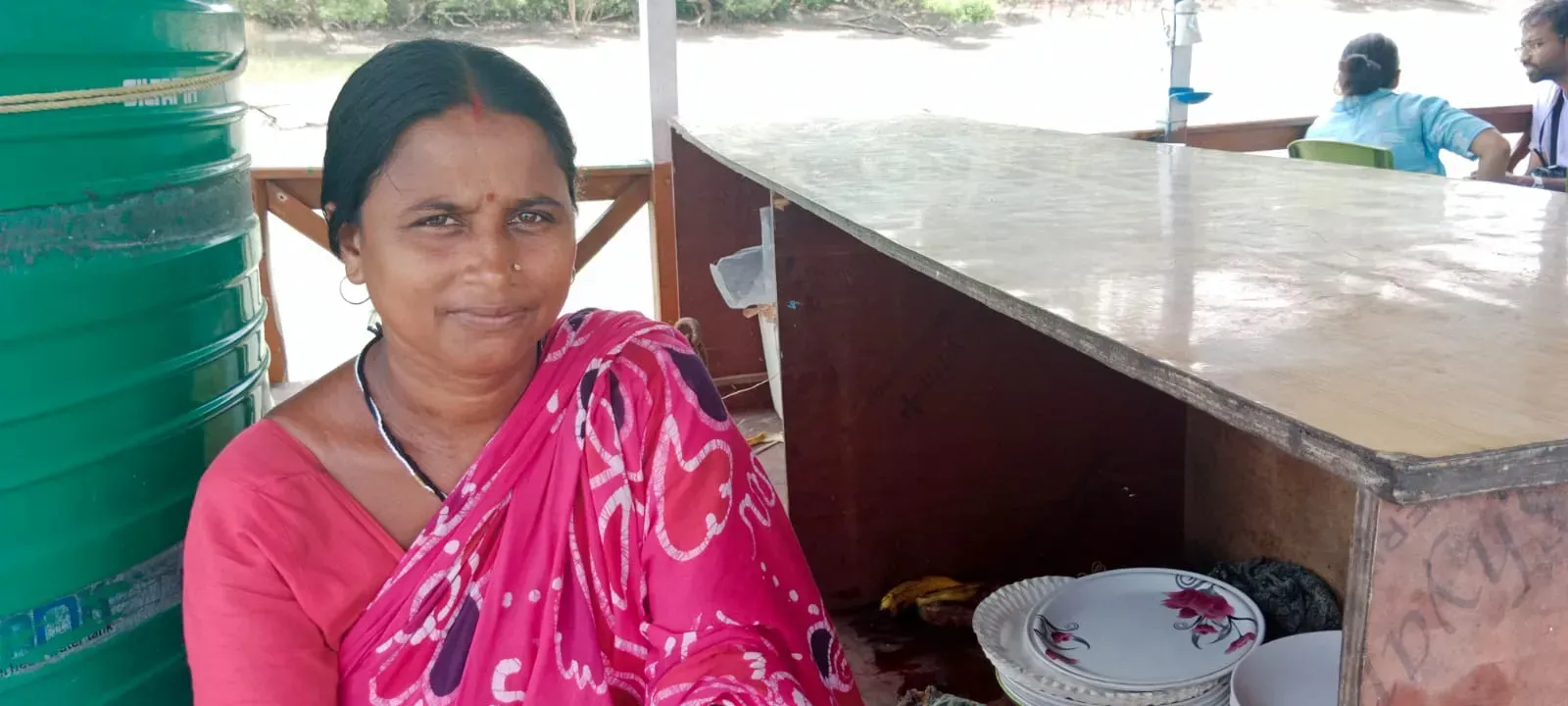
With the long hours of physically arduous work in the hot and humid weather of the Sundarbans, health problems are common among the women. “The heat has been too much to bear this year,” says Lipika, also a resident of Pakhiralay. In May last year (2024), temperatures crossed 40 degrees Celsius. “I am so tired from the heat,” she adds.
Lipika, now in her forties, started working on the boats 10 years ago at a day wage of Rs. 100. “If I get enough work, I can run my family…buy groceries for the household. I am also dealing with health issues,” she tells PARI. “I went to Kolkata for my treatment. But it is not possible for me to commute that distance,” she says.
"If one works for long hours at a stretch in the heat like we do, [our]blood pressure shoots up. There are times my blood pressure rises, especially if I have been working for some weeks without a break,” says Bhanumati.
The severe heat exhaustion during summers from working in the cramped space with long gaps between meals, is compounded by the heat of the summers. And then there is the nausea induced by the constant motion of the boats. The women mention Panchamukhi – a point in the Sundarbans where five rivers meet. Considered a scenic spot, it is dreaded by the cooks due to the high tide which makes the boat rock. “Every time I pass this spot, I feel like throwing up. After all these years, I still feel so scared during the tide. I shut my eyes tightly till it passes,” says Bhanumati.
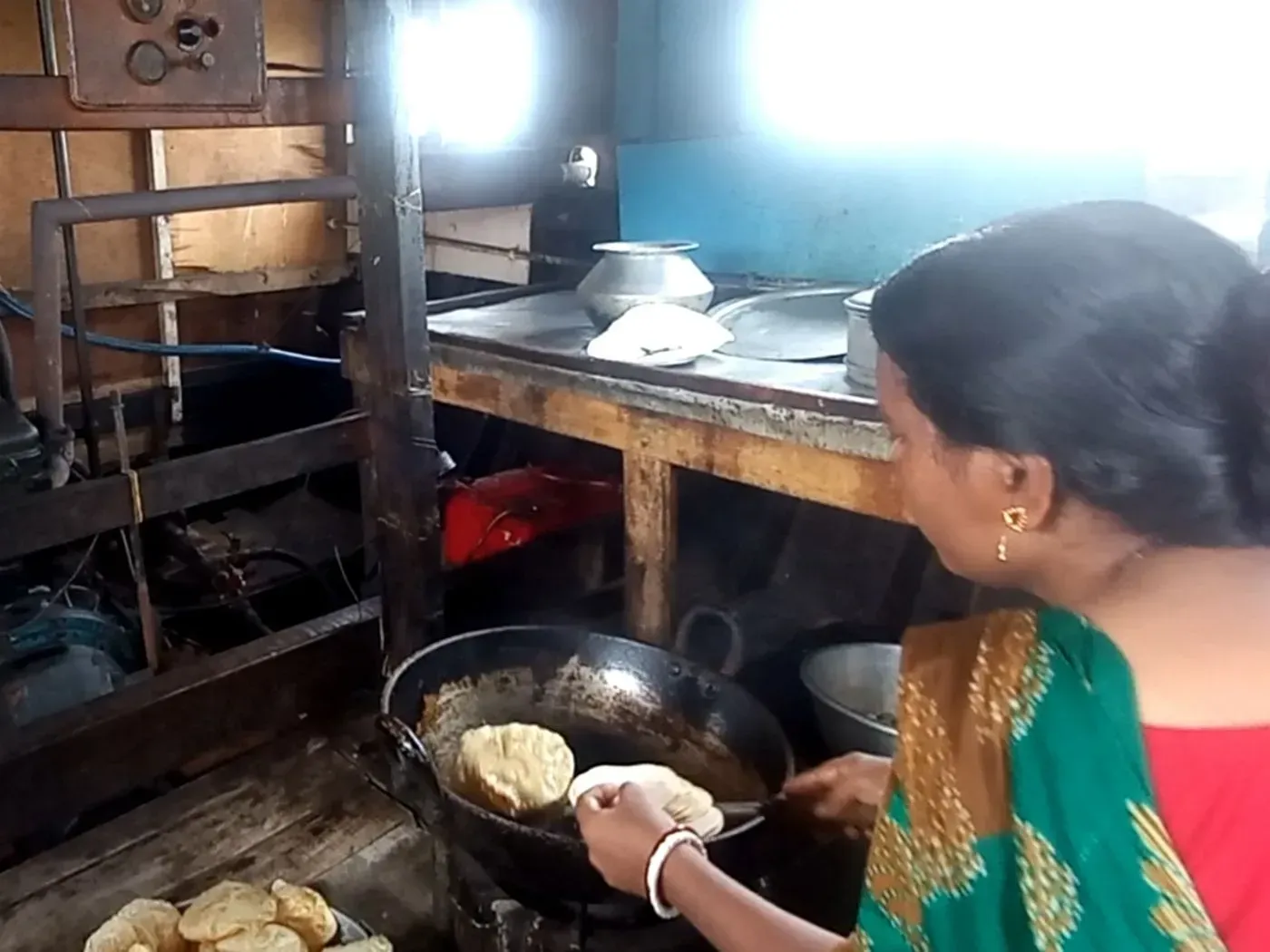
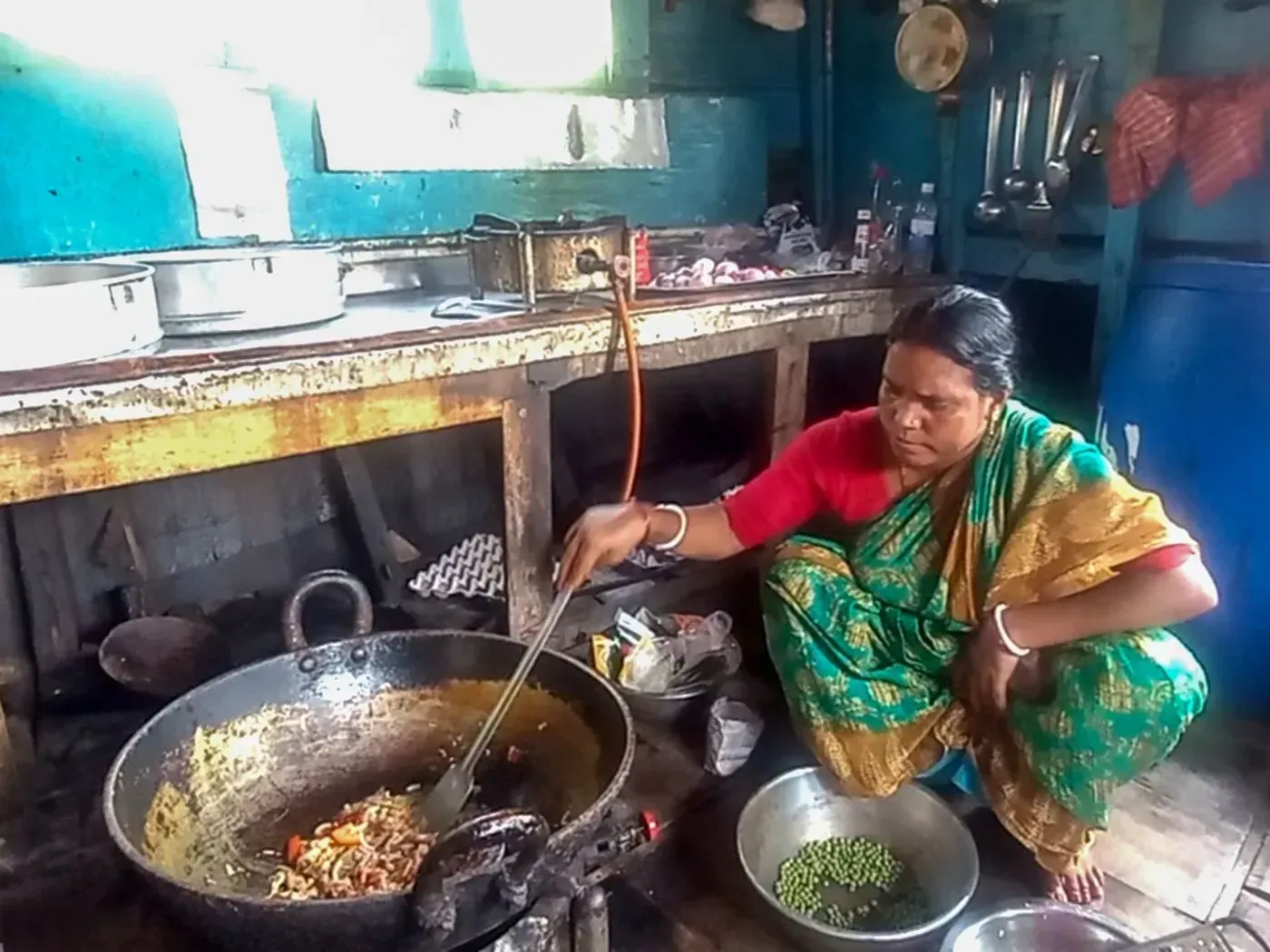
As the tourists wrap up their leisurely lunch, some of them ask for a second piece of sandesh. A few gather around the local guide to know more about bonbibi which means lady of the forest who is worshipped as the protector of forests, the youngsters huddle by the deck and put music on their phone, the solitary ones take up the corners and enjoy the sight — the core forest areas of the Sundarbans. The sudden high tide and splash of water draw a few mild screams – ones of excitement – from the crowd.
Anthropologist Annu Jalais comments on the stark difference between booming state investment in tourism in the Sunderbans, while ignoring the needs of the people serving that sector. “There is a dearth of hospitals, dispensaries, schools and colleges. [Workers] are paid a pittance for their work, especially the cooks, gardeners, and those who work on boats,” points out Jalais who is Associate Professor at KREA University. She has a body of extensive research on the Sundarbans in both India and Bangladesh spanning over two and a half decades and is the author of Forest of Tigers: People, Politics and Environment in the Sundarbans.
The state website admits that this is a … “backward region of the State inhabited predominantly by SC & ST population; the terrain is very inhospitable and inaccessible; the communication is difficult and life is very hard.” And there has been a concerted push for eco-tourism to aid ‘development’.
Economist Jayati Ghosh disagrees with the state’s move: “What is being promoted as ecotourism is undeniably based on the exploitation of very poorly paid wage labour. The health conditions of the women are at stake,” points out Ghosh who has written extensively on women and labour. “Policymaking overlooks the conditions under which women work, and the nature of their work,” she said in an interview to this reporter.
Ghosh is right – the women who cook on boats remain at the bottom of the hierarchy in terms of wages and work conditions. Most of the cooks on the boat are women and the few men who occasionally take up this work are paid a couple of hundred rupees more. The cheapest labour is employed for these jobs. “We mostly employ locals. The cook receives up to 600-700 rupees and the helper gets around 400 [rupees]. They are usually responsible for cooking breakfast, lunch and dinner,” says Arup Sarkar, a tour manager based in Pakhiralay.
Despite the health challenges and poor working conditions, Bhanumati is unsure what else can give her a steady income. In the 21 years that she has been married, she has tried her hand at multiple things – growing paddy, chillies and potatoes on the 2.5 bigha (less than an acre) family land, catching crab and fishing.
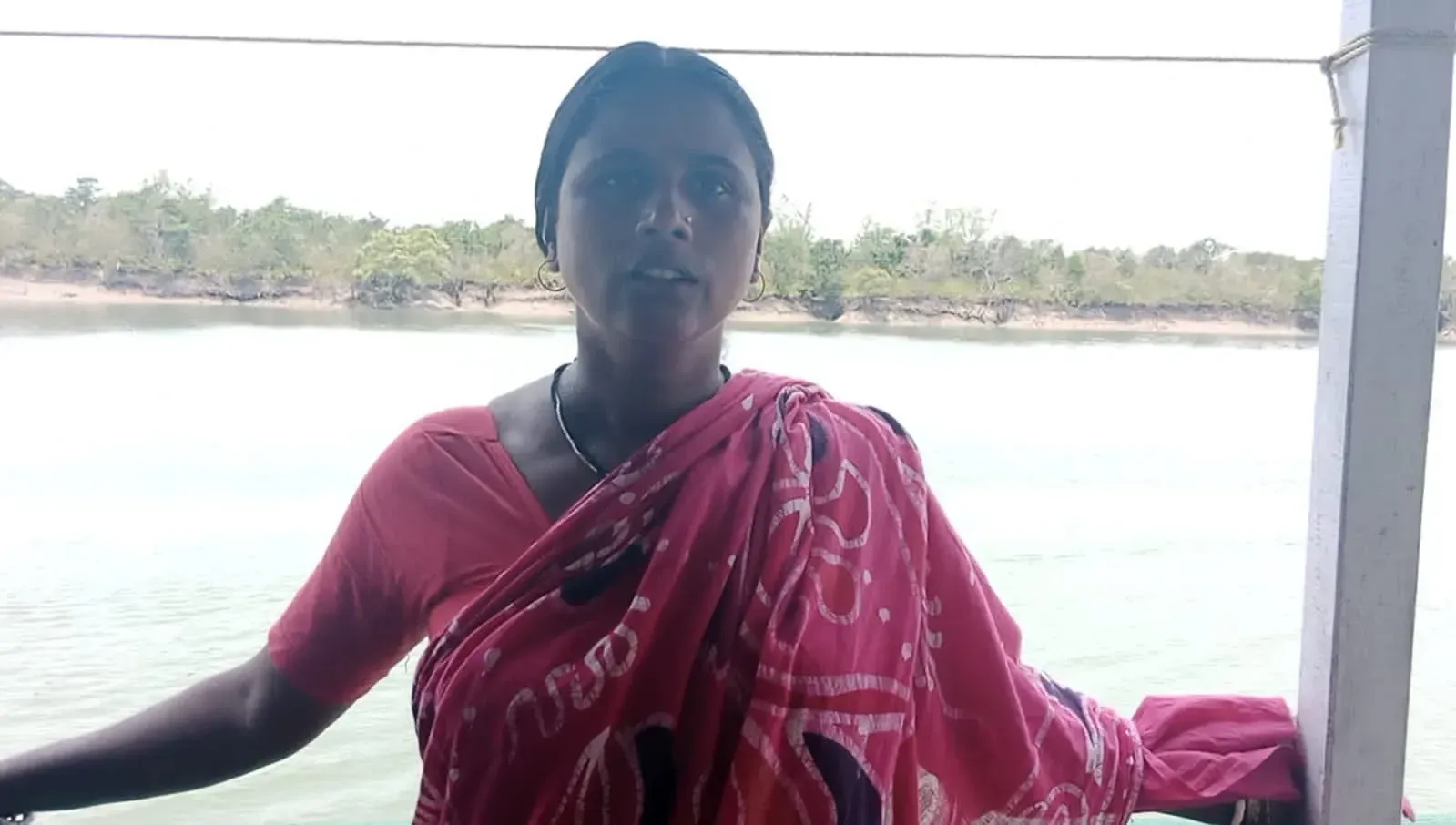
But Sundarbans has been changing very fast and the frequent cyclones have destroyed the scope for farming. “There is always a storm or rain,” Bhanumati says and adds, “earlier we would cultivate chillies, lentils, paddy...but once the saline water comes into the field, there is nothing we can do.” The cyclones also wreak havoc on their homes. “How can we lead a normal life if we have to rebuild our homes every year after a cyclone?” she asks this reporter.
The number of extreme climatic events in this fragile ecosystem is only rising. “In the last 16 years, we have recorded 16 cyclones over the Bay of Bengal, at least five of them were disastrous. The sea-surface temperature [in the Bay of Bengal] is ever increasing — almost double the rate of global average,” points out Kalyan Rudra, chairperson of the West Bengal Pollution Control Board. This is displacing the local population, adds Rudra, as the sea is constantly encroaching inland and eroding the coastal front.
In the absence of work back home, Bhanumati’s husband Chanakya Mondal migrates to Andhra Pradesh twice a year to work as a daily wage labourer in paddy fields. Her elder son, Manas, works as a travelling salesman of health supplements. To support his family, the 20-year-old had previously migrated to Kolkata to work as a day labourer and also worked as a manager of a lodge in Sunderbans where he had to run everything.
Keen to continue with his academic journey, he has recently taken admission in a college in nearby Pathankhali, while keeping his salesman’s job. Bhanumati says, “He has always wanted to study. I could not accept that he had to do daily-wage work.” Their younger son Hirok is in school. When Bhanumati and her husband are away at work, he often has to stay at home alone. “I worry about him,” his mother says.
Bhanumati is standing in line outside the gynaecology OPD (outpatient department) at a private medical college in Kolkata. This is her third visit in a little over a month. “Now that I have my USG [ultrasonography] report, hopefully there will be a decision on my condition,” the 38-year-old resident of Pakhiralay says.
The USG report shows Bhanumati suffers from adenomyosis — a condition in which the lining of the uterus starts growing into the muscles of the womb and can lead to excessive and prolonged bleeding. She first started seeking treatment in October, 2023 when she was diagnosed with cysts. But last year, Bhanumati’s bleeding did not stop for 60 days straight. “I needed rest. But I could not afford to,” says Bhanumati.
She can come to the hospital if she gets a rare off day during the busy tourist season. Even the day before her visit in January 2025, she worked for 10 hours, cooking 15 dishes with the assistance of a helper. When she went back home that night, her husband had already cooked dinner for the family of four. “It was a relief that the food was ready,” Bhanumati smiles.
She has made three visits to the gynaecology department at a private medical college in Kolkata in little over a month. An earlier visit almost didn’t end well when the worried doctor wanted her to stay back as her iron levels were poor. “Who will care for me in the city? I know nothing about cities to spend a night here,” she told this reporter. Eventually, the results of her haemoglobin tests came in and the doctor said she could go home, but getting back to work on the boat in Pakhiralaya was out of the question for a few days.
“In public health policy, the intersectionality between labour and health is not recognised,” points out Ghosh. “The only considerations are the parameters of adolescent health, pregnancy and childbirth.”
Many people have left the village in search of work but Bhanumati has stayed back. “I always found ways to earn money here.” Her dream is to build a pucca house in the village. They have received Rs. 1.2 lakh from the Pradhan Mantri Awas Yojana scheme, but need to put together around Rs. 6 lakhs to build a two-room house.
For that, she says, “I need to keep working on the boats.”