


The contribution of Indigenous communities in relation to the marine ecosystem.

Sasi has become a part of Papuan society and is practiced in other natural resources, whether it is on land or in the sea. Based on the principle, sasi contains a meaning of restriction to take from certain resources for a period of time, with the purpose of providing benefits to those who do sasi. The practice of sasi, which has been done for a long time by the people in Wondama Bay, is an implementation of the ‘green economy’ concept, ‘blue economy,’ and ‘blue carbon’ that is currently starting to echo globally.
Jayapura, Jubi – “So, this is Aisandami Village,” said Melania Hegemur in the port of Aisandami Village. Melania Hegemur is a manager for an ecotourism group called ‘Wadowun Baberin’ in Aisandami Village.
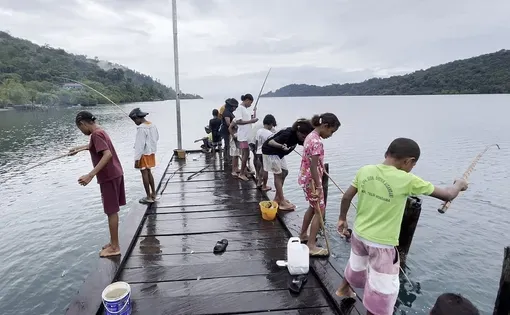
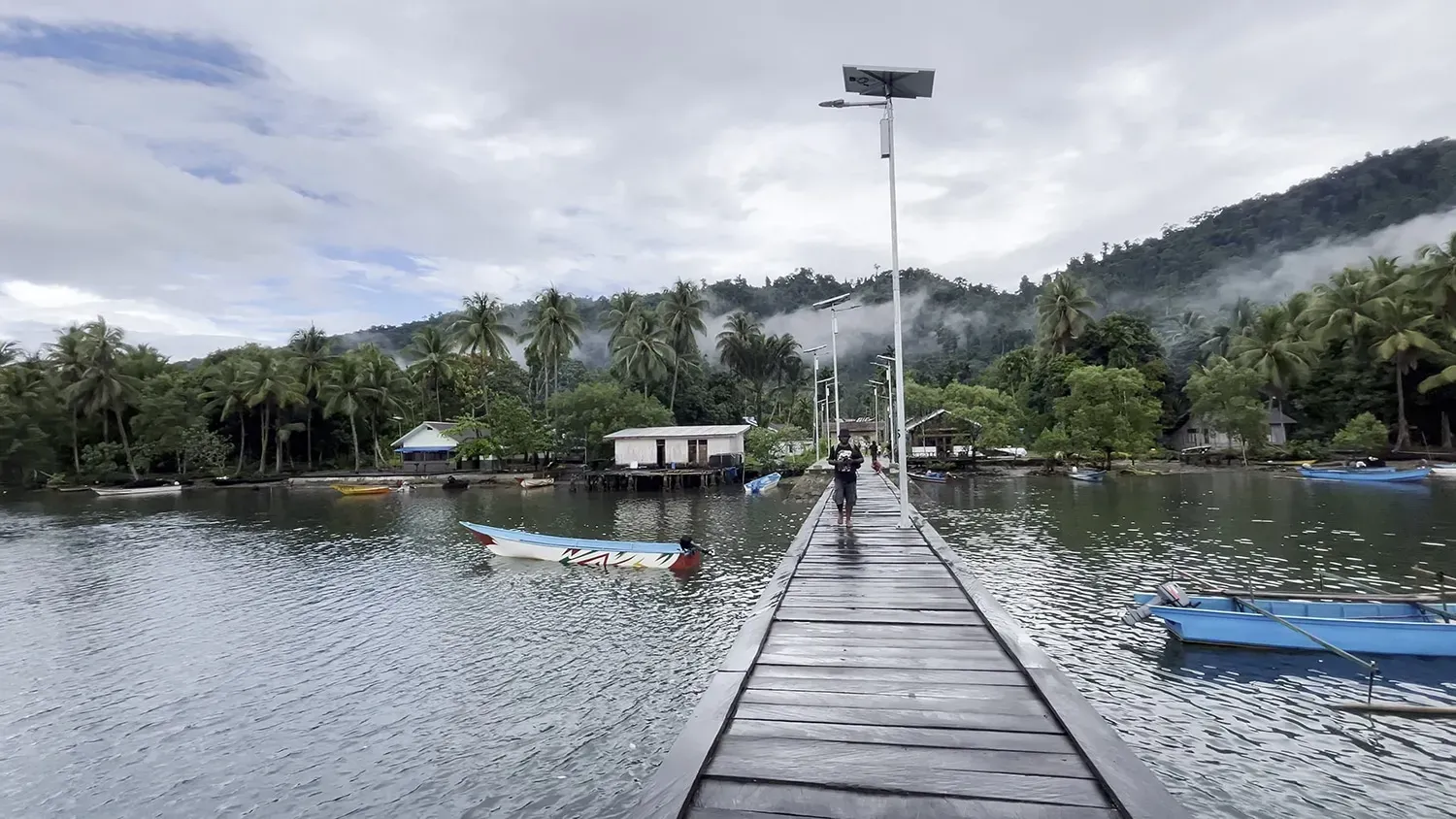
The atmosphere that morning was very calm. No noise from vehicles or the hustle and bustle of crowds. Stillness enveloped the village because Aisandami is located far from the city. There was only the sound of crickets and bird whistles that broke the silence. Along with laughter of children in the village who were fishing at the end of the bridge.
As we approached that bridge, we were treated to the views of the calm Duary Bay. The vast mangrove forest and the mixed forest that guard the bay. It is no wonder that this calmness inspired Melanie and her friends to name their tourism group ‘wadowun baberin’ which means ‘calm bay’.

As a nonprofit journalism organization, we depend on your support to fund more than 170 reporting projects every year on critical global and local issues. Donate any amount today to become a Pulitzer Center Champion and receive exclusive benefits!
With Thonci Somisa, the head of ecotourism group ‘Wadowin Baberin’ and a villager in Aisandami, they have not only developed homestays but have also promoted the practice of sasi in the waters of Numamuram over the past five years. In Numamuram Island, where Aisandami Village is located, Thonci Somisa and her group uphold the practice of ‘Sasi Laut’ or Marine Sasi, which in the local language is called ‘Kadup’.
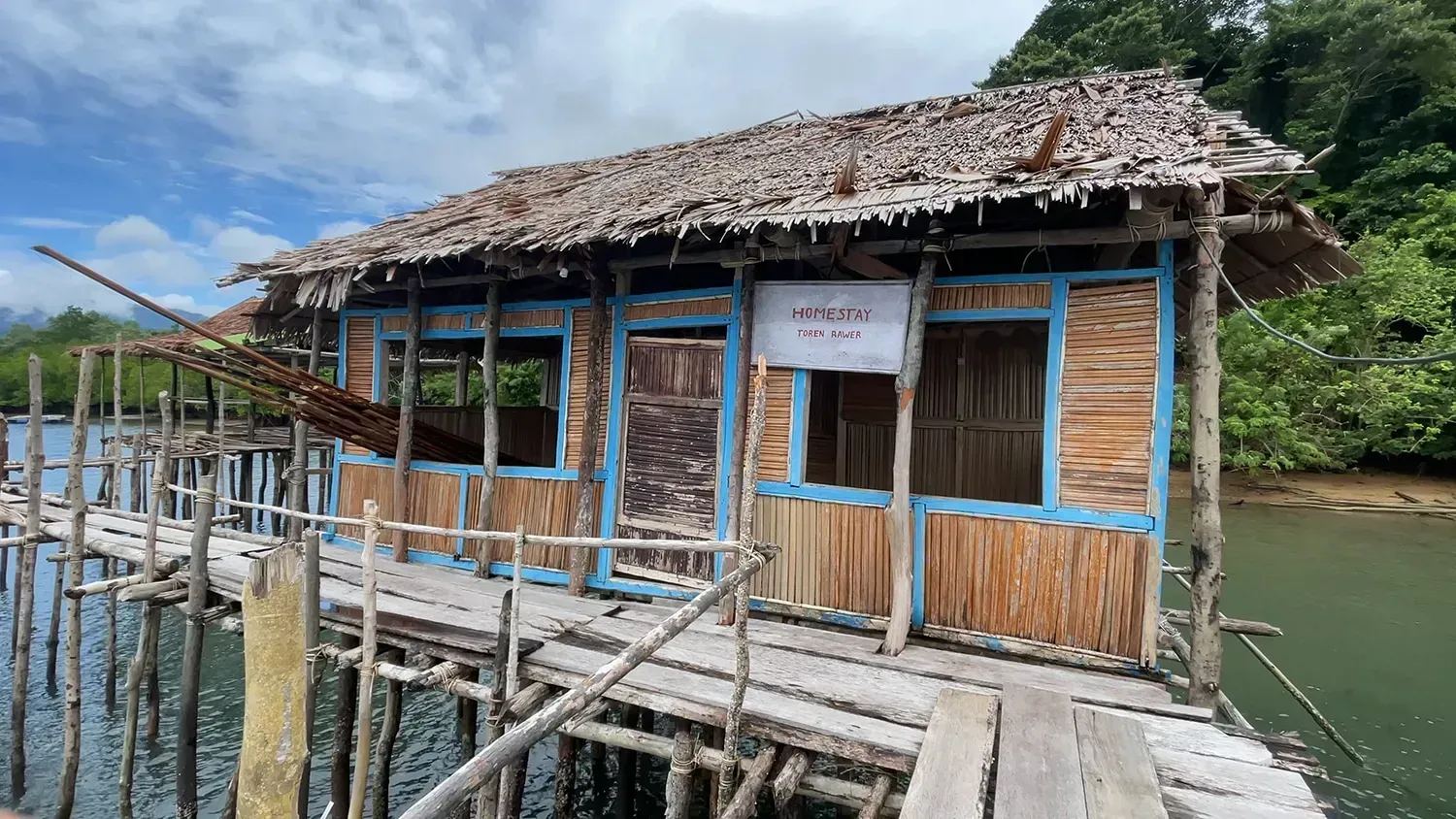
Kadup, said Melania, is an important method that needs to be preserved to ensure that sea life in the territory of Aisandami is still protected, allowing tourists to enjoy the view of marine life with reefs and plenty of fish.
“When we implement sasi, the fish will be abundant and tourists that visit can become one with the fish” she said.
Melania recounted the practice of sasi that has been carried out around Numamuram Island for four years, from 2020 until 2024. When sasi was opened on December 5 2024, not only the villagers of Aisandami that visited, but also other villagers nearby and visitors from town also joined in to harvest the fish around Numamuram Island.
“We closed for sasi in 2020 and opened on 5 December 2024 with an agreement of two weeks to harvest, and then close again. But due to certain reasons, this area has not yet been sasi-ed again,” she said.
However, Thonci Somisa continued, for some marine life like dugong, giant clam, and napoleon (Cheilinus undulates) are still prohibited from catching. Only shrimp, teripang and other fishes that can be taken by the villagers for consumption but not for selling.
Somisa worries that the implementation of sasi can be forgotten if no tourists come and visit. Because she believes that the presence of homestay (that is developed by villagers), Numamuram Island and sasi is one system that helps each other.
The Blessings of Sasi
The term “sasi” originally came from the village of Haruku in Maluku. This term was brought to Tanah Papua by the church as they brought teachers from Maluku to protect gardens or food that was reserved by the church.
Since then, sasi has become part of Papuan culture and has been practiced regarding other resources, whether on land or in the sea. Even though the practices similar to sasi were also owned by the indigenous peoples in Wondama Bay Regency, for example, the people of Menarbu, who use the language of the Roon Tribe that calls it ‘Kadup,’ which means ‘closed area.’
However, the term sasi is more familiar in Tanah Papua. Based on the principles of sasi, which contain the meaning of prohibiting the harvesting of resources for a certain period of time, the purpose is to provide benefits to the people who implement sasi.
If in Aisandami village, sasi is called kadup in the local language, Sombokoro village also has its own term for sasi. Korneles Mnuari, an indigenous elder in Sombokoro village, said that sasi in his village is called wate and sawora. Wate means ‘giving limits’ and sawora means ‘oath.’
“When someone crosses the limit, accidents can happen. So people are afraid to enter those restricted areas,” he said.
For Mnuari, sasi is very important to preserve because it highly impacts the people’s income in his village.
“When we opened the sasi, our group could earn up to Rp10 million for one harvest. Fish from the sasi location are sold to Wasior, the capital city of Wondama Bay Regency. Unlike areas that did not implement sasi, the earnings don’t make up to Rp1 million,” he said.
The villagers of Menarbu also applied sasi. From the harvest of the 2024 sasi, the church in Menarbu Village earned incentives of Rp79 million.
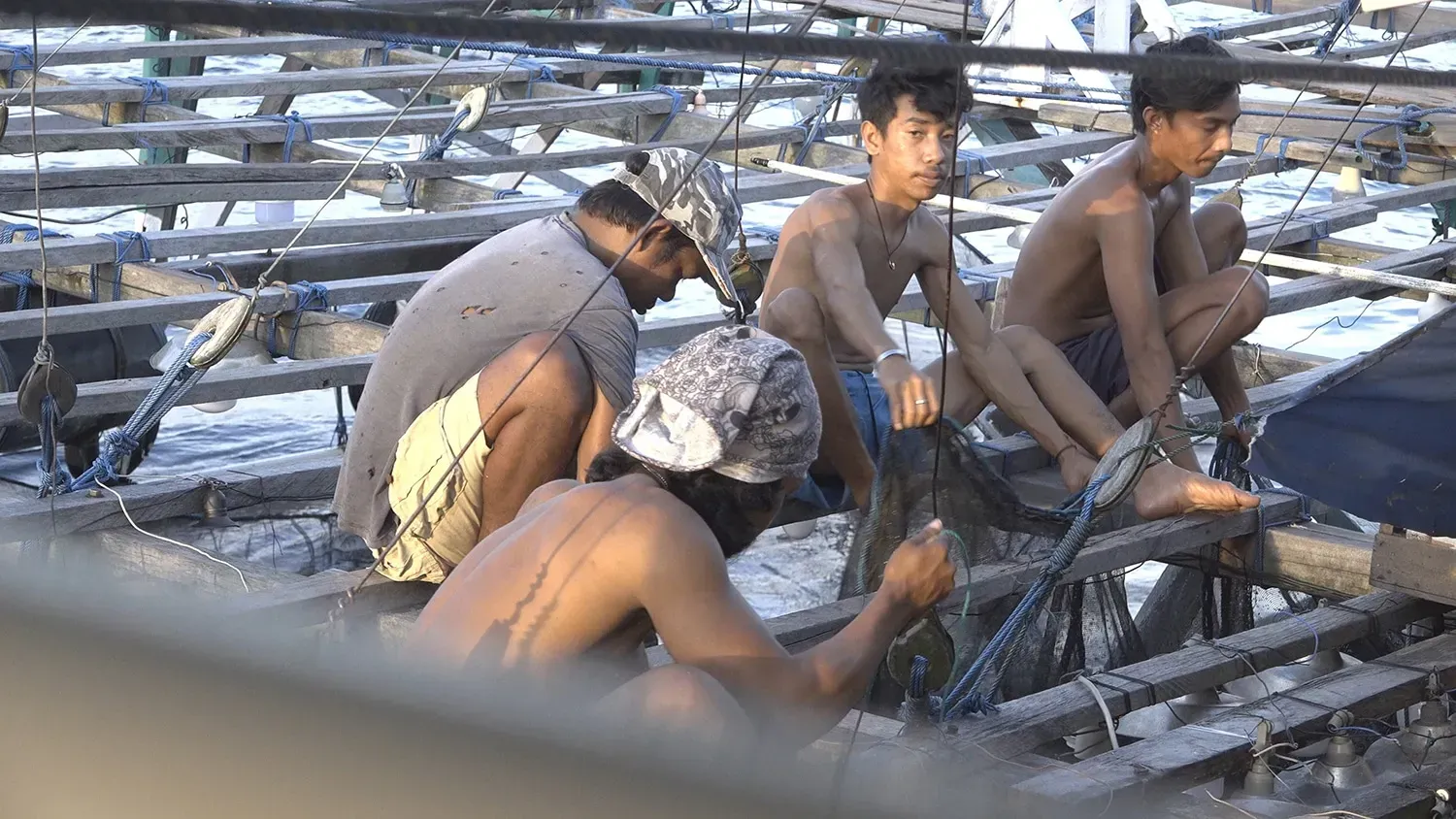
“There were two ships that came; they asked permission to find sea cucumbers in the location of the opened sasi with a compensation payment of Rp79 million to the church. The villagers agreed to allow one month for them,” said Niko Wenemseba, the deputy head of the GKI Sion congregation in Menarbu.
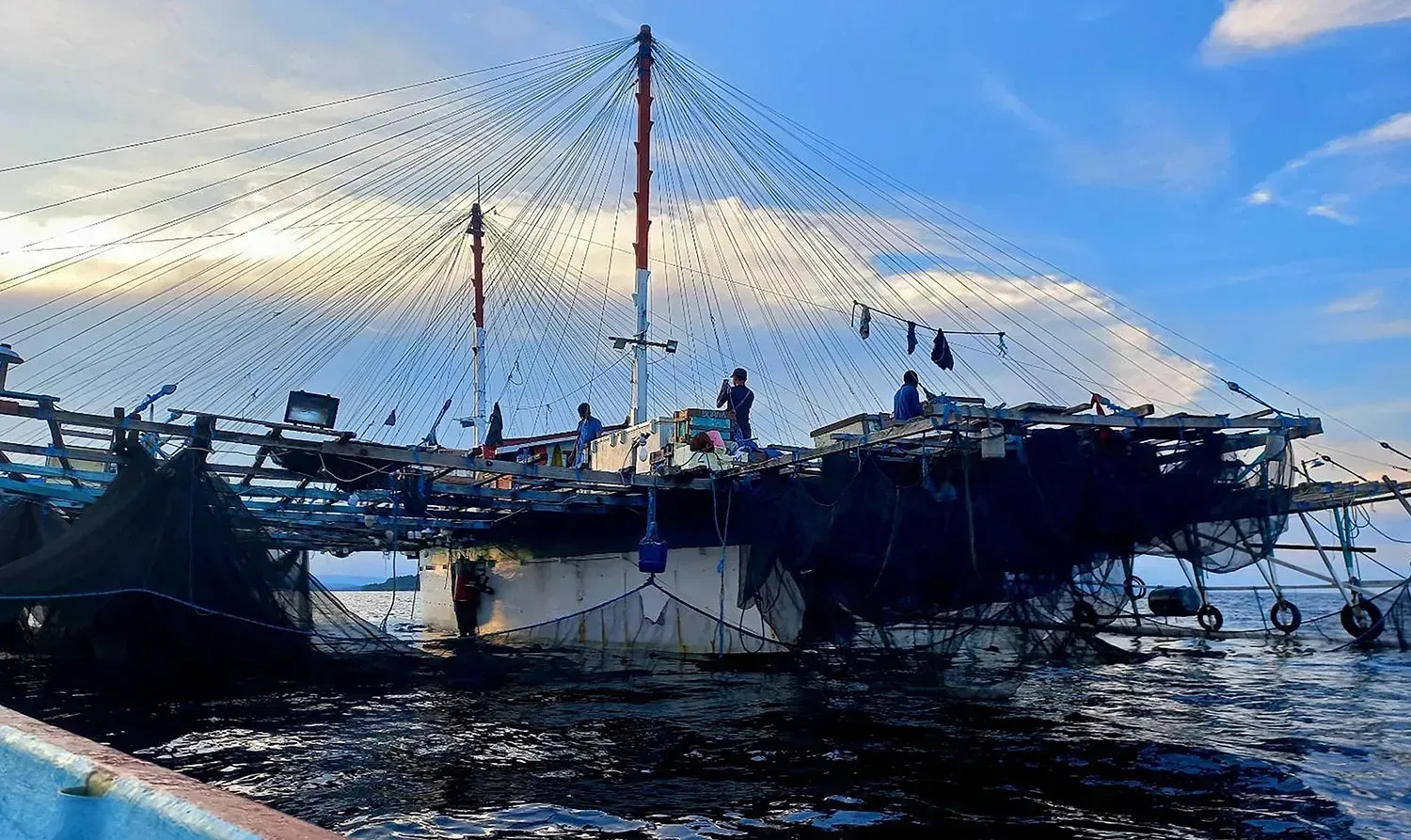
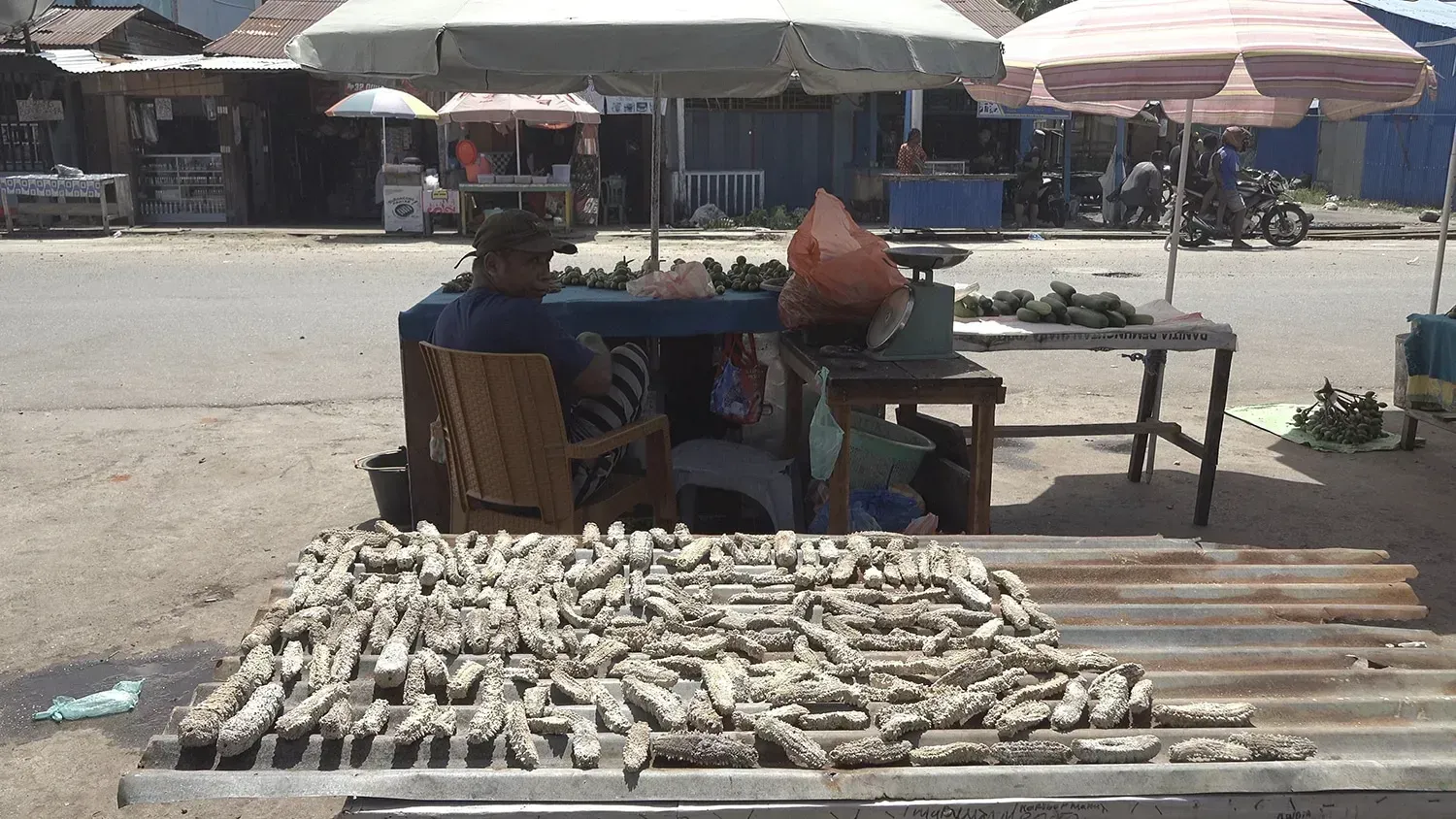
Niko admitted that he does not know how much the catch of sea cucumbers from the two boats is, given that they paid Rp79 million over the course of a month. However, at the Wasior Market, a sea cucumber collector there mentioned that the price for 1 kilogram of sea cucumbers ranges from Rp40,000 to Rp1.9 million. The results could be much greater than Rp79 million for two ships over a month.
Based on the Food and Agriculture Organization (FAO), a wet sea cucumber can shrink up to 96 percent. If a wet sea cucumber weighs 500 grams, then when dried, it will weigh 20 grams.
If those two boats catch sea cucumbers for one month, it can be estimated that they will catch around 4,000 to 5,000 wet sea cucumbers. This means that if the catch consists of super sea cucumbers, the price is estimated to be Rp500 million. If half of that catch is not super sea cucumbers, then it could be Rp250 million.
The abundance of sea life in some sasi locations in the coastal villages of Wondama Bay, which is included in the Cendrawasih Bay National Park Management Zone, is also supported by the research of Yusup Adrian Jantewo and M. Lazuardi, published in the Journal of Sustainable Development ‘Igya Ser Hanjop’ December 16, 2021 edition.
A research, titled “The Impact of Sasi on the Diversity of Species, Composition, and Abundance of Megabenthos in the Waters of Wondama Bay Regency,” examines the practice of sasi in the villages of Sombokoro, Menarbu, and Aisandami.
Jantewo stated that the research he conducted resulted in significant differences, with almost three times more megabentos individuals observed in the designated sasi area, totaling 1,027 individuals, compared to only 330 individuals in the non-designated sasi area.
“One thing that is very important here is that we found a large population of parrotfish (Scarus frenatus). This is different from other places in Papua, where the population of parrotfish is decreasing,” said Jantewo.
He also explained how parrotfish are very important for the marine ecosystem, mainly coral reefs. He concluded that the local people of Wondama Bay already understand the importance of fish species for this marine ecosystem.
The joint team from the Faculty of Fisheries and Marine Sciences of Universitas Papua (FPIK Unipa), the World Wildlife Fund (WWF), and the Office of Fisheries in Wondama Bay Regency noted the effect of sasi on the increased abundance of coral fish species in the sasi-ed locations.
A report titled “Final Report of the Study of Coral Fisheries Management Performance in Fishing Areas with Sasi and BUMKam in Wondama Bay Regency using the EAFM Approach,” published by the joint team in June 2021, stated that an abundance of coral fish was found in two villages, namely Menarbu with 30 species and Yop Meos Village with 29 species.
The abundance of seagrass, mangrove and coral reefs in Wondama Bay
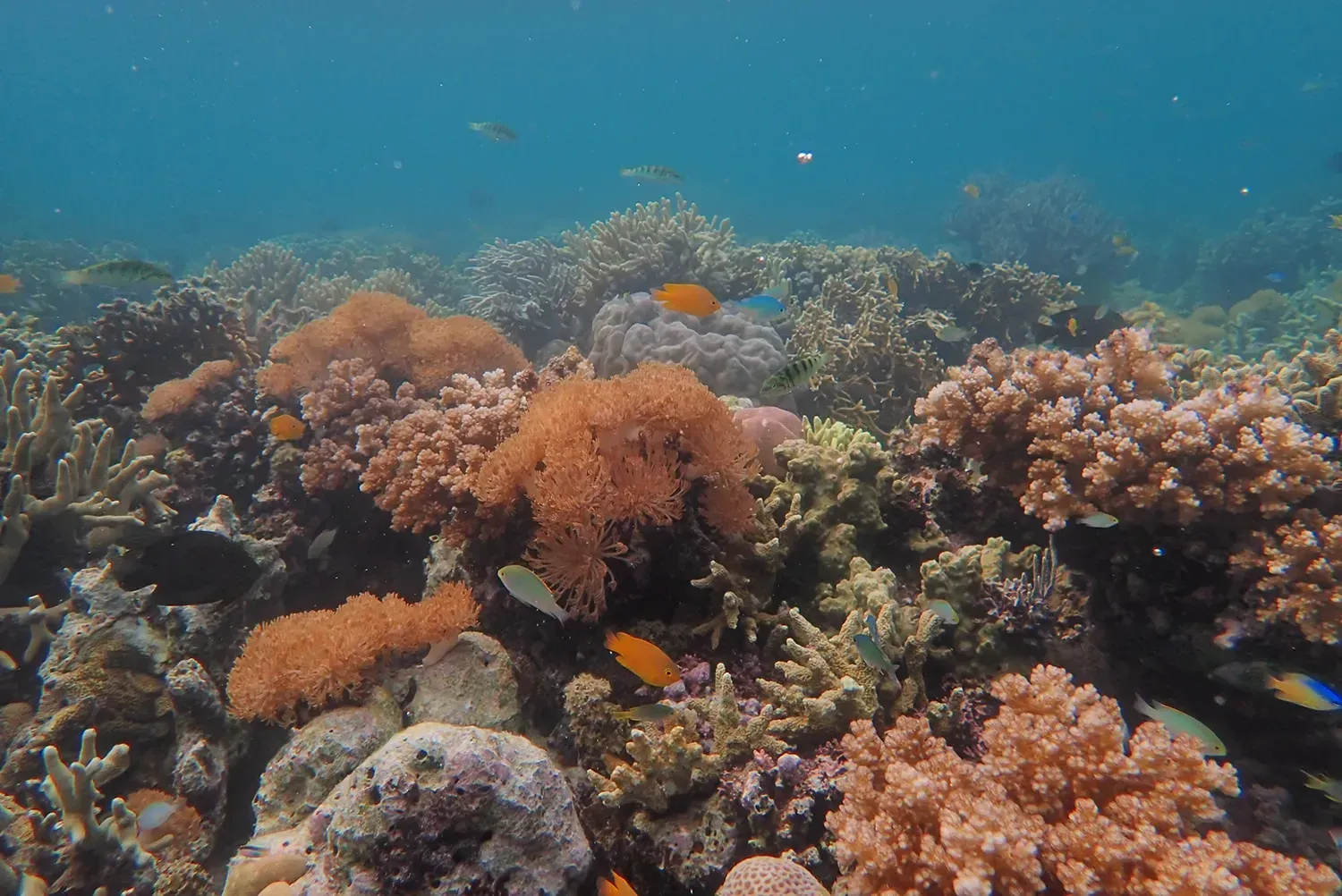
The joint team from the Faculty of Fisheries and Marine Sciences of Universitas Papua (FPIK Unipa), WWF, and the Office of Fisheries in Wondama Bay Regency also noted other sea life potential in sasi locations in Menarbu and Yop Meos, which include coral reefs, seagrass meadows, and mangroves.
Seagrass is one of the essential ecosystems in coastal areas. Its ecological function is very important for a variety of species and sea life, such as fish, which serve as nursery areas, protection, and grazing fields. Seagrass is a feeding ground for fish and has a strong connection with charismatic biota like sea turtles, dugongs, and seahorses.
In 2016, the types of seagrass composition found in Menarbu included about 6 species, while in Yop Meos, there were 7 species. In Yop Meos, seagrass coverage can reach the value of 40.61 percent, which falls into the medium category; on the other hand, in Menarbu, it is 28.99 percent, which is considered low.
Mangroves in Menarbu Village are dominated by the species Rhizophora stylosa, while in Yop Meos Island, they are dominated by Rhizophora mucronata. Based on the clusters, Menarbu Village is considered medium (1,000 – 1,500 ind/Ha), and Yop Meos Island is classified as low (<1,000 ind/Ha).
The coral reef ecosystem in Yop Meos Village has hard coral (Scleractinia) cover level in the high category (more than 50 percent) with 54.46 percent coverage. While in Menarbu Village has 45.10 percent Scleractinia cover.
Based on the level of diversity, Menarbu Village can be found to have 9 types of coral life forms, with hard coral types mostly represented by Acropora Branching (ACB) and Coral Massive (CM). Meanwhile, in Yop Meos, there are 7 coral life form types, with hard coral types primarily found in Acropora Branching (ACB), Coral Massive (CM), and Coral Submassive (CS).
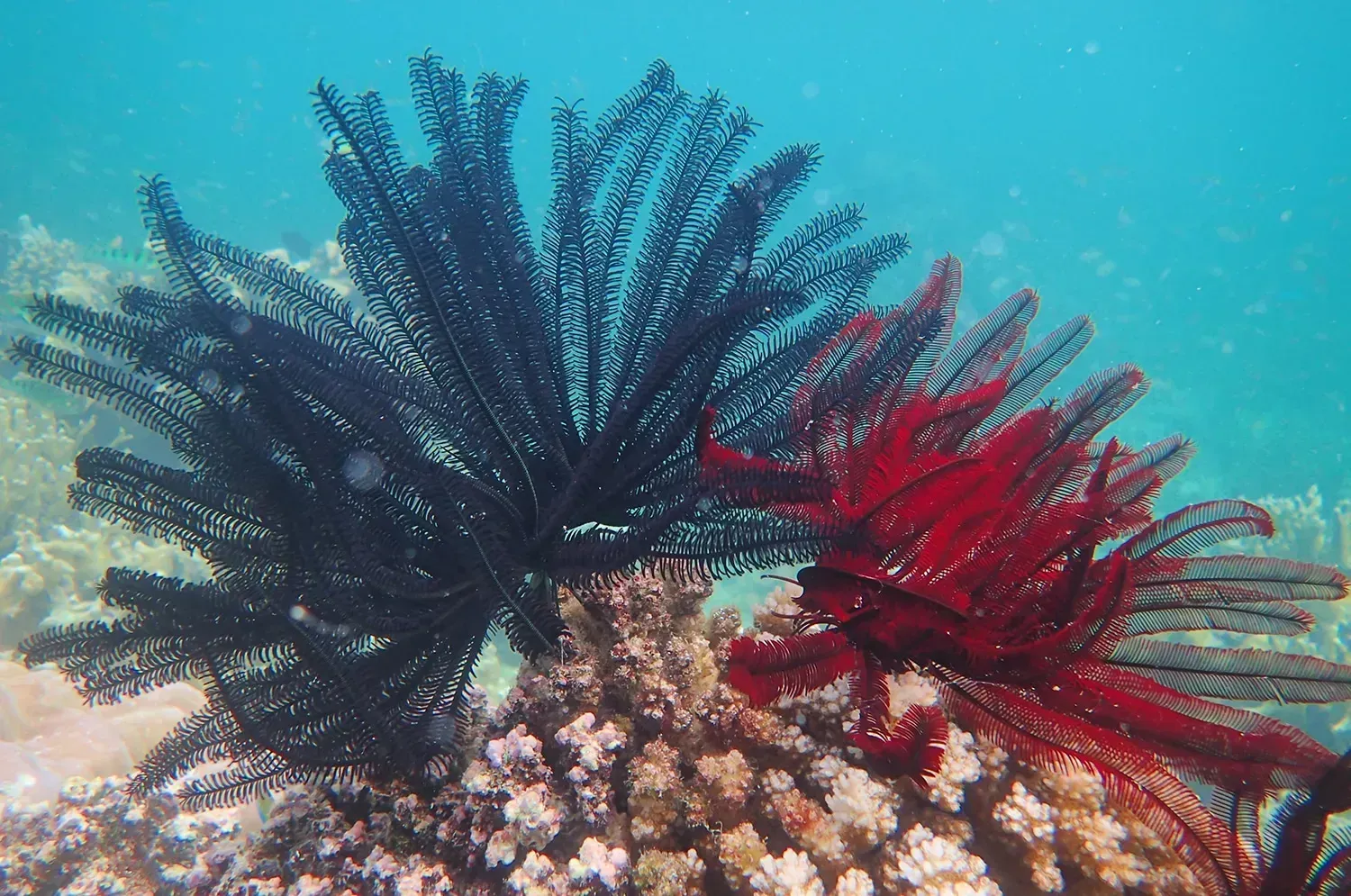
This ecosystem has formed an important system of networks that mutually supports the abundance and diversity of marine life. Because of this, the practice of sea sasi carried out by the people of Aisandami, Sombokoro, Menarbu, and Yop Meos indirectly protects the vital core of an important ecosystem in Wondama Bay.
Unfortunately, the abundance of marine resources has not yet impacted the household income of the villagers, as the Fishing Household (RTP) income in Menarbu and Yop Meos is lower than the minimum living wage (UMP) in West Papua, which was Rp3,615,000 in 2025.
However, the income in the Fishing Household (RTP) in Menarbu, for instance, significantly increased to Rp5 million to Rp10 million when sasi was opened. With this income, they can fulfill their secondary and tertiary needs and also save up. Fishery resources have become the main income source for the people in Menarbu, aside from processing and selling sago.
Along with the increased attention from various parties towards the development of Menarbu Village through seaweed conservation and sustainable tourism programs, the villagers of Menarbu want to develop the seaweed conservation and tourism business as a source of alternative income, such as providing homestays or becoming carving or weaving craftsmen.
Potential to become a Blue Carbon hub
The Coordinator of Community-Based Conservation and Indigenous Community Conserved Areas for WWF Indonesia – Papua Program, Veronica Manohas, stated that the practice of sasi, which has been carried out for a long time by the people in Wondama Bay, is the application of the concepts of ‘green economy,’ ‘blue economy,’ and ‘blue carbon,’ which are now starting to be echoed globally.
“Because they benefit from protecting the coastal and forest areas, they are able to earn economic benefits. So without realizing it, they have become an important part of the blue economy and blue carbon concepts,” said Veronica, who has accompanied communities in Wondama Bay for 11 years, from 2009 to 2020.
Wondama Bay in West Papua also has major potential to become a center for blue carbon. Natural carbon capture occurs there, she said, facilitated by the marine ecosystem, including mangroves, seagrass, and coral reefs.
This is also explained by researcher and lecturer of the Faculty of Fisheries and Marine Sciences at Universitas Papua, Nurhani Widiastuti S.Pi M.Si.
“This ecosystem continues to improve its conditions, not only helping to decrease carbon emissions but also to strengthen the food security and economy of the people there,” said Nurhani.
Nurhani believes that the presence of mangroves, seagrass, and coral reefs in Wondama Bay provides a great opportunity for blue carbon and also strengthens the blue economy.
“The local people, traditionally, have their own local wisdom, such as sasi or the open-closed catching zone system, that contributes to the revitalization of marine habitat and ecosystem stability,” she said.
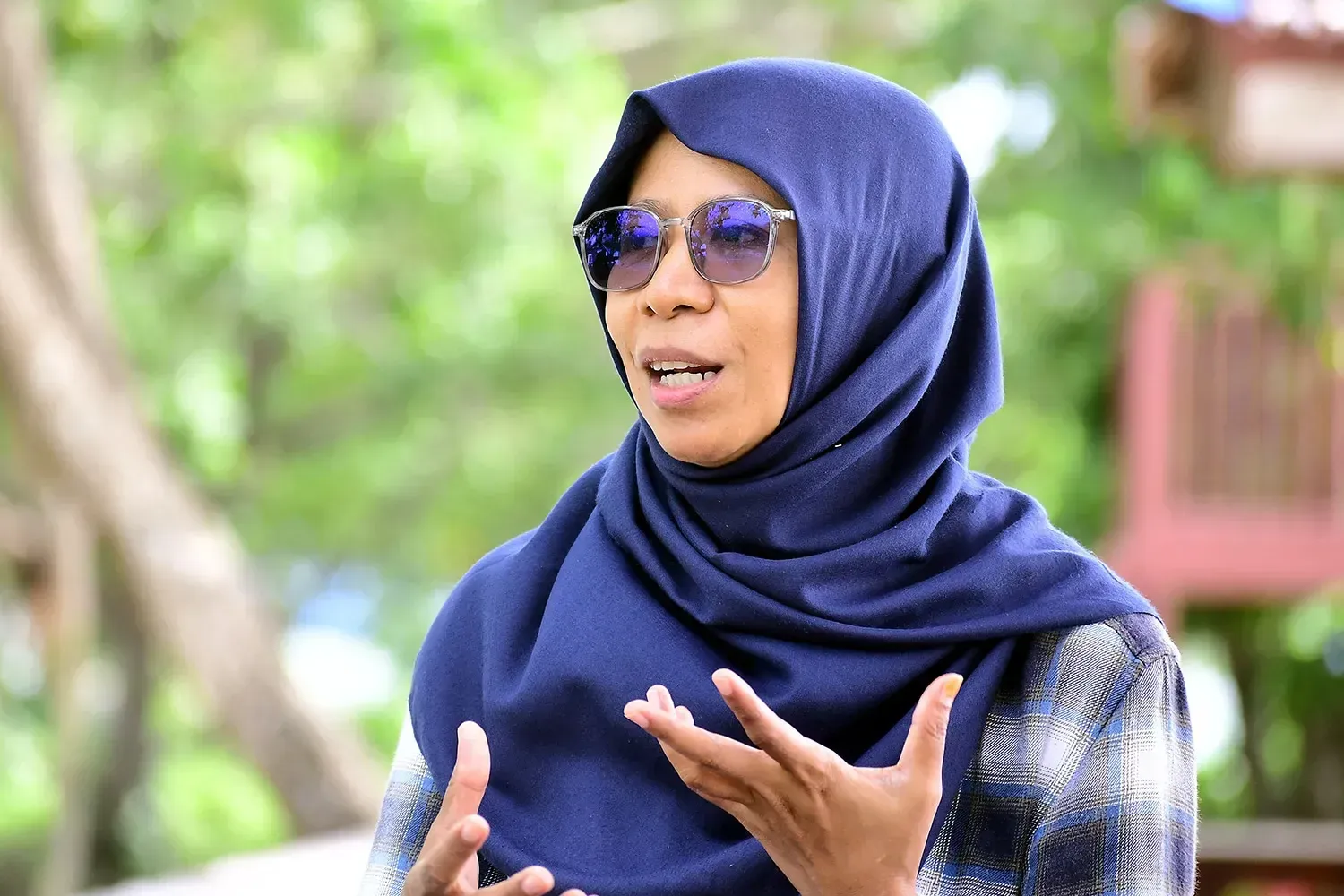
However, she adds that behind this potential, there is a serious challenge. This is because conservation models and carbon markets, such as carbon trading, often potentially trigger land grabbing.
Cases similar to those in a few African countries, said Nurhani, showed that women became the most at risk when it comes to losing access to coastal resources when conservation areas are secured for carbon trading.
“Similar cases can happen in Wondama Bay if the implementation of the blue economy and blue carbon does not take into account the basic needs and roles of indigenous women. Women are the main users of coastal resources and the backbone of household food security,” she said.
Nurhani believes that the concept of the blue economy and blue carbon in Wondama Bay will only be successful if there is inclusive management. The participation of women, indigenous communities, and a local community rights-based approach is key.
In addition, collaboration between the community, academics, government, the business world, and the media is crucial to build the foundations of a blue economy that is not only ecologically sound but also socially just.
“When we talk about the blue economy and blue carbon, indeed, there are economic and ecological potentials. But what needs to be certain is that there is no marginalization. There needs to be a balance between natural conservation, people’s prosperity, and the recognition of women’s rights and indigenous groups,” she said.
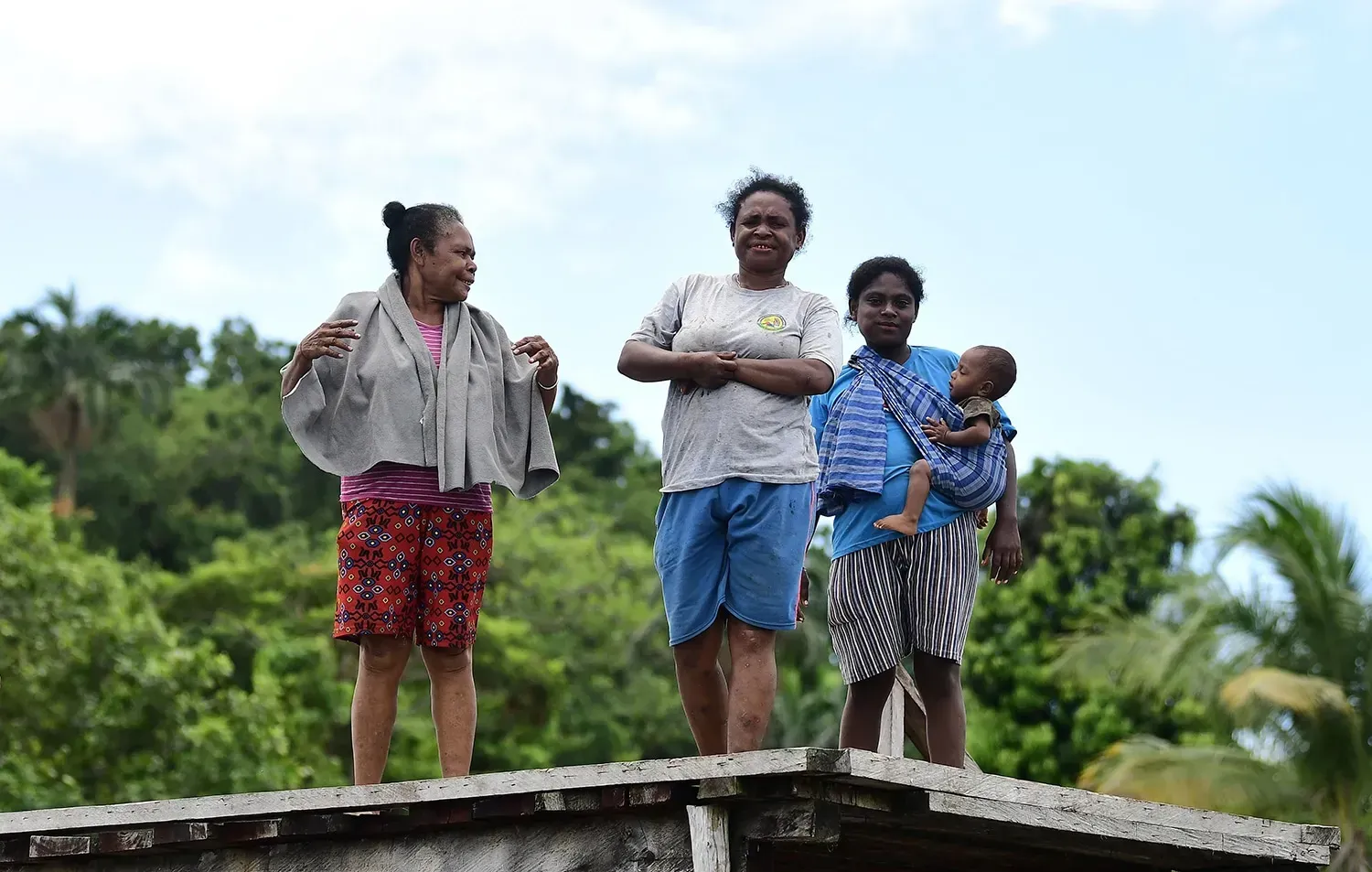
If not careful, Nurhani added, it may promote conservation that is ecologically good, but socially it may actually marginalize those who are most dependent on those resources.
“So the principle of blue carbon and blue economy indeed has potential, but the management needs to be inclusive and sensitive for women’s rights and indigenous groups,” she said.
Villagers can still find fish outside the sasi zone
The implementation of sasi in Wondama Bay does not cover all fishing grounds. The restrictions apply only to specific areas agreed upon by village residents. The sasi areas range from 5 to 50 percent of the village’s total natural resource management area.
Therefore, outside the sasi area, villagers can still fish for food to meet their daily needs or sell at the market as a source of income.
In Aisandami Village, for example, there are two common sasi areas: the sea area around Numamuram Island and the sea area around Busayor Homestay
The area around Numamuram Island covers approximately 98 hectares, while the area around Busayor Homestay covers approximately 11 hectares. This sasi area data is based on the Aisandami Village Sasi Area Map created by the Cenderawasih Bay National Park Office in 2021.
Thonci Somisa stated that the sasi area is only a small portion of the natural resource management area in Aisandami Village.
“Maybe only five or ten percent,” Thonci said.
Apart from the two designated areas, Somisa said, fishermen in Aisandami Village can still go out to sea and catch fish to meet their daily food needs or to sell at the market.
“The place is very big, so we can still find fish outside the sasi location,” he said.
Meanwhile, in Yop Meos Village, the area designated as sasi in Yop Meos Island is estimated to be around 1,500 hectares. The area of Yop Meos Island, including the shallow waters, is approximately 3,137 hectares.
“The sasi-ed location only from Tanjung Sange-Sange until Dua Island, that was north from Yop Mmeos Island,” said Melkion Kereway, Yop Meos Village Secretary.
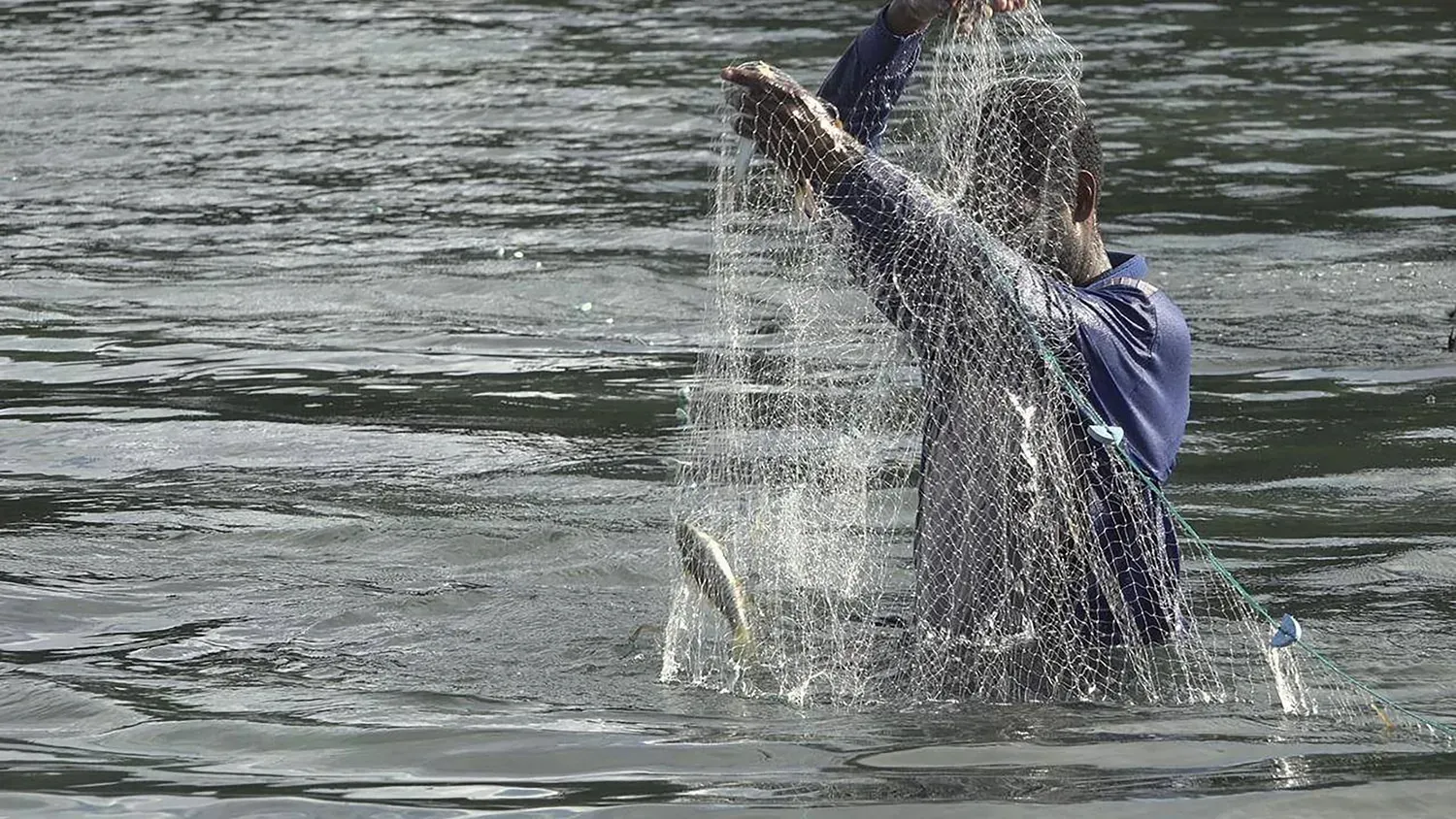
According to him, villagers fish daily in the eastern part of Yop Meos Island and in the waters in front of the village. Therefore, the implementation of sasi in the northern part does not restrict their livelihoods during the sasi period.
In Menarbu Village, the area under sasi covers approximately 520 hectares. This area was estimated using Google Earth based on information from Menarbu residents.
“I don’t know how wide, but the area that we sasi starts from Cape Omaswam to Cape Nuridipum,” said Yosias Menarbu, former Head Village in Menarbu.
When sasi is implemented, said Menarbu, residents of Menarbu Village can fish all the way to the tip of Tanjung Omaswam.
“Later, past the end of Tanjung Nuridipum, residents can search again; it’s free there, there’s no prohibition,” he said.
Local Government Commitment
Wondama Bay Regent Elysa Auri stated that she would prepare regulations regarding sasi. She also plans to establish a special storage facility so that sasi products can be sold not only for public consumption but also for economic benefit.
“Relevant agencies, such as the Wondama Bay Regency Fisheries Service, along with district heads, will disseminate the planned regulations. We will sit together to discuss this,” said Elysa Aury.
One of the Regent’s targets for marketing sasi products in the near future is channeling them to the Free Nutritious Meals (MBG) program.
“Later, the government will purchase fish directly from villages to support this Free Nutritious Meals program,” he said.
The MBG program in Wondama Bay Regency, the Regent said, requires a significant amount of fish, targeting the lunch needs of 4,900 children from preschool to high school. By purchasing directly from the communities implementing sasi, the community can earn money from the program.
“Therefore, this sasi is very important; it just depends on how well it is managed,” he said. (*)
Reporting Team
Reporters : Dominggus A Mampioper, Alberth Yomo, Adlu Raharusun, Alfian
Photographer : Engelberth Wally
Videographers : Yuliana Lantipo, Anggi Sagita
Narator : Natalia Andilan
Video Editor : Murids Yansip
Infographic : Leonard Ohee
Editors : Victor Mambor, Aryo Wisanggeni, Syofiardi Bachyul
Translators : Nuevaterra Mambor, Dina Danomira, Elfriede Rumaseuw



