

Project
A Retomada (The Revival)
The struggle of Indigenous people in Brazil to secure their fundamental rights

An English summary of this report is below. The original report, published in Portuguese in Rádio Novelo, follows.
In 2010, several girls from the Puyanawa Indigenous people, in Acre in the Brazilian Amazon, began showing the same symptoms: They screamed, had violent reactions with unusual strength, and would run off—almost always toward water. Most of the community, which had a strong evangelical presence, interpreted these manifestations as demonic possession, but exorcism rituals could not contain them.
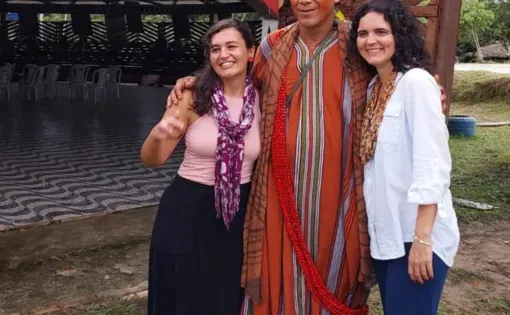
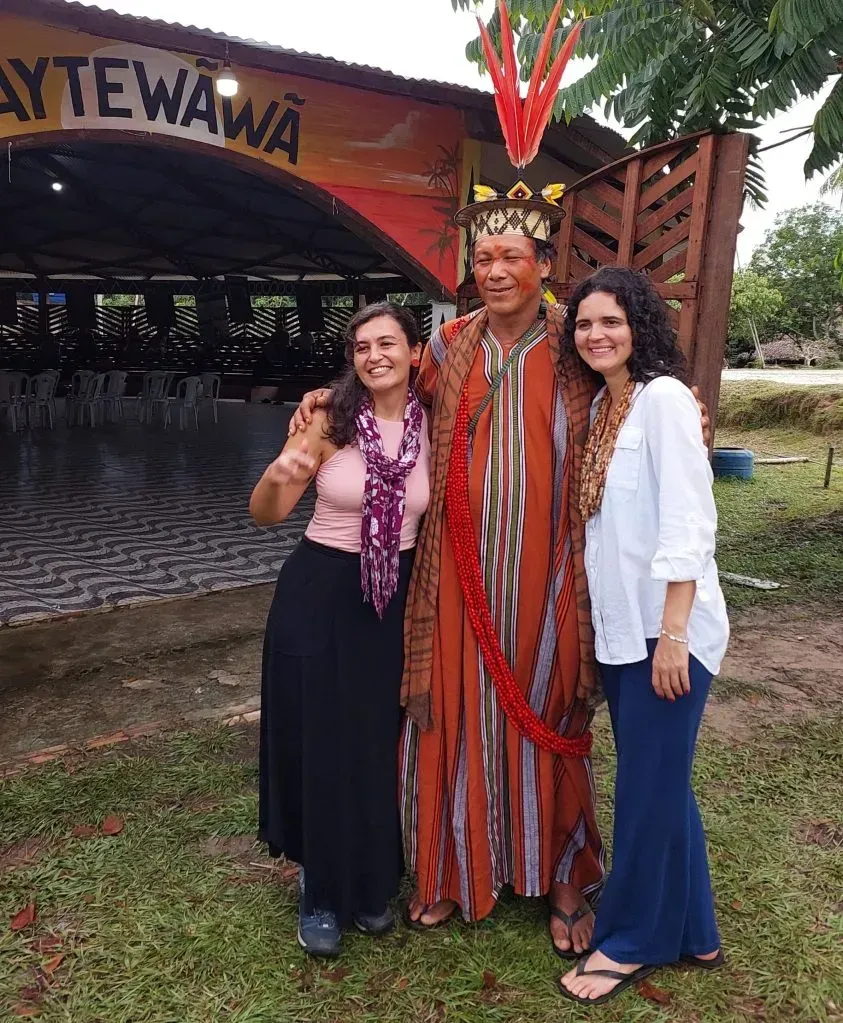
When two daughters of the chief displayed the same symptoms, the chief—who was also a Baptist pastor—decided it was time to reclaim the ancestral traditions of the Puyanawa people.
The story of the Puyanawa’s revival brings to light a crucial issue for the defense of the Amazon rainforest and its people, but one rarely highlighted by those professionally committed to this cause as a serious problem: the cultural and spiritual uprooting of Indigenous people through their conversion to evangelical Christianity.
More than that, it is a story of how the strength of the Indigenous people themselves, without the intervention of outside agents, was able to spark a genuine process of cultural and ecological transformation within the community.

As a nonprofit journalism organization, we depend on your support to fund more than 170 reporting projects every year on critical global and local issues. Donate any amount today to become a Pulitzer Center Champion and receive exclusive benefits!
A retomada Puyanawa
Em 2010, várias garotas do povo indígena Puyanawa, no Acre, passaram a manifestar os mesmos sintomas: elas gritavam, tinham reações violentas com uma força fora do comum, saíam correndo—quase sempre em direção à água.
A maior parte da comunidade, que tinha uma forte presença evangélica, interpretou essas manifestações como possessão demoníaca – mas rituais de exorcismo não davam conta de contê-las.
Quando duas filhas do cacique manifestaram esses sintomas, o próprio cacique—que era, ele mesmo, pastor batista— decidiu que era a hora de retomar as tradições ancestrais do povo Puyanawa.
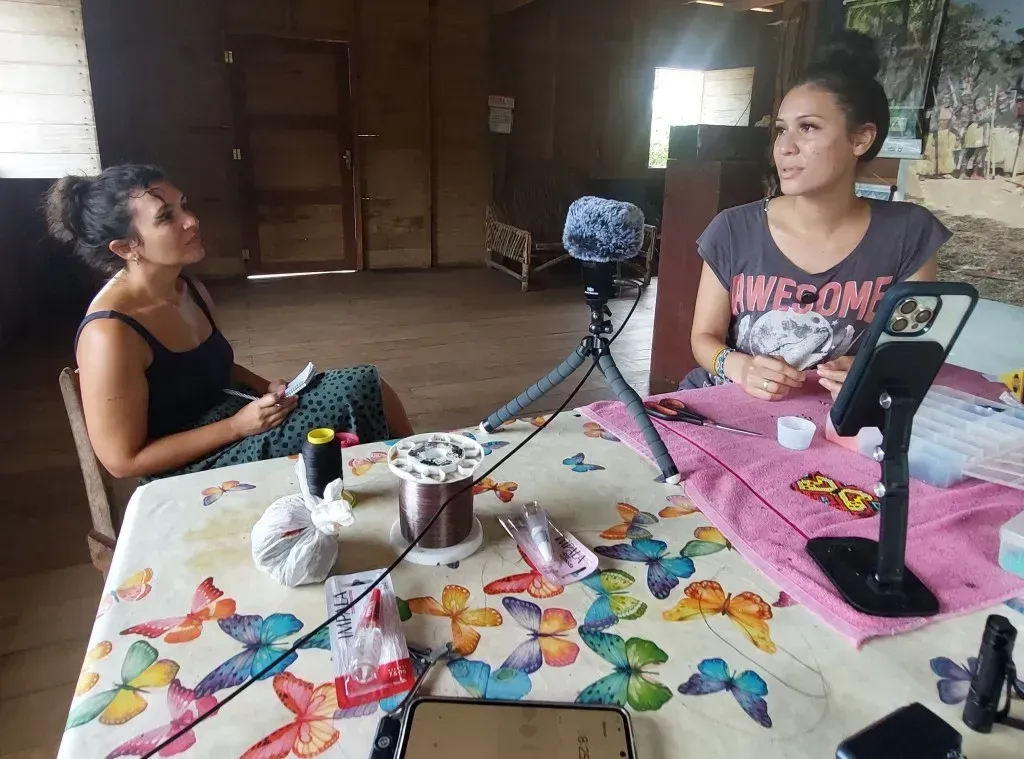
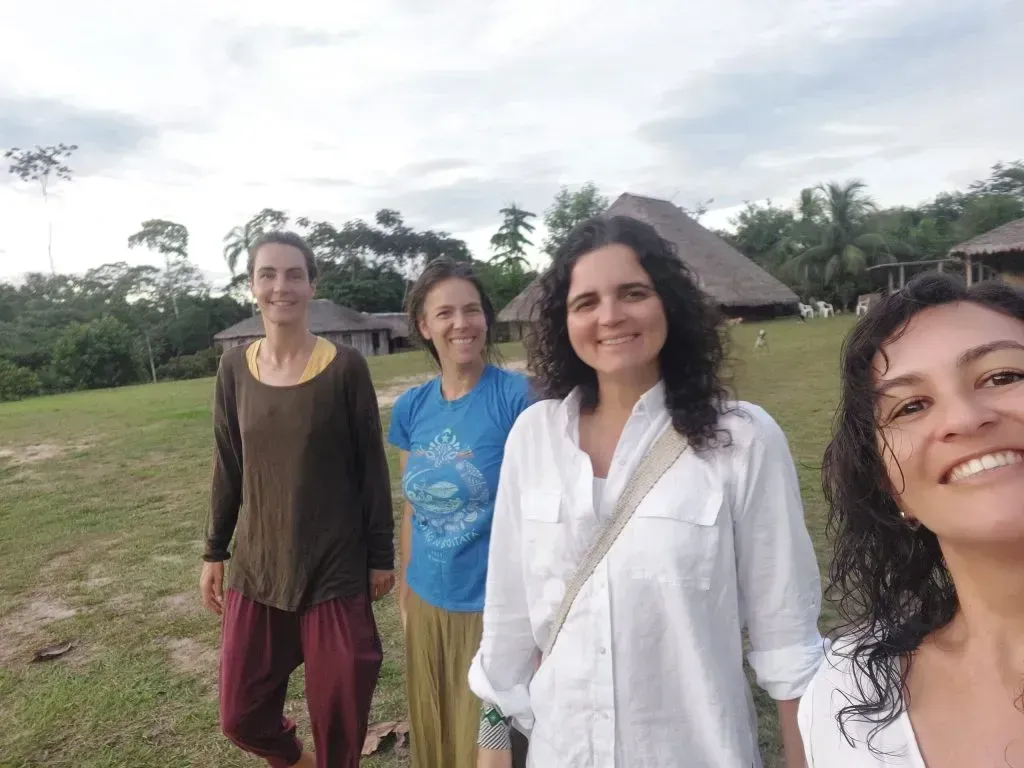
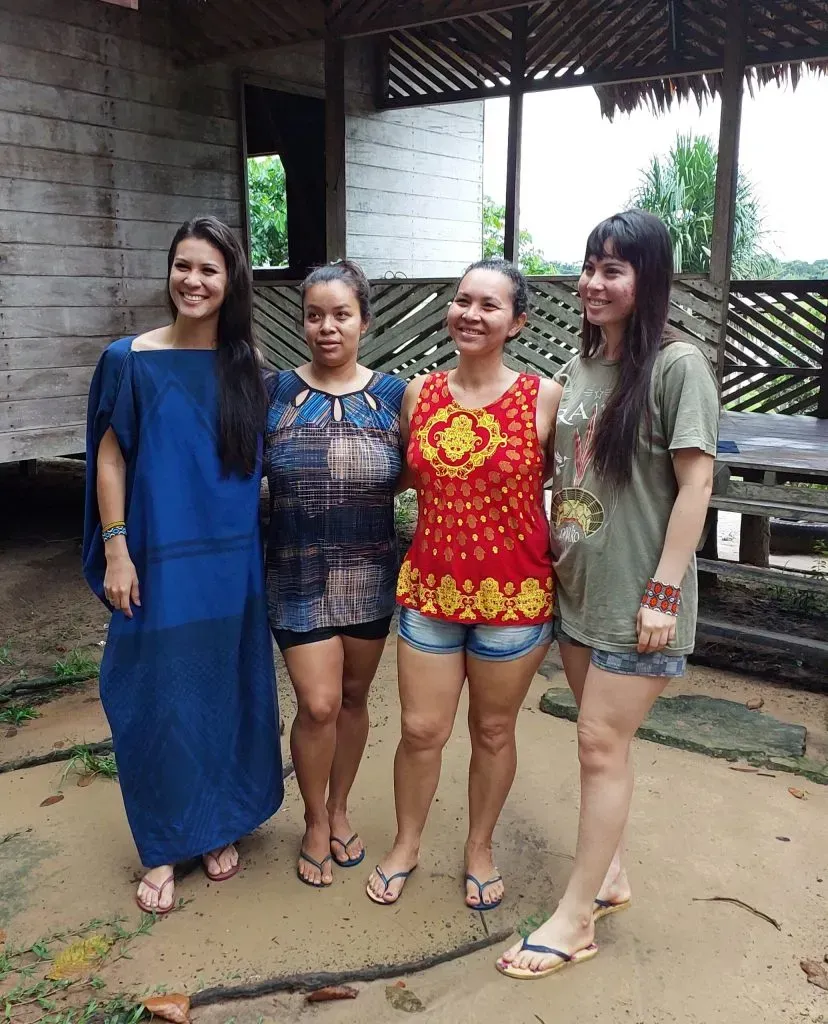
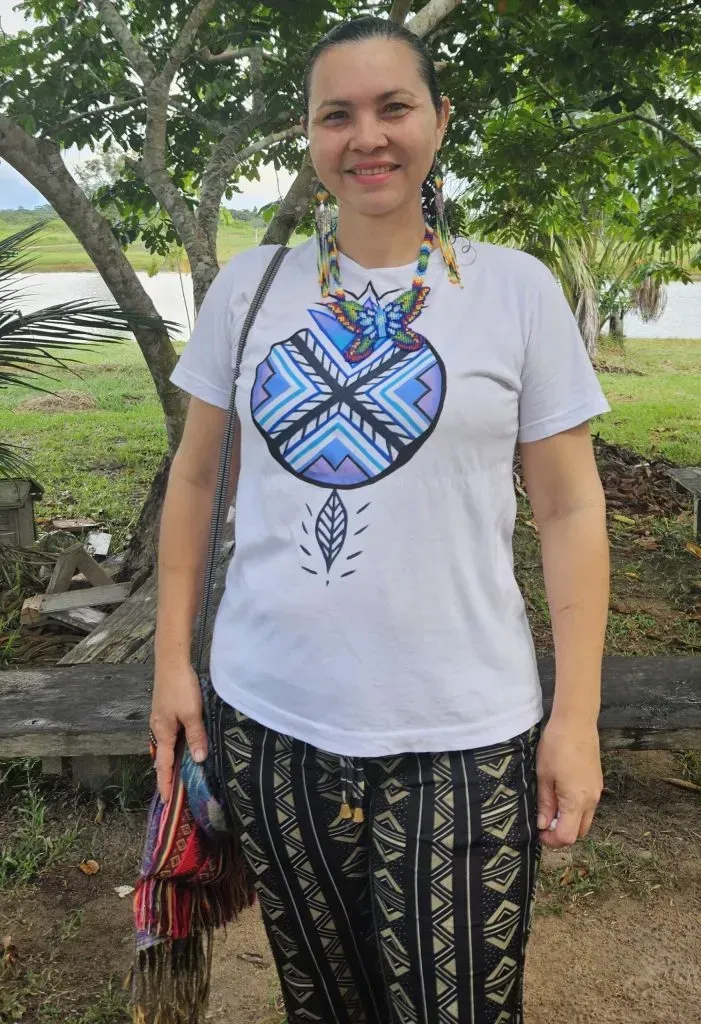
Essa é a primeira história da série especial A Retomada, sobre direitos indígenas no Brasil.