Story
 December 31, 2025
Reporting On A Silent Annihilation: Reflections On Covering the Forced Sterilizations of Uyghur Women
Country:

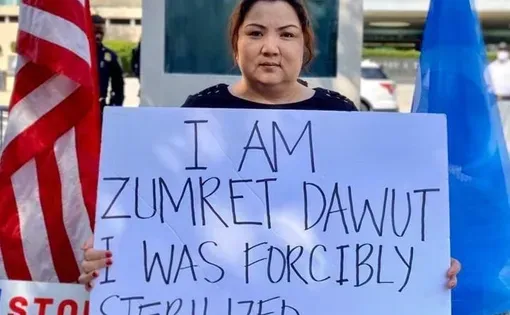
The mental health challenges faced by Uyghur women who have been forcefully sterilized
Forced sterilization is a horrific form of torture with long-term mental and physical repercussions
Embarking on this Mental Well-Being in the U.S. Reporting Fellowship was one of the most difficult and rewarding experiences of my early career. I didn’t anticipate just how difficult it would be to get in contact with Uyghur victims of forced sterilization.
However, with persistence, patience, and the assistance of my Pulitzer Center adviser, grantee Ben Mauk, I was able to get in touch with sources. I’m incredibly grateful to Zumrat Dawut, a Uyghur sterilization victim who shared her traumatic story.
There seems to be a misconception that the persecution of the Uyghurs in China is less brutal than other genocides because of the lack of mass killing. The Uyghur refugee community in the U.S. fled the genocide and survived modern-day concentration camps.

Reporting on Dawut’s story taught me that forced sterilization is a horrific form of torture with severe, long-term mental and physical repercussions.The goal of this torture is the same as any genocide: the eradication of a people.
The Pulitzer Center Mental Well-Being in the U.S. Fellowship allowed me to pay for a translator who facilitated my main interviews. Virtual workshops during the Center's orientation week for Fellows provided valuable guidance on interviewing victims of trauma.
I deeply valued the opportunity to connect with the other Reporting Fellows and hear about their amazing projects. After speaking with Uyghur experts, I’ve come up with other ideas for stories on the Uyghur community.
I feel immense gratitude to the Pulitzer Center for making this opportunity possible.