Story
 December 2, 2025
Pulitzer Center Builds Community at Washington Weekend 2025
Country:


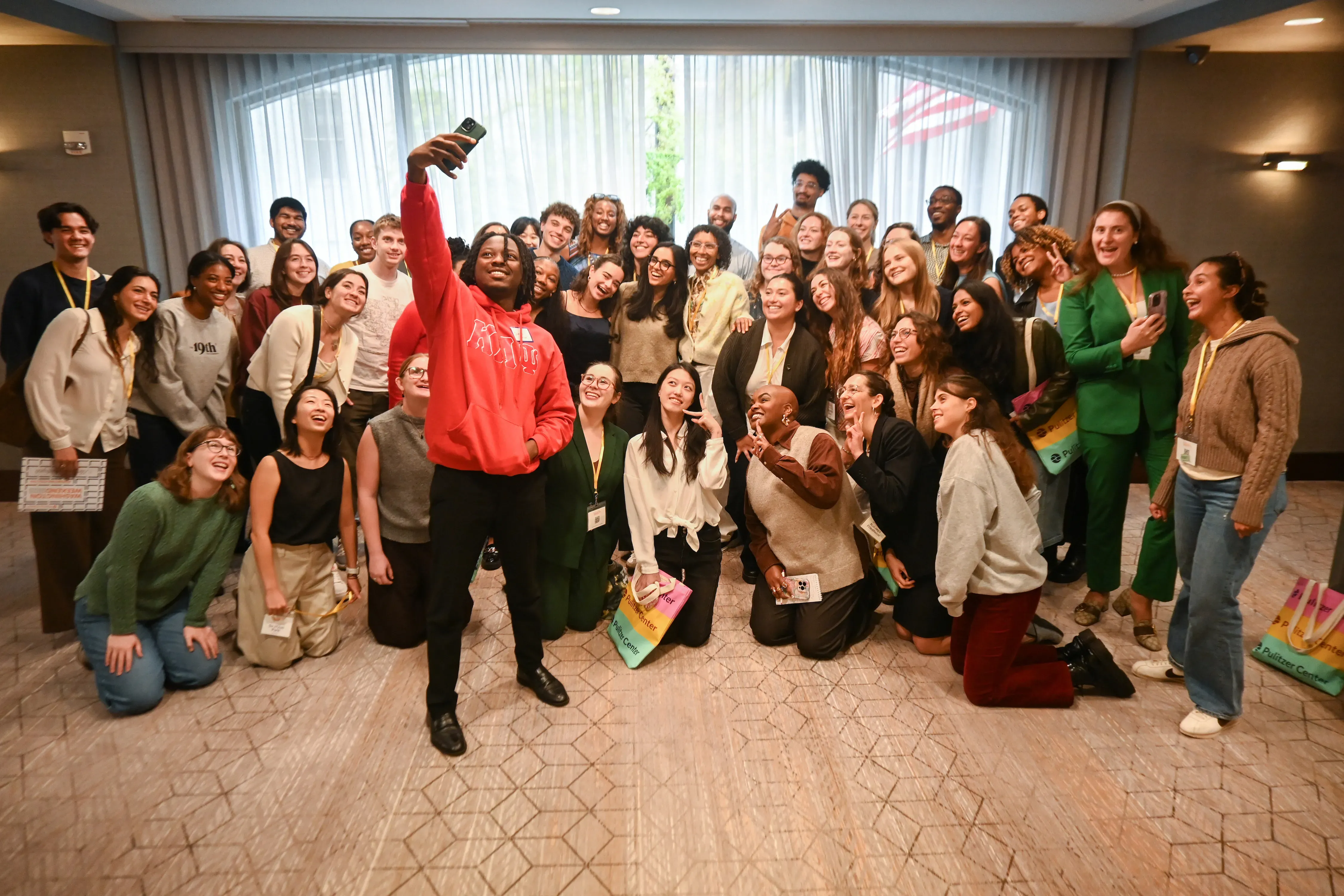
Last month, the Pulitzer Center welcomed 44 student journalists from across the U.S. and Qatar to Washington, D.C., for an inspiring weekend celebrating their hard work and journalistic endeavors as members of the 2025 Pulitzer Center Campus Consortium Reporting Fellowship program.
Attendees were previously selected by the Pulitzer Center and participating schools in the Pulitzer Center’s Campus Consortium network to pursue underreported projects of global importance. This year’s 49 Reporting Fellows hailed from more than 40 total schools, including journalism schools, community colleges, and HBCUs. Their projects took them to 23 countries and related to all five of the Pulitzer Center’s focus areas—Climate and Environment, Global Health, Human Rights, Information and Artificial Intelligence, and Peace and Conflict.
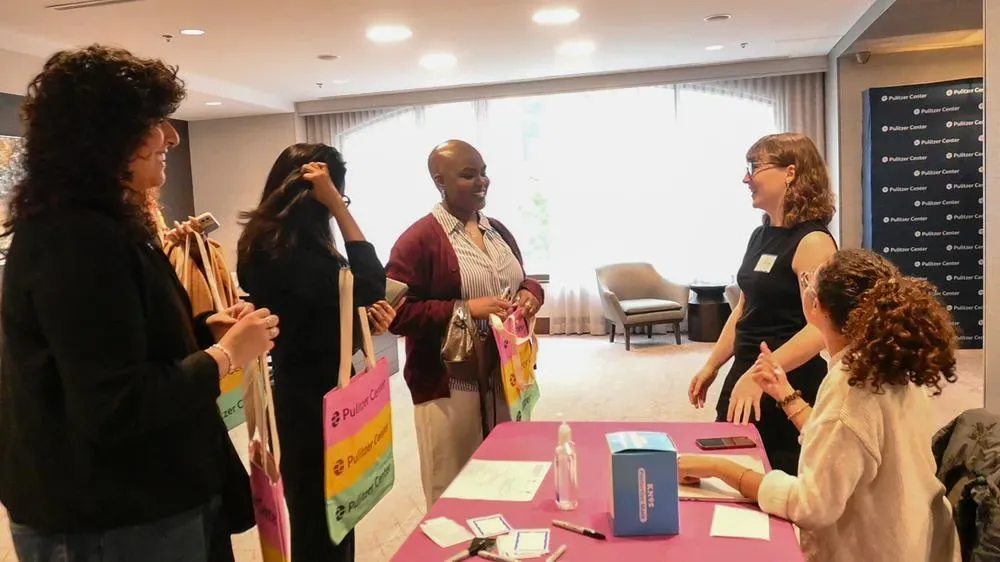
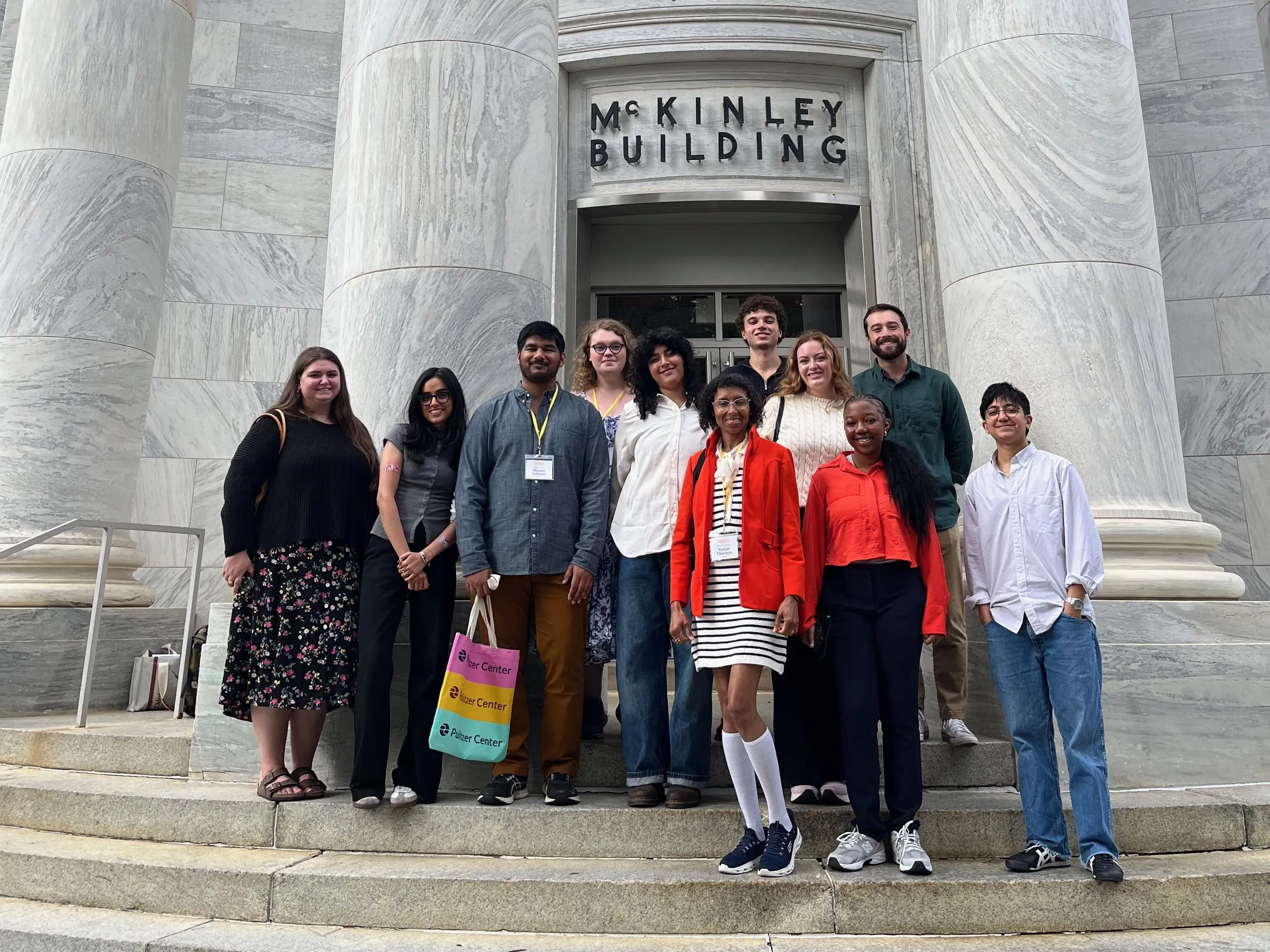
Of this year’s Fellows, 44 were able to join us in D.C. from October 10-12, 2025, for Washington Weekend—a three-day conference that brings current Fellows, alumni Fellows, Campus Consortium faculty, professional journalists, and Pulitzer Center staff together. This year’s programming featured a celebratory dinner, film screening, mentorship opportunities, skill-building workshops, and newsroom tours in the nation’s capital.
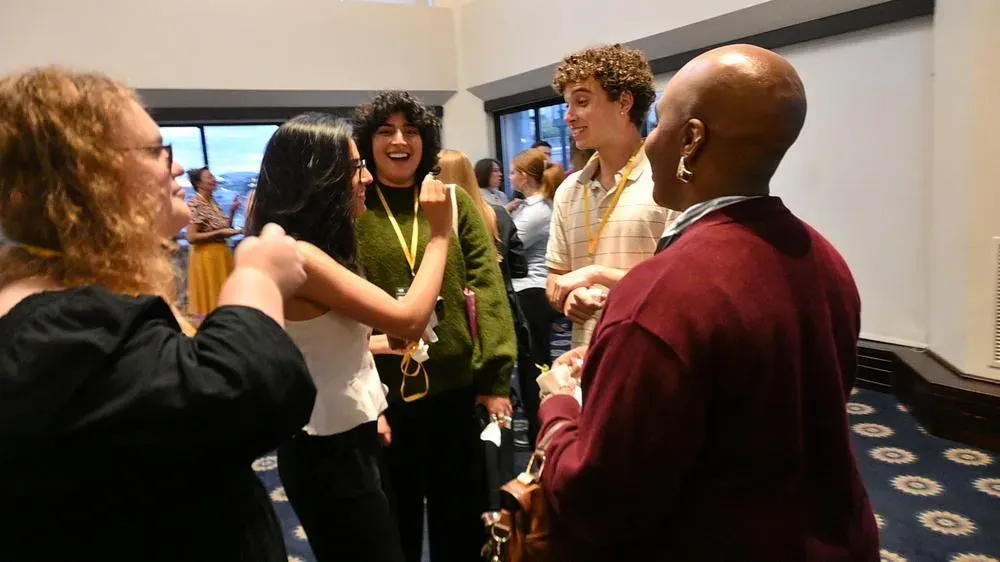
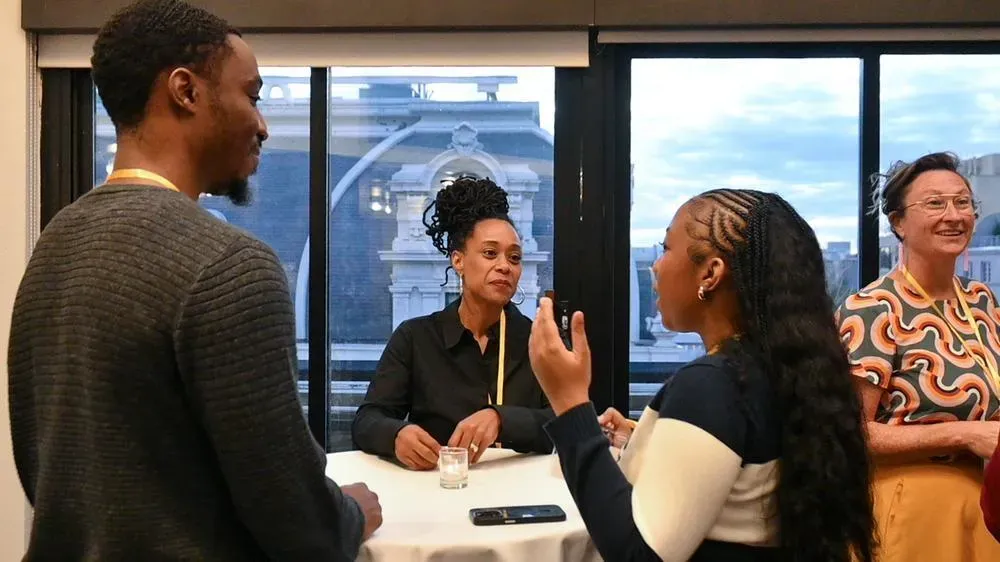
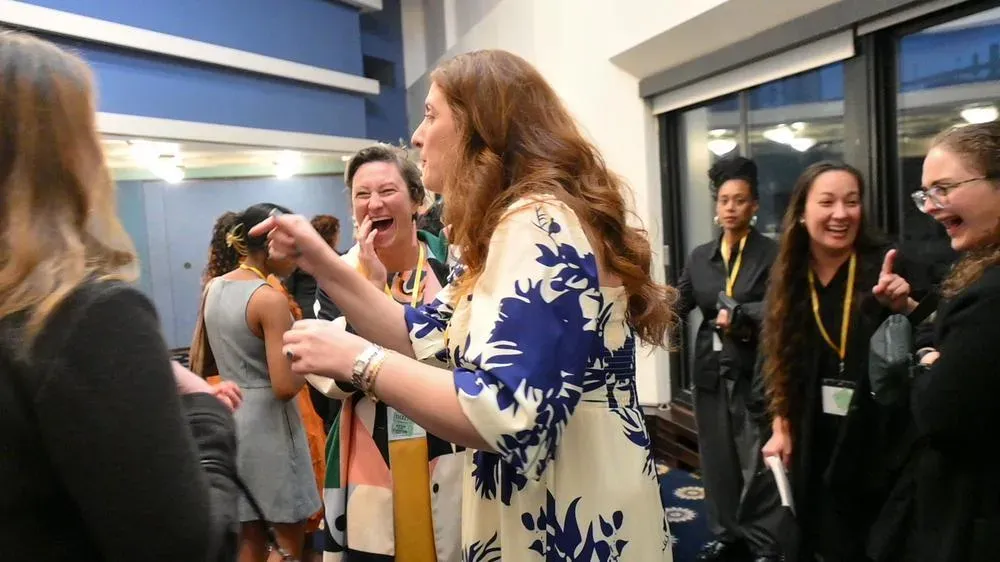
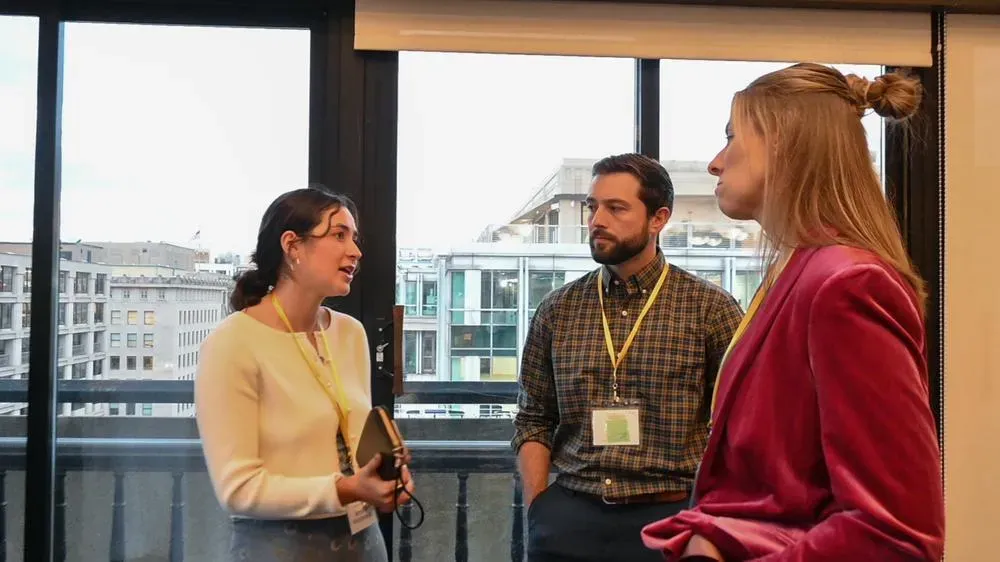
Fellows were encouraged to spend the weekend connecting with professional attendees, as well as each other, to learn more about journalism’s future and how they can best contribute. After the event, Fellows used words such as “inspiring,” “motivating,” and “empowering” to describe the event.
One attendee, 2025 Hampton University Fellow Morgan Norris, said, “Washington Weekend was uplifting. There’s only so much we can do besides tell stories the best way we can. We all encouraged each other to keep on the good fight for truth and global awareness.”
Below, find a summary of the weekend’s main events. Full panel discussions moderated by Pulitzer Center staff can be found on YouTube.
Get To Know You & Pitching Your Project Sessions
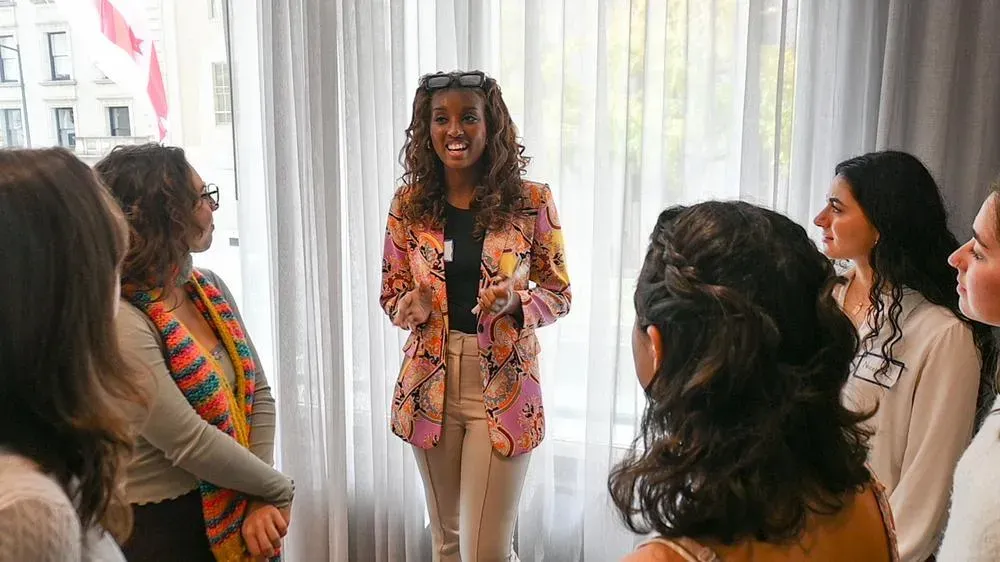
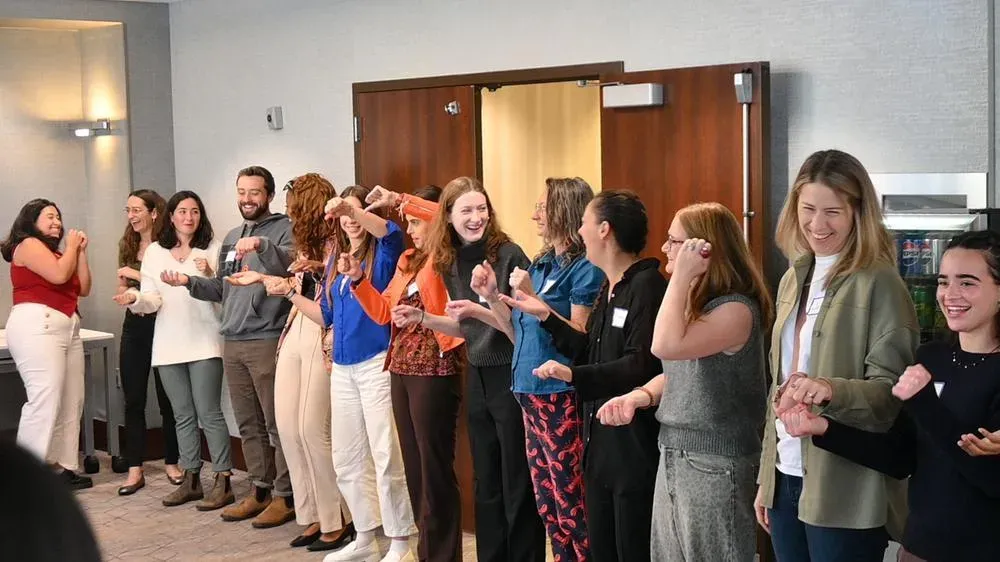
The conference kicked off with an icebreaker session led by the Pulitzer Center’s Associate Director of K-12 Education, Fareed Mostoufi. Fellows participated in a series of activities that got them moving, laughing, and, most importantly, comfortable with one another. The session ended when the Fellows stood in a circle and shared some of their hopes for the weekend with one word. “Growth,” “connection,” “friendship,” “learning,” and “focus” were just some of the words Fellows shared.
National Geographic Society Film Screening + Q&A
The Pulitzer Center teamed up with the National Geographic Society later that afternoon to host a screening and Q&A for the film Nkashi: Race for the Okavango. Created by the National Geographic Society's Impact Story Lab in collaboration with Botswana filmmakers, the film shows the triumphs and challenges of three mokoro (dugout canoe) polers, who use long poles to transport local people through waterways and compete in races in the Okavango Delta. The film celebrates cultural heritage and illuminates the importance of protecting the Delta.
After the screening, Fellows had a chance to ask questions of the film’s producers. The discussion covered mapping impact, covering marginalized communities with care, and seeking environmental storytelling careers.
Reception and Dinner at the National Press Club
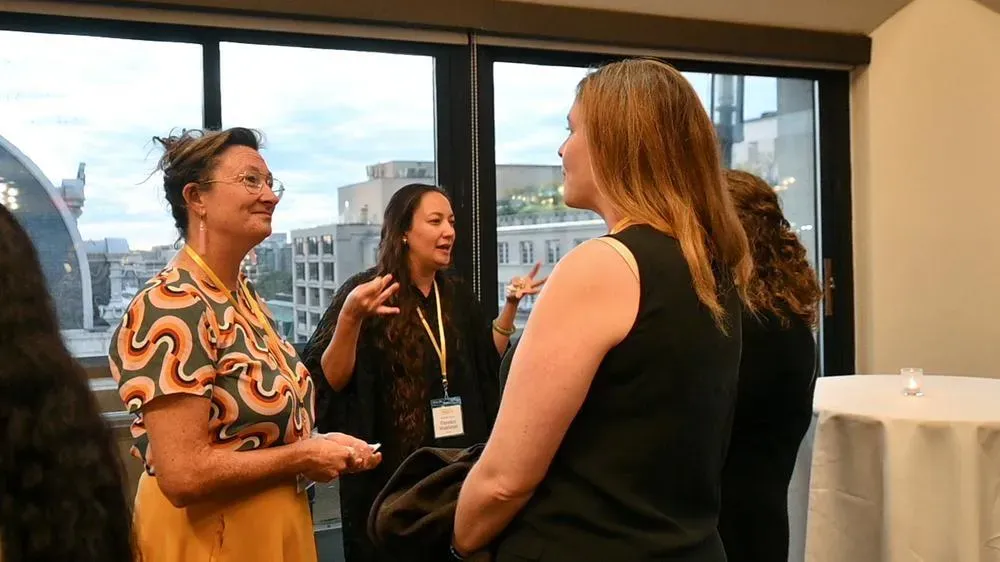
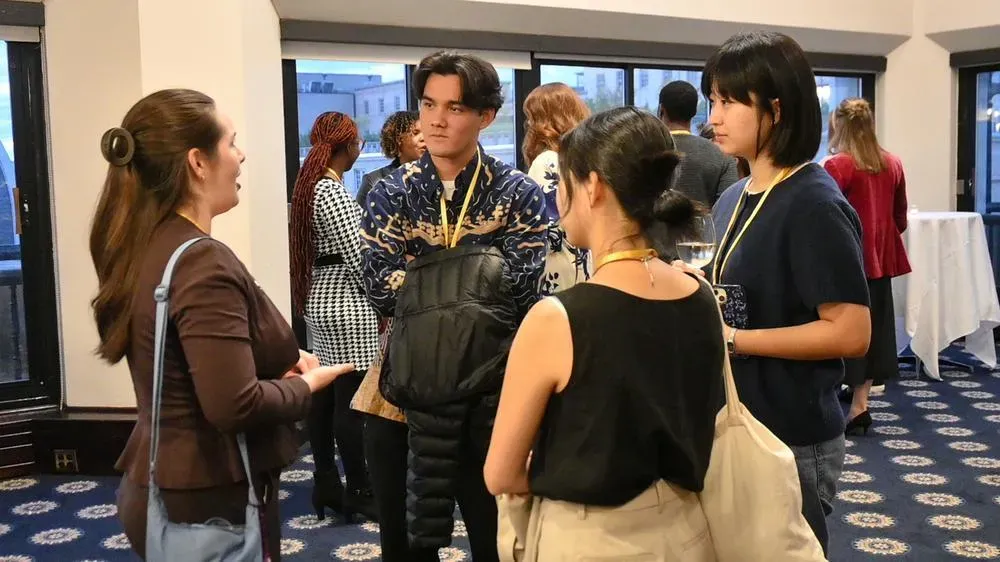
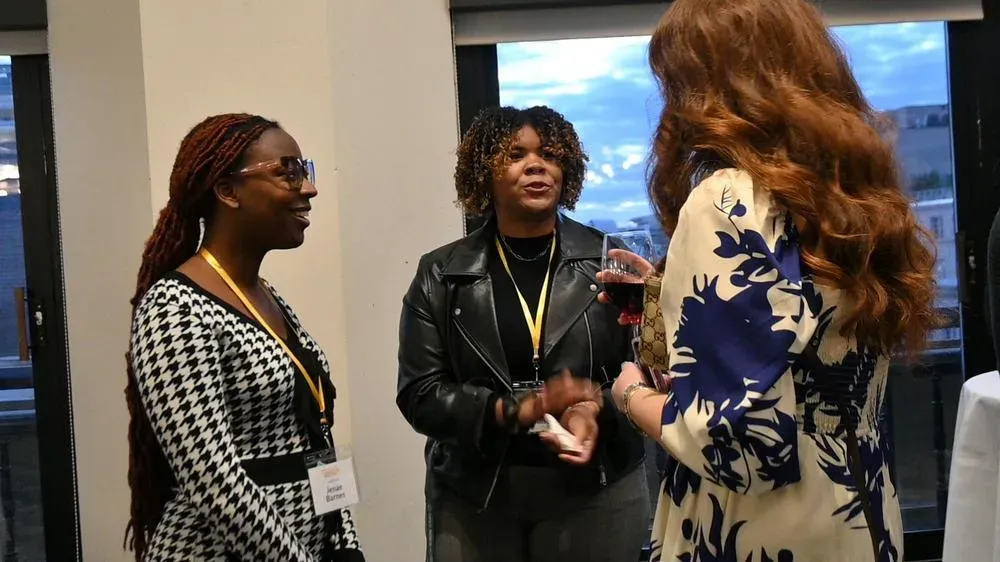
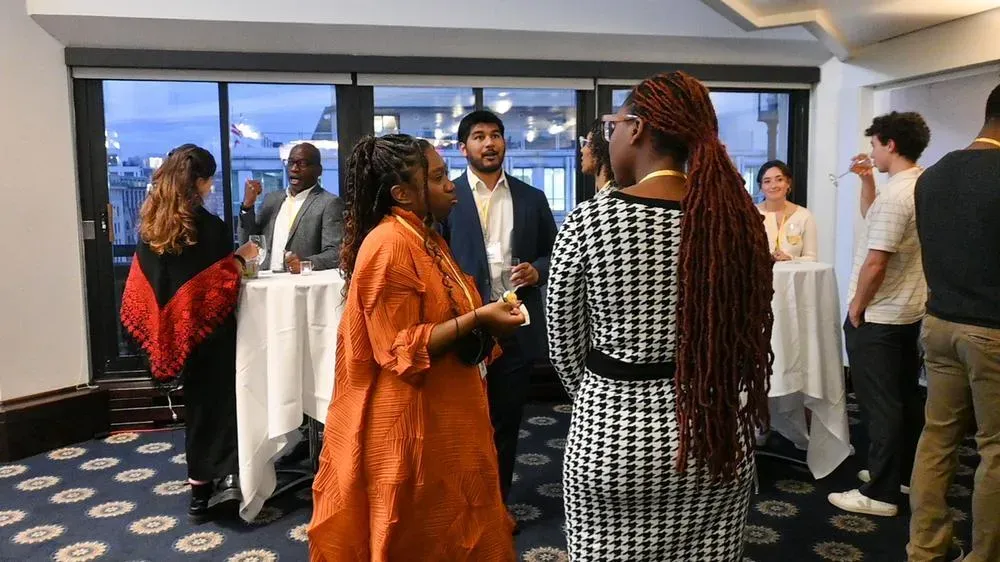
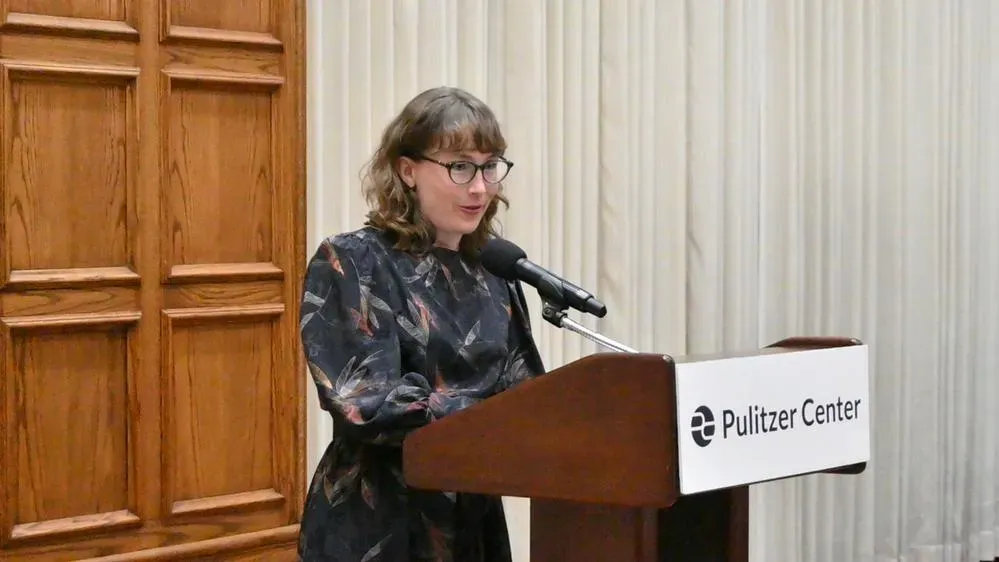
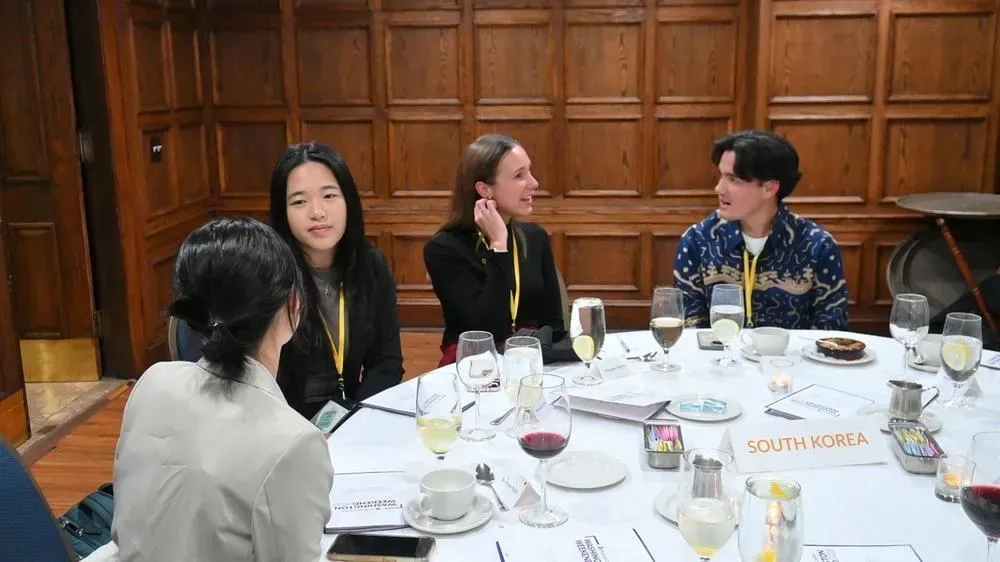
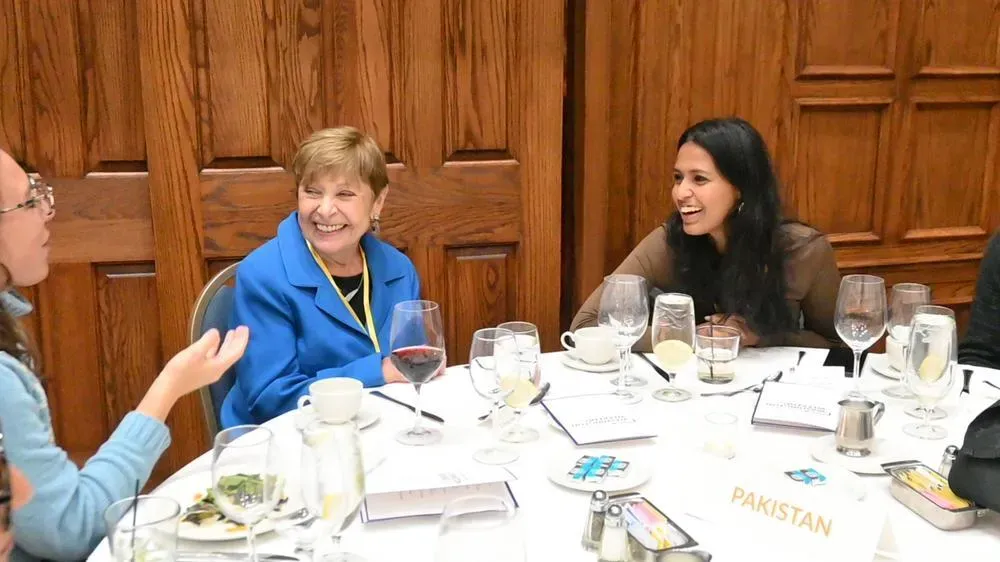
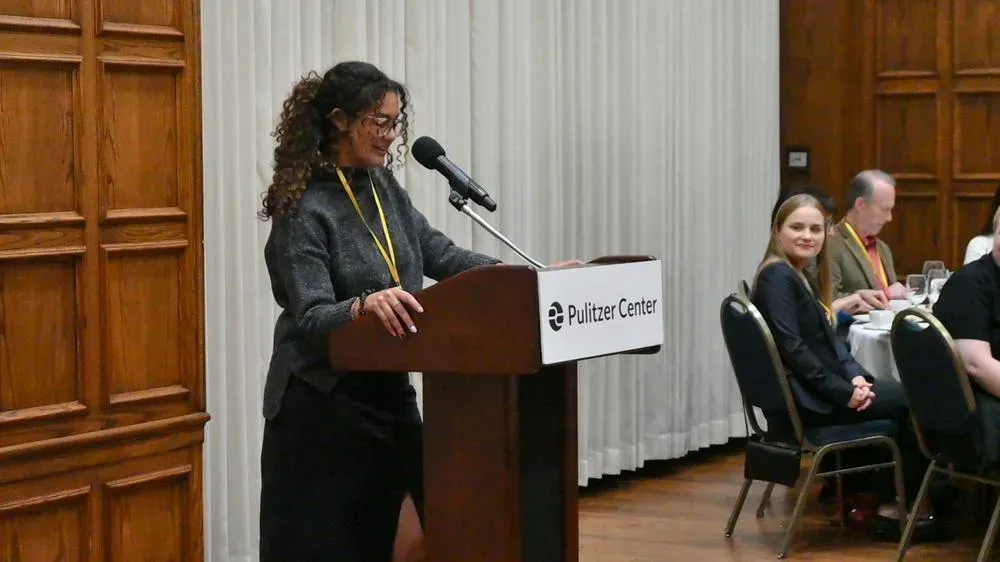
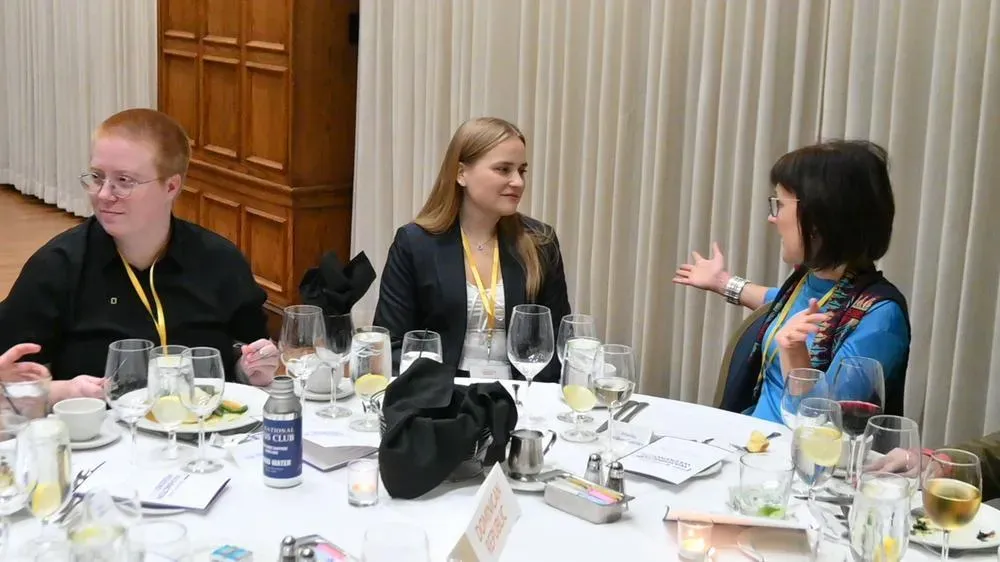
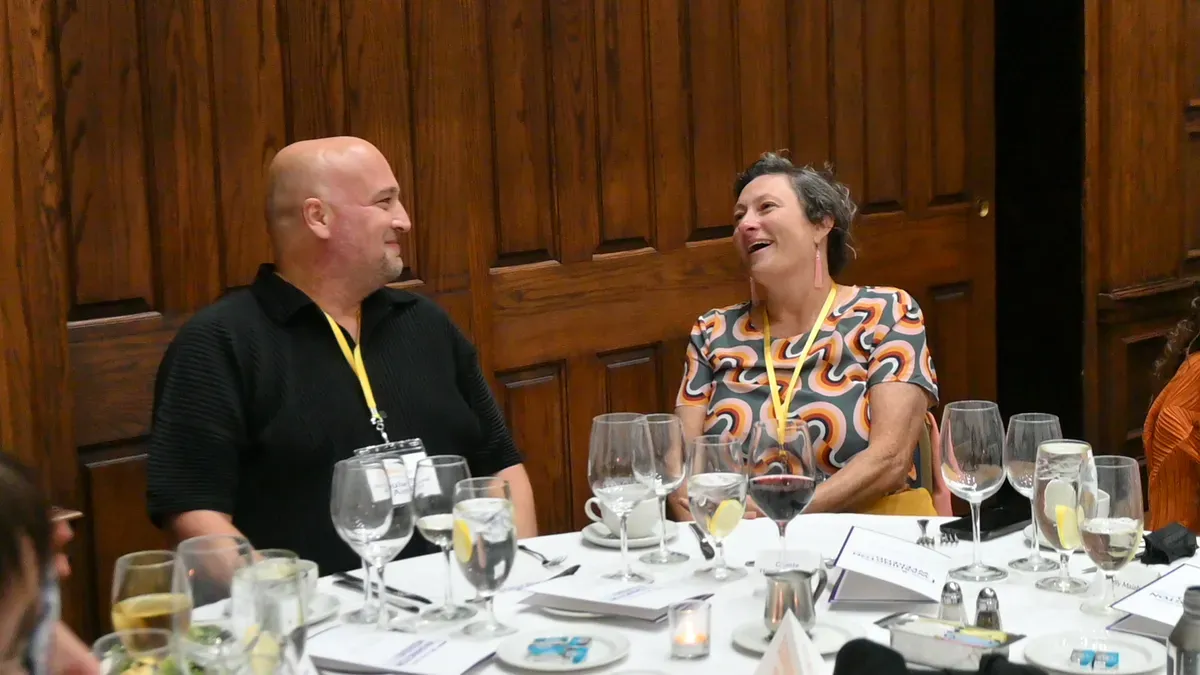
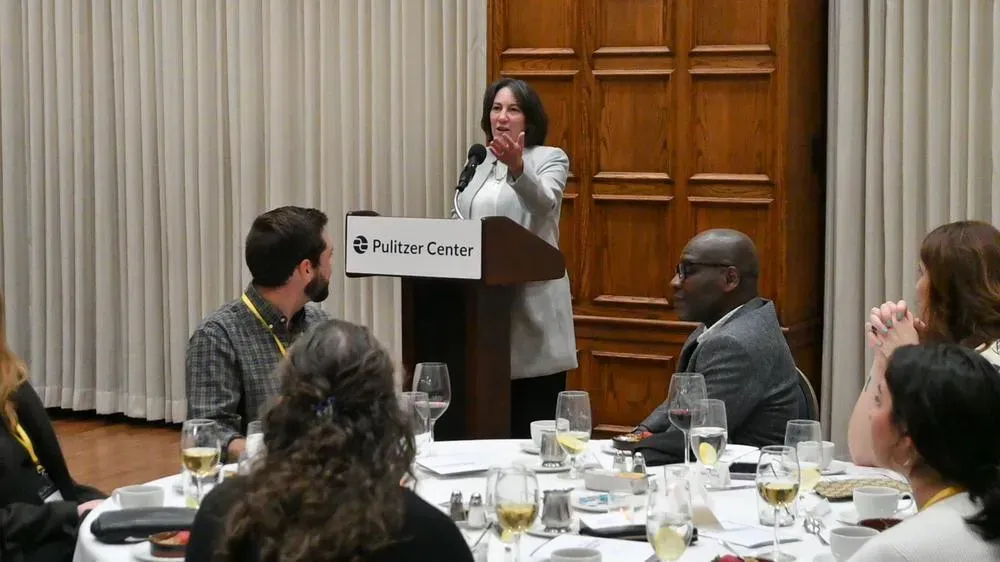
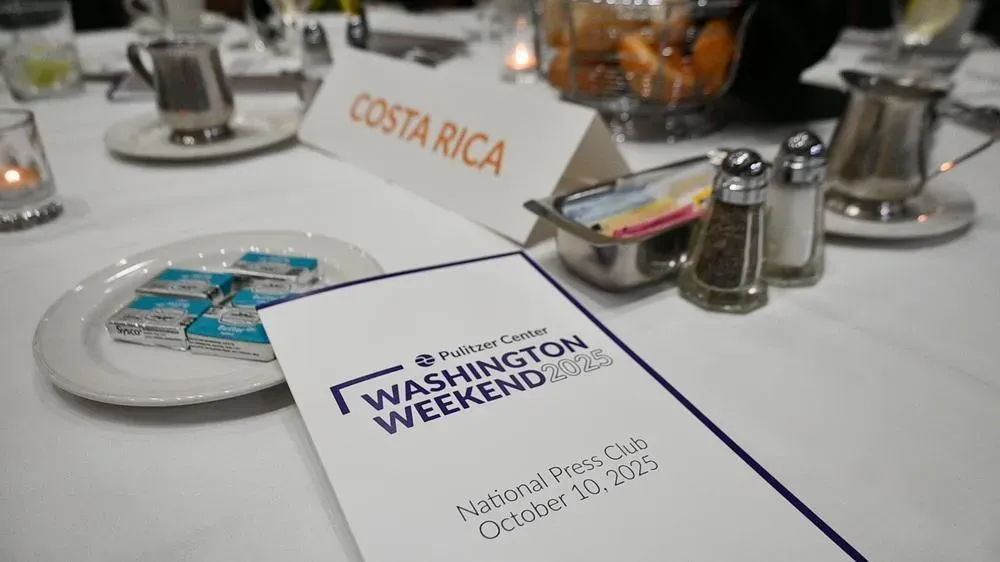
The first day of Washington Weekend ended with a celebratory dinner. Friday programming wrapped with a business dinner at the National Press Club, where Pulitzer Center staff welcomed over 85 Fellows, alumni, local reporting partners, and journalists in celebrating the 2025 Reporting Fellowship cohort’s accomplishments.
During her speech, Reporting Fellows Program Manager Libby Moeller shared that she had spent the afternoon considering her one-word wish for the rest of the weekend. She eventually settled on “connection.”
"In my experience,” she said, “The magic and meaning of Washington Weekend is rooted so deeply in the connections we make here; the chances to reminisce with your fellow Fellows about conquering similar reporting mishaps, or exploring the same country; a first meeting with a journalist mentor whose career you strive to reach one day.”
She shared an adage from the program’s former director, Kem Sawyer, who used to encourage everyone at dinner to look to their left, right, and make eye contact with someone else at their table. “You never know who may end up as your future reporting partner, editor, photographer, or source in a story,” Moeller reminded attendees.
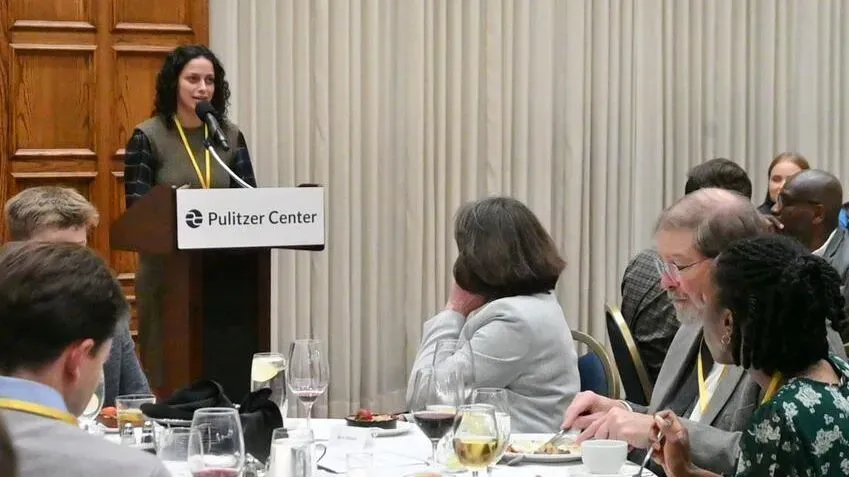
Fellows also had the chance to hear from someone who used to be in their shoes: 2020 University of Richmond Fellow Olivia Diaz, a current Report for America Fellow at the Associated Press, where she covers Virginia politics.
Diaz spoke to the Fellows about her hope for the industry, telling them that they are the future of journalism. She also gave them some advice about leveraging their Reporting Fellowship experience in their careers.
"You guys give me hope," she said.
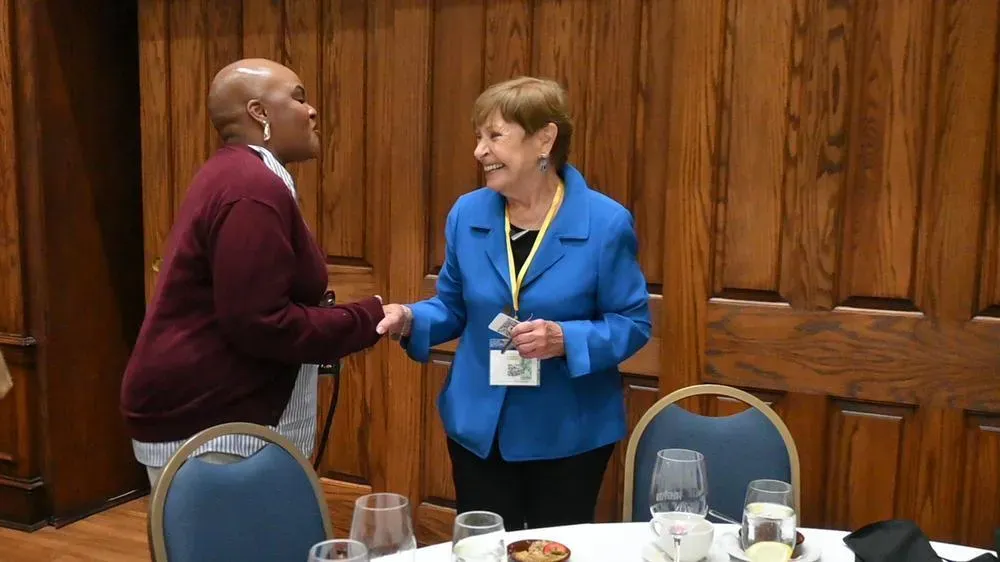
Desserts were served with a few final words from the former director of the Pulitzer Center's Campus and Outreach Programs, Ann Peters. She has been to every Washington Weekend since the conference began more than 10 years ago.
“I see that for these young, emerging journalists that they're taking, I hope, the strength in their own knowledge and their own curiosity to build a collaborative environment in the work that they do,” said Peters.


Journalism & Mental Health Panel
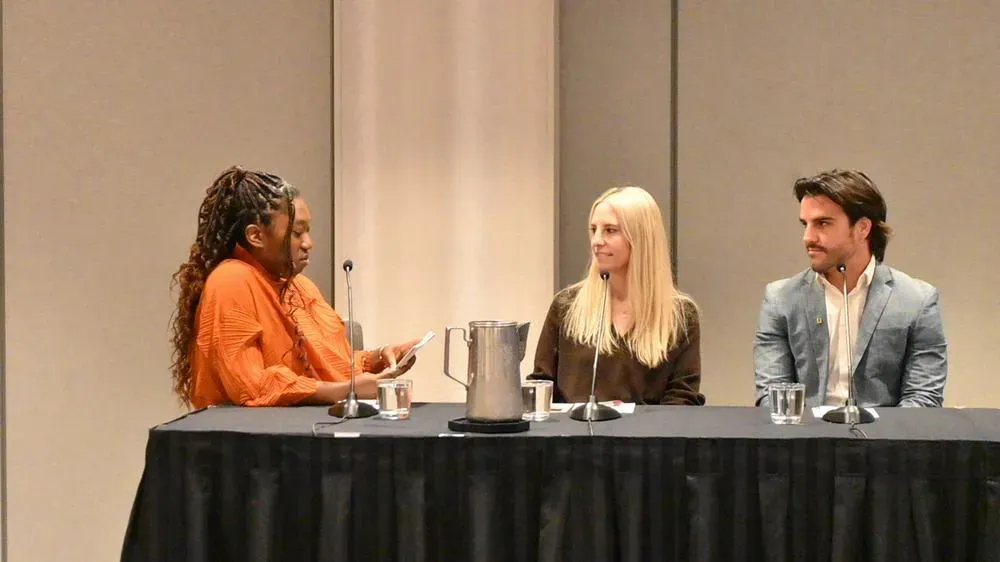
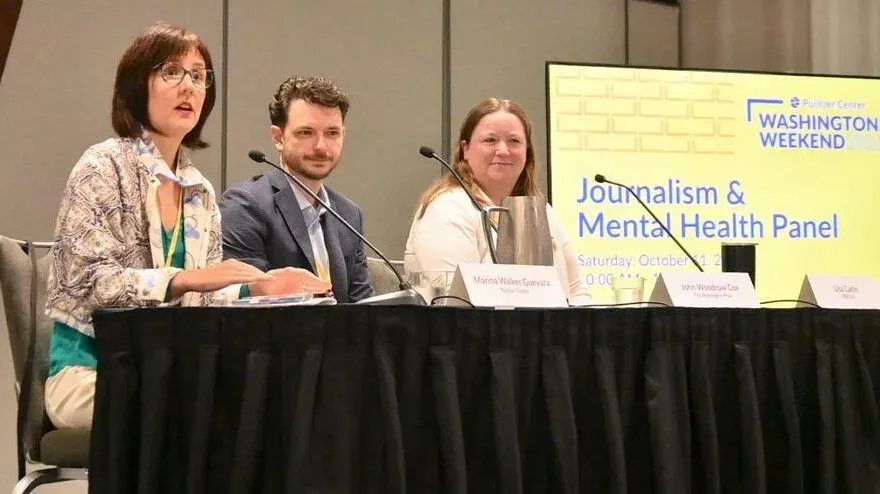
Fellows returned to the Washington Marriott at Metro Center on Saturday morning for a panel about journalism and mental health. During the panel moderated by Pulitzer Center Executive Editor Marina Walker Guevara, Fellows heard from two speakers: John Woodrow Cox of The Washington Post and Dr. Lisa Carlin from The Trauma Resilience & Education Center in D.C. (TREC DC).
Cox shared his experience writing about 10-year-old Caitlyne Gonzales, a remarkable girl who survived the Uvalde school shooting and became a voice for her slain friends.
A 2018 Pulitzer Prize finalist for his work about the impact of gun violence on children in America and author of the book Children Under Fire: An American Crisis, Cox also shared some of his more general lessons for crisis reporting: Be human first, a journalist second. Leave sources in a good place. Make them comfortable.
“All journalists are trauma journalists,” Carlin started her presentation. She shared some of the tips she’s uncovered from working with reporters. To protect themselves, Carlin says journalists should set boundaries, establish a support system, and learn emotional regulation.
After the panel, 100% of Fellows surveyed said they learned about one or more ways that journalists can take action to protect and promote mental well-being in their personal or professional spheres.
Audience-Centered Journalism Panel
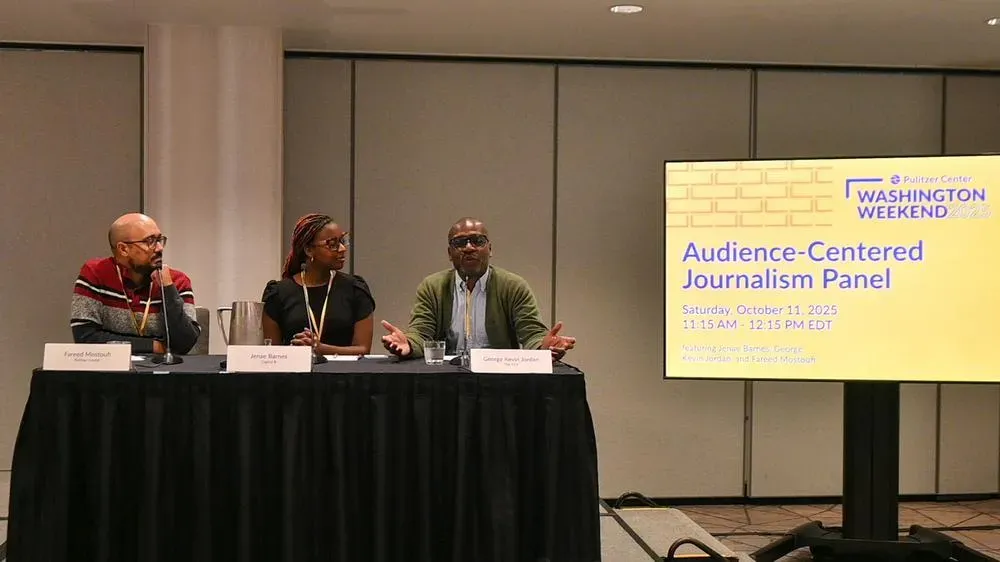
Fareed Mostoufi returned to the Marriott on Saturday to lead his second weekend event: a panel on audience-centered journalism featuring The 51st's Community Connector George Kevin Jordan and Pulitzer Center StoryReach U.S. Fellow and Capital B News reporter Jenae Barnes.
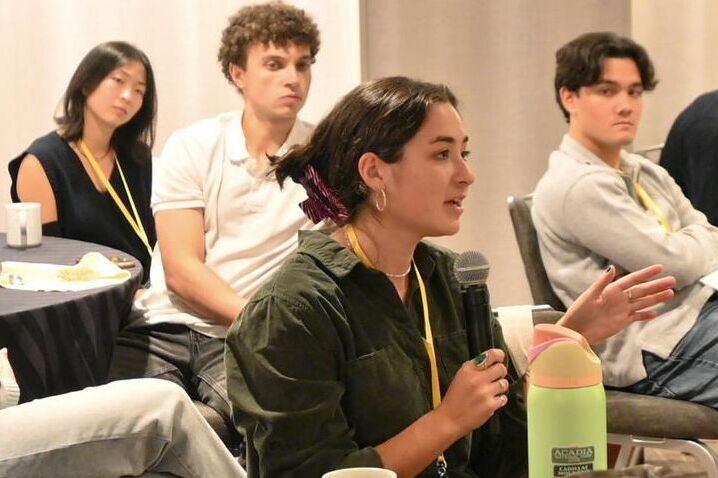
Fellows were advised to get creative in getting to know their audiences. Jordan gave a few examples from his outlet, where they recently hosted a community-wide ice cream social to meet people and build trust. The 51st also circulated surveys to learn more about locals' concerns, similar to what Barnes did while kicking off her StoryReach U.S. project on maternal healthcare in Indiana.
After the panel ended, Barnes shared some additional advice for Fellows: “My advice for the next generation of journalists is to keep going. There are so many stories that are waiting to be told, that need to be told, and it’s just waiting for you to tell them.”
Newsroom Tours
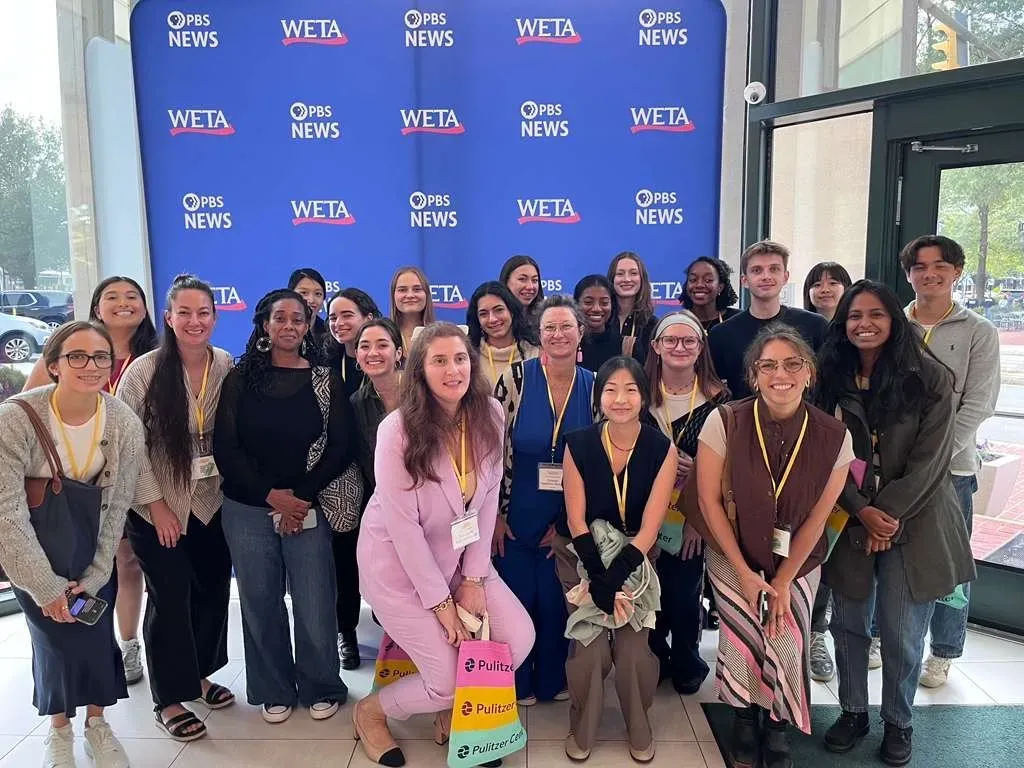
Fellows broke off on Saturday afternoon to explore newsrooms in the nation’s capital. One group headed to PBS NewsHour, where they toured the studio and had a chance to ask questions about the state of public media in the U.S.
After the tour, PBS’s weekend anchor John Yang talked to Fellows about his early reporting days and biggest stories. He also offered advice, memorably telling the Fellows he avoids on-camera jitters by imagining that his broadcasts are only going to one person—instead of hundreds, or even thousands.
2025 Westchester Community College Fellow Tsisnami Sakvarlishvili said, “Meeting people like John Yang and hearing powerful stories from my colleagues reminded me that journalism is not just a profession—it’s a calling.”
Another group headed to the Investigative Reporting Workshop (IRW) near American University. IRW is an editorially independent, nonprofit newsroom known for partnering on local and national-level investigations. The program’s data editor, Aarushi Sahejpal, organized for the Fellows to meet one of the outlet’s most recent collaborators, Editor-in-Chief of Street Sense Media Annemarie Cuccia, during their tour. The editors spoke with the Fellows about their ongoing partnership, finding good data, and submitting FOIA requests.
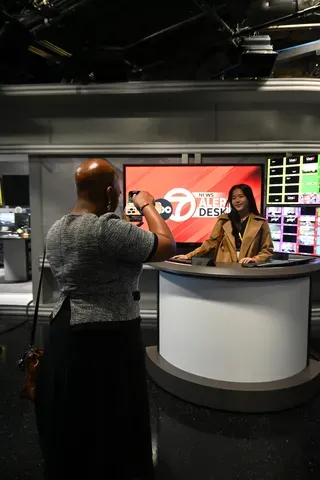
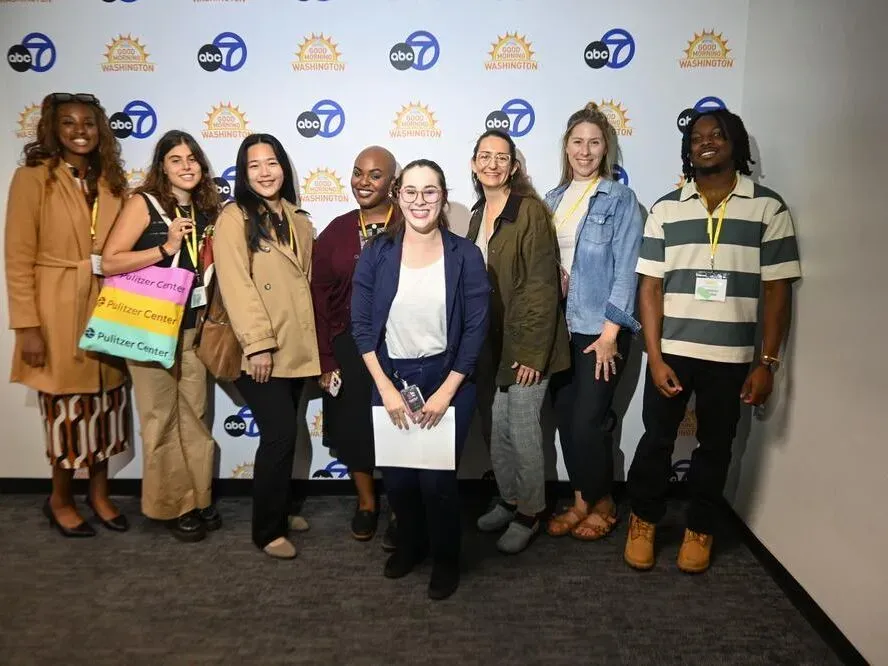
A third group of Fellows headed to the WJLA Channel 7 News headquarters on Saturday afternoon. Multiplatform Content Producer Sarah Beth Guevara took the group behind the scenes, explaining different equipment types. The group also learned about the intersection of local and national news and collaboration between D.C. newsrooms.
“As the Fellows posed on the studio set for photos, they could imagine themselves reporting for live TV,” said the Pulitzer Center’s Digital Production Coordinator, Grace Jensen, who led the Fellows to Arlington, Virginia, for the tour. “I hope to one day see them on screen in that same spot.”
Career Advice and Mentorship
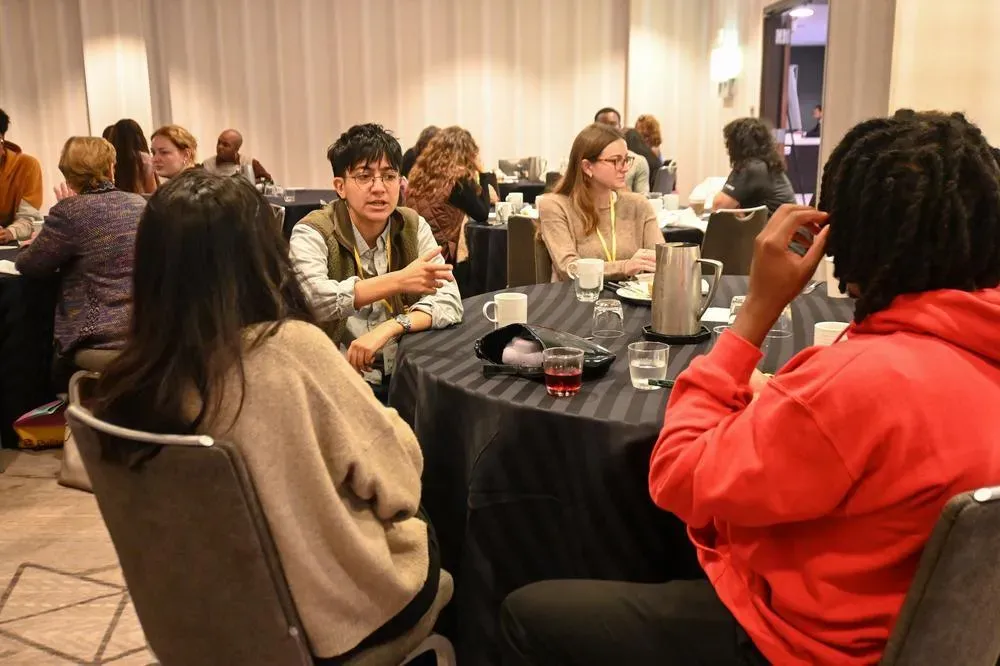
Local journalists, editors, and reporters from various outlets joined the Fellows on Sunday morning for career mentoring sessions. Fellows were split into small groups, where they had a chance to ask the guest mentors questions about breaking into the field. After the event, Fellows shared a few of the takeaways: Become a master of all trades. Always have a notebook. Be hopeful about the future of the industry.
The weekend concluded with the Fellows revisiting the hopes they had shared at the start of the weekend: Community. Inspiring. Tiring, but good. Connection. All words we heard from our Fellows who shared one word they would use to describe Washington Weekend.
One of this year’s Mental Well-Being Fellows, Celeste Hamilton-Dennis, said Washington Weekend 2025 was “invigorating. As an independent journalist, this work can be isolating at times. This weekend helped me reconnect with peers and made me remember why I do this.”
Congrats to this year’s Fellows. May you continue to find connections that inspire your journalism journeys!