Story
 July 17, 2025
Photos: The Tanzania-Zambia Railway Is an Endurance Test for Travelers

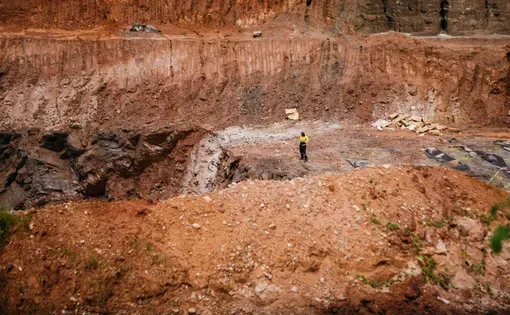
Power dynamics between China and the U.S. in securing natural resources from the Zambian Copperbelt

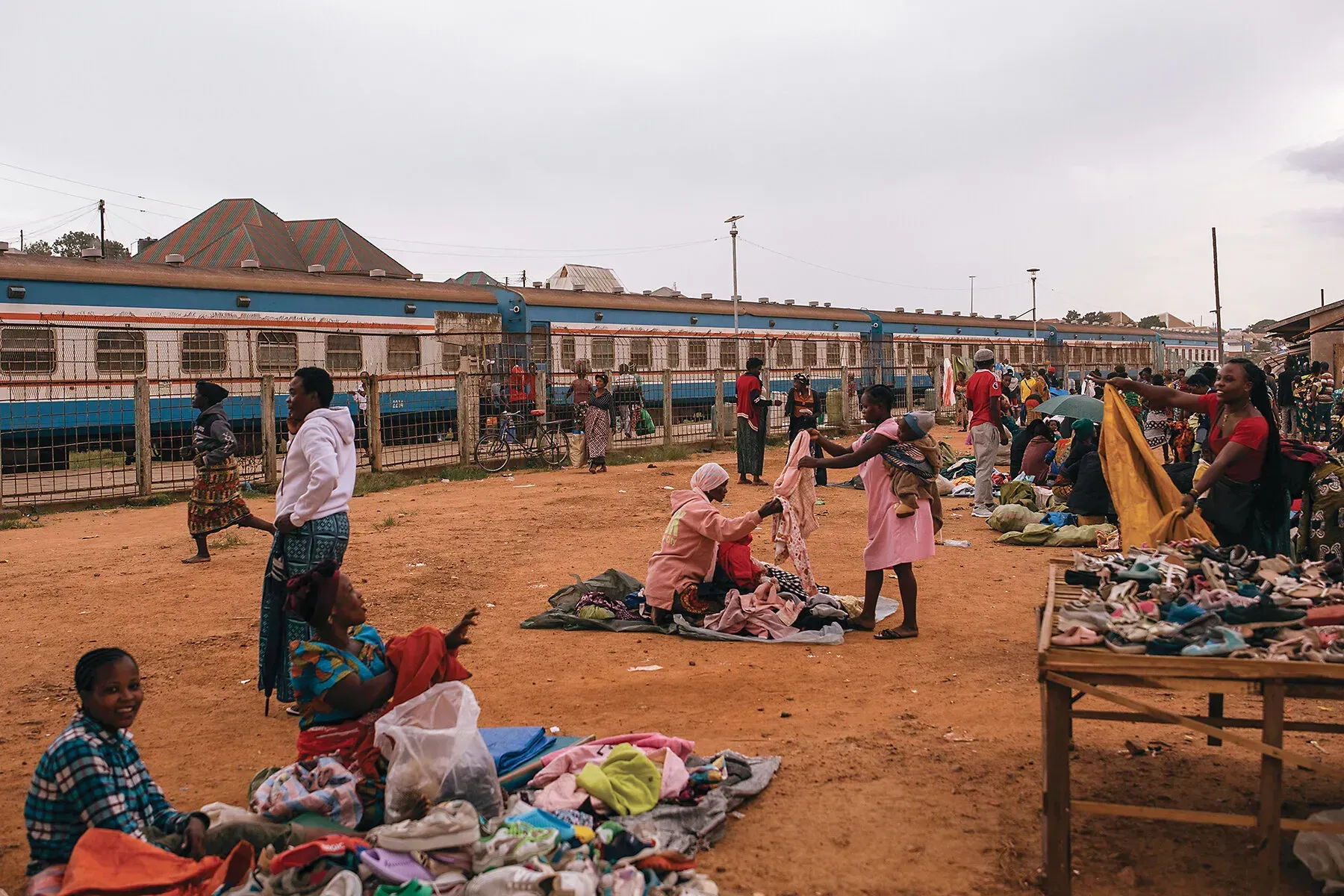
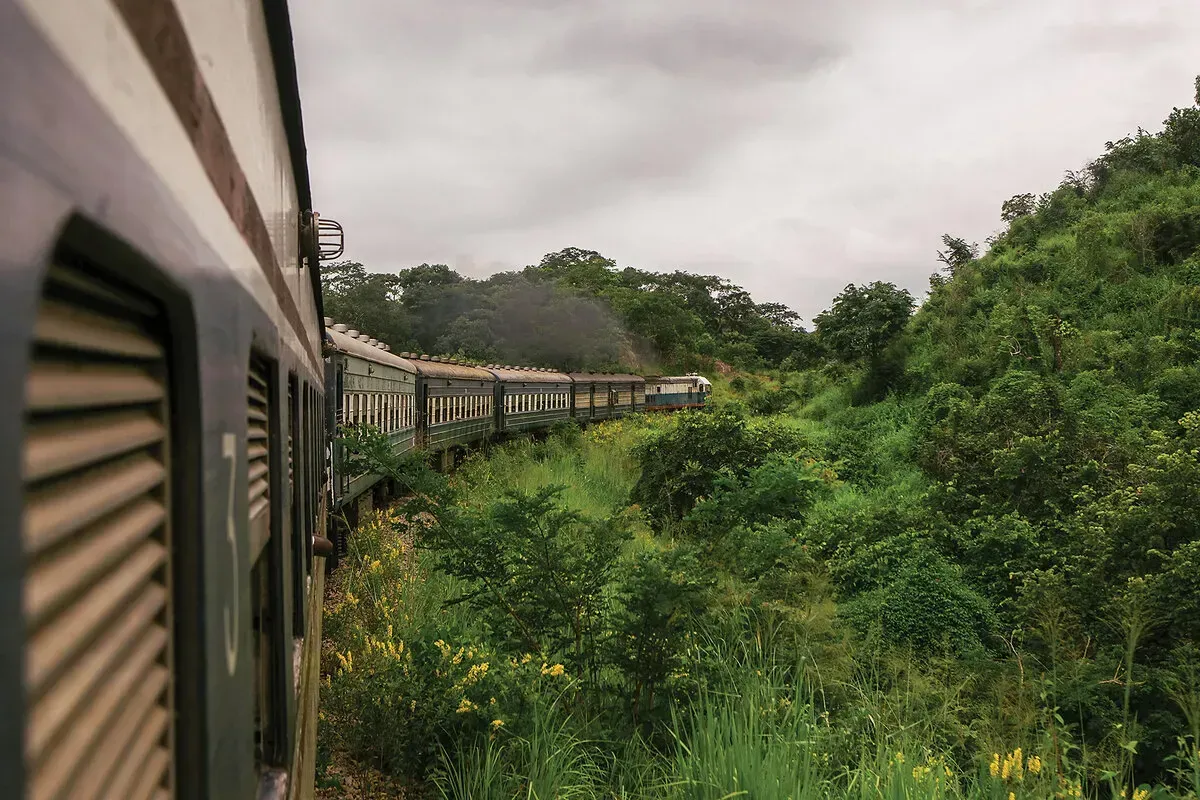
Aboard the Tanzania-Zambia railway.
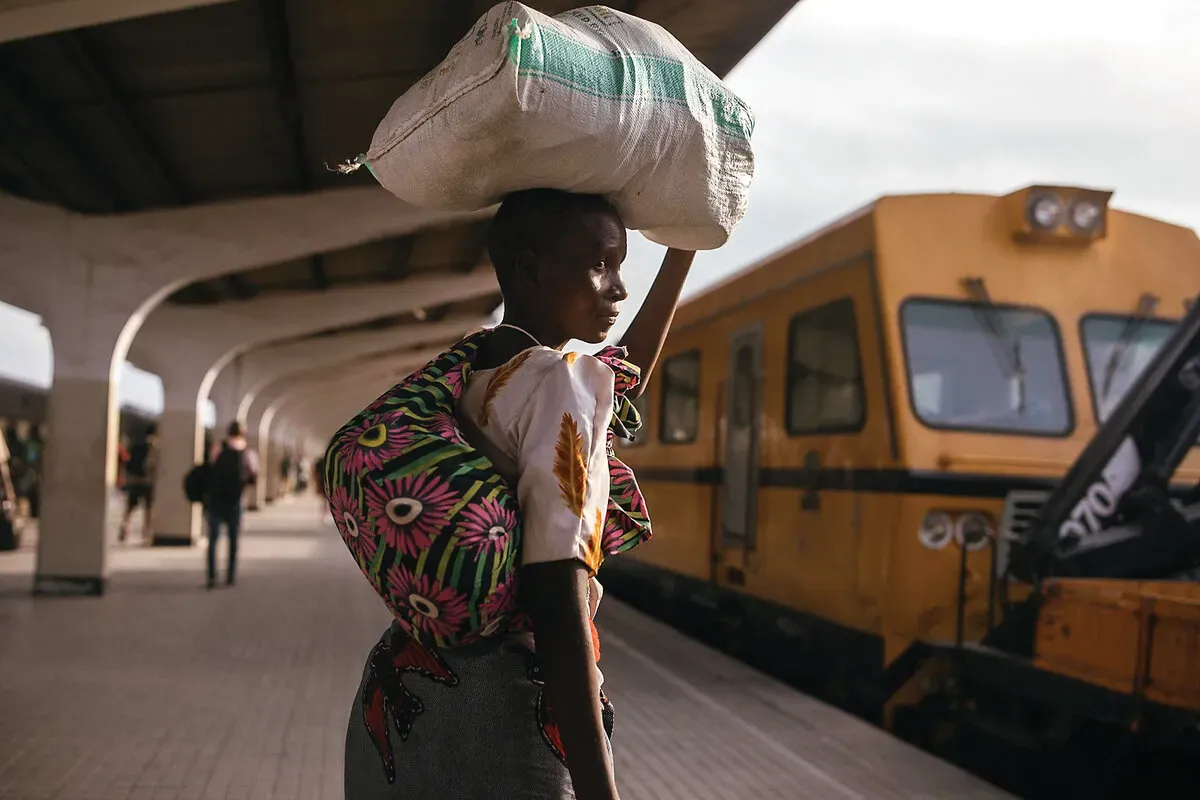
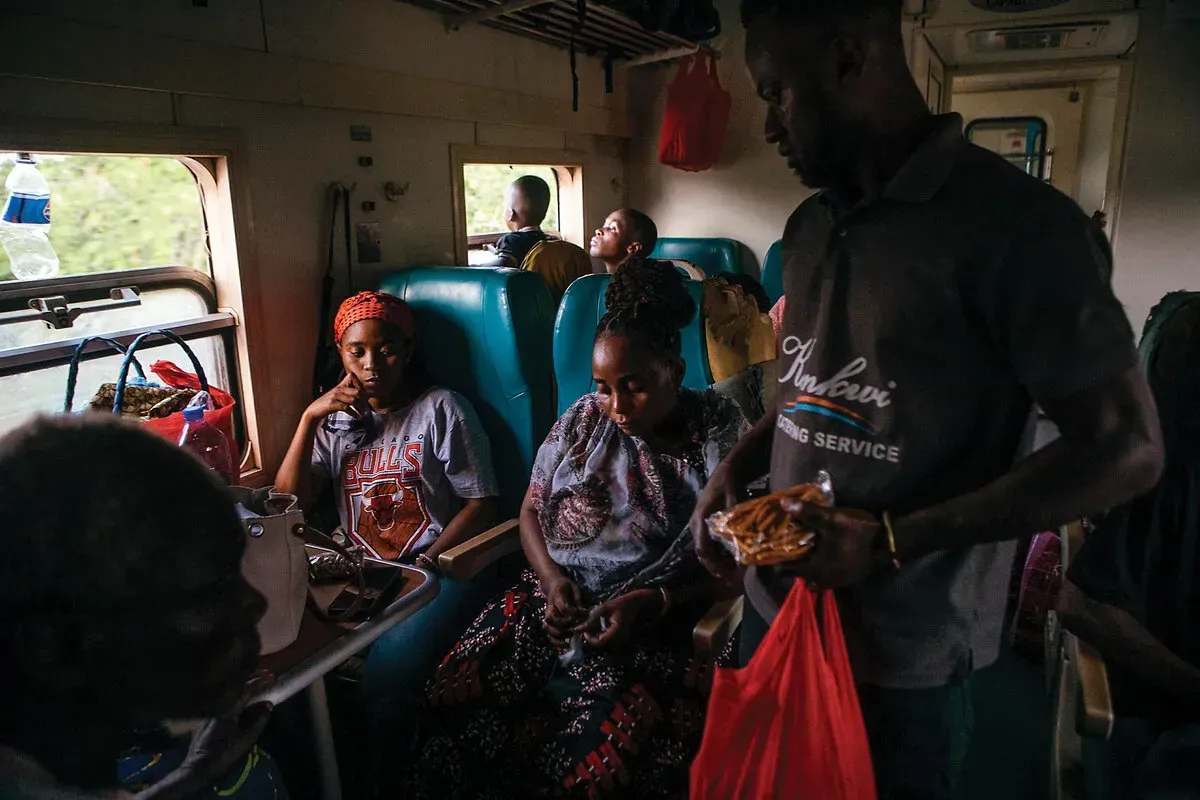
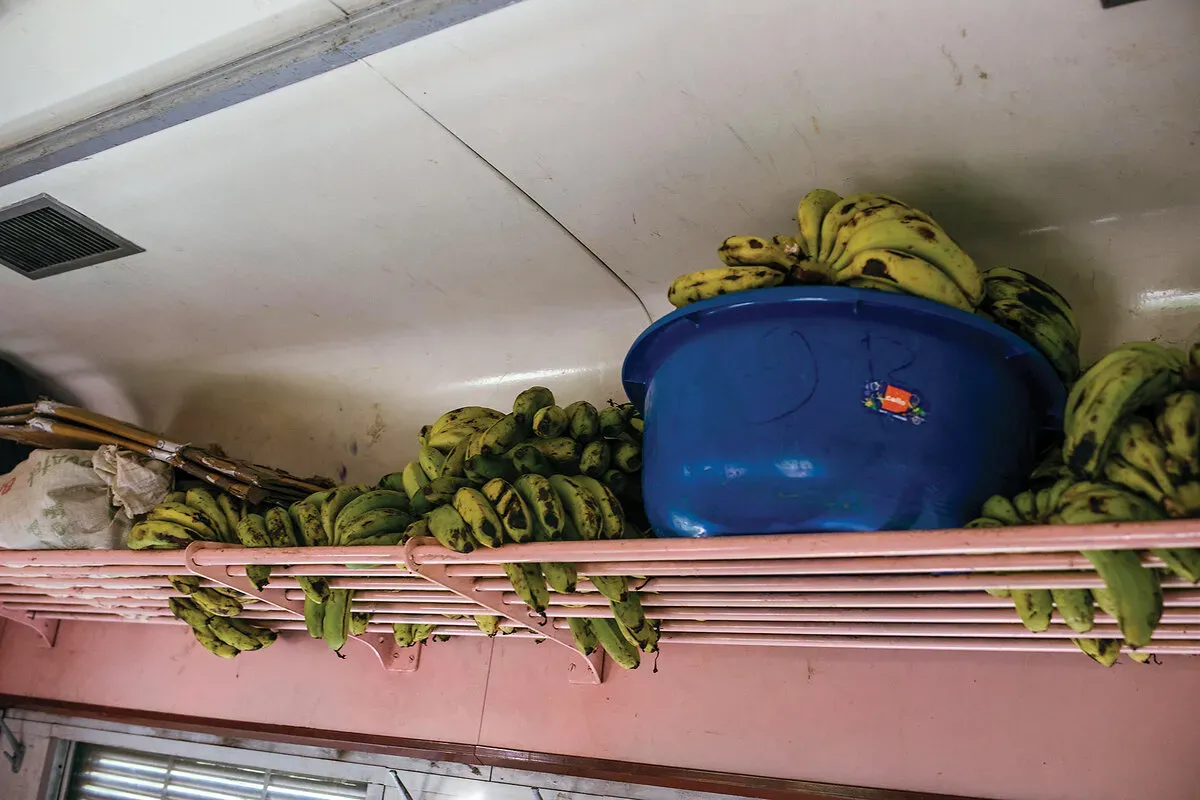
Catalina Mutale rides the Tanzania-Zambia railway from her home in Zambia’s Central province at least once a week, hauling six baskets containing 50 kilograms (110 pounds) of bananas. Seated in third class, just behind the roaring engine car, Ms. Mutale has a handful of traveling companions, all with some business of their own. They pass the time by playing music, chatting, and dozing off to the rhythmic chugging of the train – that is, when the train is not jolting to an abrupt, body-slamming stop at a village station or because a car has derailed for unknown reasons.
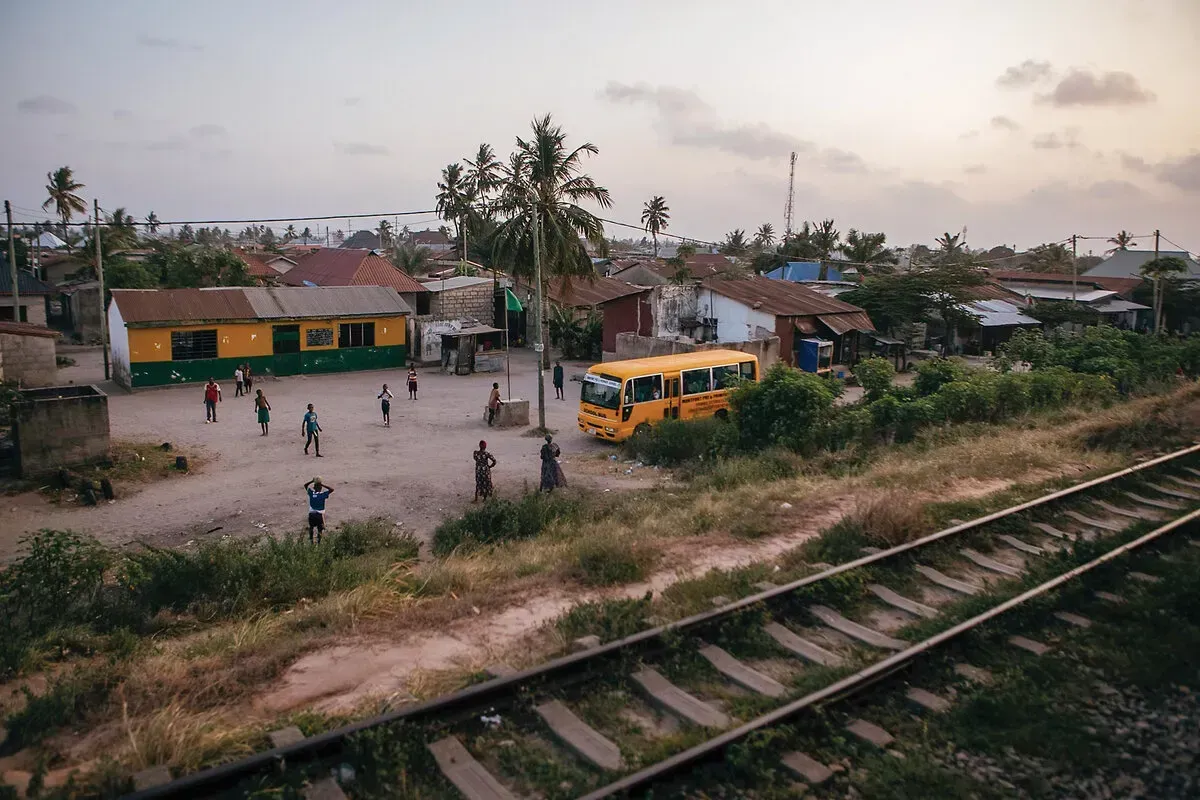
The entirety of the Tazara, as the railway is known, runs from Tanzania’s coastal financial hub of Dar es Salaam west to New Kapiri Mposhi, Zambia. It is 1,852 kilometers (about 1,150 miles) long and takes an optimistically projected 46 hours. The train has a reputation for extreme unreliability: Unannounced delays are to be expected, extending one’s journey by 72 hours or more. My companions and I consider ourselves fortunate: Our journey ended up being a mere 13 hours behind schedule. This is not a ride for an impatient traveler.
But even with these drawbacks, the cars fill up. Most of the time, first-class sleeper cars are fully booked two days in advance, a fact we discovered firsthand.

As a nonprofit journalism organization, we depend on your support to fund more than 170 reporting projects every year on critical global and local issues. Donate any amount today to become a Pulitzer Center Champion and receive exclusive benefits!
The plan for the Tazara was put forward in the 1960s by two leaders: Kenneth Kaunda of Zambia and Julius Nyerere of Tanzania, who wanted to connect central and southern African states to the Indian Ocean. When Western countries and the World Bank balked at the cost, China stepped in with not only funds but also equipment and expertise. The railway was China’s largest foreign aid project at the time, and Beijing has pledged at least $1 billion to revitalize the decades-old rail line.
Ms. Mutale begins her journey at Nakonde Station, a skip beyond the Tanzania-Zambia border, where she sources bananas from local farmers. Even though the Tazara is far slower, it’s cheaper than bus fare. “You get used to it,” she tells me.
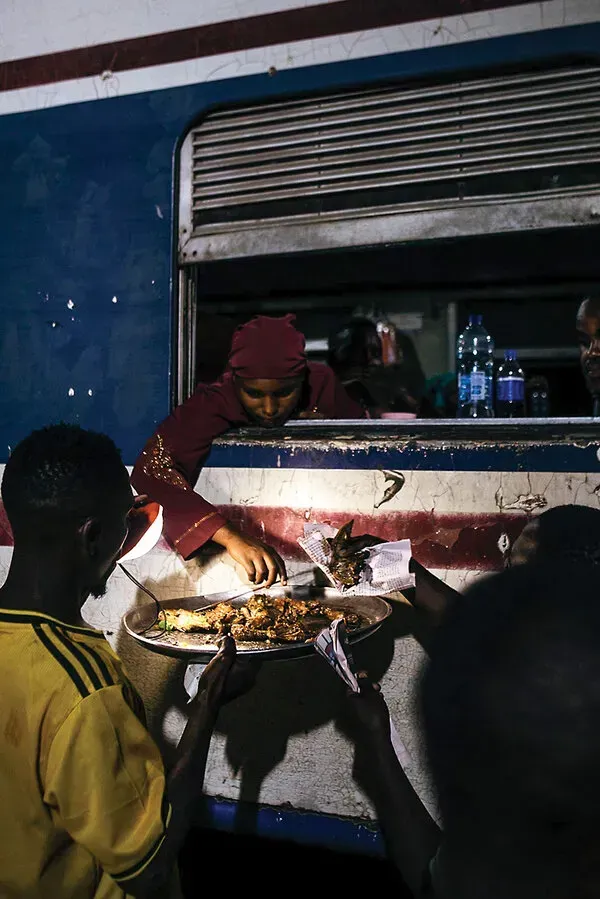
After 20 hours on the train, an air of acceptance settles over the travelers. We fall into a pattern of seeking sleep through a series of gingerly calculated adjustments on the third-class benches, exploring the 20 or so train cars, and stretching our legs.
“This train is very old, but it still gets us to where we need [to go],” Ms. Mutale says.
Paul Stremple contributed reporting.