

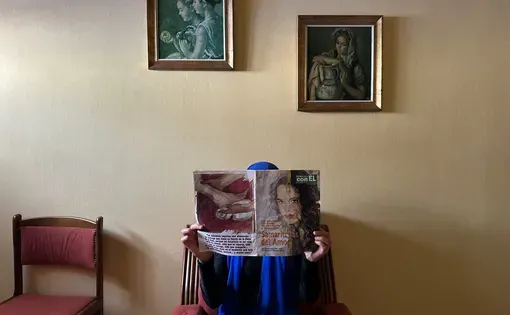
Many migrant Moroccan women encounter abuse in Spain.
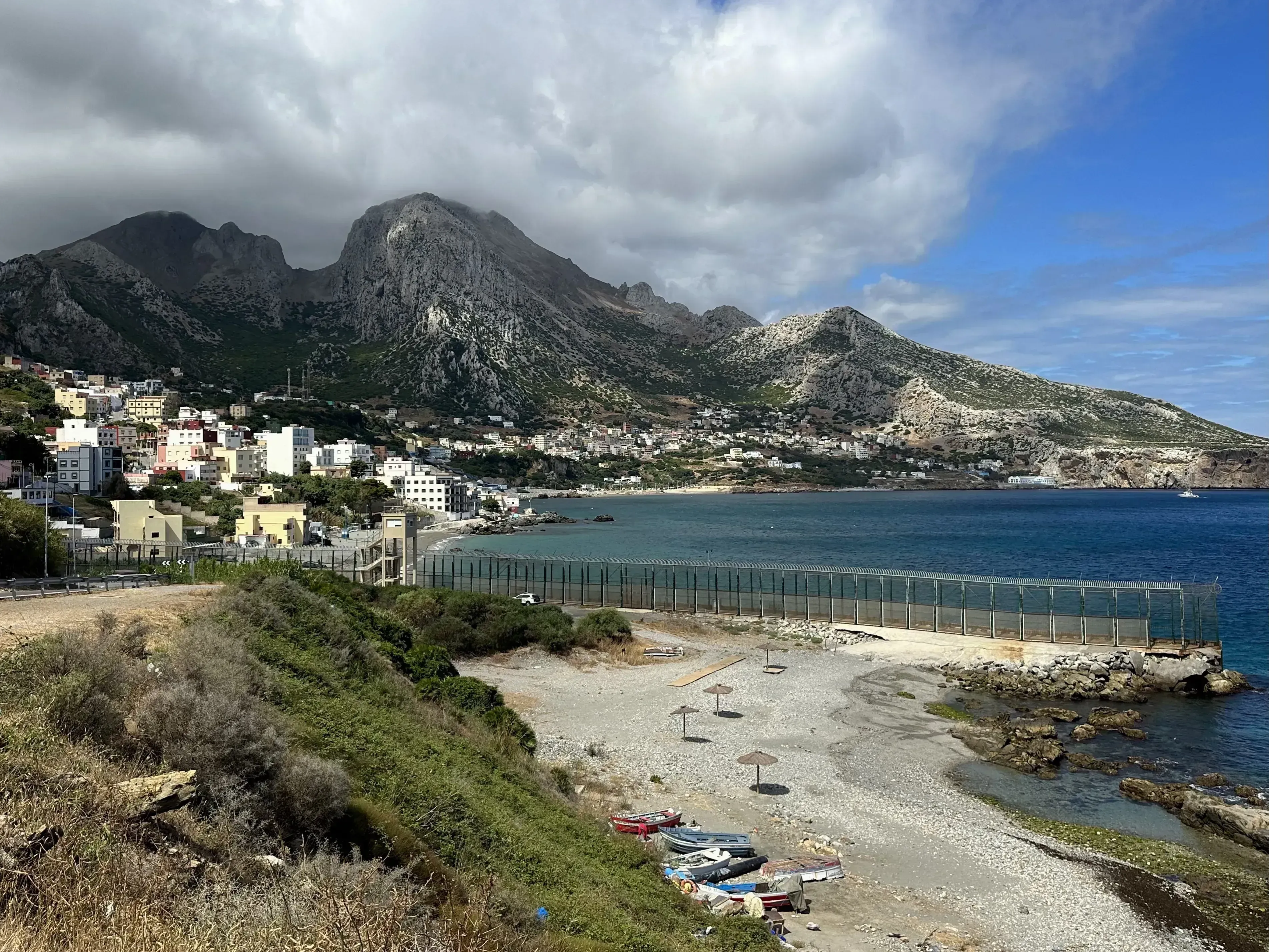
La Mujer Muerta, the dead woman, finds her final resting place in the mountains just behind the Moroccan town of Belyounech. A fitting name, I think to myself, as I capture the moment. Standing on the Spanish side of the border, I remember all the women I had spoken to over the past few weeks. The women who, like the mountain that represents them, were almost laid to rest in a small fishing town in the Strait of Gibraltar.

As a nonprofit journalism organization, we depend on your support to fund more than 170 reporting projects every year on critical global and local issues. Donate any amount today to become a Pulitzer Center Champion and receive exclusive benefits!
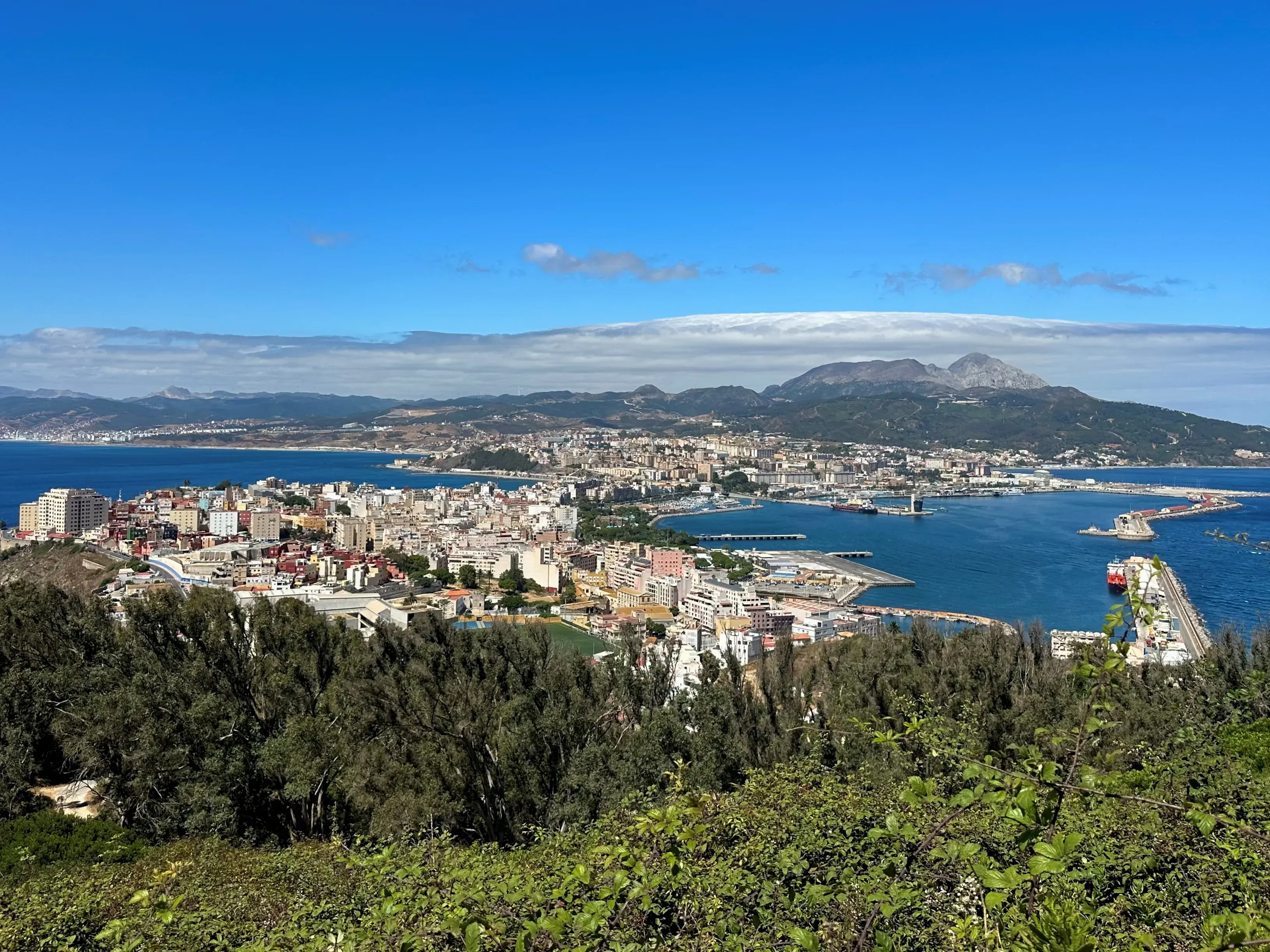
For three weeks, I had been in Ceuta, Spain, an unassuming city of only 7 square miles, uncovering the stories of survivors of domestic violence. Most of the women I interviewed were Moroccan, born and raised in one of the towns within close proximity to the border that separates the rest of Africa from the tiny European enclave.
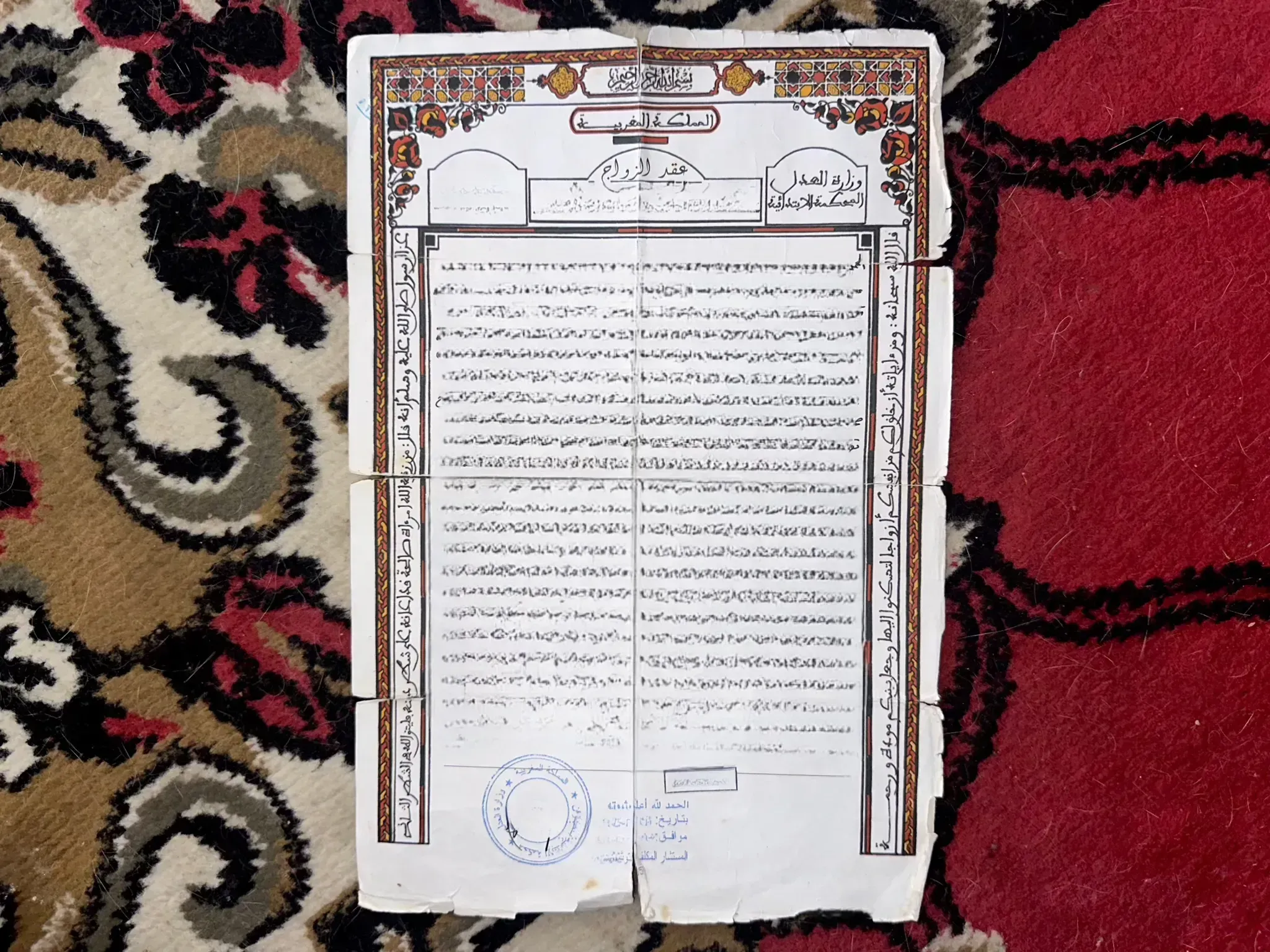
*Reem’s name and document have been altered to conceal personal information for the safety of herself and her mother.
The survivors told me that while they had grown up crossing into Spain on the weekends to shop or spend time at the beach, they had no intention of migrating. It wasn’t until they married Spanish men of Moroccan heritage that they moved to Ceuta, where they found themselves trapped in violent relationships. Their husbands often denied them access to education, employment, and healthcare by never regularizing their Spanish residency. For years, they confined their wives to the domestic sphere, where the women endured unspeakable physical and emotional abuse, all while endlessly serving their husbands and their families.
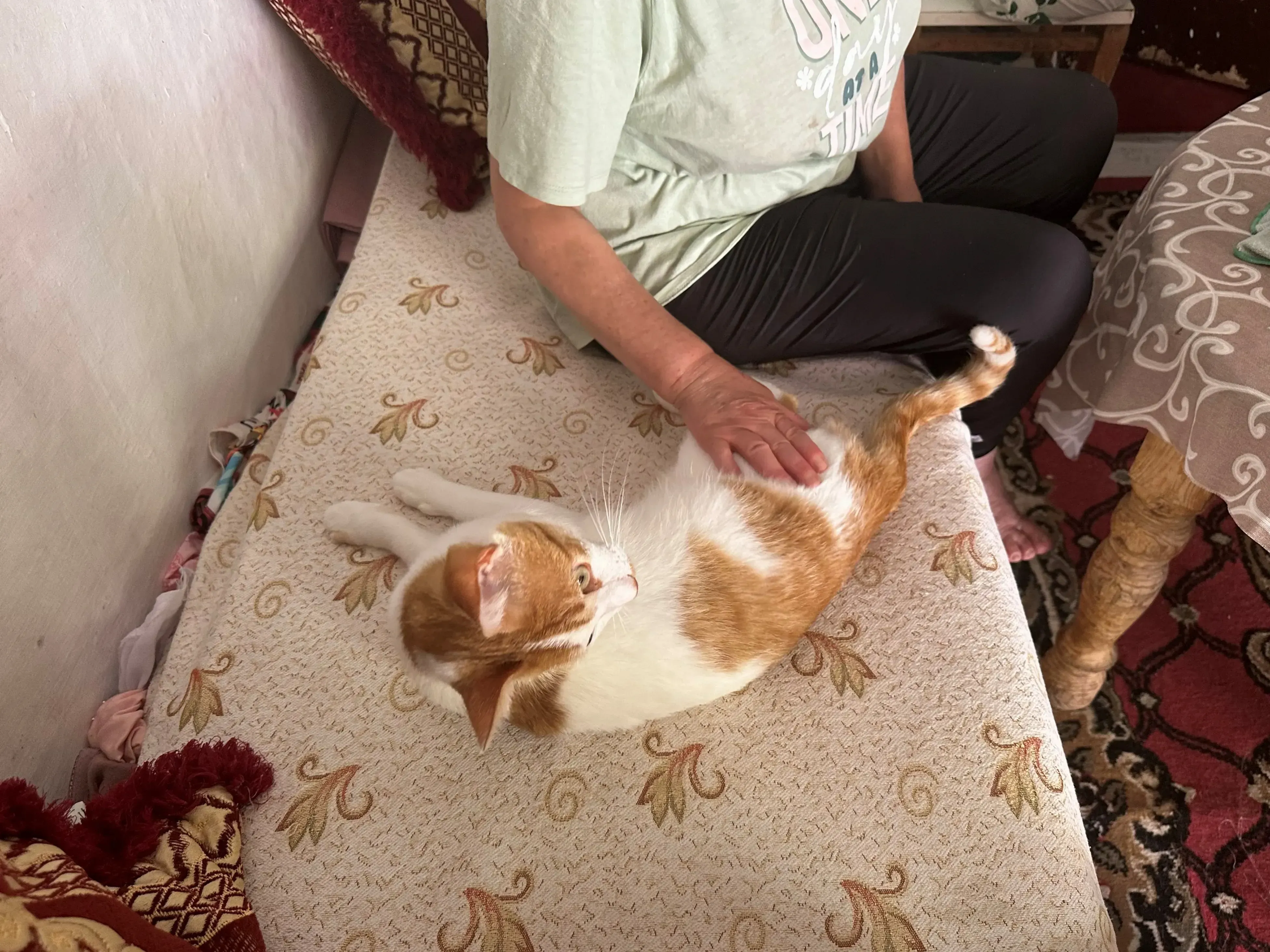
These survivors make up a community of countless Moroccan women who have been exploited into domestic servitude through marriage and migration. By crossing to Ceuta, they lose their livelihoods and agency at the border. They are invisible and forgotten by many — their suffering kept locked behind closed doors.
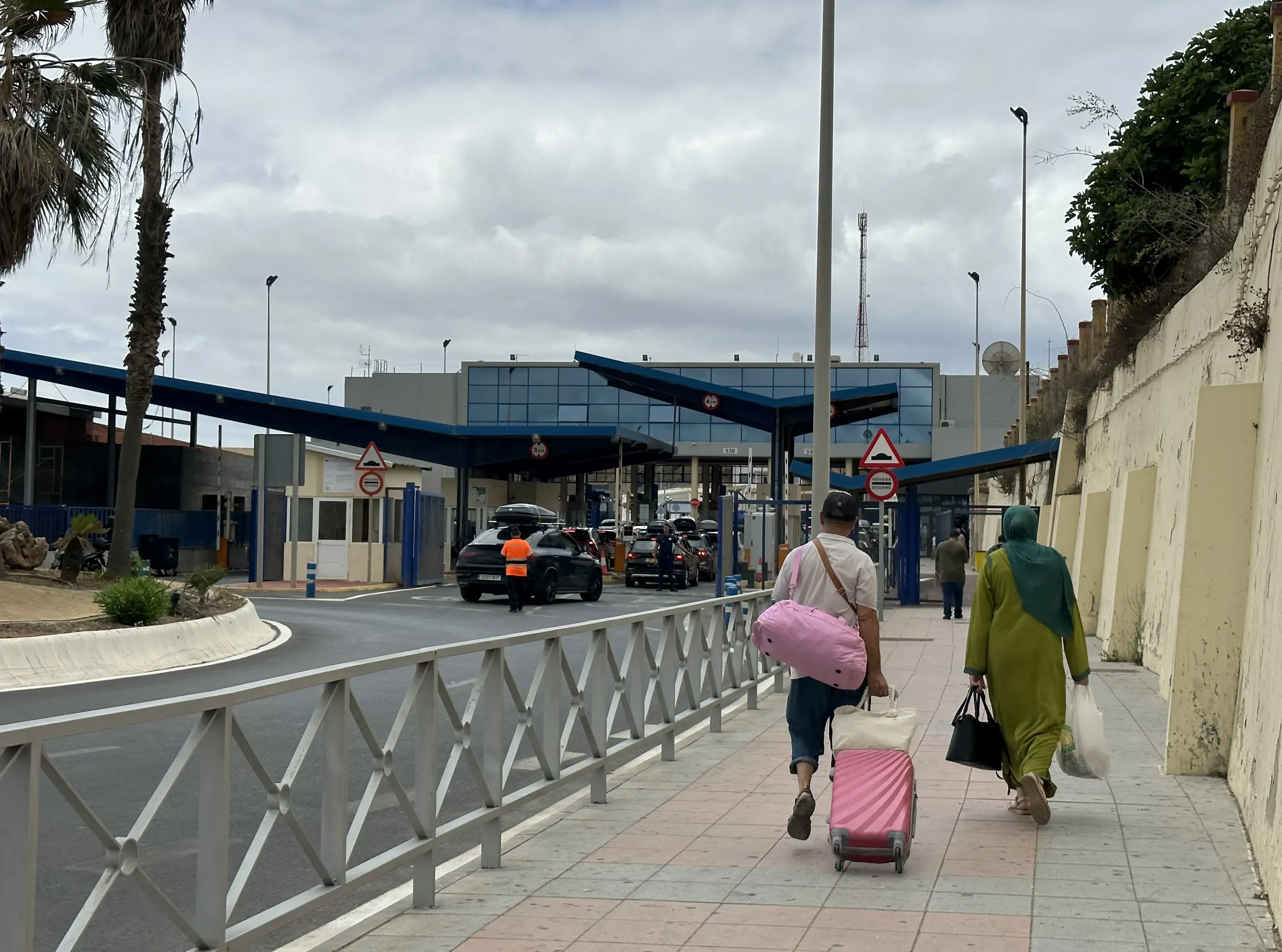
Due to a recent change in border politics, the dangers these women face have only escalated, experts say. Before the COVID-19 pandemic, the border between Spain and Morocco had been largely unrestricted. The only requirement to cross between the two countries was to show a Moroccan or Spanish passport. When the border eventually reopened in 2022, Morocco enforced a new visa requirement for its citizens. Without access to a visa, migrant women in Ceuta, who had previously been able to visit their families in Morocco or receive healthcare there, have become indefinitely cut off from their homeland. They are trapped in Ceuta. “The abuse has only gotten worse. Our husbands know we have nowhere to go,” one woman tells me.
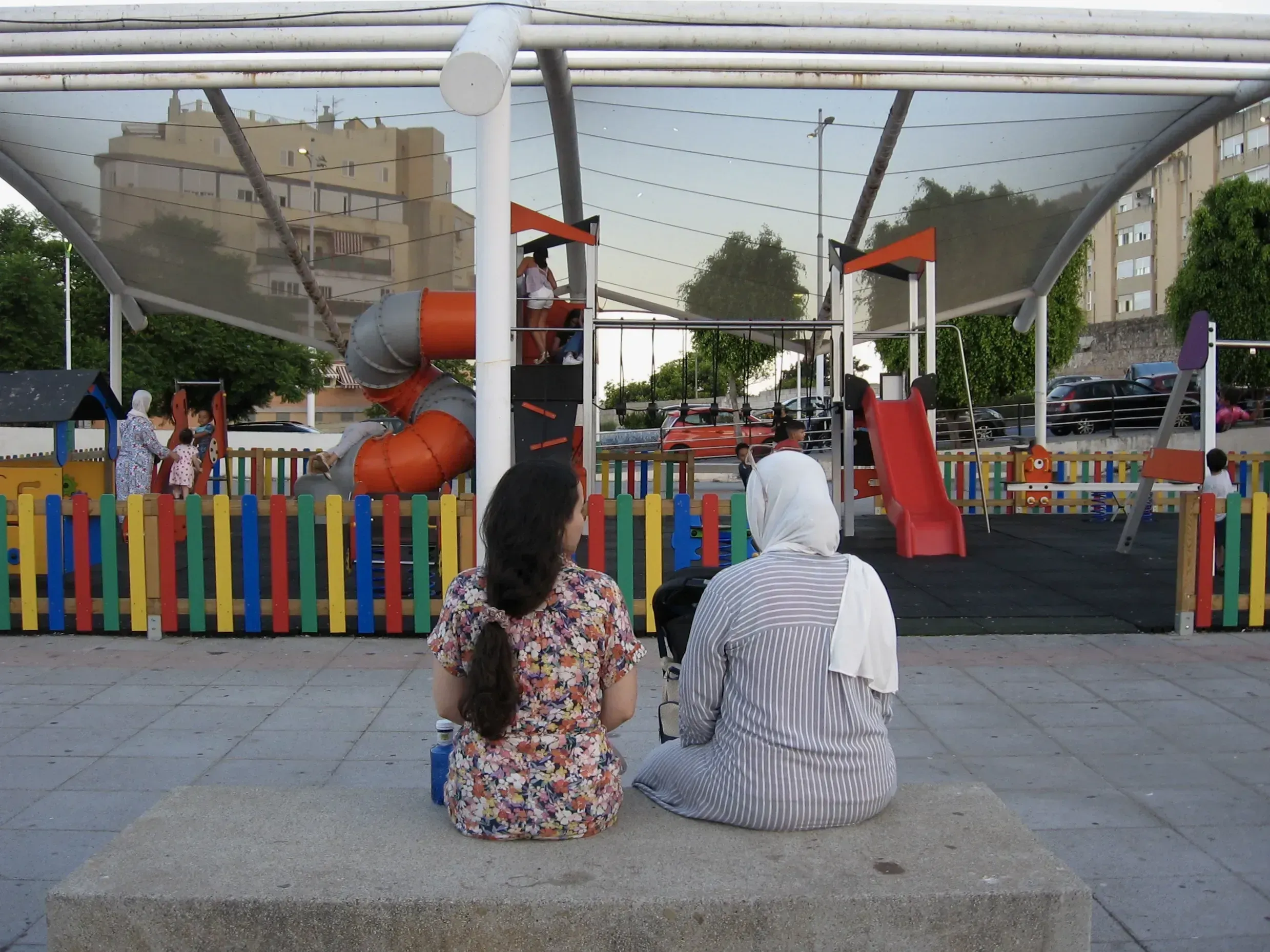
As a result, Moroccan women in Ceuta, many experiencing similar marital abuse, have begun to form their own networks of support. When their husbands let them leave the house alone, the women meet in public spaces to share their stories and exchange potential resources with other migrants.
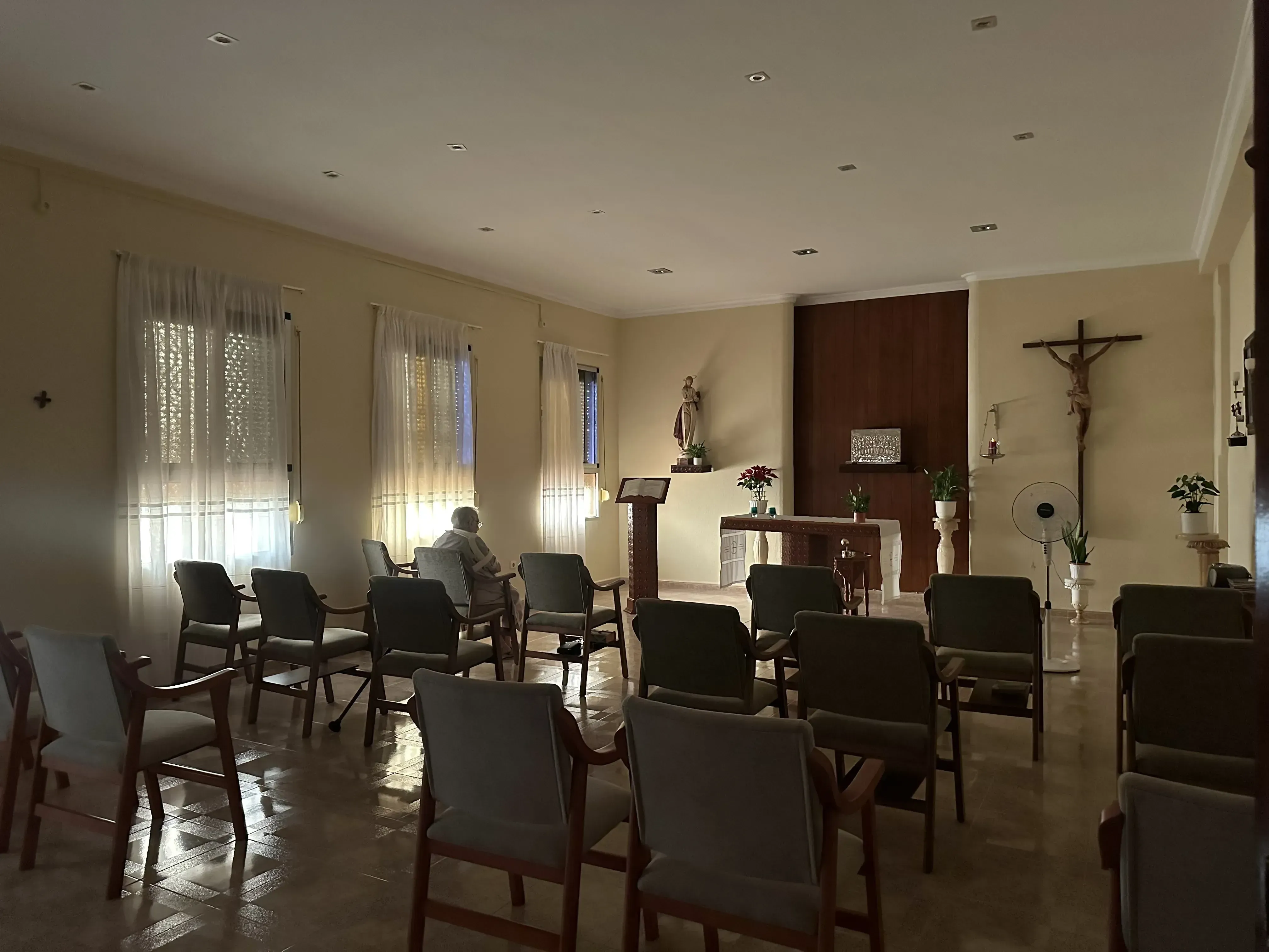
Many of the women urge their friends with abusive husbands to go to las monjas—the nuns. Through their organization, Adoratrices, las monjas offer a shelter for domestic violence survivors.
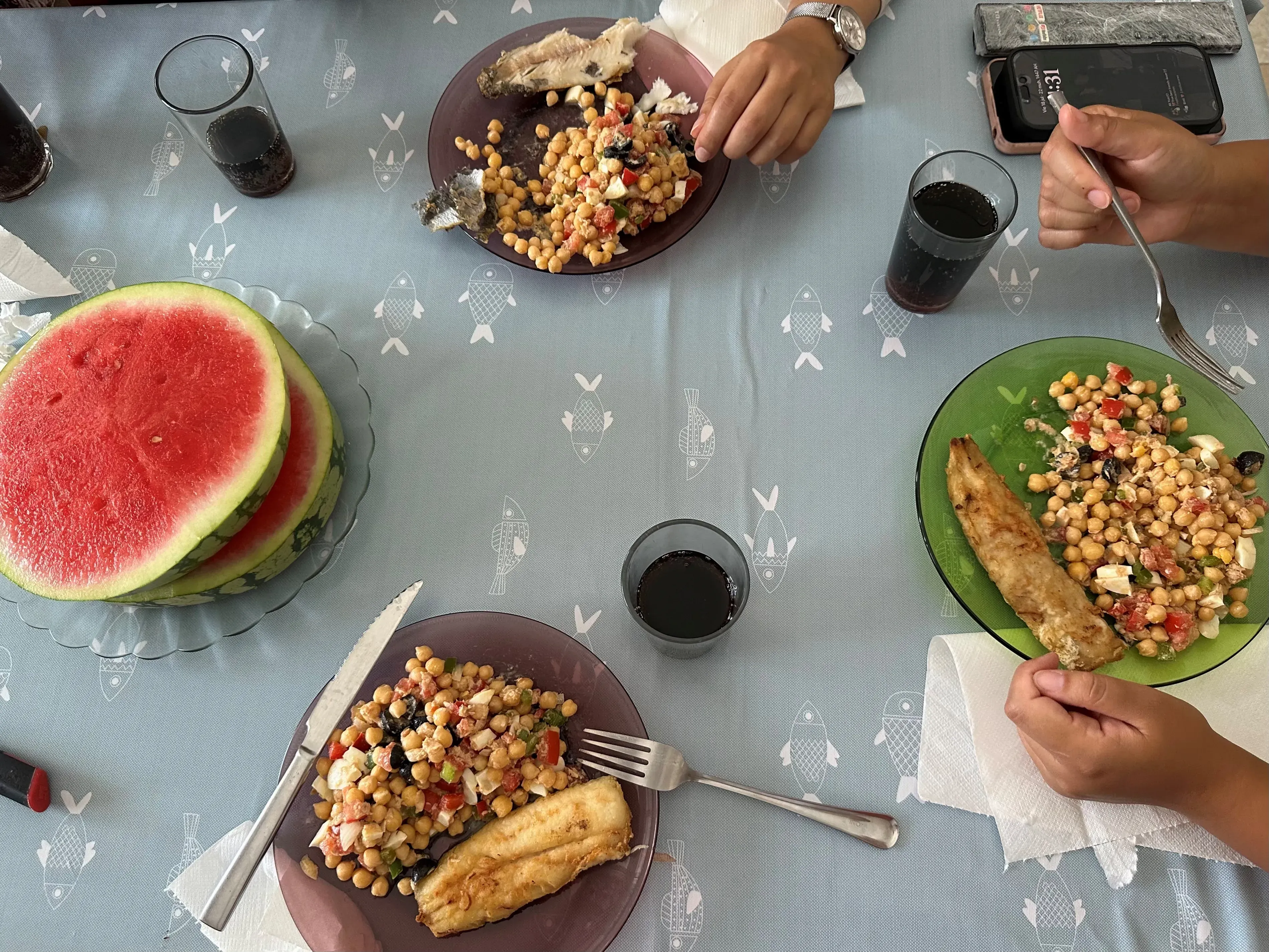
At Adoratrices, the women live side by side with the nuns, sharing meals, partaking in housework, and slowly building personal relationships amongst the other residents. Their physical and emotional needs are met through the convent community and the network of social workers who assist the organization.

Through legal services, sessions with psychiatrists, and Spanish lessons, Adoratrices helps the migrants heal from their past and move forward with their lives. The women at the shelter tell me that one of the most important services Adoratrices offers is childcare. With the nuns watching over their children, many women can maintain stable working hours and start saving towards their futures.
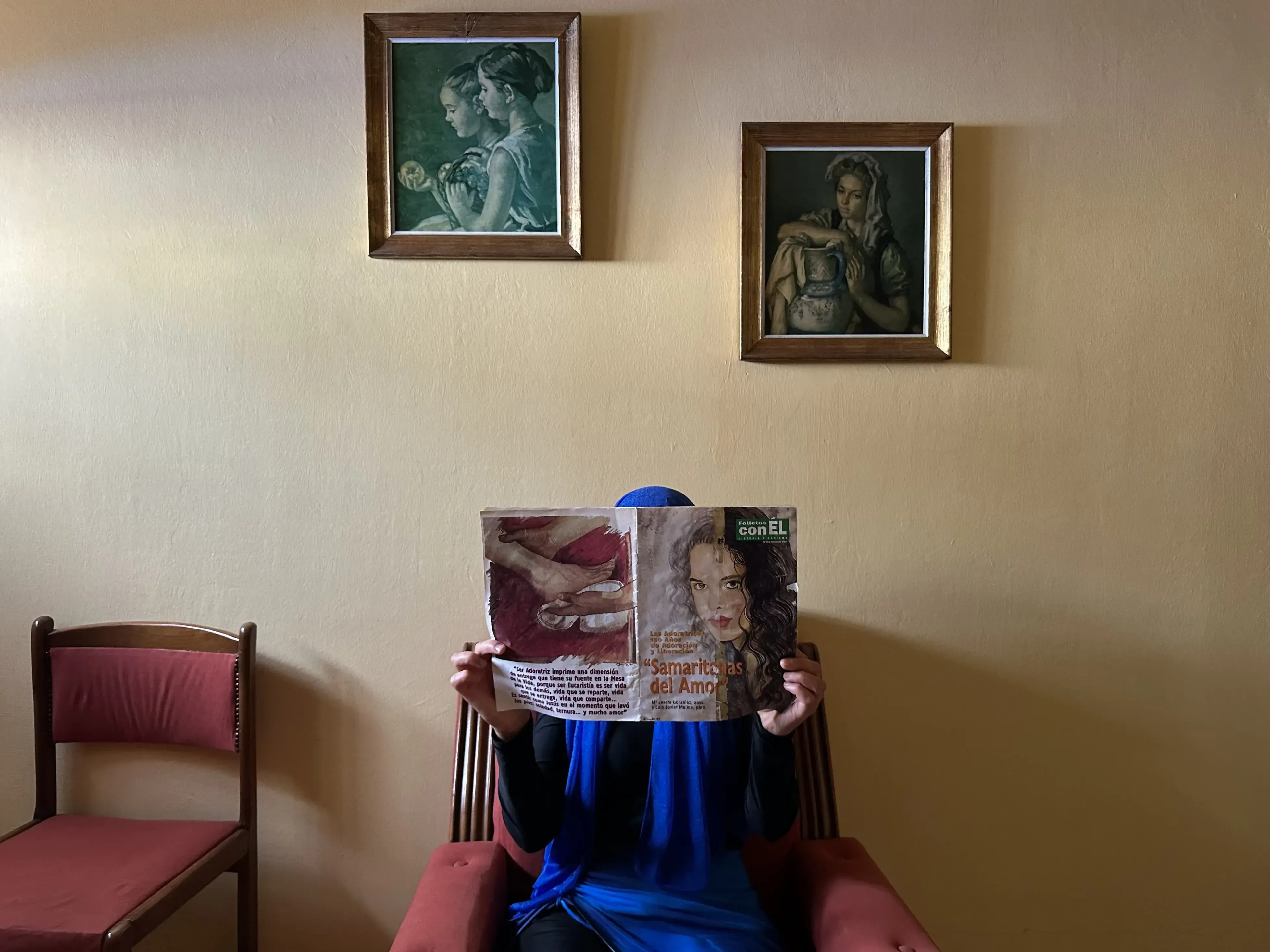
*Naima’s name has been altered to conceal personal information for the safety of herself and her daughter
Perhaps the most important resource Adoratrices offers is community. For the first time since arriving in Spain, the migrants have a home, a support network, and a family. In living amongst others who have shared in their struggle and feeling the constant reassurance of the nuns, the women are empowered to take back control of their lives. They receive a second chance in Spain to live proudly and publicly, never again behind closed doors.