

The hidden costs of living in a "sacrifice zone"

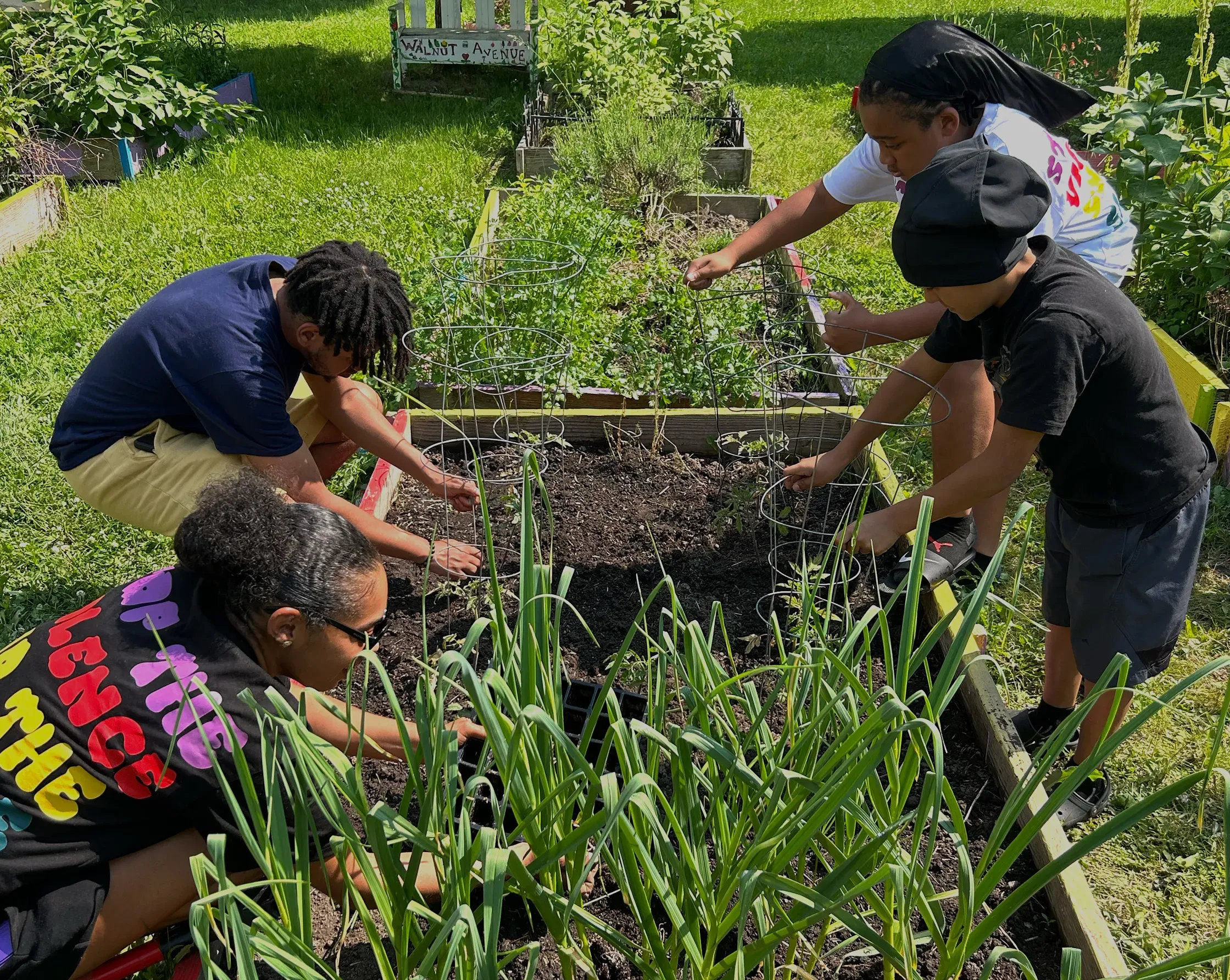
At the end of April, my hands were covered with soil at a Niagara Falls, New York, community garden. Amanda West, 39, took a deep breath, finally feeling a moment of sanctuary. She has cared for this garden mostly on her own, left with nothing but empty promises from others who abandoned it. Her two sons watered the tomatoes and peppers we planted.
That day, there were no interviews, microphones, or cameras. I was simply there to help.
The last few years have tested West's resilience. She sustained injuries from two car accidents and, she said, it took doctors more than five years to diagnose her with Lupus. Before the most recent car crash forced her on disability, she was working three jobs in summer 2023.
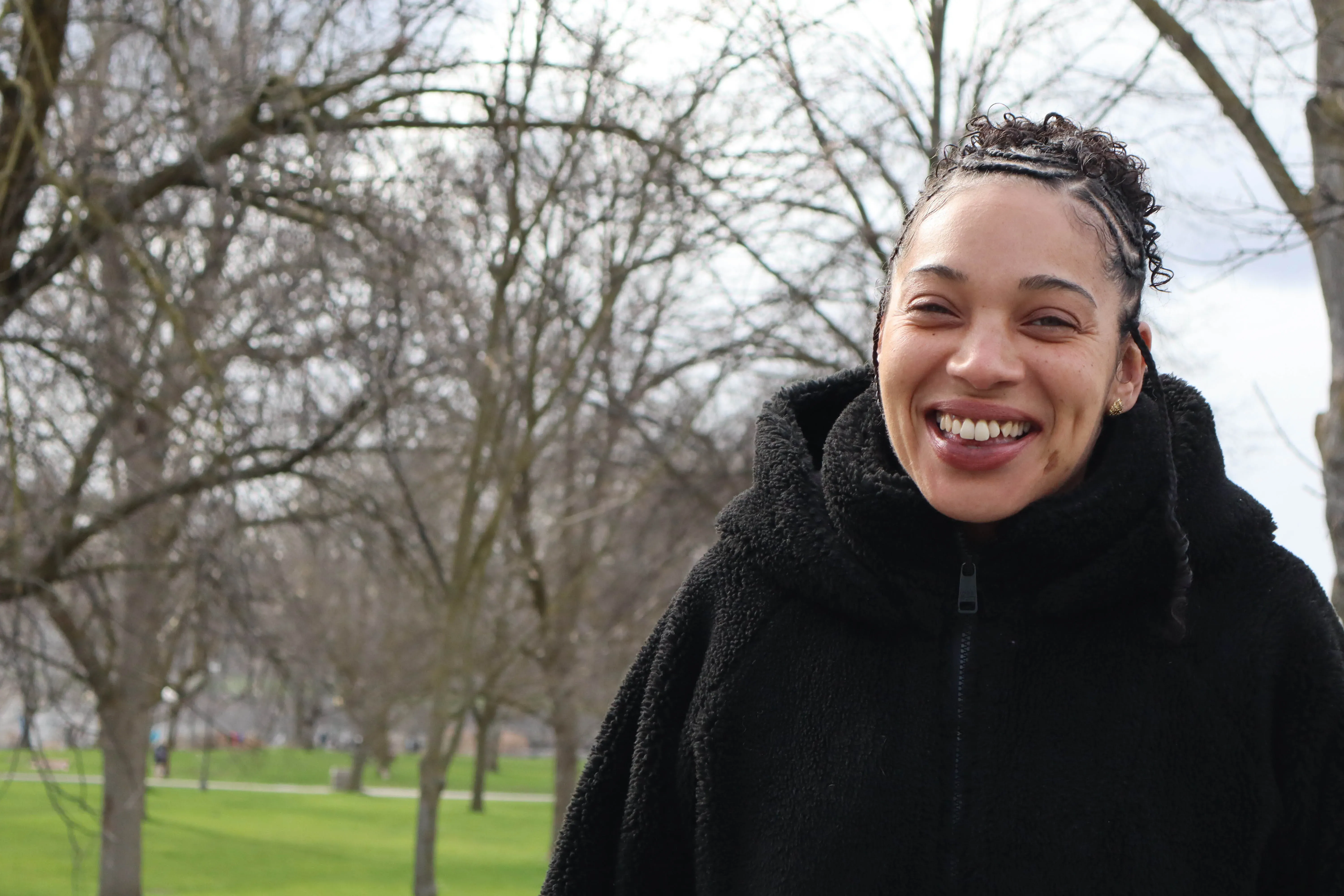
Despite her struggles, West founded a nonprofit, Rep Your City, a group that aims to unite the community around common goals, including environmental justice. West hosted a rock-painting event for children at the community garden and co-organized an Easter egg hunt in the spring.
Between these projects, she takes her 9-year-old son, Zion, to basketball practices and advocates for her 18-year-old son, Donte, who developed a learning disability when he was younger. She celebrates every one of Donte’s milestones, including his high school graduation.
The community activist leaves her door open for children in the neighborhood who need a safe place to stay; she takes care of her mother, who lives an hour away, and she has moved her family into a new house.
West said she moved to Niagara Falls for the same reason a lot of people do: The homes are affordable. However, when it was just her and Donte, she said, they lived in a community called Packard Court, which rests in the middle of the city’s industrial district. According to West, the water and air quality were poor, neighbors were sick, and health was not a priority.
She said she got involved with environmental justice after worrying about the environment's impact on her children. She later volunteered with the nonprofits Creating a Healthier Niagara Falls, Grassroots Gardens WNY, and the Niagara Falls Heritage Center.
Niagara Falls has a legacy of women fighting for justice. Nearly 50 years ago, the Love Canal disaster rocked the city, when a working-class neighborhood was built near a chemical waste dump. By 1978, there were about 800 private single-family homes and 240 low-income apartments built around the canal. By October 1980, a total evacuation of the community was ordered by President Jimmy Carter after research showed a myriad of diseases occurred at higher rates in the community than in the rest of the city. According to the EPA, cleanup couldn't officially begin until 1988, and wasn't complete until 1999,
The activism of the group Mothers of Love Canal helped shape the modern environmental movement and led to the creation of the EPA’s Comprehensive Environmental Response, Compensation, and Liability Act (CERCLA), commonly known as Superfund, in 1980.
West carries that same fire.
When I first met her, I asked why she was so inspired to help a city she once called “crack city” after hearing rumors about the city’s drug epidemic. She told me that one of her first jobs in Niagara Falls was at a Cricket Wireless store. Customers would share stories of how hard life was in the city. She wanted to make a difference, including in environmental issues.
West is determined to keep fighting for her health and the health of her community. She said she raised her sons to prioritize their health above all else.
“Health is wealth,” she tells them. “You don’t have anything without it.”
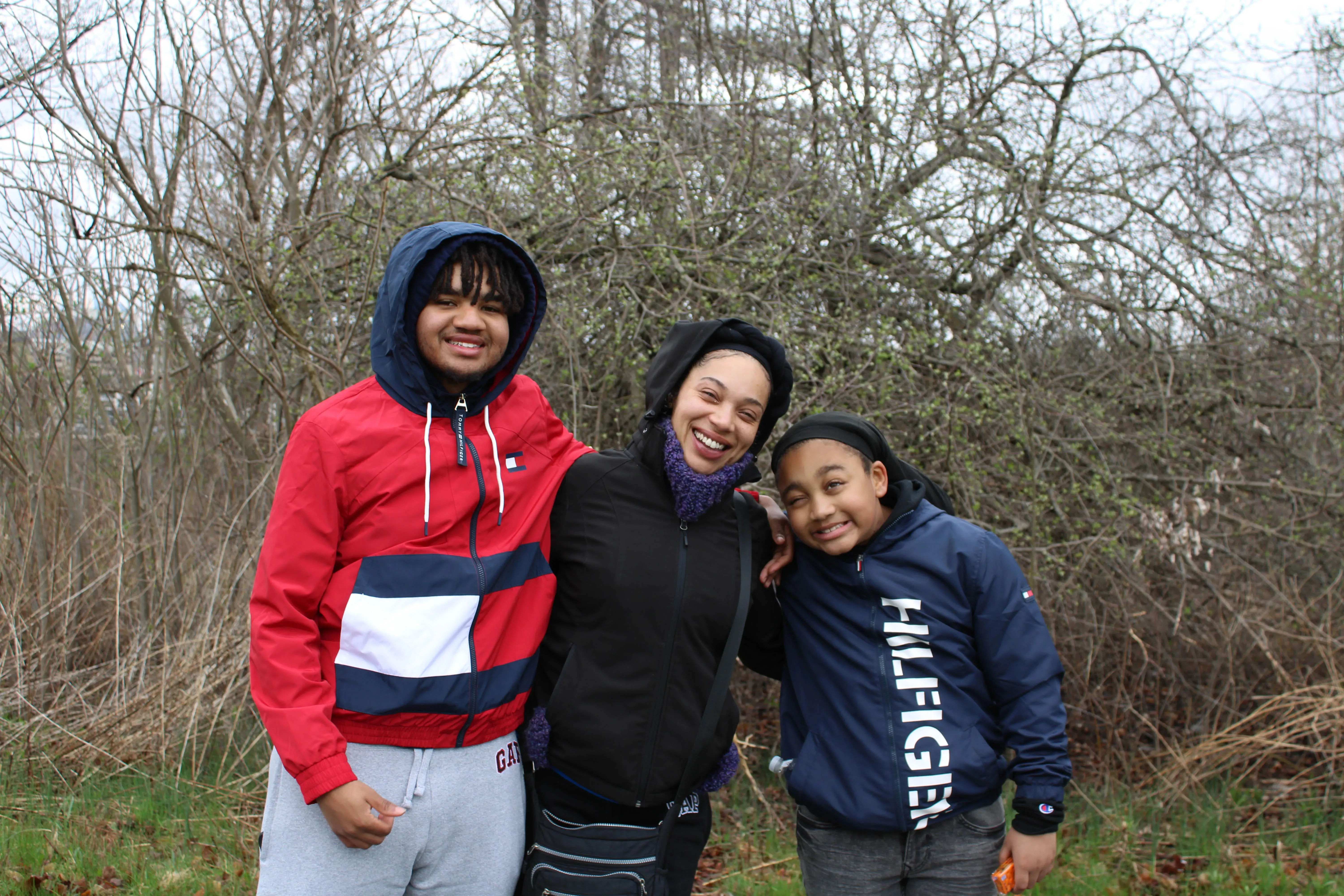
She brings them to nearly every event she attends, letting them see firsthand what community work looks like. Donte often asks questions, joins in on conversations, and is learning that his voice matters.
In April, West said, she started to get burned out because she felt she had no support and was juggling too much at once. But she continues to reach out and build connections with other community change agents. She tables at local events, attends environmental justice informational meetings, and dreams up new projects to keep progress moving forward.
West and I attended a community-based photography show titled Beyond the Murals: A Conversation with Our Neighbors, held at a local café. We were embraced by community members, feeling welcomed and energized. We spent that afternoon coloring on printed-out sheets, talking about the power of building community.
Although she still faces barriers, West intends to keep planting seeds of change, in hopes that one day change will come for her family and for her community.