Story
 November 13, 2025
‘It Was Sleeping:’ Members of the Paakantyi Community ‘Reawaken’ Their Native Language
Country:

Indigenous communities are reawakening their languages.
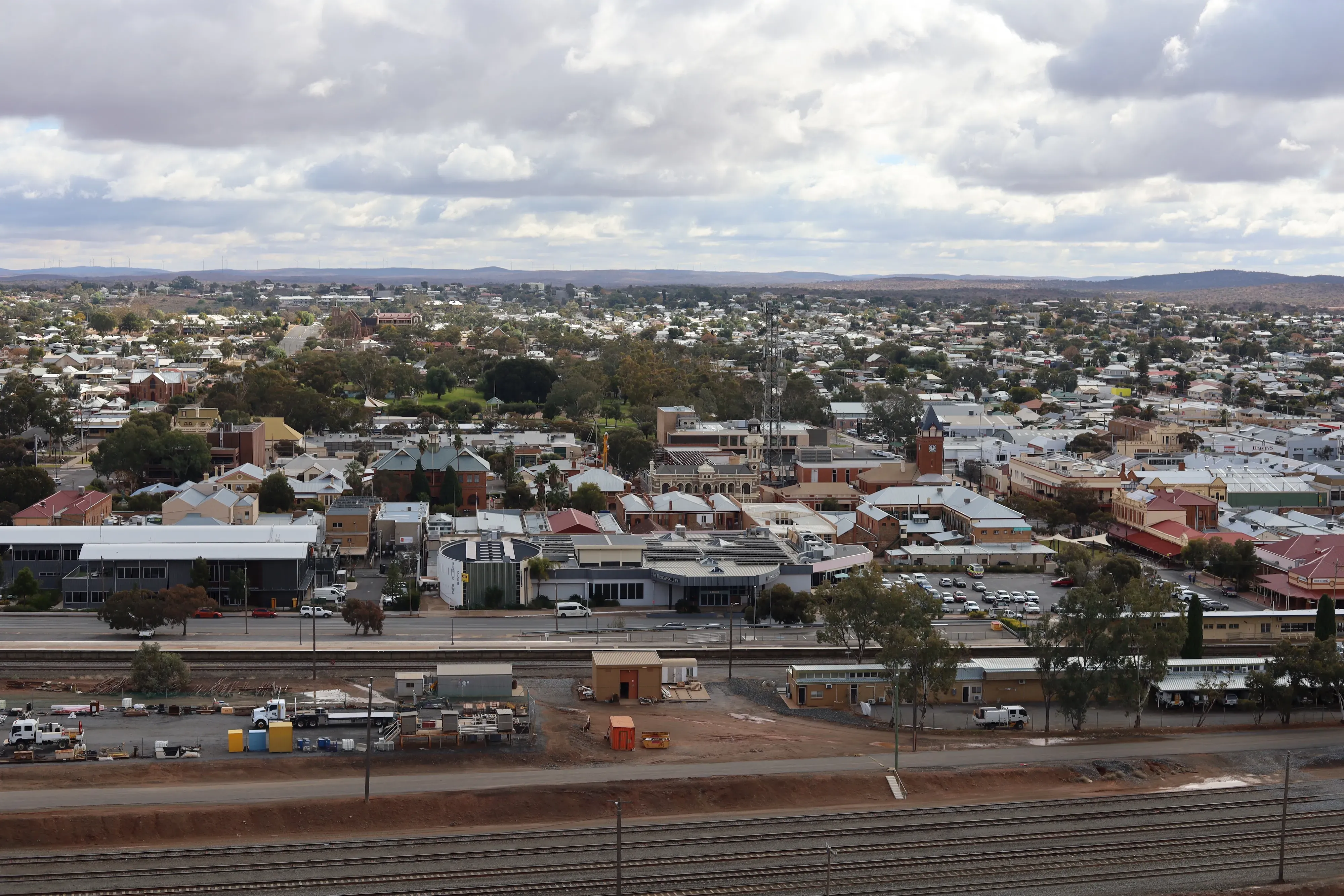
NEW SOUTH WALES, AUSTRALIA —With less than 10 native speakers left, the Paakantyi community is finding ways to preserve its culture and language.
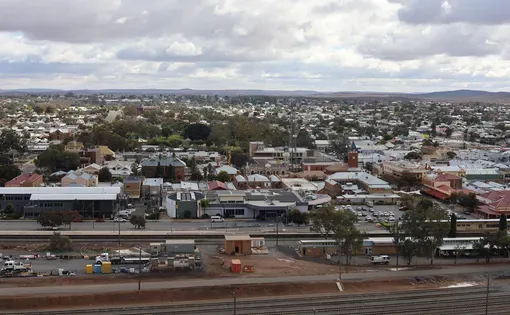
The Paakantyi (also known as Barkindji) is an Australian Indigenous community from the Darling River region of what is now New South Wales (NSW). Paakantyi has about 10 dialects, all of which derived from the same language, according to the NSW Local Land Services. Now, the language and its dialects are considered critically endangered by the Endangered Languages Project (ELP).
“You can’t have the language without the culture," said Amanda King, a member of the Paakantyi community. King taught the language, which she learned from her father-in-law, at Menindee Central School for over five years. “It is a part of who we are.”
As a nonprofit journalism organization, we depend on your support to fund more than 170 reporting projects every year on critical global and local issues. Donate any amount today to become a Pulitzer Center Champion and receive exclusive benefits!
In modern-day Australia, nearly 90% of Aboriginal languages are endangered, according to the National Archives of Australia (NAA). However, this issue is not isolated in Australia. The ELP states there are over 3,000 endangered languages worldwide, about 43% of today’s languages.
The Paakantyi, similar to other Indigenous communities, were stripped of their cultural identity during Australia’s assimilation policies during the 20th century, according to the Australian Museum. Indigenous children were removed from their homes, forced to assimilate, and were prohibited from speaking their native tongue.
Now, Indigenous communities, like the Paakantyi, across Australia are making efforts to revitalize their languages through the schools, community organized associations, and art.
Revival efforts in education
In 2014, the NSW Department of Education added Paakantyi to many schools' core curriculum, according to the department.
Faith Baisden, a member of the Yugambeh community, is an author and director of Banibar Books, which provides teachers and communities with children's books in a variety of Aboriginal languages.

After working nationally with the first languages, Baisden noticed the lack of linguistic resources in communities.
“These are the oldest spoken languages on the planet, and it's just a complete disaster if Australia loses them, or if the world loses them,” Baisden said.
To combat the lack of resources available for learning Aboriginal languages, Baisden focused her energy on children’s books. Banibar Books sells print copies as well as CDs on its website and in book stores. For instructors, “teacher packs” include curriculum notes and multiple print copies.
“To bring it back, we have to start teaching children again,” Baisden said. “Children are wonderful learners.”
Working alongside community members, Baisden structured her stories to be easily adaptable to different languages. She has written and sold children’s language books in Paakantyi, Awabakal (from the Newcastle/Southeastern region), and her community's language, Yugambeh (from the Gold Coast/Eastern region).
“It's about establishing identity and pride in your heritage. It's about the uniqueness of your own family and your own history,” Baisden said. “We want to see pride in the faces of young Aboriginal and Torres Strait Islander children acknowledging that their history and their family are really important.”
For her Paakantyi series, Baisden worked alongside Murray Butcher, also a member of the Paakantyi community.
The Paakantyi Language Sharing Circle

Butcher learned the language from his great-grandmother, Sarah, and is now a semi-fluent speaker. Butcher started his career as a cultural consultant at Wilcannia Central School, then moved on to Murray Health as a CEO. Butcher now serves as the Aboriginal student support for Technical and Further Education (TAFE) in Broken Hill, Australia’s first Heritage Town, in New South Wales.
In the early 2010s, Butcher founded the Paakantyi Language Sharing Circle to inspire members of the Paakantyi community to learn their native tongue outside the schools.
The group still meets in 2025, and has about 20 members, although Butcher is no longer actively involved.
“Language is key to your identity, it's a key to who you are. And when you got language, you know who you are,” Butcher said.
Butcher advocates for more community-led language revitalization.
“Our people need to take control again of our language and teach it, not in the classroom, but where the language lives and breeds in the country and through practicing culture, through fishing, through hunting, through interacting with family and all those kinds of things,” Butcher said. “That is where our language will survive, not through the school.”
There are not many native speakers left. Butcher knows about five. King knows only one.
Connecting to Culture through Art: How the Dieri Community faces similar challenges
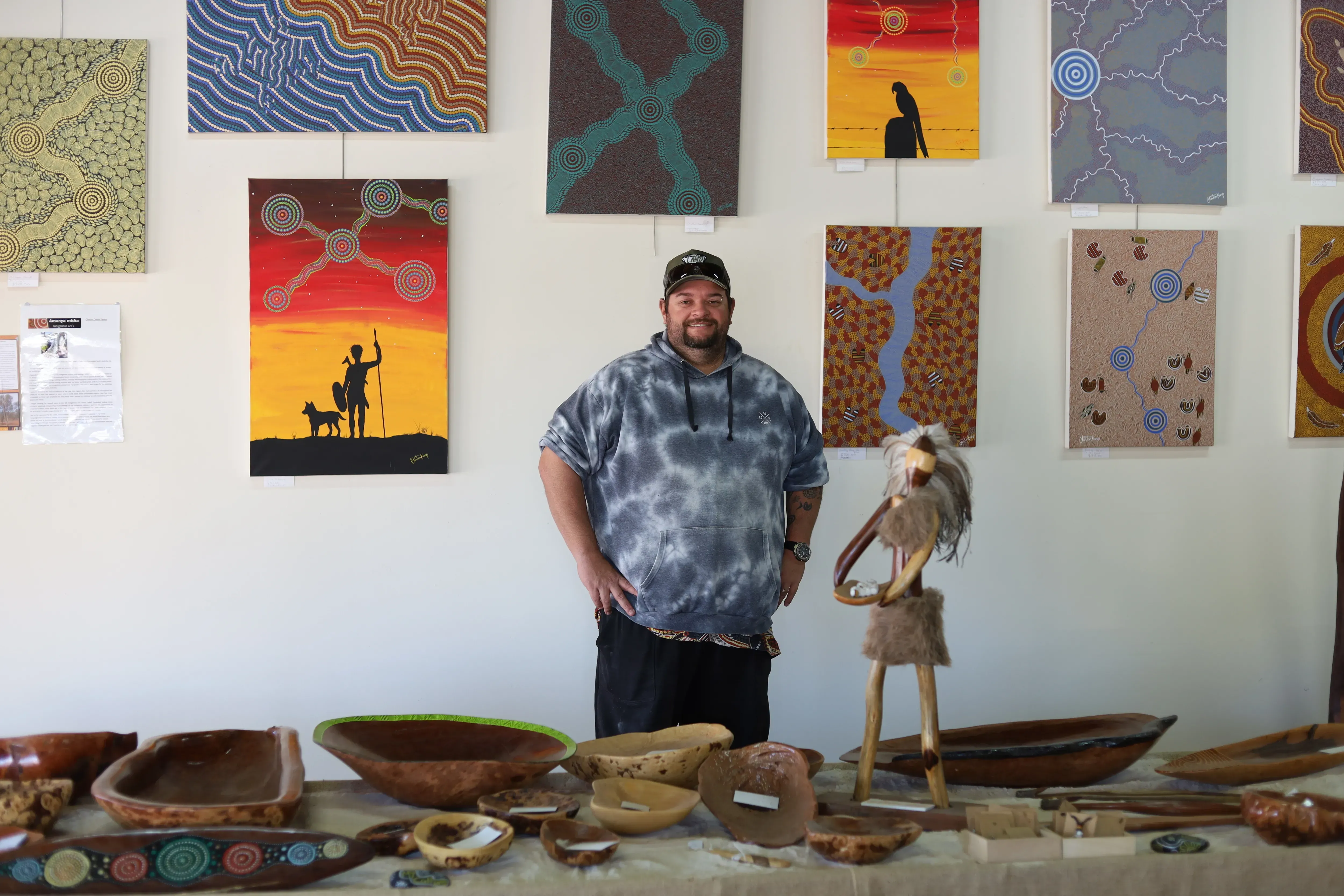
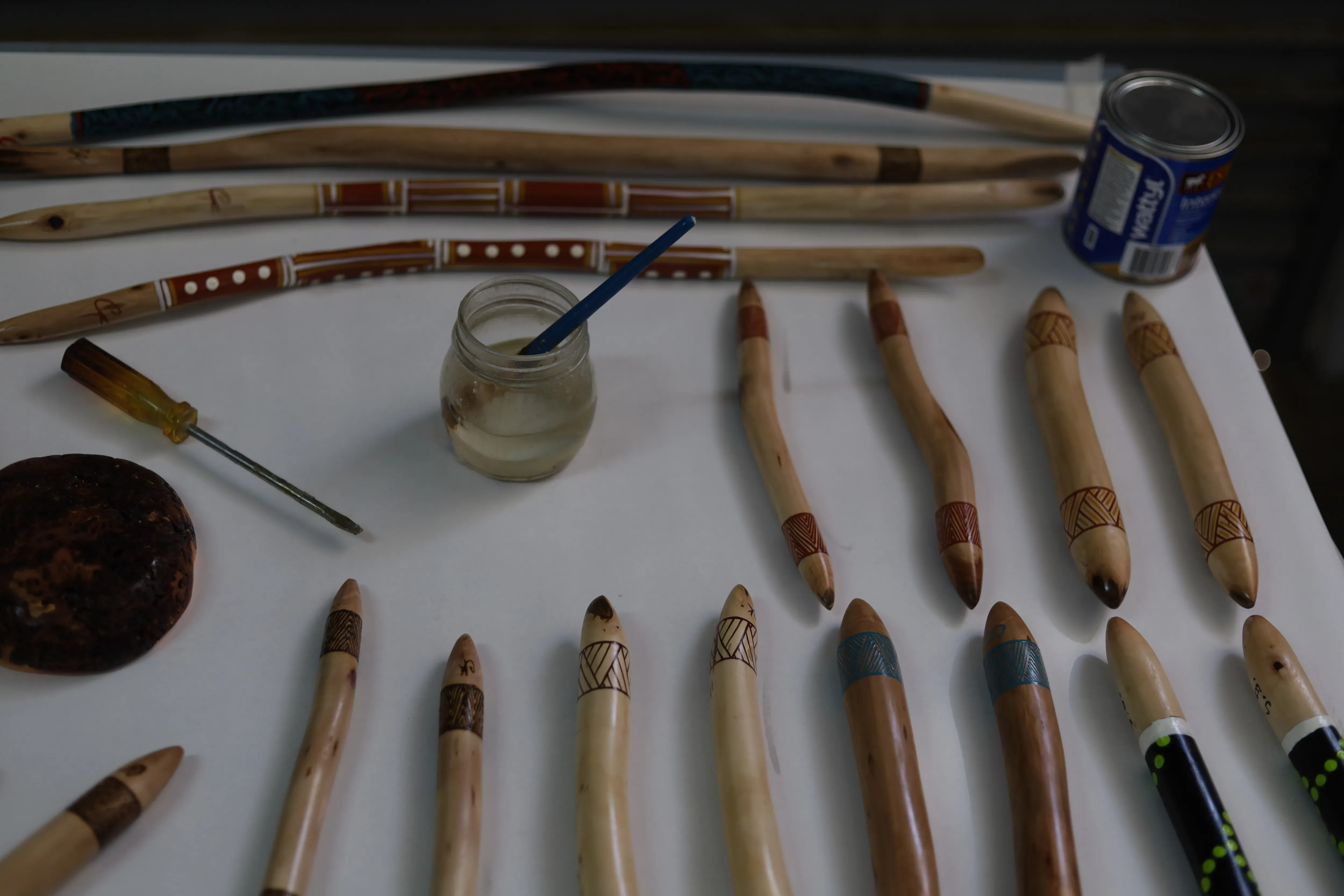
Clinton Kemp, an Aboriginal artist in Broken Hill, connects with his culture, the Dieri community (South Australian region), through art. His exhibit, Amanya Mitha,which translates to “Grandmother's Country,” celebrates the art, stories, and history of his ancestors. As a boy, Kemp learned about art from his grandmother and father.
“There's massive cultural ties with our artwork, especially the more traditional ways, and even the new stuff that people create that’s more modernized,” Kemp said. “It's a different way of telling the story.”
Kemp honors his grandmother by painting Aboriginal dot linework art, which took him about 10 years to perfect. In his gallery, Kemp offers a wide variety of paintings, woodwork, sculptures, toas (a small painted wooden sculpture), and didjeridoos (a wood-carved wind instrument).

Not only does Kemp connect with the Dieri culture through his artwork, but he is also able to read and write in his native language.
“They say your identity, of your Aboriginality, there's three main parts: which is connection to your land, so knowing where your country is, your family ties, so knowing who your family is, and your language, which is your third most important thing,” Kemp said.
Kemp hopes to continue hearing Dieri spoken and seeing linework art in the future. “They say when it's gone, you can't get it back.”
In modern-day Australia, there are few fluent speakers of the Dieri language. While it's considered endangered, according to the ELP, it is one of the few written Aboriginal languages. There are documents, translations, and recordings of the Dieri language, which has helped preserve the community's history, according to Diyari.org.
The Dieri and Paakantyi are just some of the multiple critically endangered Indigenous languages.
“A lot of people say Aboriginal languages are in danger of being lost, and we Barkindji people always said it was sleeping, and it was our job to reawaken it,” King said.
Through the perseverance of the Paakantyi, like many other Aboriginal communities, their language, stories, and culture are being reclaimed.
“We need to take that ownership back,” Butcher said.
His advice to other endangered languages: "Speak it. Speak it, and don’t let it go to a whisper.”