Story
 September 25, 2025
'I Felt Like a Nobody': The Hidden Lives of Immigrant Caregivers
Country:

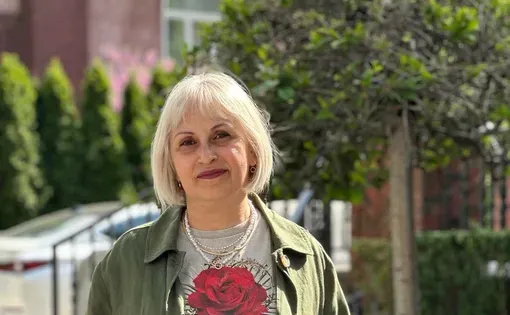
Immigrant caregivers face exploitation, isolation, and sacrifice.
In recent years, immigration has become a political battleground in the United States, with President Donald Trump and his administration openly opposing the influx of illegal immigrants.
As debates over immigration policy intensify in Washington, economic analyses have made it clear that immigrant workers are indispensable to essential service industries—particularly caregiving, a field many U.S.-born citizens decline to enter.
A 2024 study by the Kaiser Family Foundation found that immigrants make up 28 percent of the direct long-term-care workforce, including 32 percent of home-care aides, filling roles that might otherwise go unfilled. Jobs like caregiving, housekeeping, landscaping, and food service are physically and emotionally demanding, often involving long hours, low pay, and little recognition.
Consider the life of a live-in caregiver: working 24 hours a day, tending to the elderly and disabled, managing medications, cooking meals, cleaning, and offering emotional support. Thousands of immigrant workers—especially women from countries like Georgia—take on these jobs out of necessity and responsibility to their families back home.

As a nonprofit journalism organization, we depend on your support to fund more than 170 reporting projects every year on critical global and local issues. Donate any amount today to become a Pulitzer Center Champion and receive exclusive benefits!
Many of these workers, mostly women, arrive in the U.S. with dreams not of wealth, but of stability. They flee political turmoil, economic collapse, and personal danger, only to find themselves working in isolation and under exploitative conditions.
Georgia, a small Eastern European country, has suffered its own share of upheaval. In August 2008, Russia invaded Georgia, causing widespread devastation. To this day, about 25 percent of the country remains under Russian occupation. For many Georgians, migration to the West was not a choice, but a necessity.
Among those who immigrated were teachers, doctors, and professionals who once held positions of prestige. In the U.S., however, language barriers and immigration status pushed them into caregiving jobs. Many now work around the clock, with only a few days off each month. Advocates say these workers are often left vulnerable to wage theft and burnout. In addition, many caregivers describe depression, anxiety, and exhaustion from long hours and isolation.
Three immigrants who took caregiving jobs describe their experiences:
Nani Mikava: 'I felt like a nobody'

One case that drew attention within the Georgian community involved a 62-year-old woman named Nani Mikava. In her home country Mikava was a Georgian language and literature teacher. Due to economic hardships in her country, she immigrated to the United States in 2015 on a tourist visa. Unable to secure the proper immigration documents, Mikava overstayed her visa and found work as a caregiver in New Jersey.
She described the work as grueling. “I felt like a white slave. I felt like a nobody.”
In a recording, Mikava expressed in detail what it was like working as an undocumented immigrant, which often means that workers are left unprotected and vulnerable. “I don’t even want to remember,” she said.
“I don’t even want to remember the bitterness I endured,” she said. “The family had seven children, two of whom were autistic. I cleaned all morning, then cared for the children all afternoon. I wasn’t allowed to eat. I lost 15 kilos [33 pounds] in three months. I felt pain in my stomach and heart. My blood pressure was high. I was the tenth Georgian caregiver to leave that house.”
Mikava has since secured legal immigration documents and improved her English, but she said the trauma of those early months remains.
Ekaterine Saakadze: Fleeing for freedom

Ekaterine Saakadze fled Georgia for political reasons. A former leader in the United National Movement Party, she said she faced harassment and threats after criticizing government corruption. She crossed the U.S.-Mexico border to seek asylum, a process she describes as lengthy and uncertain. While waiting, she took caregiving jobs to support herself.
“I carry guilt for not being with my sons and for not being able to return home,” she said.
Despite the hardships, Saakadze said she has no regrets. “I left to protect my children. I had no other choice.”
As Saakadze's immigration case continues, she is working as a caregiver in New Jersey.
Maia Shanidze: A path with preparation
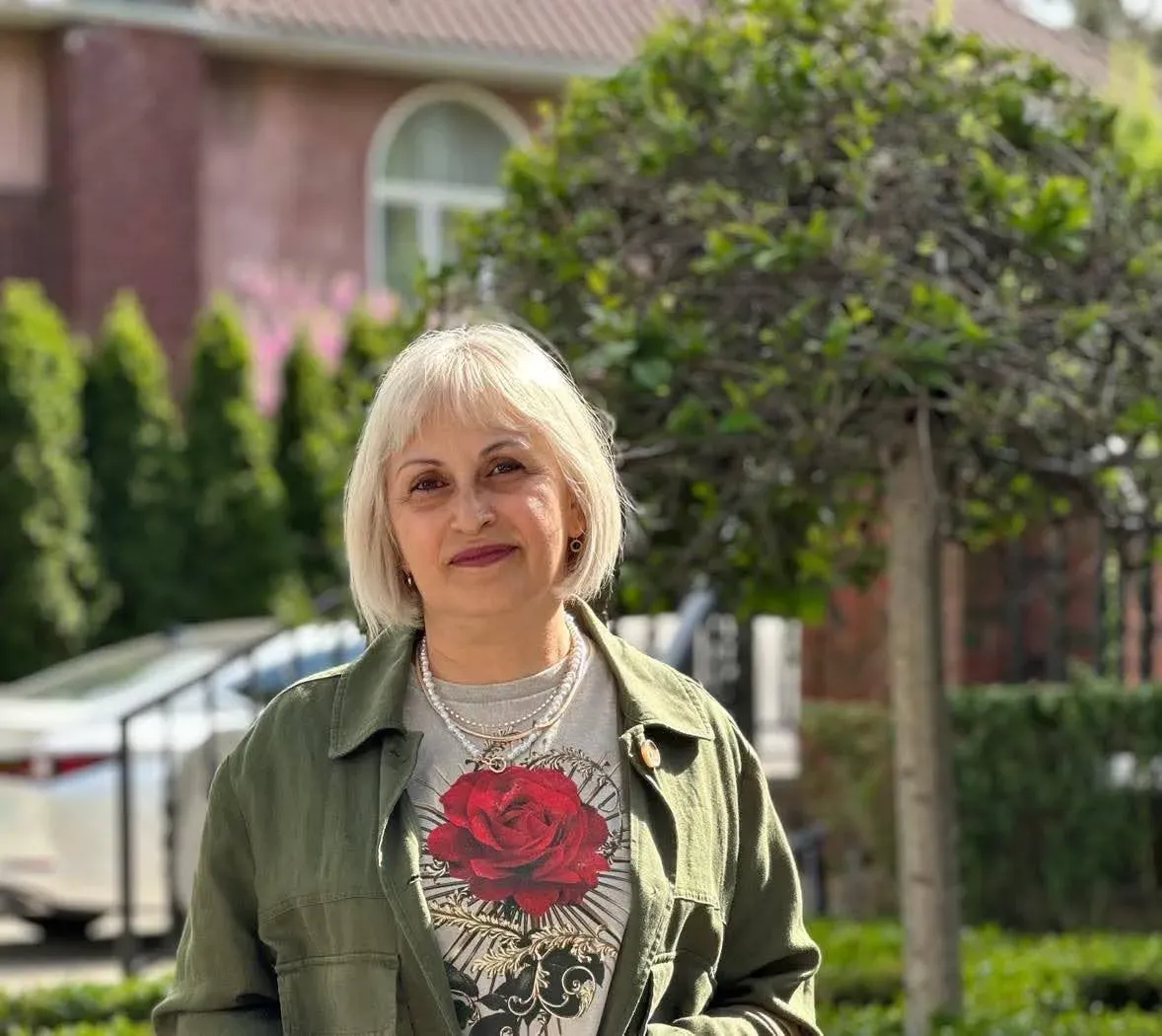
Maia Shanidze, a trained nurse from Georgia, had a smoother transition. She earned a Home Health Aide (HHA) certification before arriving in the U.S. Her work includes cleaning, cooking, laundry, and managing medications. She credits her medical background for helping her adapt.
“As long as you know how to build a good relationship with the person you care for—and their family—your job becomes easier,” she said. Even so, she said she struggles with separation from her family in Georgia.
Shanidze has received her immigration documents.
Experts warn that immigrant caregivers are essential at a time when the U.S. faces a shortage of workers in elder care. The U.S. Census Bureau projects that by 2034, older adults will outnumber children for the first time in history, increasing demand for long-term care.
A 2023 MarketWatch analysis reported that immigrants account for roughly one-third of U.S. home health aides. Families are facing caregiver shortages, sometimes turning to unregulated labor or reducing their own work hours to care for relatives.
Domestic workers—many of them immigrants—are excluded from key labor protections under U.S. law. Advocacy groups like the National Domestic Workers Alliance have been campaigning for a federal Domestic Workers Bill of Rights, which would extend labor protections to nannies, housekeepers, and home care aides.
As America’s population ages, immigrant caregivers' experiences reveal both the opportunities and the challenges faced by immigrant workers navigating the U.S. labor system.


