Story
 December 11, 2025
Hunting for Food Sovereignty: How Inuit Are Reclaiming the Food System in Nunavut
Country:

Amid a food crisis and soaring costs, Inuit-led programs in Nunavut are reviving traditional food...
Inuit communities across Nunavut are transforming a deep food crisis into a movement for sovereignty, resilience, and cultural renewal rooted in the land.
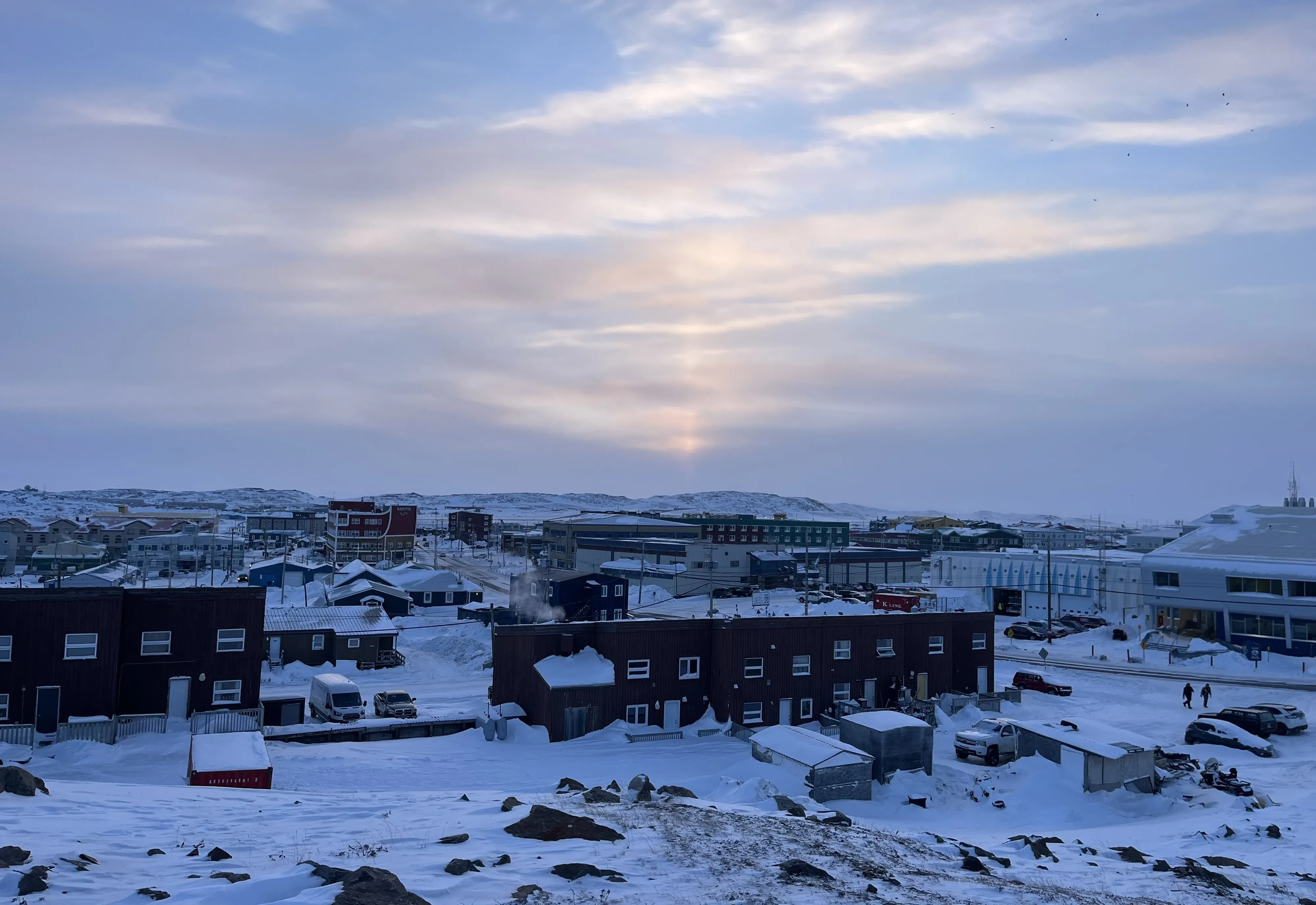
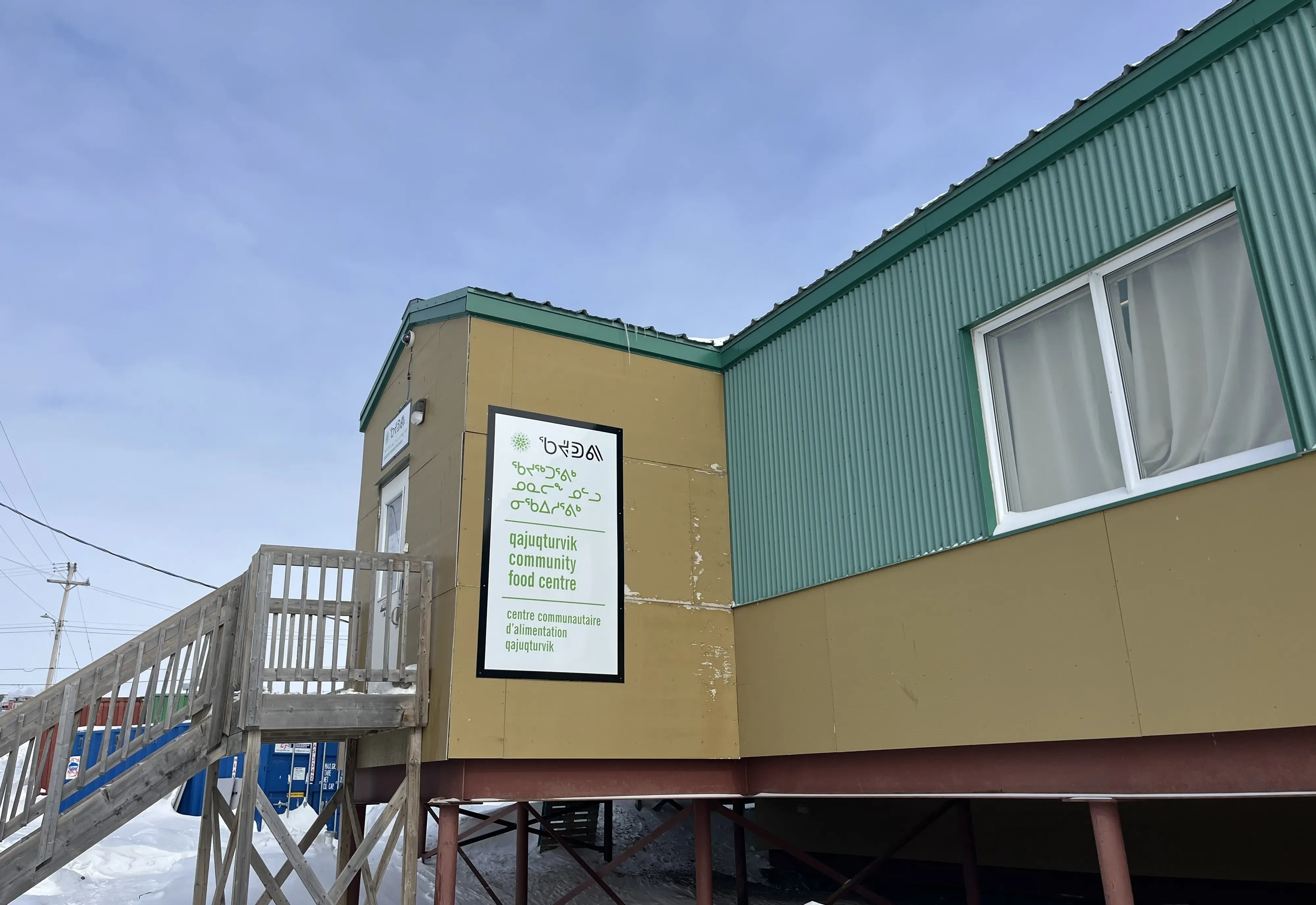
IQALUIT, Nunavut—Climbing the frozen stairs to the Qajuqturvik Community Food Centre (QCFC), the first things that catch your eye are the fairy lights strung across the dining room. Temperatures in Iqaluit often drop to -40°C, but inside, the warm glow crisscrossing the ceiling invites the community members in for a carefully prepared meal.
Here, just shy of the Arctic Circle, grocery shopping is daunting. In Nunavut’s capital, the grocery store charges up to three times more than those in southern Canada, making healthy food a luxury. But at Qajuqturvik, the atmosphere is calm as people come together to sit and share a meal that nourishes both the individual and the community.
Joey Murdoch-Flowers, co-executive director of the QCFC, beams with pride, saying simply, “People here are eating wicked food.”

As a nonprofit journalism organization, we depend on your support to fund more than 170 reporting projects every year on critical global and local issues. Donate any amount today to become a Pulitzer Center Champion and receive exclusive benefits!
Food insecurity is woven into the fabric of everyday life in Nunavut, affecting nearly 70 percent of households. In 2019, a week’s worth of nutritious food for a family of four averaged $422, about twice the cost in southern Canada. For Inuit households, where incomes are significantly lower than those of non-Indigenous Canadians, this means more than a third of their income often goes to food alone. For many, the math cannot add up. As a result, many families rely on cheaper, highly processed foods, a shift linked to rising rates of diet-related illnesses.
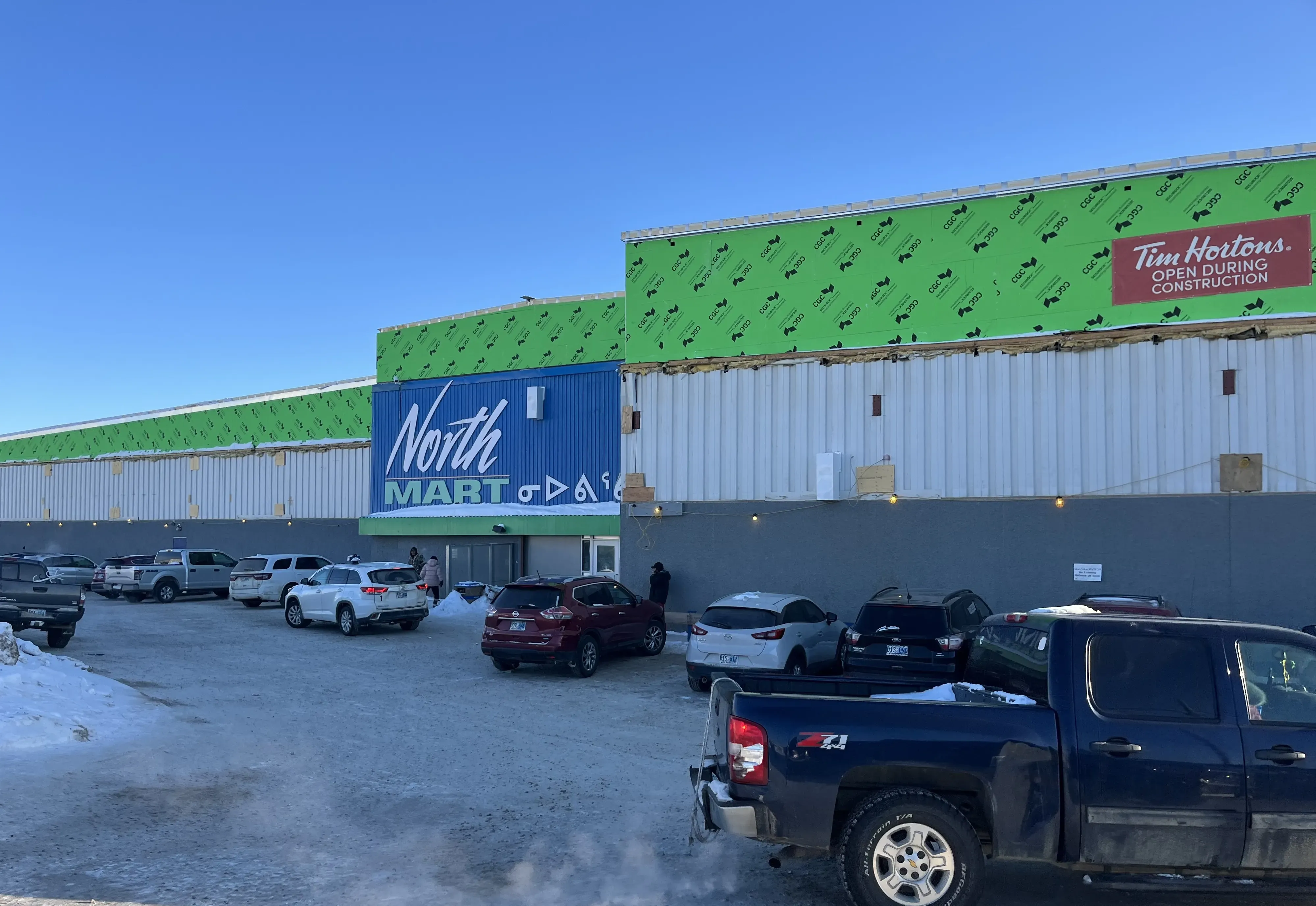
Nunavut’s vast and remote arctic geography (almost three times the size of Texas and home to over 36,000 islands) makes access to imported food difficult and logistically complex. The foods that line the aisles of the NorthMart, the largest grocery chain in northern Canada and the only grocer in many towns, must be shipped in by plane.
The costly supply chain creates exorbitant grocery prices, especially for fresh produce and perishable items. While processed foods dominate the store’s shelves and carry expensive price tags, fresh, healthier options are prohibitively priced and often already wilted and bruised, having travelled so far for so long.
It has not always been like this. For time immemorial, Inuit diets centered on ‘country food,’ the locally harvested meat, fish, and plants integral to Inuit culture and nutrition. Before the widespread impacts of colonization and modernization, Inuit lived on a diet perfectly suited to their environment. Seal, caribou, arctic fish, berries, and other locally harvestable food provided all the essential nutrition needed to survive the harsh arctic climate.
A diet of country food was once entirely sustainable for Inuit. In recent decades, however, the relationship with the land has been disrupted as economic barriers, colonial policies, and cultural disconnection have made it harder for many to hunt, gather, and pass down traditional knowledge.
Due to the high costs of rifles, snowmobiles, boats, and other equipment needed to hunt, hunting has become inaccessible. Much of this equipment must be imported from southern Canada, with shipping costs adding hundreds or even thousands of dollars to already high retail prices. Rising fuel prices, inflation, and limited local availability further push costs beyond the reach of many families.
Anti-sealing campaigns in the 1970s and 1980s, spearheaded by environmental groups like Greenpeace, were launched in response to concerns about animal welfare and commercial overharvesting of seals. However, these efforts devastated the international sealing market, further undercutting Inuit hunters’ ability to sustain themselves by selling pelts. Many Inuit say that the legacy of such campaigns disparaged Inuit food practices and portrayed hunting as barbaric.
Compounding these challenges is the traumatic legacy of residential schools in Canada, where thousands of Indigenous children were forcibly removed from their families and communities. Experts say this systemic removal fractured intergenerational bonds, critically weakening the transmission of knowledge, including hunting practices, acquired through hundreds of years on the land.
As a result, fewer hunters remain and communities have grown increasingly reliant on imported, processed foods flown in from the south. For many Nunavummiut, the reliance on store-bought goods creates a sense of disconnection and unease.
“I buy most things in the store here. But I feel vulnerable because [the food] is so out of touch with its origins,” described Rannva Erlingsdottir Simonsen, who lives in Iqaluit. “It feels vulnerable to whatever the producers choose to put in the food or however they want to grow the food.”
Aaron Watson, a former chef and cooking instructor, echoed this sentiment: “Our beef is from Argentina, and the food in the store here, well, probably we’re eating fruits from Venezuela. It’s not exactly the hundred-mile diet.”
Since 2011, the Canadian government has attempted to mitigate these challenges through Nutrition North Canada (NNC), a subsidy program which aims to lower the cost of perishable and nutritious foods by offsetting the high shipping expenses to remote northern communities. Despite its intentions, the program has failed to meaningfully lower the price of groceries for northern communities. Assessments have found that food insecurity in Nunavut communities actually worsened after NNC’s introduction. Several reports in the past decade including the most recent in 2023, found that NNC did not verify that the retailers were passing on the full subsidy to their customers.
Many Inuit argue that lowering grocery prices, while necessary in the short term, is not a sufficient or sustainable solution to the food crisis in Nunavut. These measures maintain systemic reliance on imported goods flown from thousands of miles away.
Murdoch-Flowers frames the problem sharply: “Why is it that in Nunavut, Inuit can’t access country food as easily as they can access potato chips and that kind of stuff? Why is it that we have to have an abundance of food around us in the sea and the sky and on the land, and not have access to it? Why is it that our governments don’t support our local food economy? That’s our problem.”
To many Inuit, food sovereignty is the path to achieving food security in Nunavut.
“Food security is having the food that you need to live, but food sovereignty says that we shouldn’t only have the right to have food to live, but that we should be able to have choices about what we eat, where we get our food, how we get our food,” explains Professor Jessica Penney, at an event celebrating Inuit Food Sovereignty in Toronto.
“Without food sovereignty, Inuit cannot realize food security,” states the Inuit Circumpolar Council Alaska. Food sovereignty ensures not only that food is accessible, but that these foods are culturally appropriate, nutritionally sufficient, locally sourced, and reflective of the community’s values.
Food sovereignty allows for culturally and community-minded approaches to food, integrating Inuit knowledge, language, and environmental stewardship. It allows communities to shape their own food futures, reducing dependence on global markets and rebuilding relationships with the land. As Inuit-led programs continue to grow across Nunavut, they are not only feeding people, they are reclaiming power.
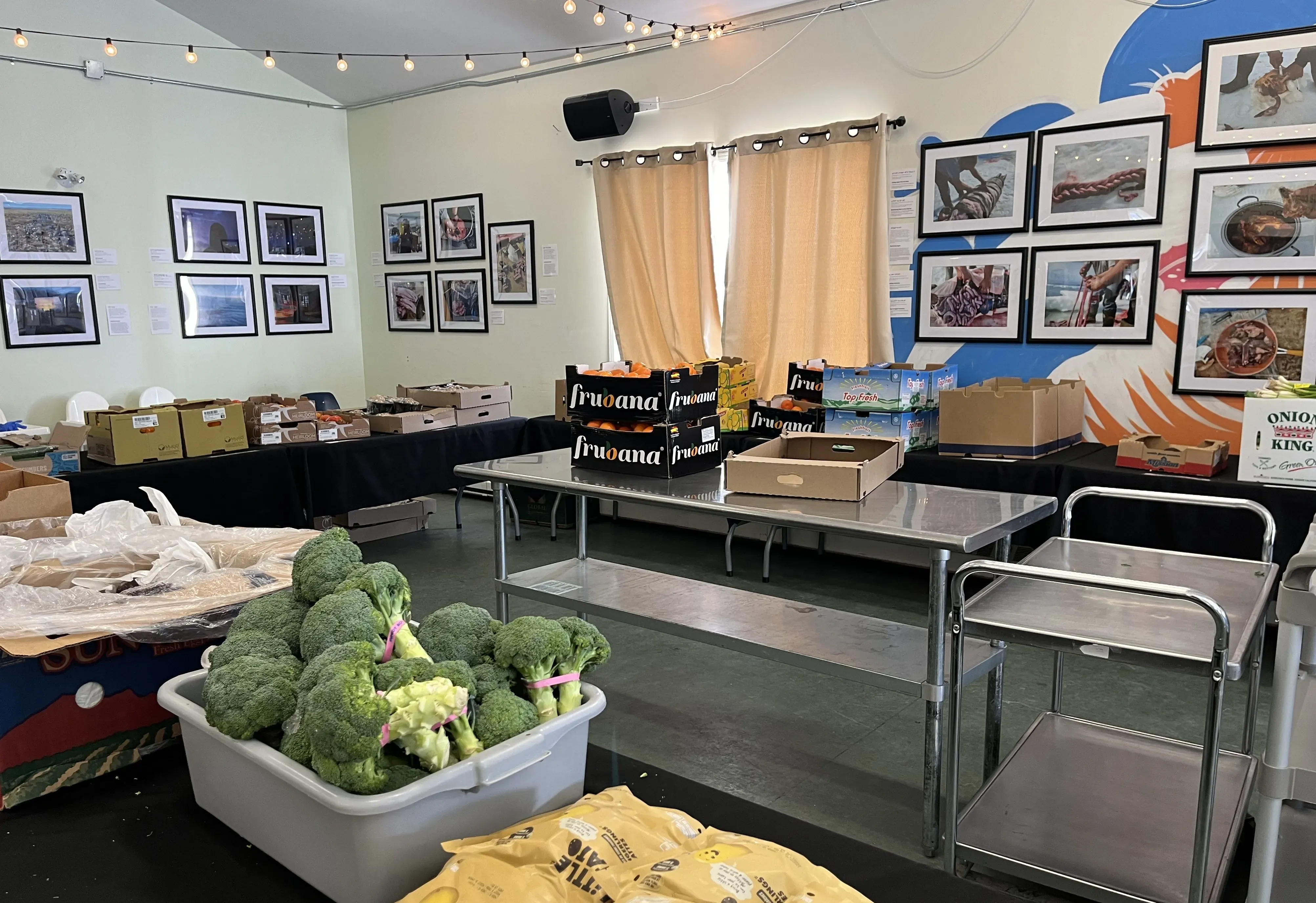
The Qajuqturvik Community Food Centre embodies the vision of food sovereignty in Iqaluit. Beyond providing weekly food boxes of fresh fruits and vegetables on a pay-what-you-can basis, QCFC serves daily meals that incorporate country food like arctic char and seal whenever possible. Community members gather to share meals prepared by a dedicated team of cooks, emphasizing fresh, homemade food rather than processed alternatives.
This work is sustained through a mix of government, non-profit, and philanthropic funding, including support from the Northern Isolated Community Initiatives Fund, alongside other community partnerships, ensuring programs remain consistent and accessible year-round.
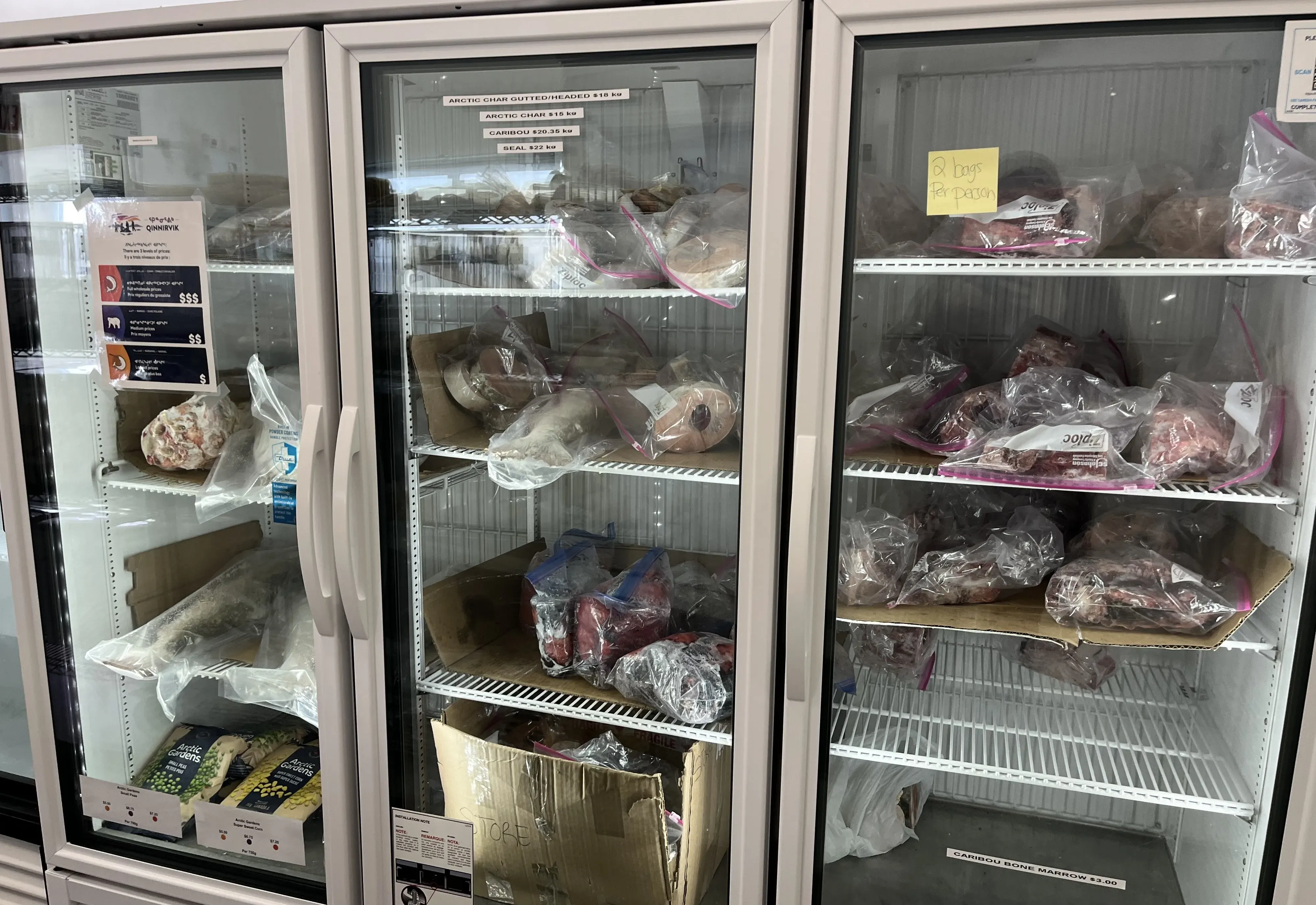
The Qinnirvik Country Food and Bulk Store is a new arm of the Food Centre, designed to provide reliable access to traditional foods. The store, which opened in February, offers sliding scale pricing on country food items like Arctic char, caribou, seal, mattaq (whale skin and blubber), and muskox, depending on availability. The meat is sourced in part through Hunter’s Harvest, an app that allows local hunters to sell surplus country food.
Having the option to buy country food in a store is one way to reclaim the food system for Inuit. By offering culturally meaningful foods and constantly working to improve their accessibility, Qinnirvik is a model that can reshape how people in Iqaluit access traditional food. It restores dignity to a process that has long been shaped by scarcity, and shifts the narrative from charity to choice.
The heart of Qajuqturvik’s work is the dependability of its programs: there is always a seat and a meal waiting, served with dignity, not pity. An elder who comes for lunch several times a week praised the food’s quality and variety with a smile, saying, “[The food] here is better than from the store.”
Achieving food sovereignty in Nunavut is a multi-pronged endeavour. Murdoch-Flowers’s vision of a community where everyone can access nutritious, culturally relevant food depends on the steady availability of country food, which, in most cases, begins with hunters on the land.
However, the cost of hunting equipment is prohibitive for many families. Martha Jaw, a food sovereignty advocate from Kinngait, Nunavut, explains, “For some families it’s very hard because not everybody has hunting gear and hunting gear [is] really, really expensive.” She adds, “If you don’t have rifles or snow machines, you don’t get out.”
When fewer people can hunt, opportunities for young Nunavummiut to learn traditional skills diminish. While some school programs take students out on the land, the time is limited, and the skills are complex. “You cannot learn [from] just one month of going out on the land to learn about hunting skills. You need to do it more often,” notes Martha Jaw. Without consistent practice and mentorship, the knowledge that sustained Inuit for generations risks being lost.
In response, many advocates and organizations are creating methods to support and grow hunting and harvesting across the territory. The Qikiqtani Inuit Association (QIA) runs the Nunavut Harvesting Equipment Program, which helps families access funding for hunting gear, making traditional harvesting more affordable.
QIA also runs the Nauttiqsuqtiit program, which employs Inuit land guardians across the territory to hunt, harvest, and protect the environment. With $4 million from the federal Harvesters Support Grant, 25 guardians across five communities will be employed full-time until at least 2026. The shift recognizes that harvesting is not part-time work and that those who sustain the community’s food supply should receive pay and benefits on par with other professions.
Beyond providing communities with much-needed country food, Nauttiqsuqtiit and its youth programs “contribute to cultural continuity,” says Steven Lonsdale, QIA’s marine and wildlife director, by teaching valuable skills that help youth “gain confidence in being able to learn hunting, survival, and travel experience on the land.”
Looking ahead, Murdoch-Flowers envisions a community hunter program in Iqaluit. He hopes to house the program at the Qajuqturvik Community Food Centre, where hunters would be employed to harvest country food directly for the community.
Programs that employ hunters not only bolster the food supply but also help pass down essential skills. Initiatives like the Inuksiutit project aim to play a vital role in sustaining this expertise for future generations.
The Inuksiutit Food Sovereignty in Nunavut project is a research collective working to preserve and share traditional food knowledge and its beauty through videography, photography, and oral history. The visual archive, led by a team of Inuit and non-Inuit academics, researchers, and artists in partnership with Inuit Elders and young people, hopes to preserve and share Inuit food knowledge.
On Inuksiutit’s Inuit Foods YouTube channel, there are dozens of ‘Masterclass’ videos with step-by-step instructions on vital skills for hunting and preparing country food. The team behind the Inuksiutit project understands that in the digital age, intergenerational exchange might come in the form of a 29-minute YouTube video about how to butcher bearded seal or how to ferment fish heads in beluga blubber.
South of Iqaluit in Kuujjuaq, Québec, the connection between culture and putting food on the table flows through the return of Arctic char. For over 25 years, the Napukkaaliuvik Fish Hatchery has worked to establish a self-sustaining char population in the nearby Nepihjee River watershed, a place where, before the hatchery, the species was absent. Each year, the hatchery raises the fish from egg to juvenile stage, releasing millions of young fish into local lakes and streams. Over time, these efforts have allowed the char to take hold, giving families reliable access to a culturally important and nutritionally rich food close to home.
Projects like Napukkaaliuvik are not just about the fish themselves; they are about strengthening local food systems to align with Inuit values and priorities. By increasing access to country foods, like local char, the hatchery reduces household costs and strengthens a food source tied to the community’s identity.
“Local and easily accessible food resources are essential to support food security,” says Professor Lucie Beaulieu, a researcher with Sentinelle Nord. “It keeps knowledge of the territory alive. It keeps knowledge of wildlife biology alive while providing much-needed sources of employment.”
This approach is mirrored in other regions of Inuit Nunangat. In Nunavut, the FISHES project (Fostering Indigenous Small-scale fisheries for Health, Economy, and food Security) has been working alongside communities to develop small-scale, Inuit-run Arctic char fisheries. From the outset, the project placed Inuit knowledge at the center.
“Through discussions with elders, they identified [fishing] areas further north that were traditionally used before the forcible settlement,” recalls project leader Jean-Sébastien Moore. Scientific surveys confirmed what the elders already knew: “We quantified it scientifically with fancy equipment, but that totally aligned with what people were telling us.”
Moore sees the FISHES project as part of a larger vision. “It's a way to keep alive a lifestyle and a huge knowledge base acquired through hundreds and hundreds of years of experience in the field, but to make it successful in the modern context.” The project “keeps the knowledge of the territory alive. That is the ultimate goal of supporting projects like this.”
Moore’s vision is in practice every day at the Qajuqturvik Community Food Centre. Adapting Inuit food traditions to today’s realities requires creativity, and for Murdoch-Flowers, that’s one of the most rewarding parts of leading QCFC. “It’s a cool, creative world,” he says. “I’m making a veal stock right now. And meanwhile I’m also working on budgeting and fundraising and year-end stuff, audit and advocacy work, and meeting media.”
The creativity inherent at QCFC often shows in its special events, like a recent Black History Month series where local chefs cooked dishes from Jamaica, Ethiopia, Cameroon, and Black Nova Scotian heritage. “It was nuts. It was amazing,” Murdoch-Flowers recalls. “It was the best thing I’ve ever done in my whole career.”
This spirit of creativity and cultural celebration extends throughout QCFC. On the walls, dozens of framed photos from the Inuksiutit project capture the stories of Elders and youth working side by side on the land and in the kitchen. The images of skinning seals, cutting Arctic char, fermenting fish heads, and preparing feasts form a vivid visual archive of harvesting, preparing, and sharing country food.
Like the meals served at Qajuqturvik, these images honor tradition while embracing the present, embodying the essence of food sovereignty: community-led, culturally grounded, and dedicated to passing knowledge forward.
What it looks like to create a food-sovereign Nunavut is becoming clearer. As Inuit leaders continue to create forward-thinking solutions for their communities, Nunavut inches closer to becoming a place where country food is accessible and affordable for every family, where harvesting is a viable livelihood, and where Inuit hold the power to define their food policies.