

Project
Can Lahore Ever Breathe Again?
Workers, children, and the elderly face worsening air quality.
“The world’s going to end,” Malaika Gohar, an incoming third-year student at Lahore University of Management Sciences (LUMS), recalled thinking. “Zombies are going to come. Or, even worse, I’m going to die here because of the environment.”
She had woken from a nap in her top-floor hostel room to find her view of campus swallowed by thick smog. During the peak smog season in winter, Lahore's air quality deteriorates to dangerous levels, making it one of the world's most polluted cities.
Data show the crisis has steadily intensified over the past decade. IQAir, a Swiss organization that compiles data from 14 regional monitoring stations, currently ranks Lahore as the fifth-most polluted city. The World Health Organization (WHO) views an Air Quality Index (AQI) score of 300 or higher as dangerous, but last fall, Lahore's daily readings regularly reached 1,900. Since at least 2017, Lahore's average PM2.5 levels (which measure particulate matter) have consistently been well above the WHO's safe limits, with seasonal peaks getting worse every year.

As a nonprofit journalism organization, we depend on your support to fund more than 170 reporting projects every year on critical global and local issues. Donate any amount today to become a Pulitzer Center Champion and receive exclusive benefits!
In 2016, Abid Omar established the Pakistan Air Quality Initiative (PAQI) to bring real-time, accessible air quality data to a country that lacked real-time monitoring. What was then a personal project became a network of inexpensive sensors and a community of environmental advocates.
For Omar, the conversation begins with a distinction. “Carbon dioxide is one of the primary contributors to global warming, but it’s not causing you any immediate health concerns,” he said. “Air pollutants are called pollutants for a reason. They are causing you health concerns, not because they're things that you don't want to see in the sky.”
Dr. Atif Mehmood, a respiratory specialist at Kansan Clinic in Lahore, says he has seen an increase in patients with lung-related issues in the past few years, especially with coughing and allergies. He adds that smog affects other parts of the body as well and can cause inflammation.
“I’ve been practicing for 20 years,” Mehmood said. “I have seen every demographic come in here for treatment in relation to the smog.”
The Air Quality Index, which gauges the possible harm of particular pollutants, is based on those impacts. Particulate matter, nitrogen oxides, sulfur dioxide, carbon monoxide, and ozone are among the criteria pollutants that are the focus of national standards in the United States. All of these are connected to respiratory and cardiovascular disease.
Dawar Butt, another climate expert who works with PAQI, says larger trends in industrialization and urbanization primarily cause the air quality crisis. Generators release diesel emissions and dust during large-scale construction projects supported by the current Punjab government. Cars, motorcycles, and freight transportation have become more important as a result of the city's quick outward growth. Butt says lower-grade fuel, weak fuel regulations, reliance on cars, and a lack of adequate public transportation contribute to higher concentrations of harmful pollutants.
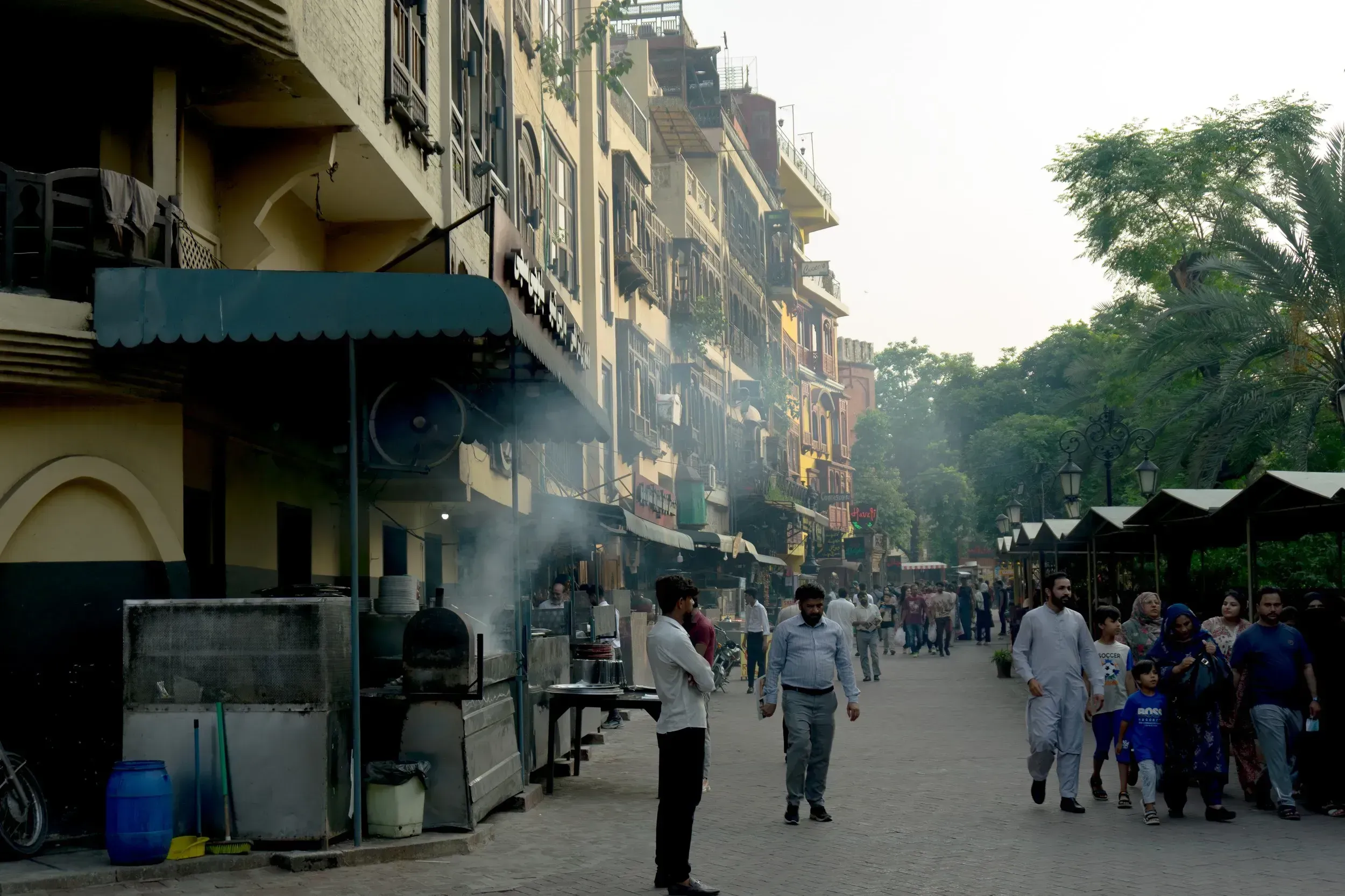
Butt says energy poverty exacerbates the issue. In winter, many households and industries burn coal and wood for heating and cooking, in part because of gas load-shedding, cuts to natural gas supply that can leave neighborhoods across class without gas for hours at a time. Butt says the sheer increase in these activities over the past 20 years has pushed pollution to levels that began producing the city’s recurring winter smog.
Change is happening, slowly
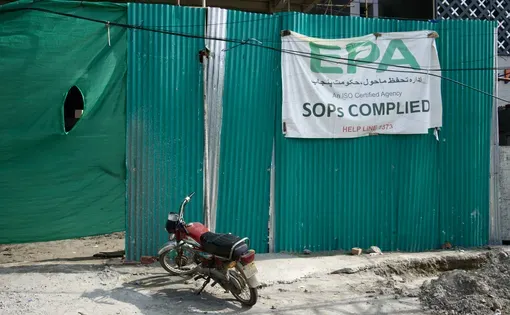
The Punjab Environmental Protection Agency (EPA) has introduced several smog-mitigating measures in recent years, with enforcement ramping up after 2017. This year, it began rolling out vehicle emissions testing, though the program is more limited than U.S. standards, which track a wider range of pollutants. A Punjab EPA spokesman said there are no immediate plans to expand testing, noting that any change would require approval from the chief minister’s office and could take time.
Since 2018, the provincial government has also pushed brick kiln owners to adopt “zigzag” technology, a design that burns fuel more efficiently and emits less smoke. The transition was costly and, for early adopters, unsupported by government subsidies, but many kiln owners say it has since lowered fuel costs and improved profitability.
The EPA has started to turn to technology to improve enforcement. A new initiative requires factories to install CCTV cameras on industrial sites and stream live footage, where artificial intelligence can then flag “anomalies.” Officials can then take action against violators based on the footage, reducing the need for on-site inspections and limiting opportunities for corruption.
In Sheikhupura, an hour northwest of Lahore, Muhammad Iqbal is a co-owner of the three-generation, family-run Mian Rasheed Bricks Company. Along Jandiyla Sher Khan Road, he and his business partner, Mian Rasheed, run a number of kilns, which are among Punjab's approximately 10,000 brick kilns.
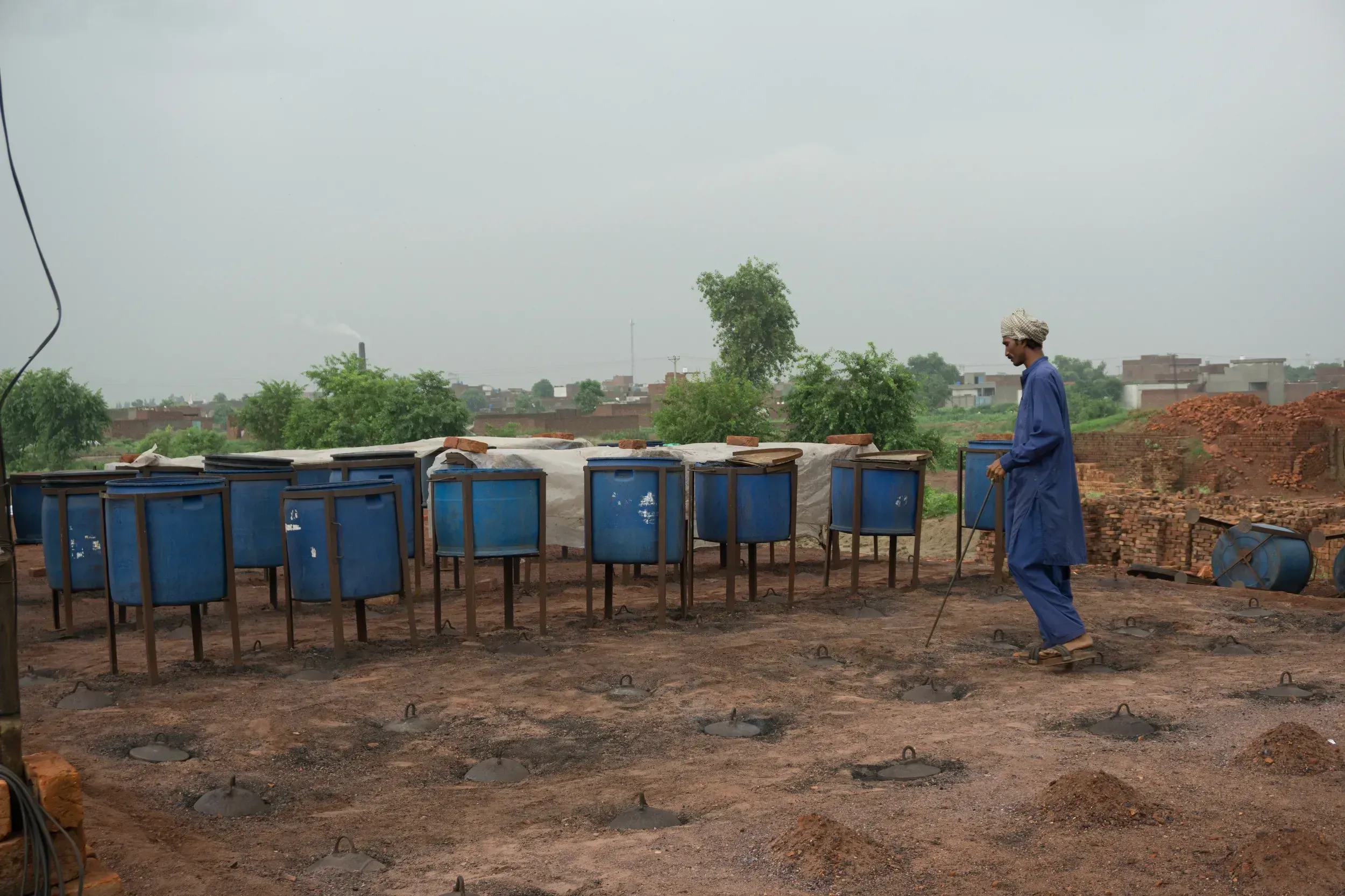
Workers at the kiln reported mixed experiences. Abidsha, 34, said coal gases still cause him breathing problems, while Riaz, who has worked there through multiple smog seasons, said he no longer experiences health effects since the switch. Their last names have been withheld to protect their privacy.
The human costs
Saba Pirzadeh, an environmental humanities professor at LUMS, said that when smog is treated only as an abstract, scientific issue, “the human angle gets lost.”
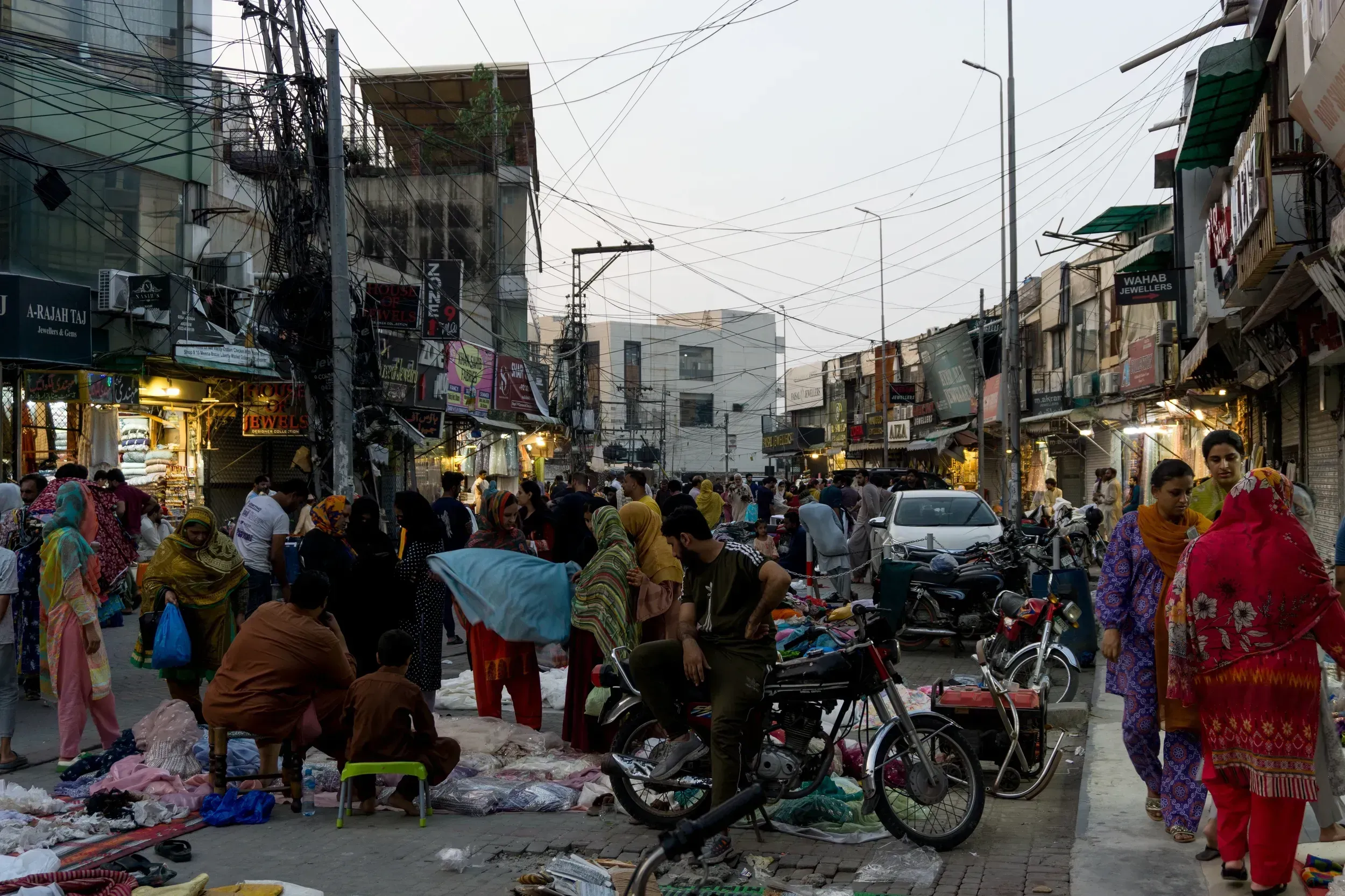
Workers, children, and people who live close to factories, highways, or brick kilns are the most vulnerable, she said, and they frequently lack basic safeguards like air purifiers or sealed housing.
“There’s a deep kind of social class divide within this country, which also gets amplified when it comes to issues like the smog,” she said. “Some of the more affluent people can choose to just stay indoors and save themselves from the hazardous effects. The working class still has to go out every day and expose themselves just to earn a daily living. For them, it’s not a choice—it’s mere survival.”
Pirzadeh said extended exposure in underprivileged areas further exacerbates infrastructure pressures throughout the city by adding to the burden already placed on public health systems.
An official with the Punjab EPA said inspectors oversee roughly 685 industrial units with boilers or furnaces, but the agency has only 10 inspectors to cover multiple sectors. Officials say vehicle emissions are the city’s single largest source of local air pollution, making up about 83% of emissions. Industrial sources account for around 12%, while construction dust, waste burning, and other factors contribute about 5%.
Although the official cites increased monitoring and new technology as indications of progress, activists and experts warn that enforcement by itself won't address Lahore's air pollution problem. They say that addressing the underlying issues is necessary for long-term improvements, which include clean energy that does away with the need for homes and businesses to burn solid fuels during the winter.
The rise of smog awareness
At LUMS, where Gohar first confronted the reality of smog from her dorm window, two fellow students, Iman Attique and Jovera Shakeel, responded to the same crisis by launching the Lahore Smog Collective.
“In Pakistan, there’s a big tendency to rely on quantitative data as the only fruitful way of conducting research,” Shakeel said. “We realized there’s a lot of power in inserting qualitative research, real voices, into policymaking, something that’s pretty much devoid here.”
The online archive has received over 100 submissions to date, ranging from comics that parody campus life under a haze-covered sky to schoolchildren planting trees. It also features reports, fact-checks, and a bilingual resource center with the goal of bringing disparate pieces of information together and dispelling false information.
The work is also personal, shaped by what they describe as a mix of frustration, worry, and exhaustion during smog season. “Why do we have to live through this?” Attique asked, recalling a week when her mother fell ill with bronchitis and she struggled to manage her asthma. Shakeel said she felt “very, very distraught” thinking about the future of everyone in the country and within her family.
Heading into the next smog season, Shakeel and Attique plan to broaden their outreach by making the platform more accessible in the Urdu language and engaging communities often excluded from environmental discourse.
“We hope to have conversations with people to understand how the general public can come together, how our work can aid these larger projects that are being undertaken in the policy fields, and see how this can be part of the broader landscape to fight for clean air in Pakistan," said Iman Attique.