Story
 July 22, 2025
Guyana’s Queer Community Knows What’s at Stake With the Climate Crisis; a Growing Movement Is Doing Something About It
Country:

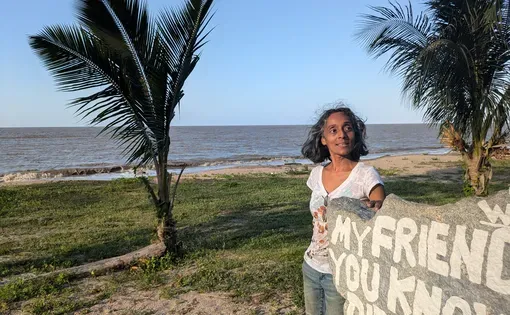
Guyana’s queer community knows what’s at stake with the climate crisis.
Guyana is getting hotter, the fires are burning bigger, and the rain is falling harder. The queer community is drawing from their struggles to offer a blueprint of persistence and perseverance.
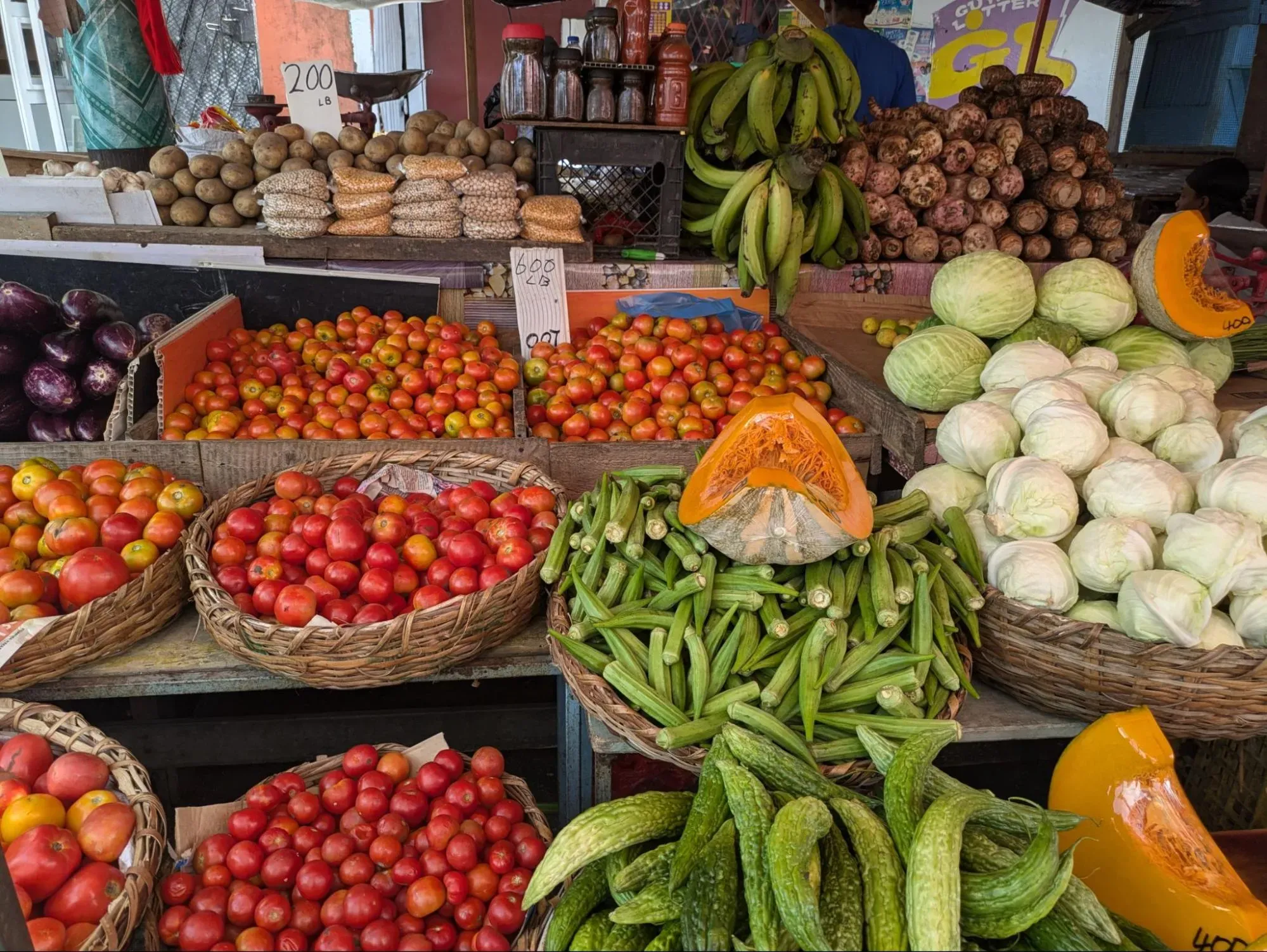
At every turn, Bourda Market is a jolt to the senses. This fall weekday in Georgetown, Guyana, is no different. Cars honk, plastic bags rustle. Women carry umbrellas to stave off the burning equatorial sun. Dancehall music blares in the distance as Sherlina Nageer browses outdoor stalls that are a hyper-color display of reds, oranges, yellows, greens, and purples.
For Nageer, a queer eco-feminist who views the environment through an intersectional lens, the capital city’s market is more than a place to buy produce. It’s a way to gauge health—of the economy and climate.
“Good afternoon,” Nageer says, stopping at a stall. Nageer is slight, with graying hair and a “One Love Guyana” tattoo on her arm. She points to a bin of locally grown tomatoes. “How much you want?” A woman tells her 600 Guyanese dollars (USD $2.85). Nageer keeps walking; she remembers a few years ago when they were only 100 Guyanese dollars (48 cents) per pound. Instead, she contemplates stocking up on ginger.

As a nonprofit journalism organization, we depend on your support to fund more than 170 reporting projects every year on critical global and local issues. Donate any amount today to become a Pulitzer Center Champion and receive exclusive benefits!
Temperatures have been above normal lately—it’s the first thing locals talk about—and are forecast to worsen by the holidays, when most Guyanese have ginger beer in their hands. Ginger doesn’t do well in a drought.
Nageer recently created the Queer Eco Corps of Guyana, an initiative under the broader Greenheart Movement she co-founded two years ago, which aims to deepen the connection between queer and environmental issues. She’s always thinking one step ahead not only for herself, but for her community as Guyana gets hotter, the fires burn bigger, and the rain falls harder.
“The situation is going to get more precarious for everybody. People who are already vulnerable, like queer people, are not going to be able to pivot,” she says. “So what can we do now to build up our capacity and resources?”
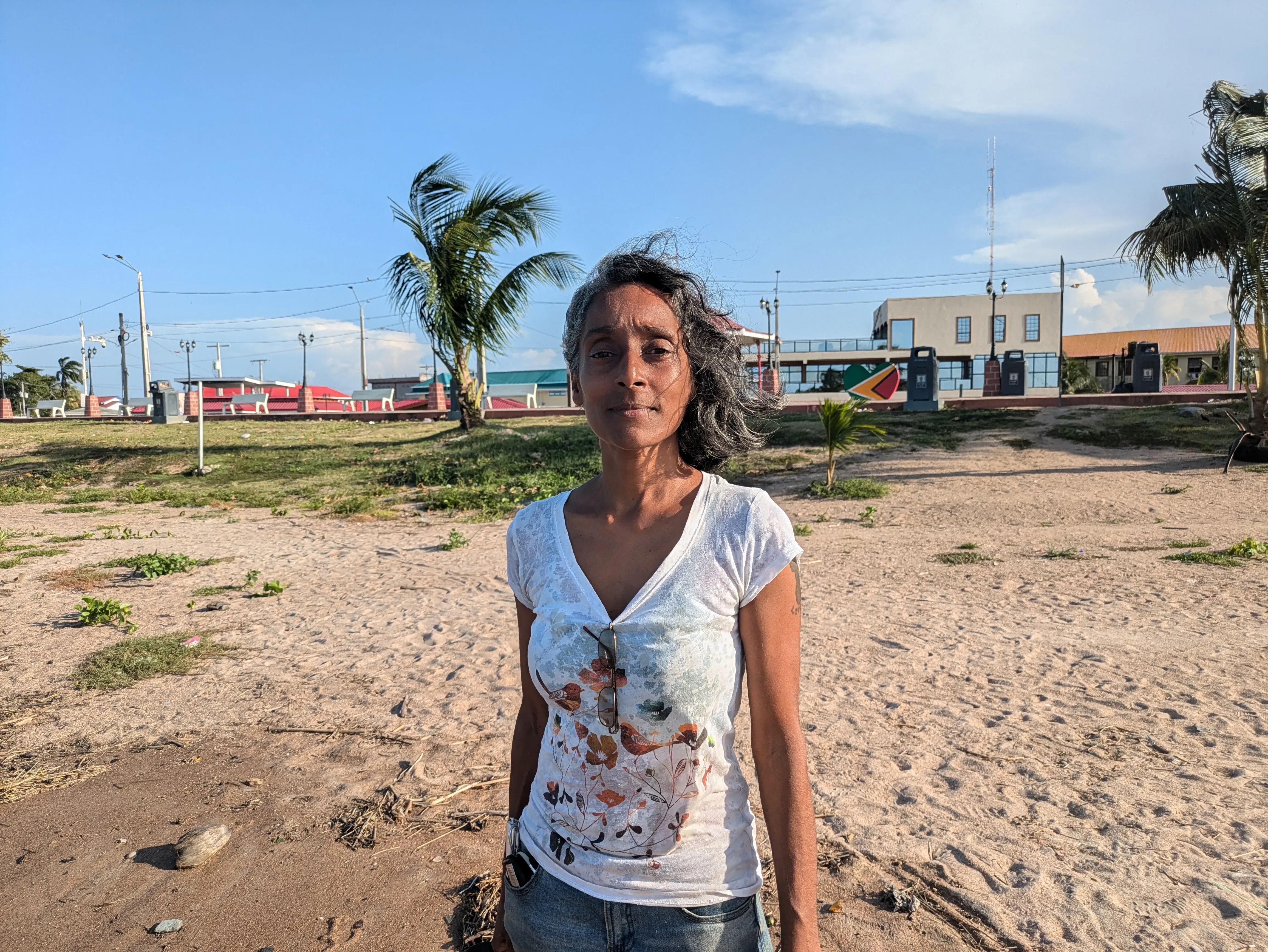
Guyana is based in South America but is Caribbean in culture. It is the only country on the continent that lacks legal protections for LGBTQ+ people. Like many in the region, it is also vulnerable to climate impacts and has long been considered a global leader in climate change mitigation, complicated by the last five years of offshore drilling from ExxonMobil. Guyana is now considered one of the fastest growing economies. As the nation attempts to balance development and environment while the world watches, the queer community has begun to offer its unique perspective and ensure its members don't get left behind.
“The climate crisis is upon us,” says Joel Simpson, founder of the nonprofit Society Against Sexual Orientation Discrimination (SASOD). “We need to enter the conversation.”
Recently, SASOD joined a climate alliance through the Caribbean Natural Resources Institute and received a grant to map climate impacts on the queer community in Guyana.
With abundant wildlife and natural attractions, the “land of many waters” is increasingly seen as an ecotourism destination. Ecotourism can help combat climate change by encouraging sustainable practices like conserving habitats and eco-friendly transit, but advocates like Simpson say it must be welcoming for all.
At an event SASOD co-hosted with the Tourism and Hospitality Association of Guyana last year, Simpson was quick to point out that while acceptance and allyship continue to grow, queer travelers who use dating apps may encounter a red alert that pops up when their plane lands. For example, one on Tinder reads, “Based on your geographical location, it appears you’re in a place where the LGBTQ community may be penalized. We want you to have fun, but your safety is our #1 priority.”
Guyana still has a colonial-era law criminalizing “buggery” — British slang for sodomy between men — with penalties ranging from two years to life imprisonment. For some travelers, Simpson says, the law is a non-starter.
While the law only targets men, and is rarely enforced, it affects the broader queer community via workplace and health care discrimination, bullying in schools, police harassment, and violence — especially in the trans community. Early last year, a trans woman was murdered.
Guyana’s constitution doesn’t include rights for queer people, but it does explicitly name the right to a healthy environment. With 85% of Guyana covered by pristine Amazon rainforest and some of the lowest deforestation rates in the world, largely due to Indigenous communities protecting its resources, Guyana can brag about being among a handful of countries that are a net carbon sink, at least for now.
The small nation has been forced to think about climate change mitigation sooner rather than later. Georgetown is already below sea level, and projections indicate that, without significant intervention, the city could experience severe flooding or even be submerged by 2030, thanks to a sea level rise five times the world average.
“The Atlantic Ocean is always trying to get at us,” says Seon Hamer, a University of Guyana environmental studies lecturer.
A concrete seawall built by Dutch and British colonizers through enslaved labor over 200 years ago runs along nearly the entirety of the coastline, where 90% of Guyana’s population lives. It’s meant to be a stopgap effort, but Hamer says there’s been more frequent overtopping events, and drainage pumps in Georgetown can’t keep up. Breaches at various parts of the seawall along the East Coast Demerara have also rendered farmland, such as rice crops, unproductive.
Go to any health center during flooding, Hamer adds, and you’ll encounter spikes in dengue fever and malaria. He also says that more forest and brush fires during drought periods, especially in nature conservancies, can result in a compromised drinking water supply.
Many Guyanese simply aren’t prepared for unpredictable extreme weather conditions—especially low-income queer people who already grapple with food insecurity and health care discrimination.
The trans community is especially vulnerable. A 2024 climate change study from the United Caribbean Trans Network found that hormone care was disrupted for over half of their participants after a natural disaster. In Guyana, other basic needs have gone unmet.
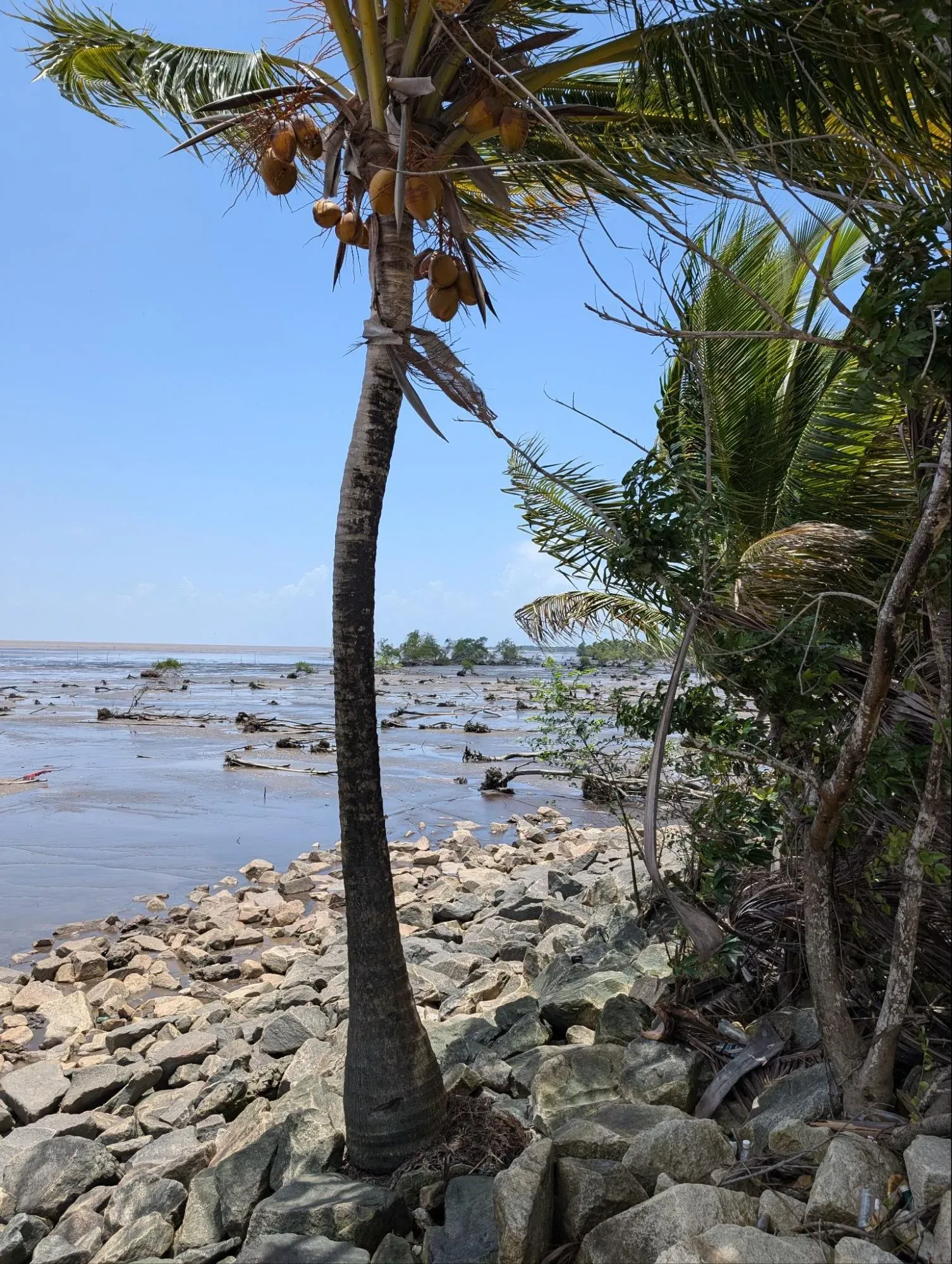
The organization Guyana Trans United (GTU) recently acquired yet-to-be-developed land so its community members can be more self-sufficient. In the meantime, they continue to experience climate effects. One member of GTU, whose name is being withheld to protect her safety, lives in a small village along the coastline. For a few years, she squatted in a wooden structure by the seawall. She stayed there with her dogs and found joy cooking local cuisine like chicken curry or chow mein. Whenever she felt stressed, she’d walk a few steps to the seawall, where the fresh air and lull of the waves soothed her. She was safe.
A few months ago, after an evening making a living as a sex worker, she found her small house collapsed from heavy rains, despite it being the dry season. Everything was destroyed—her bed, vanity mirror, stove. A friend found her a room in the front of the village, where a flimsy tin door separates her from the road. She’s more exposed now, and more fearful. The slightest breeze rattling the door makes her jumpy as if someone will come in and attack her. She has no choice but to stay and is saving for a new stove.
Emme Christie is a trans and queer climate researcher from Jamaica, another country in the region that still has a “buggery” law on the books while naming the right to a healthy environment in its constitution. Christie says queer people are forced to be resourceful because they don’t get to live passively in the Caribbean. Understanding how the climate crisis amplifies existing challenges in countries like Guyana and Jamaica is critical as solutions are shaped going forward.
“It will rain everywhere, and some people will get wet. The question is, Why are these people getting wet? It's not simply because they don't have a roof over their head. The question becomes, Why don't they have a roof over their head? It's not just because they can't afford one. It's why can't they afford one? And so on,” Christie says. “That's what a lot of scholars and policymakers within the Caribbean are missing when it comes to LGBTQ+ people.”
However, the queer community isn’t waiting. Nageer hopes the Queer Eco Corps can strengthen the voice of LGBTQ+ people in Guyana to advocate for and address their needs. In January, a small cohort of queer people from Georgetown and beyond began meeting regularly to deepen their understanding of climate issues and how they can take action. As they create the agenda together, Nageer envisions possibilities in the form of public advocacy, disaster management, and more—like gardening to increase food security.
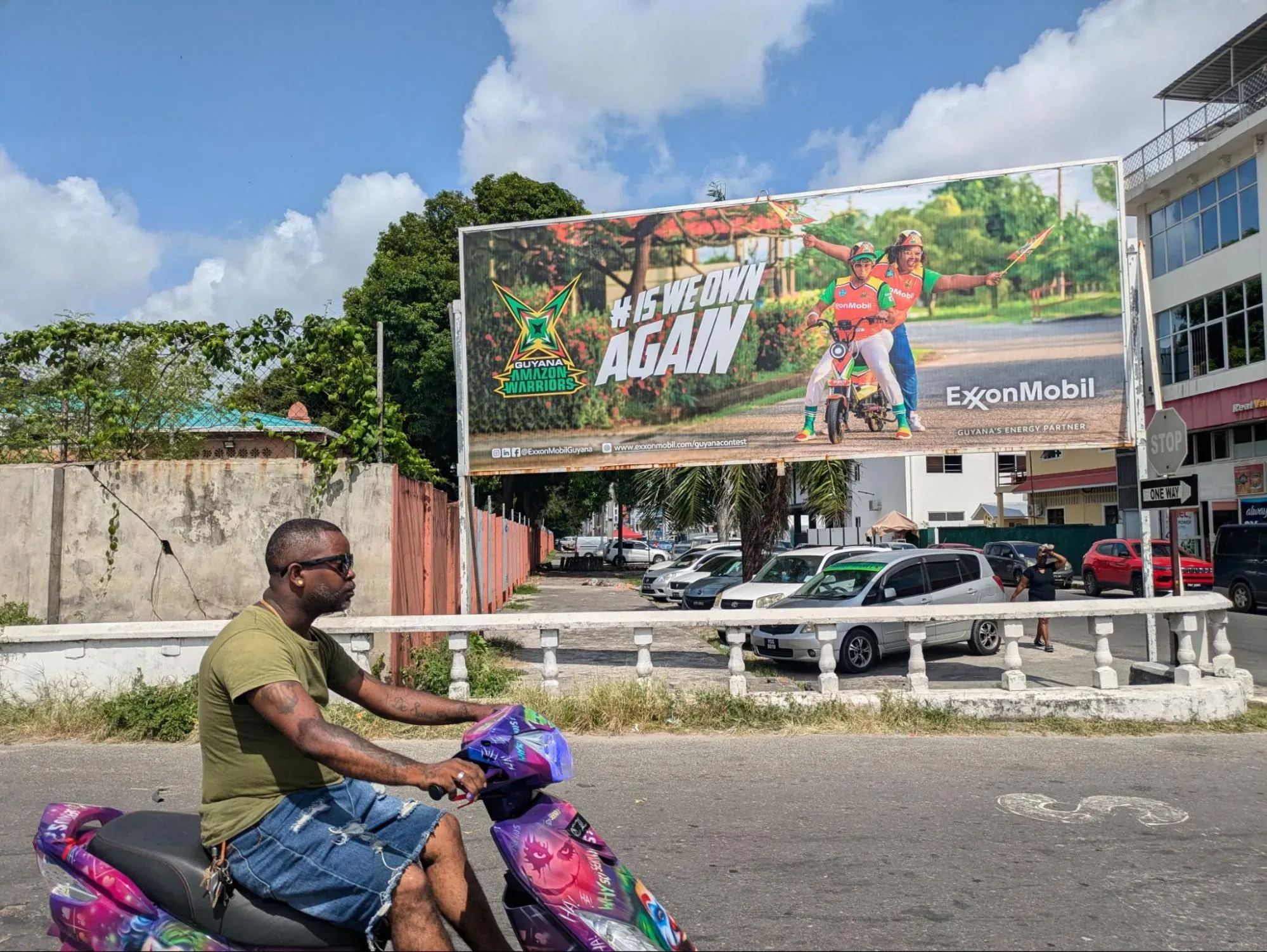
The idea for the corps grew partly from a workshop Nageer facilitated last year for the nonprofit GuyBow, which has supported lesbian, bisexual, and queer women for over two decades. The goal? Get the climate crisis on their radar. Extreme heat, for one, can cause disproportionate impacts in women ranging from economic disruption to psychological distress to poor reproductive health outcomes. Women are emerging as climate leaders across the Caribbean.
In 2022, Nageer was a citizen litigant along with two other female activists on a lawsuit led by renowned climate lawyer Melinda Janki against Guyana’s Environmental Protection Agency. They hoped to stop the flaring of gas offshore, but lost in the lawsuit. They are now in the appeal process.
She was a litigant again in 2024. Her lawsuit demanded EPA’s enforcement that ExxonMobil, instead of the Guyanese government, take financial responsibility if anything damaging were to happen at one of the company's offshore projects, such as an oil spill. A technicality derailed the case.
Tim Prudhoe of Stanbrook Prudhoe, one of the lawyers involved, says they still had a significant victory on the issue of who should be an opposing party in the proceedings. Neither the wealthy oil giant nor the minister of natural resources could automatically be added to the case, which would incur more cost for Nageer—and prevent citizen litigants from speaking out in the future. ExxonMobil and the Guyanese government have appealed this outcome.
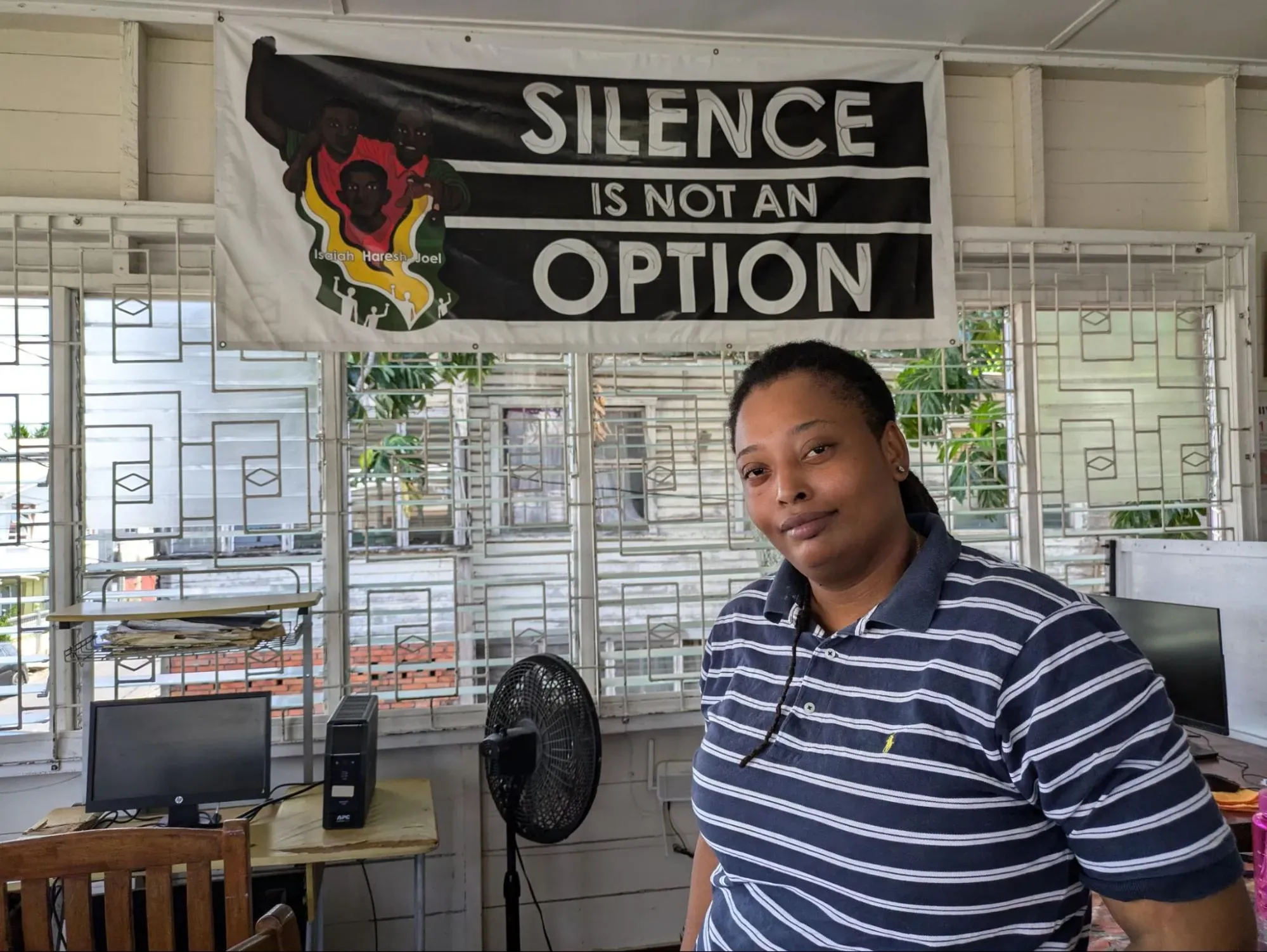
The dissenting voices against ExxonMobil are small, but growing. Every month, the Red Thread Women’s Centre organizes a protest outside the president’s office. Queer climate activist Maeve Ramsay will go and hold up a sign that says, “Exxon Protection Agency.” A poet as well as mother of two, Ramsay has a background in agriculture. She’s traveled with Nageer to facilitate workshops in Indigenous communities as part of the Greenheart Movement—connection is at the heart of their work—and educates others about the potential environmental consequences of ExxonMobil’s presence in Guyana.
ExxonMobil has its stamp on everything, from jerseys for the national cricket team to billboards to eco-tourism foundations. The new influx of money has led to a construction boom, with sand piles—a sign of preparation for the construction of new roads and buildings—lining many of the roads. American flags on trucker hats are ubiquitous, thanks to a direct flight from Houston to Georgetown.
Jobs in the oil and gas sectors have flourished—some queer people have benefited from stable employment while others like Ramsay have felt the wealth gap widen. Food and rent prices have skyrocketed. Ramsay can’t recall the last time her children ate fish, a Guyanese staple. And when she walks around Georgetown, she says, what she notices most is how there are fewer trees due to all the development.
The lack of shade makes it hard to work. But last year, Ramsay started her own outdoor sanitation business. She turned to entrepreneurship because of discrimination—she refuses to trade polo shirts and pants for dresses, which has made it challenging to keep jobs.
Being a business owner gives her and many others in the queer community freedom. “We’re survivors,” she says. Yet the hot sun can make it difficult to weed or cut grass for an extended length of time, putting stress on her finances. Even buying milk these days is considered a luxury.
Ramsay is part of the inaugural Queer Eco Corps. All she needs to do is look at her children to know what’s at stake. And, the trees; a mango tree sprout bursting through the seed, the palm trees at the Botanical Gardens when she visited recently. The breeze rustled through the leaves and the kiskadee birds chattered above. Her girlfriend’s head nestled on her shoulder. Respite, for once.
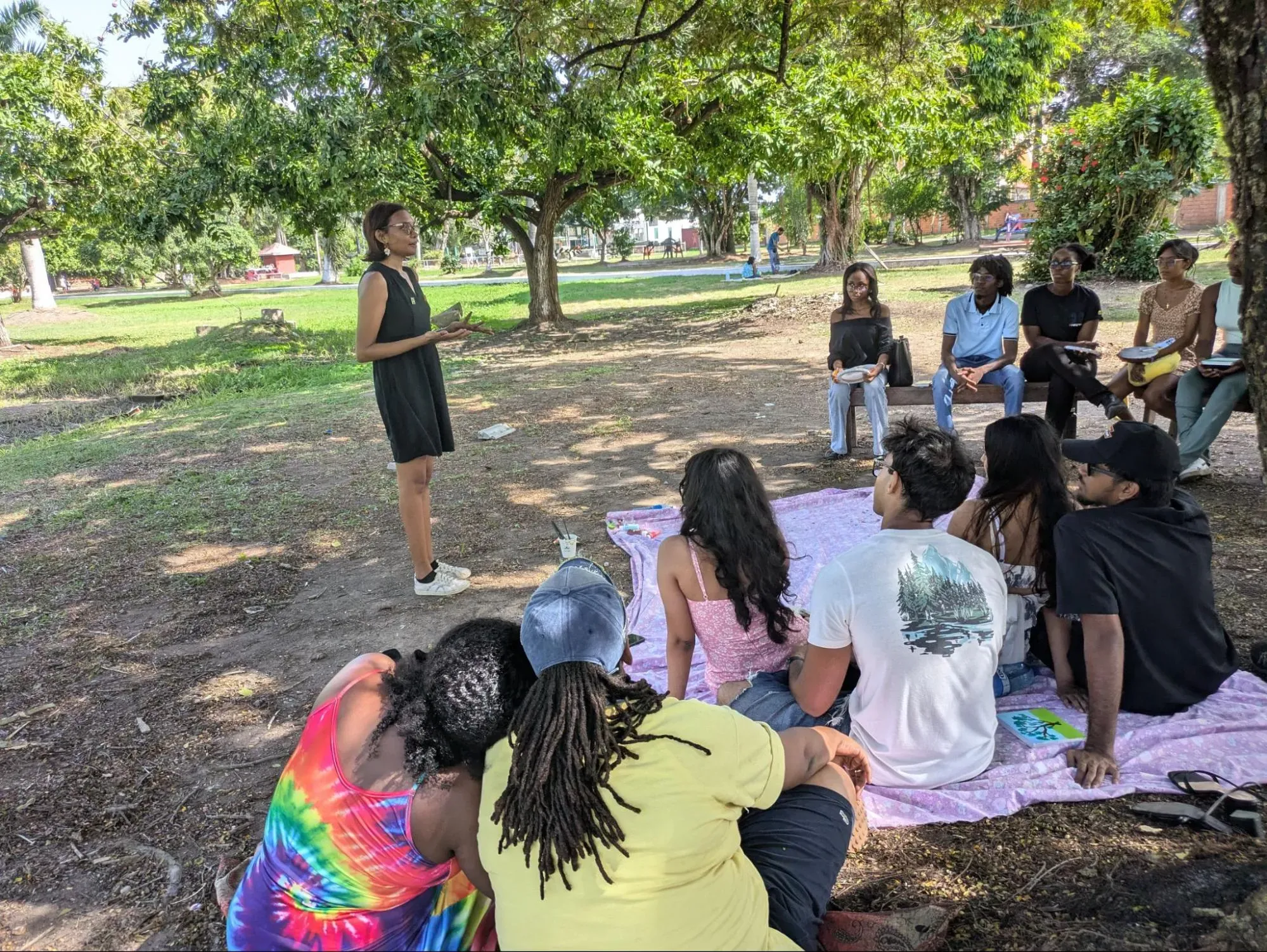
As Guyana grapples with its future, Nageer believes the queer community’s struggles can be an asset. “We have a lot of experience being marginalized but still persevering, still surviving, still finding joy,” she says. “Those things are going to be even more necessary as we continue to experience the climate breakdown.”
Roweena Ramlall is a queer woman and operations manager at the Haags Bosch Sanitary Landfill near Georgetown. Landfills are notorious for being a big source of greenhouse gas emissions but Haags Bosch uses an innovative Japanese Fukokoa method, one of the first in the Caribbean, that aims to reduce methane output. With the advent of the oil and gas sector, the landfill’s never had more waste in the form of mud, concrete, pipe casings, and food scraps.
On a tour one day, Ramlall describes the process of creating a new landfill cell with zeal. Wearing an orange safety vest, she gestures to a heaping stockpile of black tires near the entrance. The tires will be shredded to form the base, she says, followed by a geotextile fabric liner over the native clay. Pipes in a herringbone formation are layered next to collect leachate, a toxic liquid that can contaminate soil and groundwater. Finally, compacted waste goes on top in a sloping shape.
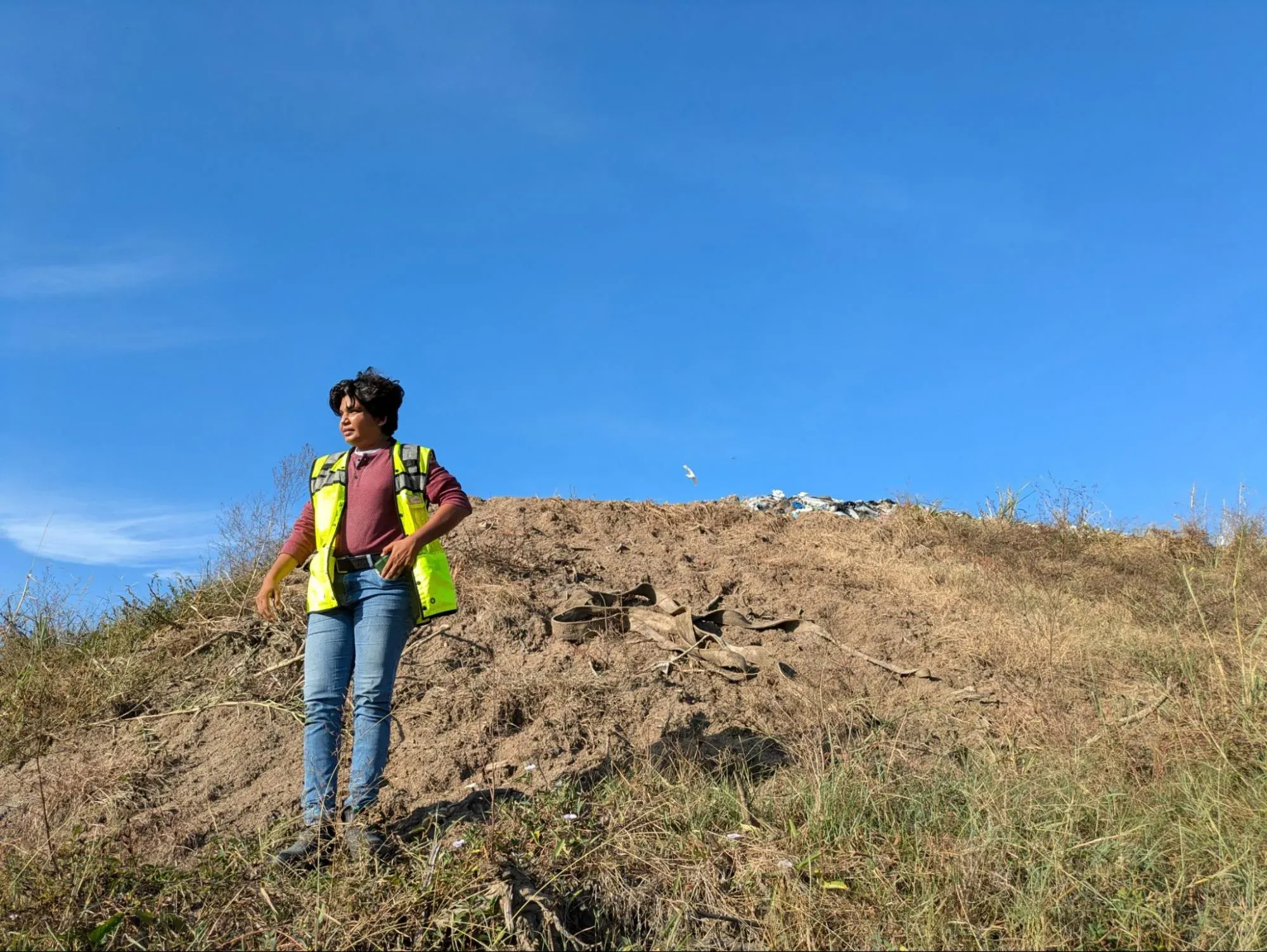
Part of Ramlall’s job is to monitor the landfill’s environmental impacts. She often walks around the site to check for collapsed pipes, make sure there’s no floating fish in the irrigation canals, and suss out fires in the cells—both metaphorical and literal ones that have increased lately in part due to the heat. “I take this thing very seriously,” she says. Ramlall is studying for her master's degree in environmental management and grew up in Eccles, a mixed-income village that borders the landfill site. Because of this, she says, she feels a deep obligation to safeguard the community’s health.
She manages a team of mostly men, and like many in the queer community, doesn’t talk about her love life at work. Yet she’s had to deal with rumors about her and her girlfriend, in addition to workplace gossip, on a regular basis. Ramlall admits she still struggles with internalized homophobia from growing up in a strict Christian household where the Bible was used to justify queerness as wrong.
Ramlall has no formal avenue to address her grievance. In the meantime, she continues to get up everyday at 4:30am and work until past dinner. Despite her problems, her experiences shape an optimistic viewpoint she’s come to adopt.
“People think about the landfill as a place of death. Garbage everywhere,” she says. “But once it's functioning in the way it should, there’s so much beauty and life.”
She has seen manatees in the canals, chickenhawks in the sky. Her cat, Cleopatra, was a stray she found wandering.
Ramlall stops at a completed cell. Before she climbs to the top of the slope, she bends down to take a photo of a sprig of white flowers. Nearby, she points to a dry vine that will sprout pumpkins in the rainy season.
Ramlall is a part of the Queer Eco Corps with Nageer, sharing a hope that their love of the environment will spread to others. Recently, Nageer stood at an intersection in Georgetown near Bourda Market, the shade of the store awnings shielding her from the blazing sun. Along with friends, she gave out free items, including containers of cherry seedlings she’d gathered from her own backyard. Nageer encountered a man she’d gifted them to in the past. A couple years later, he excitedly told her, the tree was now bearing fruit.