
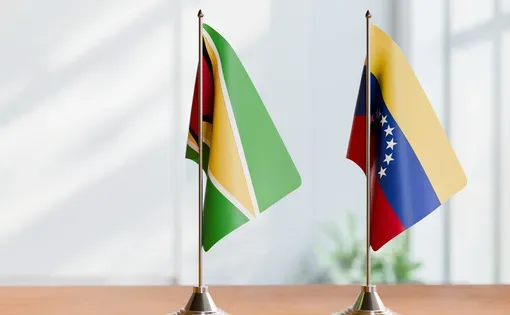
The effects of a centuries-old border dispute between Guyana and Venezuela
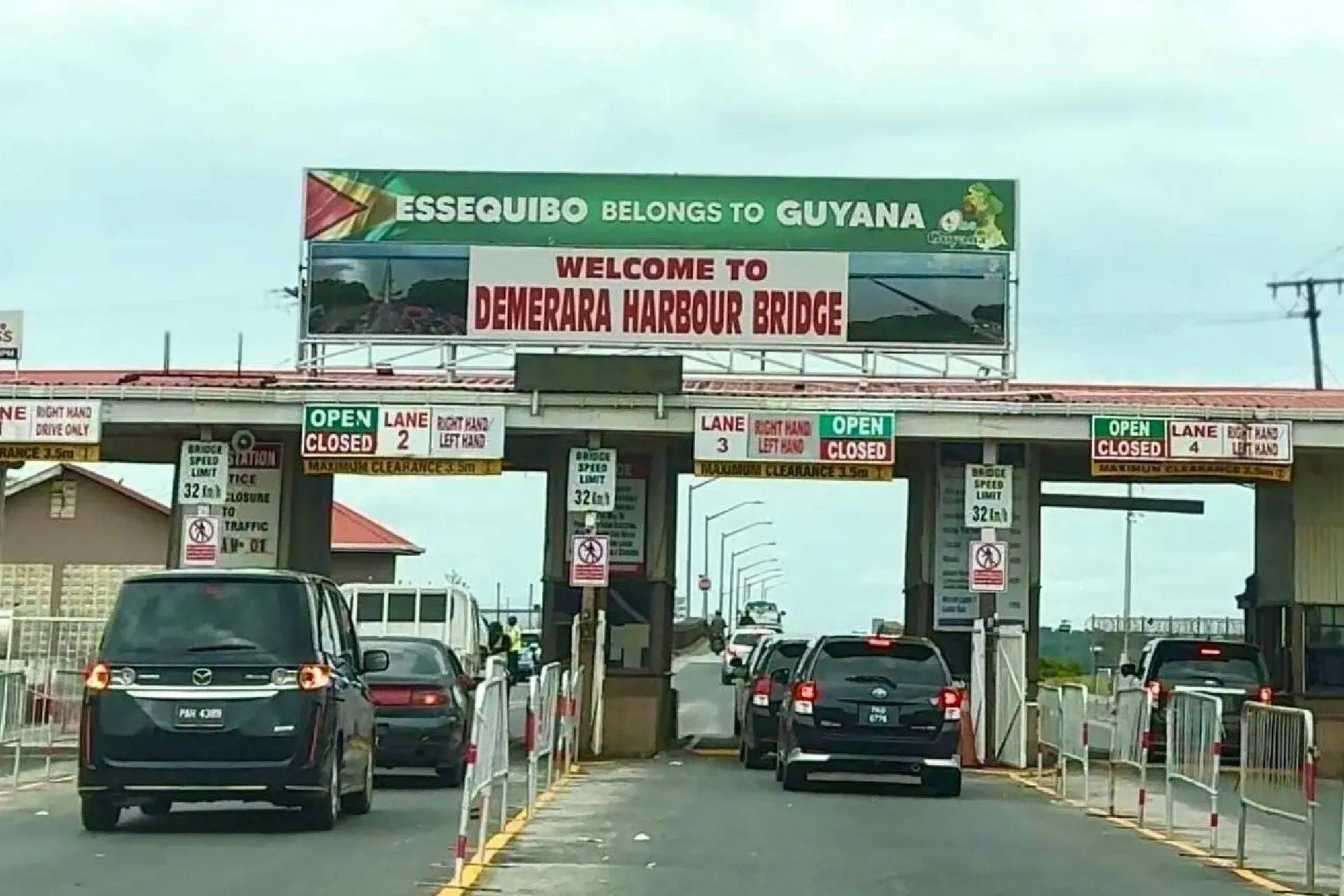
Guyana’s recent discovery of oil and gas deposits on land and offshore has motivated Venezuela to reignite its claim of the Essequibo region of Guyana.
“The discovery of oil has sharpened Venezuela’s appetite for territorial conquest,” said Ronald Austin, Guyana's former ambassador to China and director of the Foreign Services Agency in the Ministry of Foreign Affairs.
Oil and gas aren’t the only resources at stake. Essequibo is one of Guyana’s richest regions in terms of natural resources and mining operations of bauxite, lumber, and gold. According to Austin, Venezuela has taken an active role in limiting Guyana’s economic progress in the form of “blocking foreign investment” and sending Venezuelan air force personnel to conduct aerial surveillance in Essequibo.

As a nonprofit journalism organization, we depend on your support to fund more than 170 reporting projects every year on critical global and local issues. Donate any amount today to become a Pulitzer Center Champion and receive exclusive benefits!
Reports of Russian military vessels in Guyanese waters as recently as 2024 demonstrate the efforts by foreign powers to maintain peace and stability within the South American and Caribbean region. The country of Guyana faces a massive threat to its territory as Venezuela claims two-thirds of the sovereign nation, including the rich Essequibo region.
The dispute over the Essequibo region dates back nearly 200 years to the British colonial era. The British colonial government determined the boundary line between Venezuela and what was then British Guiana in 1840. Venezuela rejected the arbitrary award of the Essequibo boundary. Over the years, the United Nations made several attempts to resolve the situation through a series of tribunals and social commissions. The organization later appointed a "good officer" who was tasked with evaluating the situation and recommending a solution.
Even after a series of tribunals and special commissions, no solution was developed. Today, Venezuelan President Nicholas Maduro has made several attempts to strengthen his claim to Essequibo domestically and internationally. One of his attempts included a referendum in which voters approved a redrawn map of Venezuela with Essequibo included within the country's borders.
“We are fighting for our existence, and it is in a battle for survival with Venezuela to the west and Suriname to the east,” Austin said, referencing the threats facing Guyana. In addition to Guyana defending Essequibo, Suriname claims the Berbice region in Guyana.
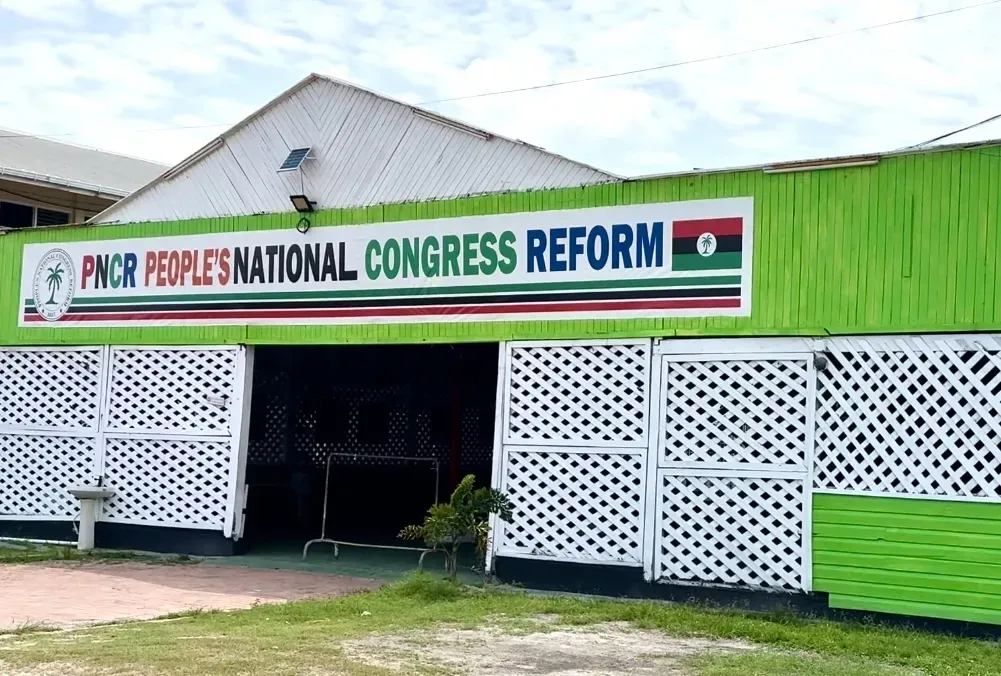
The Guyanese government believes that the territorial dispute has already been settled and has vowed to defend the nation’s sovereignty. But the Venezuelan government holds a different view. “Guyana has snatched a territory on which Venezuela has indisputable titles,” according to a statement published by the Venezuelan government.
Years of heavy United States sanctions and political instability in the region have caused the Venezuelan economy to plummet. In recent times, Venezuela’s president has taken drastic steps to not only prohibit people from leaving the country but also convince the world that the Essequibo region is rightfully Venezuelan. President Nicolás Maduro even created a new map of Venezuela which includes the Essequibo territory.
Oil discovery has triggered a thriving economy in search of workers. According to the Bureau of Statistics of Guyana, the highest record of irregular migrants was in 2019, the year of the oil discovery. In 2018 and 2019, the immigration department recorded 3836 and 9582 irregular migrants, respectively. Possible jobs, mostly in the economy’s informal sector, range from selling food, barbering, and working as sales clerks in stores.
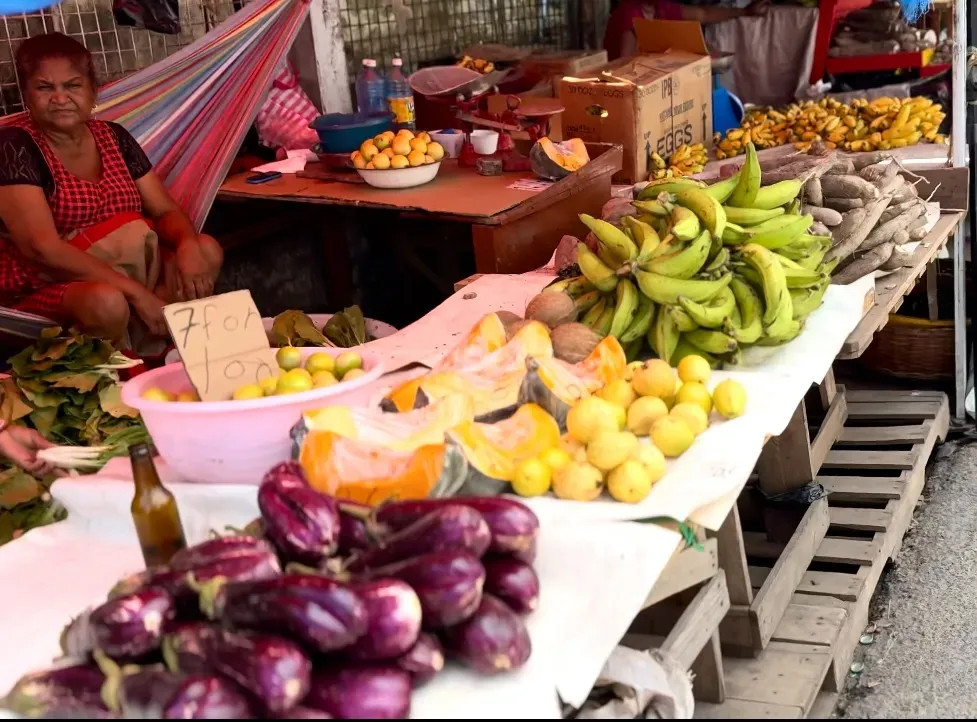
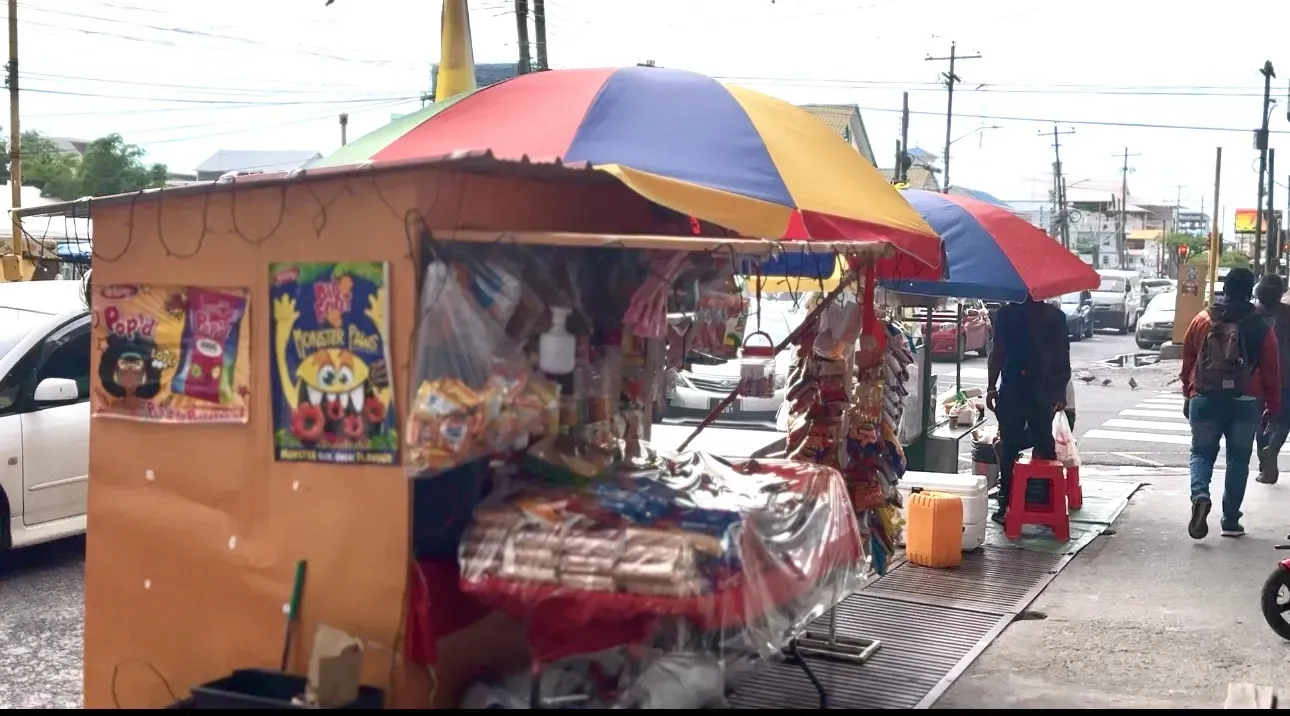
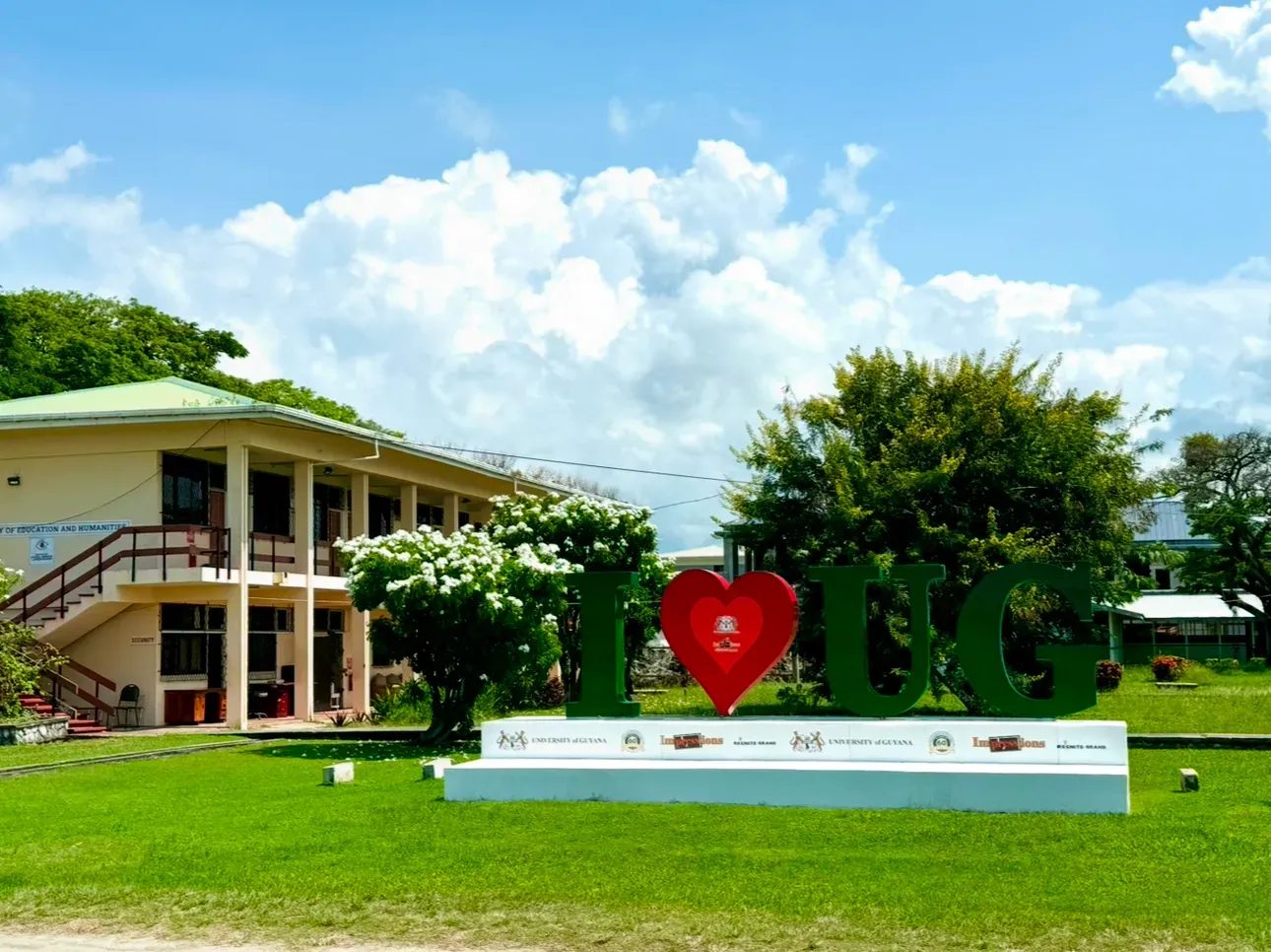
Are Guyanese citizens being cheated out of these jobs? “The idea that migrants are taking jobs is a myth,” said Professor Coreen Jacobs-Chester, director of the International Centre for Migration and Diaspora Studies at the University of Guyana. Jacobs-Chester explains that migrants are mainly employed in the informal sectors of the economy, such as construction and small-scale vending. Jacobs-Chester said that “individuals must shift their attitudes to the 21st century when it comes to migrants.”
Although the wave of migrants may not be taking away any employment opportunities from Guyanese citizens, a heavy strain is being placed on the country’s health sector. Jacobs-Chester asserts that while healthcare is available to migrants in the country, Guyana isn’t equipped to properly sustain the needs of migrants.
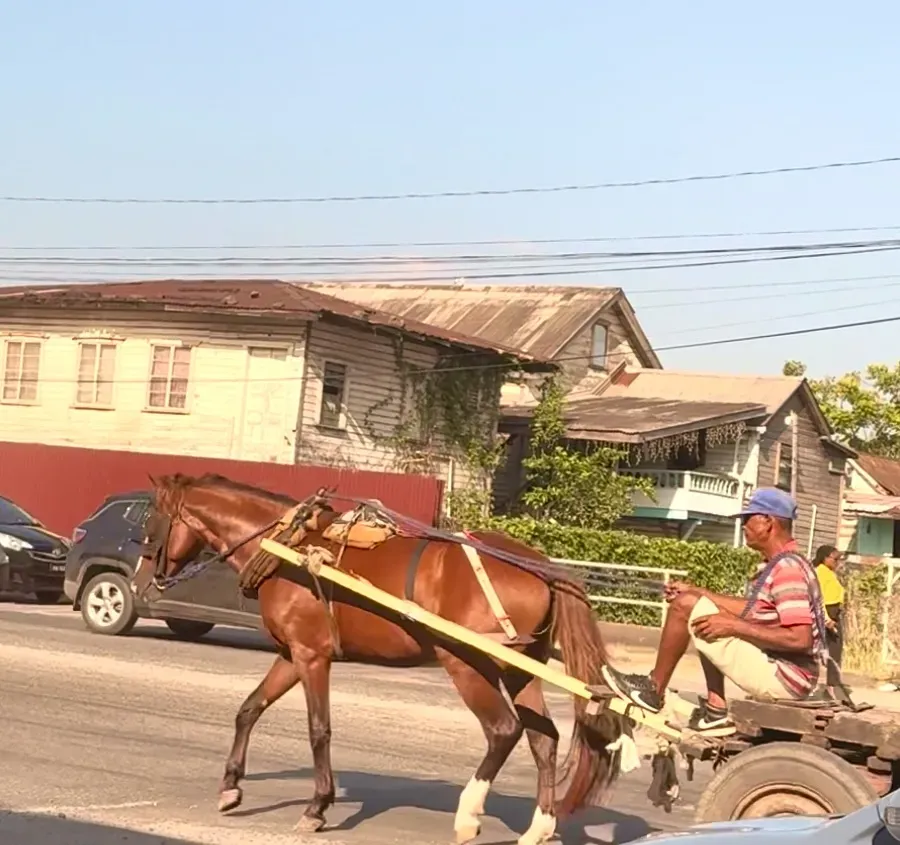
Throughout Georgetown, the country’s capital, the average Venezuelan migrant is very reluctant to speak out. After migrating to a foreign country, they are caught between two governments.
In Georgetown, Javier Gonzalez, a Venezuelan migrant, works at a popular pharmacy. He and his family moved to Guyana three years ago as a result of Venezuela’s economic decline. Although he’s employed as a store clerk, many of his family members are unable to work in the formal sector because they don’t have the required work authorization.
“Some businesses refuse to hire without a work permit, so finding work is very difficult,” Gonzalez said. However, he explained that his wages in Guyana are significantly higher compared to what his salary was in Venezuela.
Many of Gonzalez’s friends have found work in the oil and gas industry in Guyana. In spite of all the challenges Gonzalez’s family faces, the young children in his family are able to get an education in Guyana while learning another language, which he sees as a good thing.
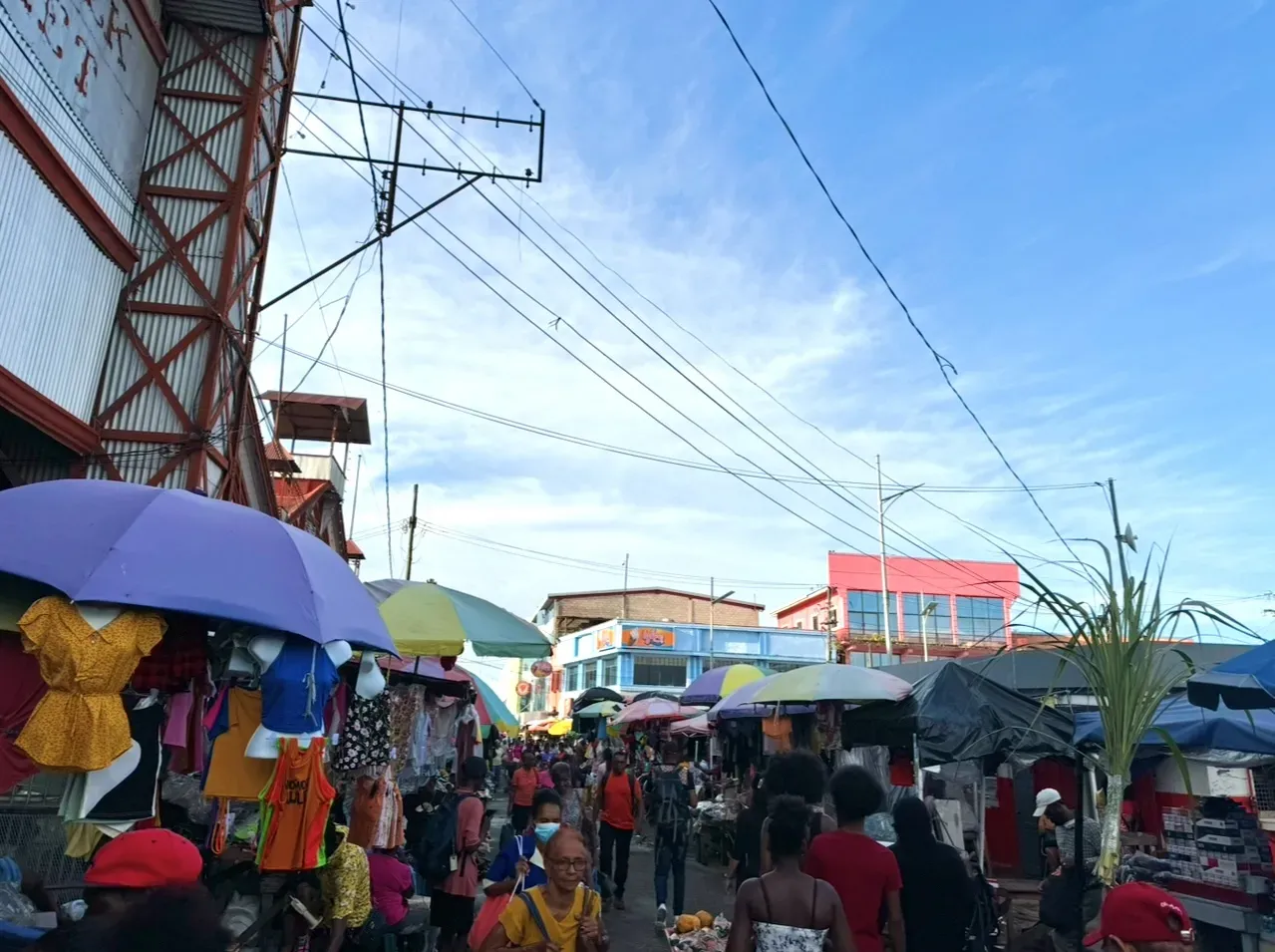
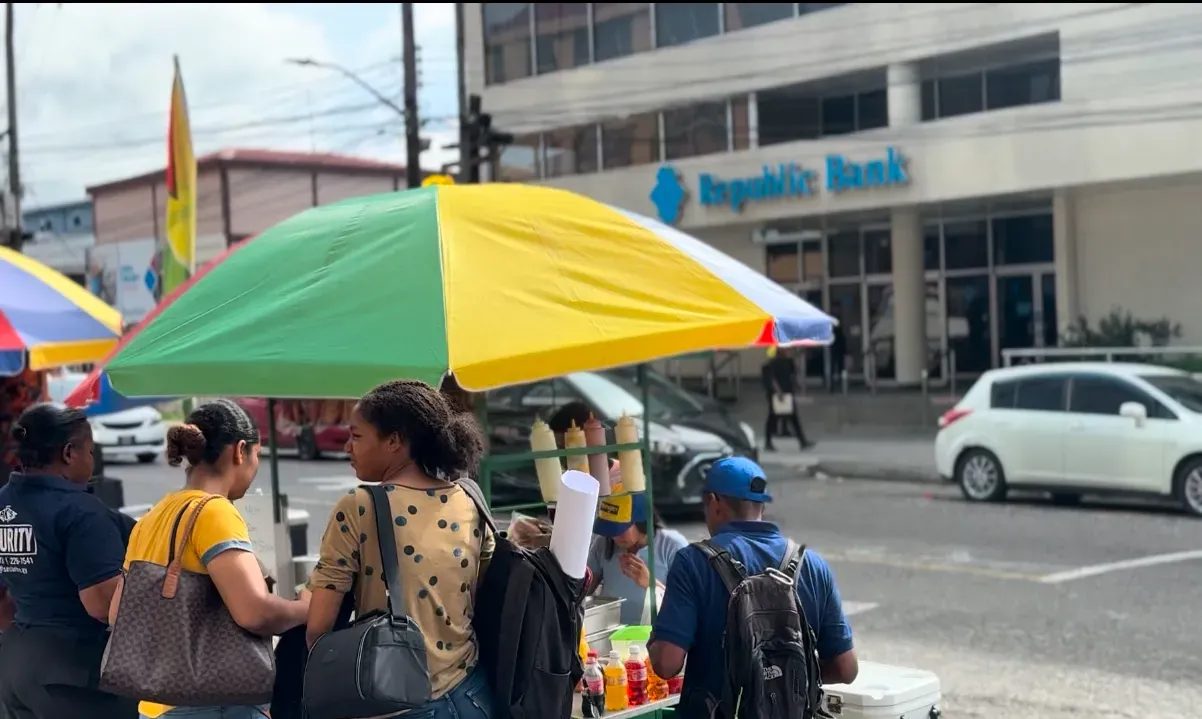
Due to Venezuela’s plummeting economy, inflation has driven food prices so high that basic necessities come at a considerable cost. Stable jobs in Guyana provide migrants with money to pay for necessities while supporting their families.
The South American continent is made up of over 12 countries, so why do migrants choose to migrate to Guyana? According to Gonzalez, the reason so many Venezuelans opt to migrate to Guyana instead of other countries is because there are more opportunities available.
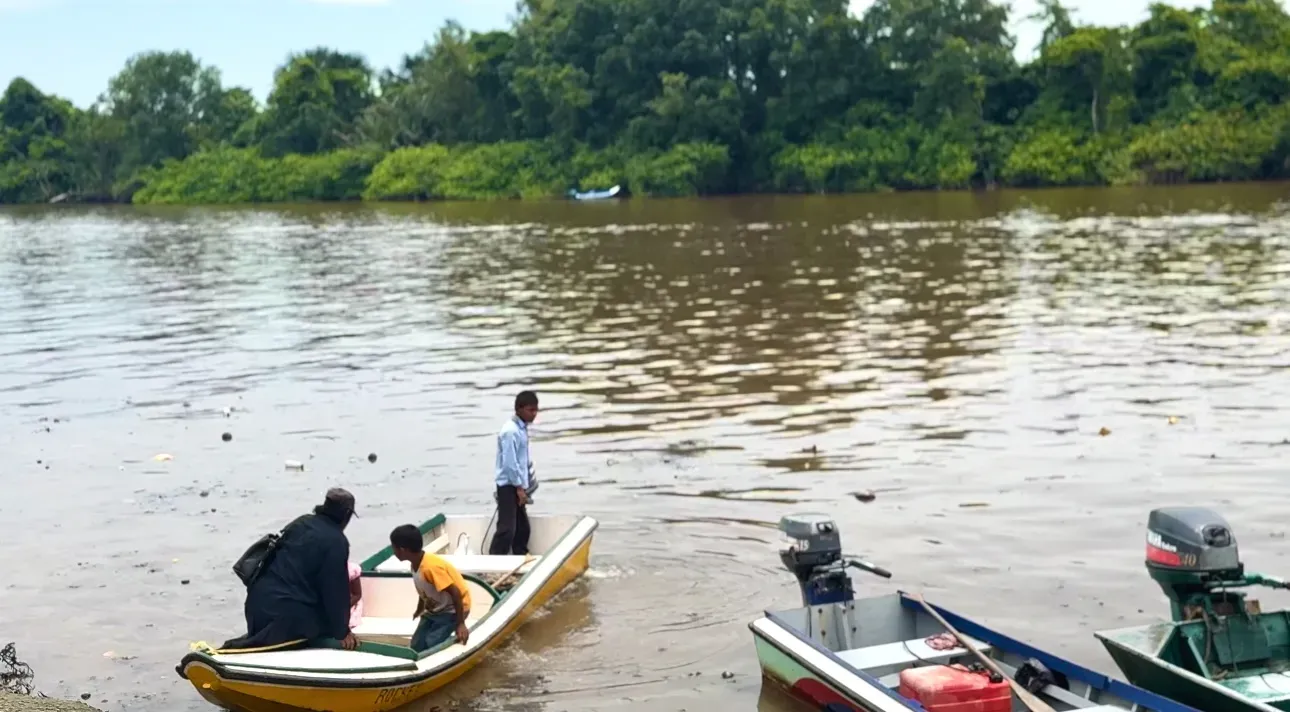
Today the Essequibo region remains in Guyana’s possession, and there are no current plans by the Guyanese government to stop oil and gas production. While migrants are required to have authorization to work in the country, Guyana’s rapidly developing economy continues to attract Venezuelan migrants leaving the country for a better life.