Story
 May 27, 2026
Families Organize Amid Government Funding Cuts Into Rare Disease Research
Country:

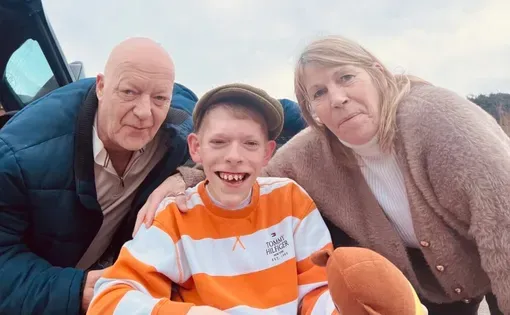
Cuts to special education, Medicare, and scientific research have trickled down to impact the most...
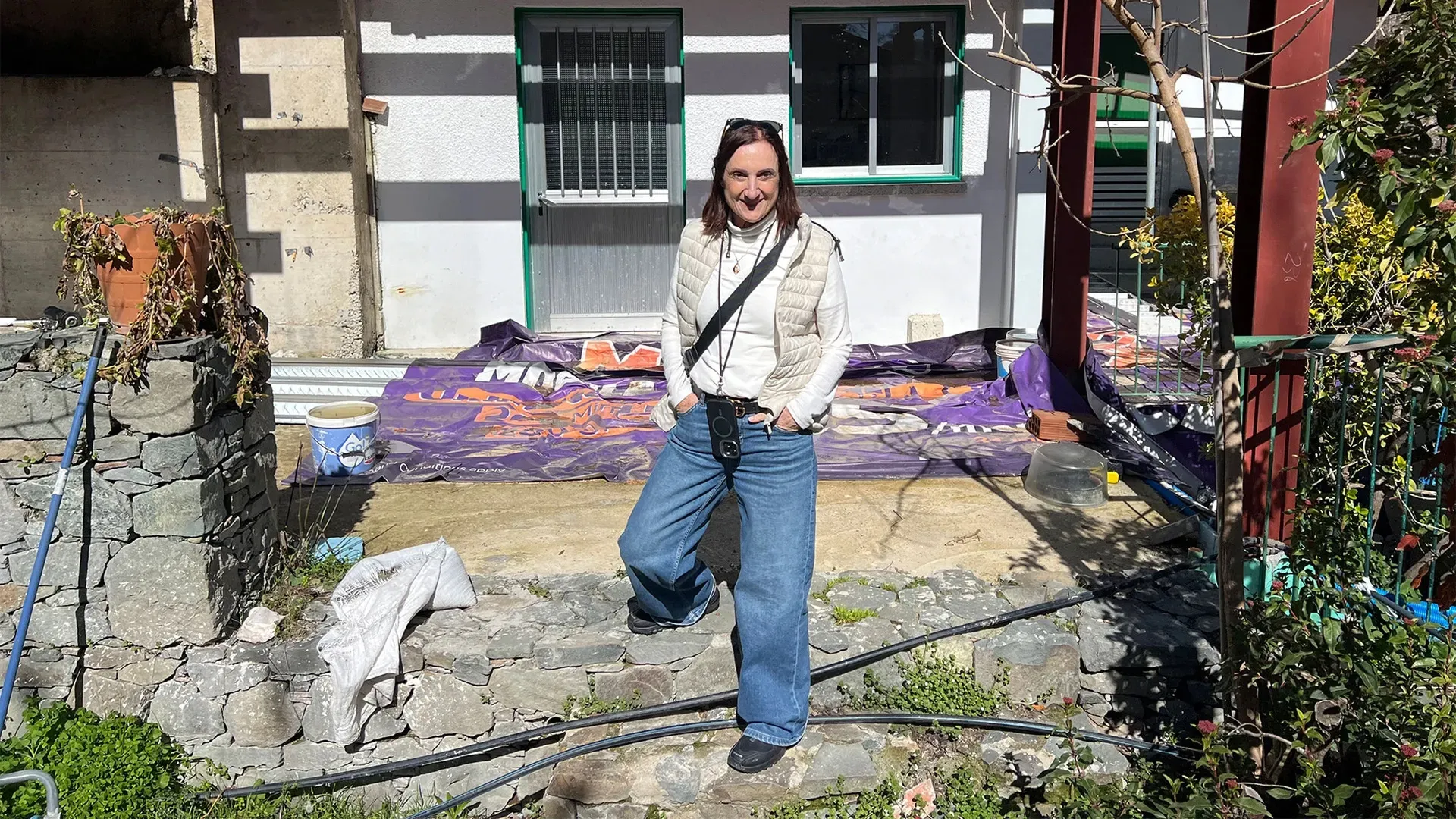
Dramatic cuts to science research grants have particularly affected rare disease research. But some of the people most affected, including those with Nicolaides-Baraitser syndrome, are now organizing their own global research collaborations.
The Pulitzer Center's support for this reporting was made possible through the Stavros Niarchos Foundation (SNF).
Some 25 million Americans live with rare genetic diseases — that’s nearly 1 in 13. More than half are children. The path to discovering what the condition is and finding treatments can take years. But for children who are medical mysteries, getting a diagnosis can be life-changing.
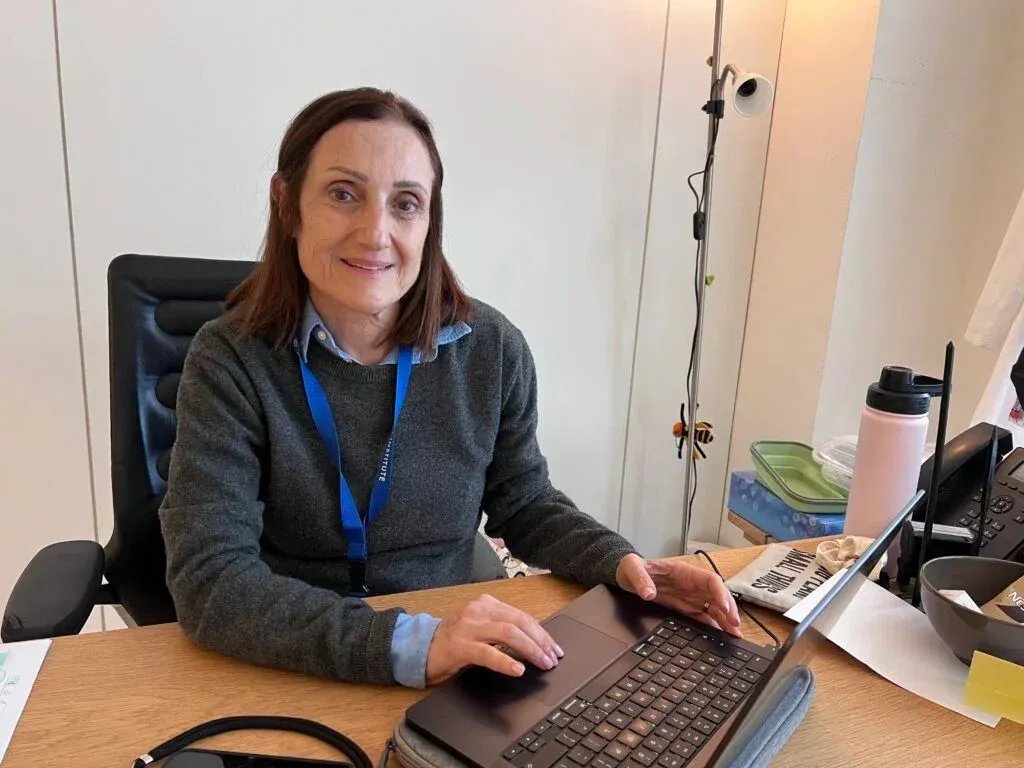
Dr. Paola Nicolaides is the Cypriot pediatric neurologist behind the discovery of an ultra-rare genetic syndrome. She was early in her career when she encountered a very unusual patient. An encounter that would change the lives of 333 individuals who, today, have a diagnosis of a syndrome bearing her name, the Nicolaides-Baraitser syndrome, including reporter Deepa Fernandes’ daughter.
Click on the player above to hear the full stories.
As a nonprofit journalism organization, we depend on your support to fund more than 170 reporting projects every year on critical global and local issues. Donate any amount today to become a Pulitzer Center Champion and receive exclusive benefits!
Within the past year, there have been dramatic cuts to science research grants. Particularly hard-hit has been rare disease research, which has always been difficult to fund, including research on Nicolaides-Baraitser syndrome. But global research collaborations are forging ahead, led by some of the most impacted people.
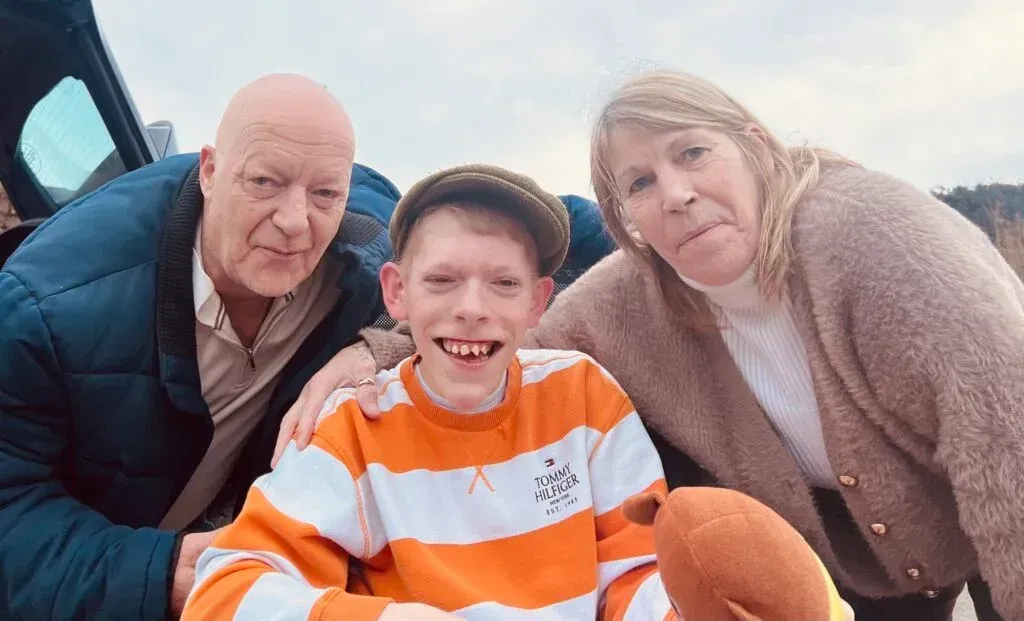
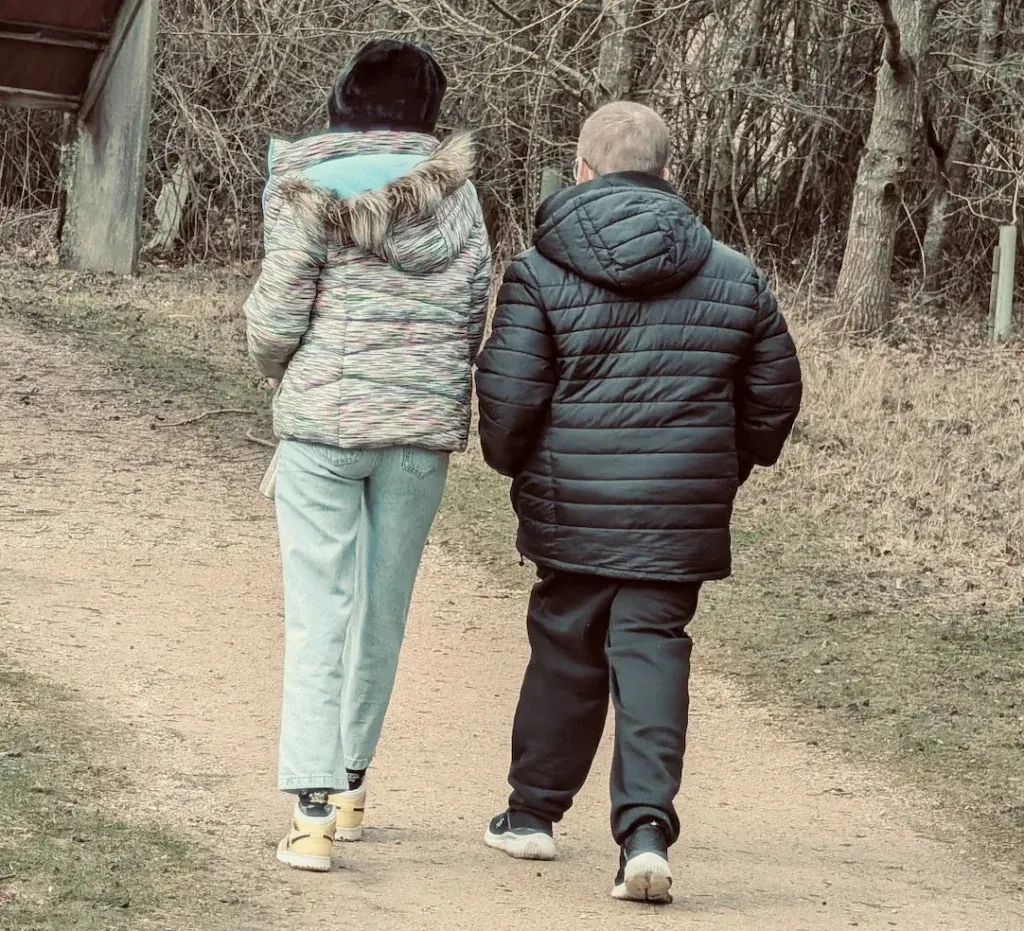
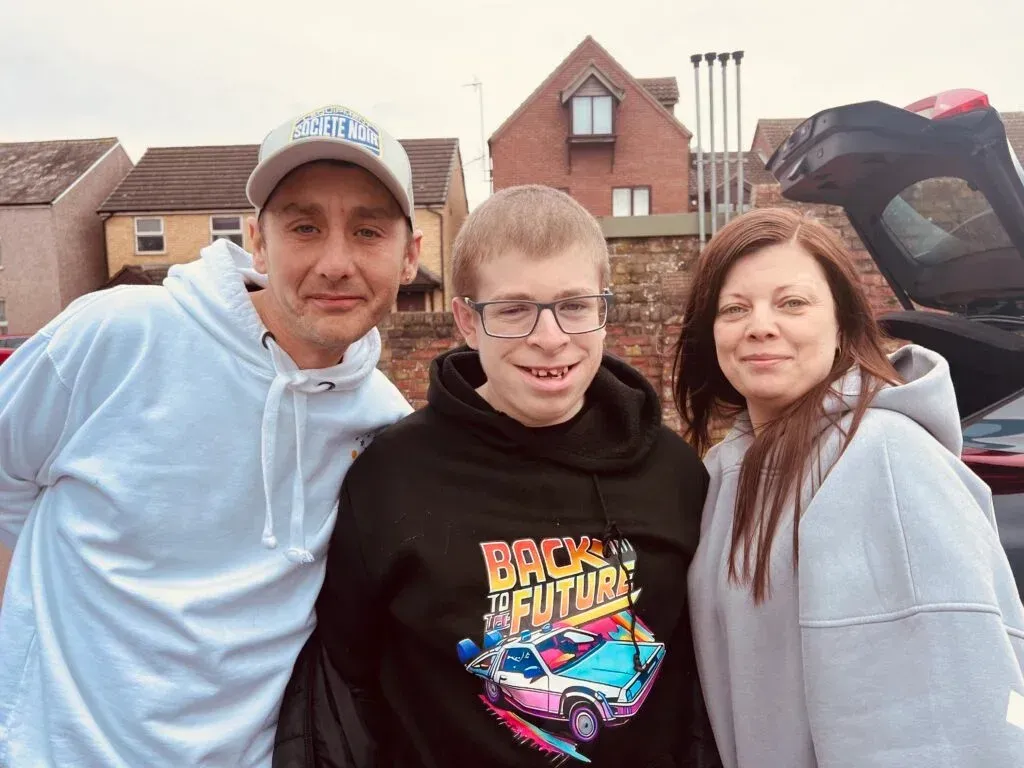
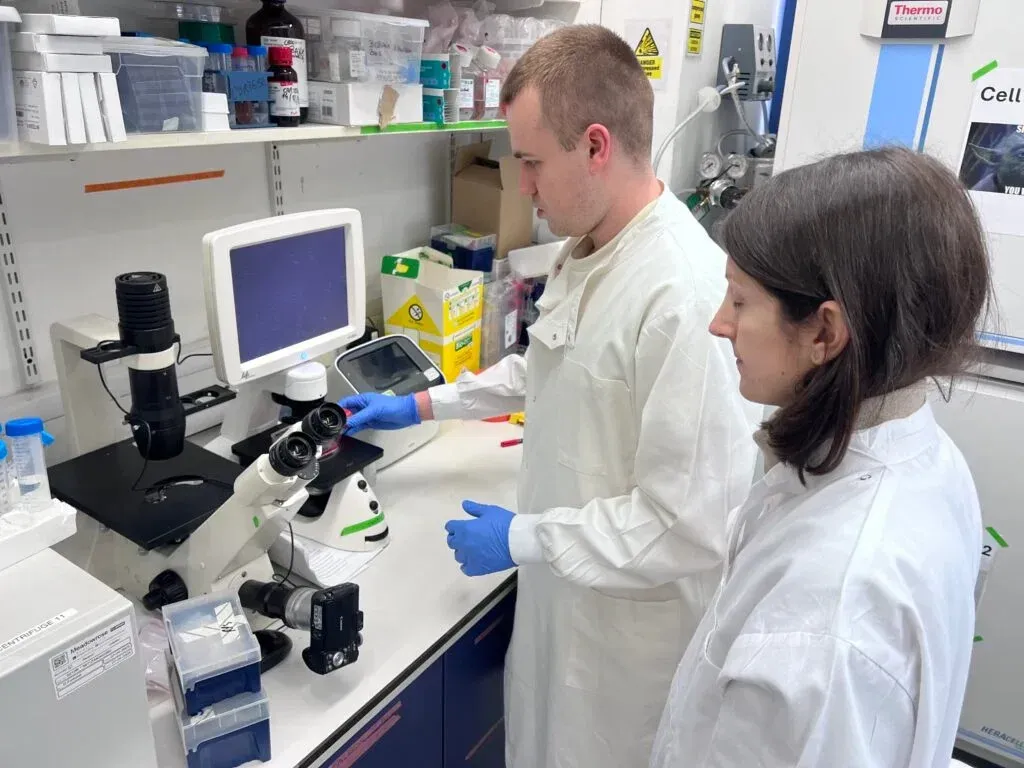
The following are photos of people battling through and promoting research for Nicolaides-Baraitser syndrome: