Story
 November 7, 2025
In Dominican Sugarcane Settlements, Life Continues Under the Constant Threat of Deportation
Country:

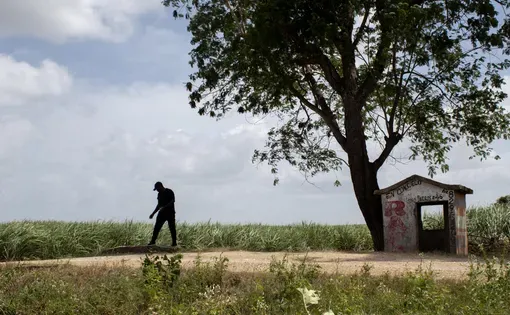
How raids are reshaping impoverished areas
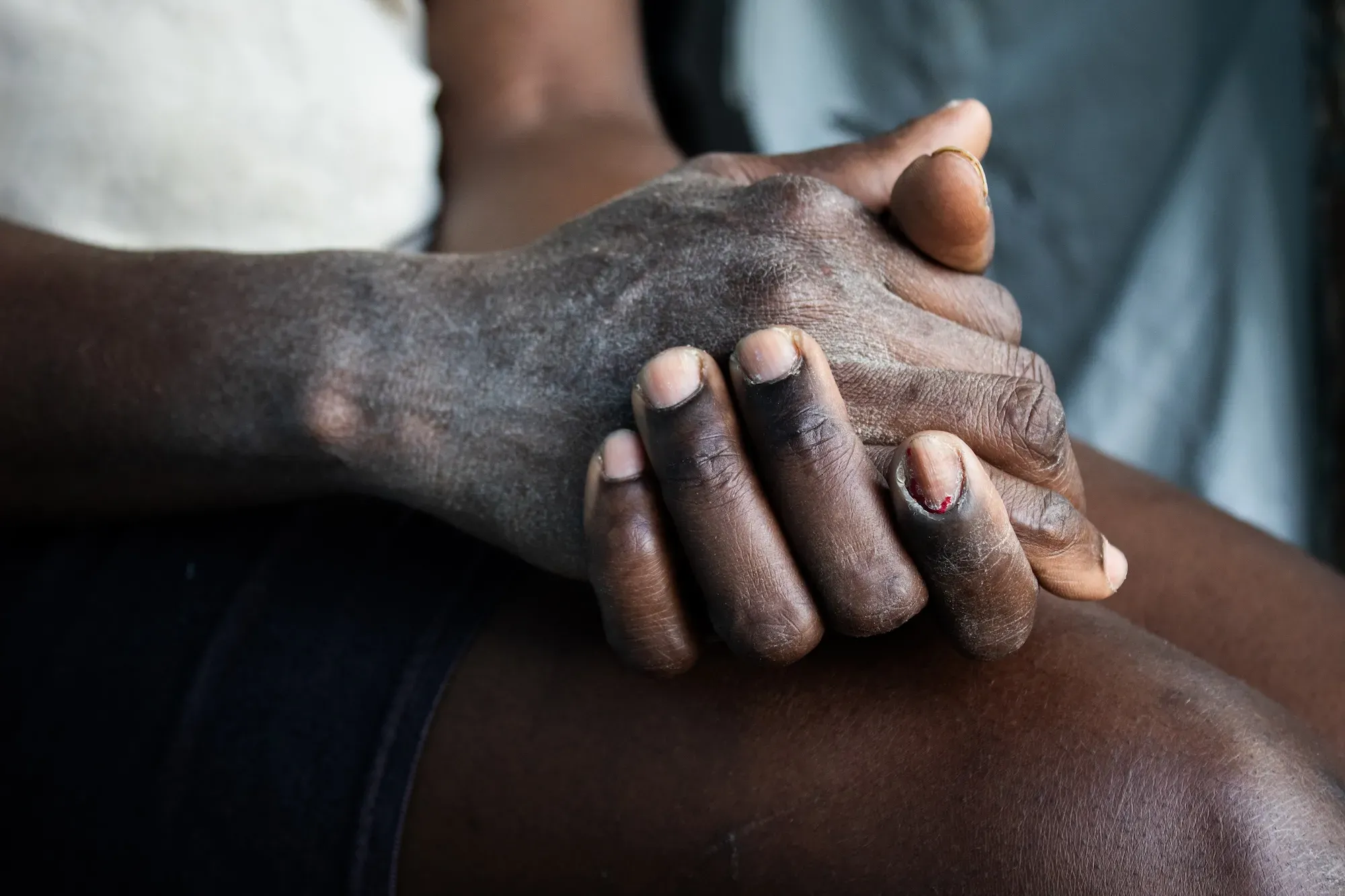
“Bonjou, kòman ou ye?” (“Hello, how are you?”)
My lips formed uncomfortable shapes around Haitian Creole, a language not my own. A woman glanced over, her eyes meeting mine with a mix of timidity and surprise.
My translator had stepped out, and I found myself standing here, a foreigner in the middle of a normal day in a Dominican Republic batey, a sugarcane community. Smells of roasting peanuts and melting garbage mingled in my nostrils. Wet wind threatened a downpour.
The pregnant woman held her belly, bulging out from her shirt. She can’t have more than a month or two left, I thought. Soon, she would give birth to a child caught up in a precarious reality, not from here nor there. In these communities, men told me they were pulled from the streets, even from their own homes, and told to “go home,” despite being born here.

As a nonprofit journalism organization, we depend on your support to fund more than 170 reporting projects every year on critical global and local issues. Donate any amount today to become a Pulitzer Center Champion and receive exclusive benefits!
I came to the Dominican Republic in March of this year, on a different project. As a journalist who works in migration, I was curious to learn more about Haitian displacement. I knew little more than the island they share. Yet once I scratched the surface, I dove deep, spiraling into a system I couldn’t understand. And witnessing lived experiences I couldn’t fathom. After three days of pre-reporting, I immediately began planning my return.
I split five weeks into three stages. The first few days I spent in the capital, filling my head with as much background and policy as I could before moving into the field. The next four weeks I lived in Consuelo, a small town near bateyes, where I would report.
My last four days, I left blank. I figured, I may need more editing time. I later realized I needed these days to process all that ensued.
My reporting focuses on the Dominican Republic’s deportation quota: 10,000 a week, and the community impact on Haitians in bateyes. It wasn’t just about the health care injustices, the impossibility of obtaining documentation, the mental health crisis. I quickly found that the lived injustices are part of a layered and systemic exclusion. I couldn’t report on one without learning many.
The crisis is getting louder, yet here it feels like too few are listening.
So I sat and listened. And each night, returning home, I mourned and grieved.