Journalist Resource
 October 3, 2025
How Collaboration, Not Competition, Amplified a Story’s Reach in Alaska
Country:

In an age where information is everywhere but often eludes the communities that need it most...

Through collaboration across newsrooms and communities, one investigative project shed light on the decades-long struggles of rural Native fisheries, reaching audiences and lawmakers alike as part of the StoryReach U.S. Fellowship. Highlights include:
- Bridging research and public understanding: Reporting translated complex data and scholarly research on Alaska’s fishing law into compelling stories, highlighting the human and economic consequences for rural Indigenous communities.
- Audience engagement and outreach: Stories were strategically shared with urban Alaskans, policymakers, and affected communities through partnerships defined early into the reporting process with media outlets, including local radio and print publications, engaging Indigenous communities in rural Alaska.
- Policy influence through storytelling: Widespread republication and public forums connecting fishing communities with legislators informed legislators and stakeholders, prompting consideration of a working group to address permit losses.
For more than a year, I had tried, and failed, to find the money to report a compelling, untold story: How a decades-old legal regime had been slowly strangling the economies of Alaska’s small, coastal Native communities by making it impossible for young people to make careers out of commercial fishing.
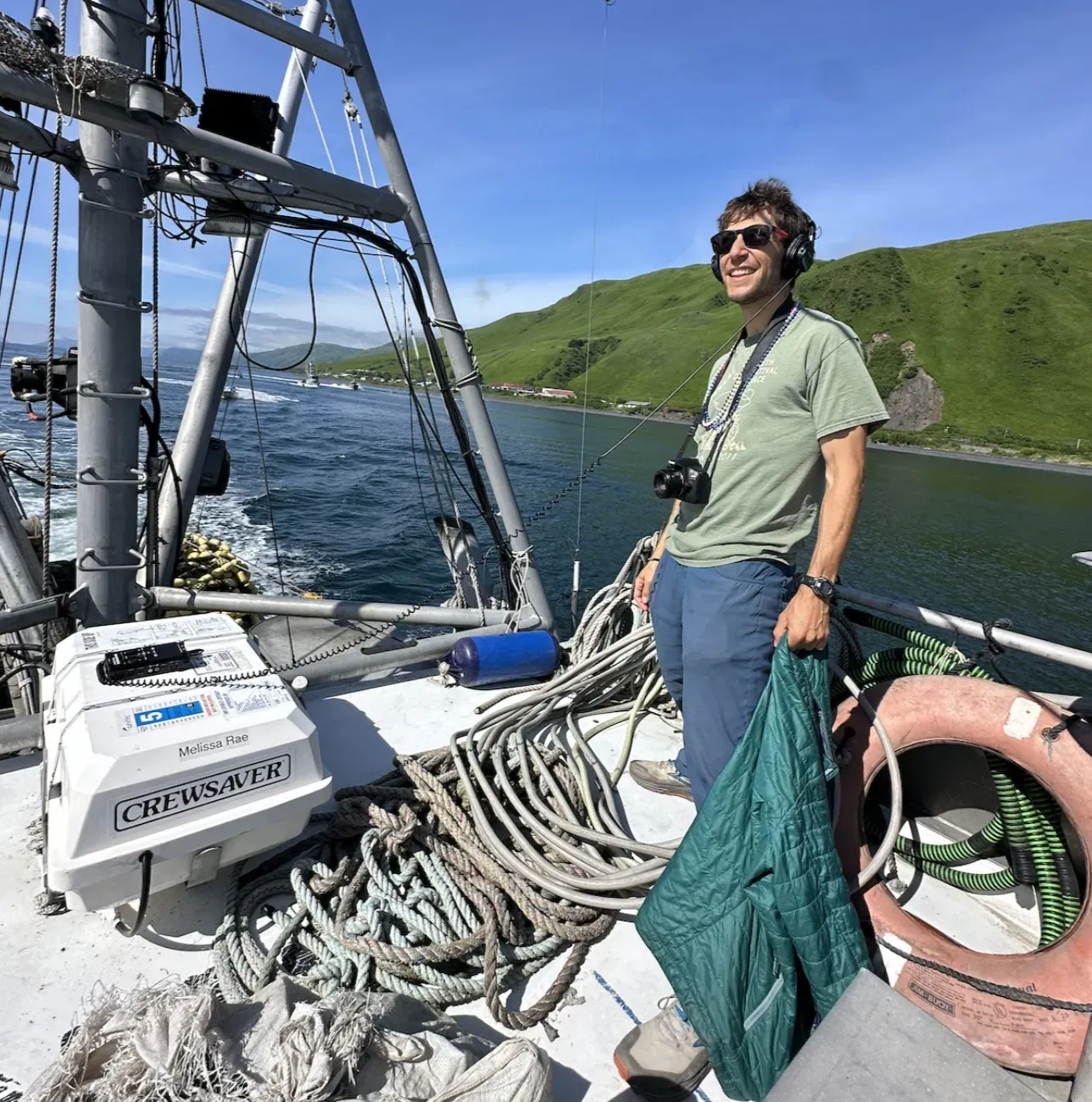
I run a small news website in Alaska and enjoy strong working relationships with an array of local collaborators—from larger statewide newsrooms in Anchorage to tiny, far-flung public radio stations on islands. But none of them had the money to support what would be an ambitious project, entailing travel by jet, bush plane, and boat to and through Alaska’s remote villages to interview elders and shoot photos.
As a nonprofit journalism organization, we depend on your support to fund more than 170 reporting projects every year on critical global and local issues. Donate any amount today to become a Pulitzer Center Champion and receive exclusive benefits!
Two grant proposals to local foundations failed; they didn’t see the value in tackling such a long-standing and entrenched problem. Then, I applied for a small grant to the Pulitzer Center, primarily to support travel. I got an email back: Would I be interested in applying for a broader program focused on engagement? That’s how I got matched up with StoryReach—and I was off and running.
The story I wanted to tell was a classic case of something hiding in plain sight.
The obstacles to commercial fishing in rural, coastal Alaska, which stemmed from a five-decade-old law, had been exhaustively documented by academic researchers—work that was bolstered by analysis of data on commercial fishing permit ownership.
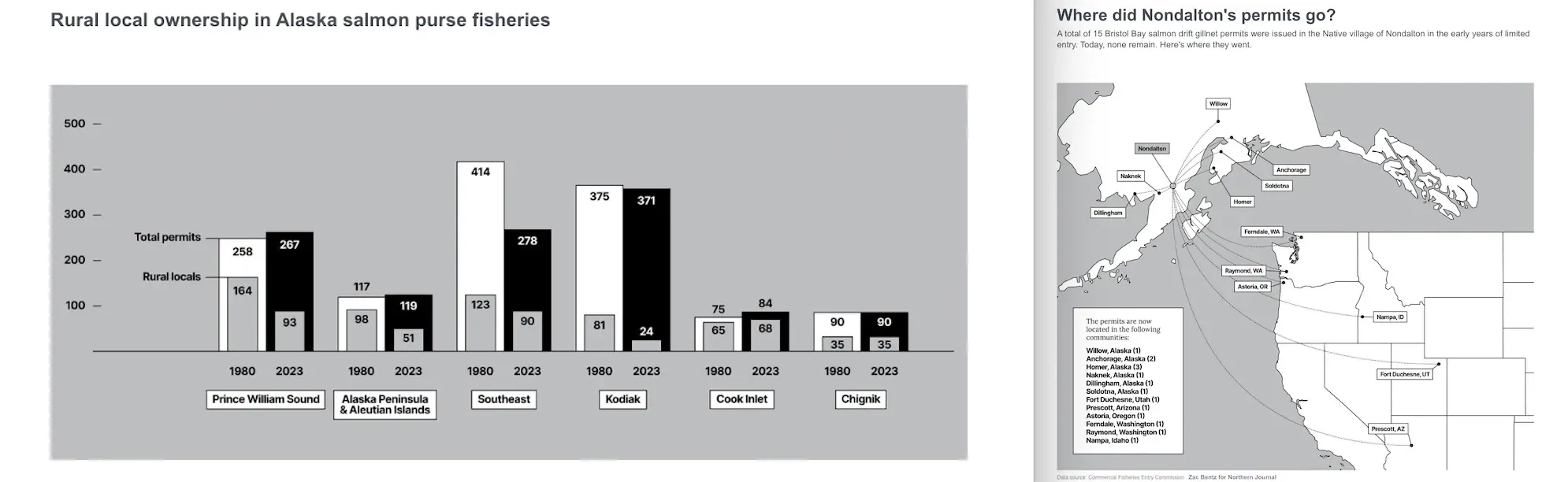
The law had imposed an insurmountable barrier to commercial fishing for young people in socioeconomically challenged villages, largely populated by Alaska Natives. It required them to own one of a limited supply of expensive permits—which sometimes cost in excess of $100,000—in order to legally participate. That barrier had resulted in huge losses in the number of permits held by rural, Indigenous Alaskans, who could live hundreds of miles from the nearest bank willing to loan them money. It also crushed the economies of rural villages, leaving families with generations of fishing history as bystanders in a harvest that’s increasingly caught by urban residents from far away.
But the human toll of the problem had never been substantively covered or represented in mass media. My job was taking scholarly abstraction and numbers and translating them into a compelling story that could move readers in Anchorage and policymakers in the capital city of Juneau—hundreds of miles and a whole lifestyle away from the people and places I was writing about.

How I reported the project
The scholars and advocates who were involved in trying to fix the problem were eager to work with me—I’d laid groundwork with many of them as I’d done my own research and developed grant proposals. But the work was not entirely straightforward: I’d be a white man traveling to and reporting from communities that were almost entirely Indigenous, telling personal stories and a history that wasn’t my own.
I kept that in mind as I planned my reporting and editing process, using some of my fellowship budget to hire a reporting partner in one of the Native villages I traveled to, and also to pay a sensitivity reader. I traveled with two of the scholars who have written extensively about the fishing law, who both had established credibility with the communities we visited through their previous work. Those scholars, very helpfully, connected me with sources, vouched for me, and even sat in on some of my interviews—putting some of the subjects at ease in a setting where they might otherwise feel insecure or uncomfortable. They also helped with the logistics of my trip by securing permission from local tribal authorities to visit some of the villages, and they pointed me toward useful historical and primary source documents.
My stories were reported through very traditional, pounding-the-pavement style journalism, interviewing and visiting with numerous elders and fishermen in each of the rural, coastal communities that I traveled to. The personal narratives and experiences that I collected through those trips were supplemented by broader, contextual interviews I conducted with scholars and experts back in my home city of Anchorage, along with archival research of newspapers and legislative proceedings. And then there was the data.
At the core of my reporting was showing how the open markets for the permits required to commercial fish in Alaska—a market similar to that for New York City’s taxi medallions—had led to losses of those permits from the state’s rural, coastal communities. While permit data was generally available from the state commission that issues and oversees the permits, it required a substantial amount of work to organize and refine the data in a way that accurately and effectively reflected the dynamics I’d anecdotally observed in my reporting. For example: What counts as a rural community? Who counts as a rural, local fisherman?
In the end, I adopted the commission’s own criteria for my broad analysis of regional losses of permits. But I also worked directly with commission staff to obtain and validate detailed data on losses in individual villages. These records showed the names and identities of the original permit recipients in the 1970s, and the owners of those permits today, who often lived in far-flung states like Washington, Oregon, California, Arizona, and Idaho. Based on my own analysis, bolstered with the confidence of validation by commission staff, I was able to reference those village-by-village findings in my reporting and use them to create compelling graphics and maps that echoed my written narrative in visual form—work done by a contracted graphic designer who was paid with my fellowship funds.
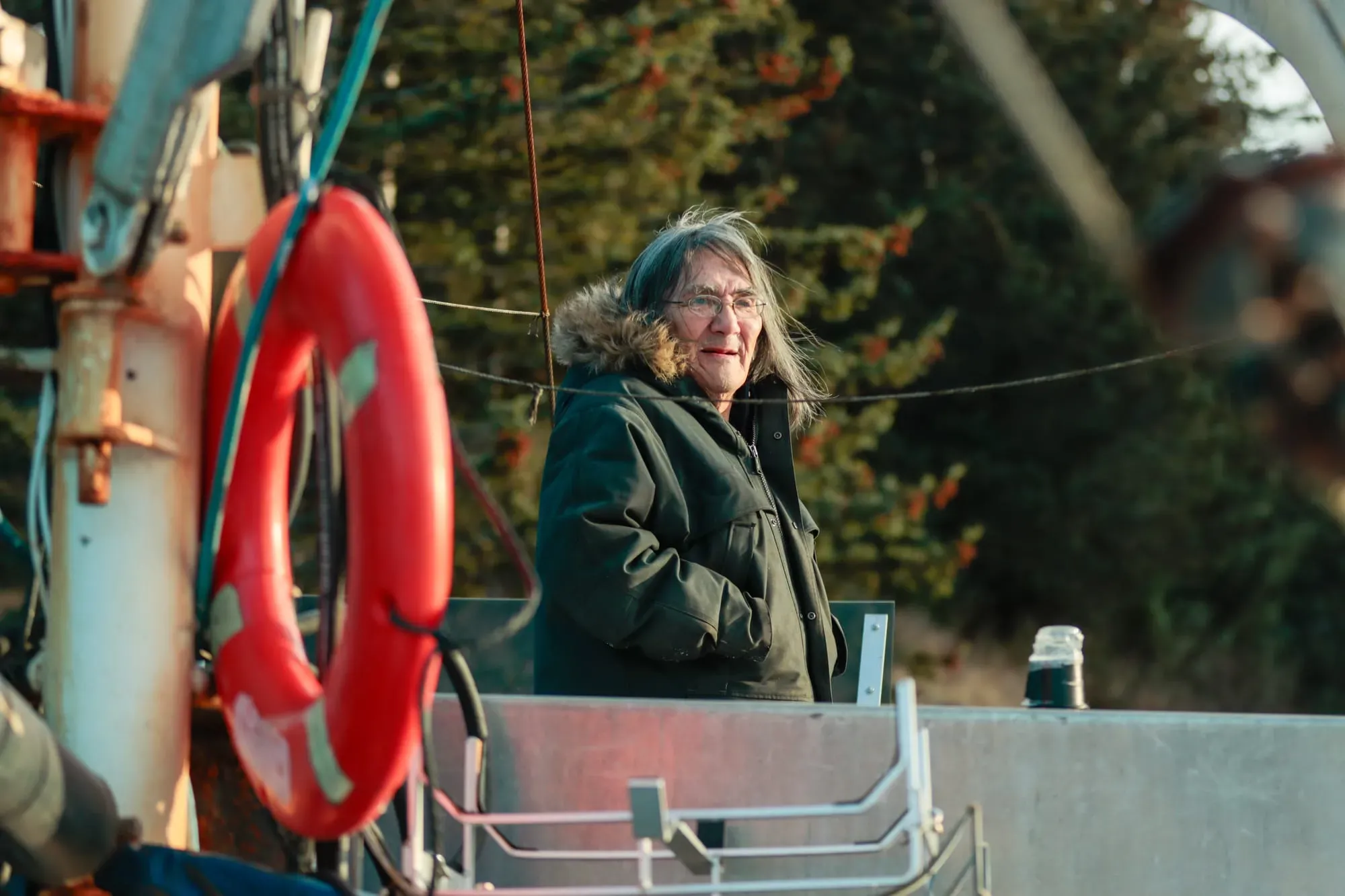
One last, key lesson I took away from my reporting: Take portrait photos of everyone you talk to—good portrait photos, not just throwaways. In one of the villages I traveled to, I had an unplanned meeting with a veteran fisherman, Nick Katelnikoff, who ended up giving me a ride on his boat back to the harbor in Kodiak. Over the two-hour journey, I heard about how he’d become the last active fisherman in his small village—a story the significance of which didn’t fully hit me at the time, and so I didn’t think to photograph him well. Once I’d finished my rural reporting, it turned out that Katelnikoff’s personal experience perfectly embodied the larger story I was trying to tell with my project. But my few photos of him were junk. I looked into hiring a freelancer to shoot some portraits, but given the fisherman’s remote location—requiring a jet flight and a bush plane flight to get to his village from Anchorage—that was prohibitively expensive, so I ended up flying back to photograph Katelnikoff myself. It was worth it—I ended up with vivid photos to illustrate my first story, “The Last Skipper in Ouzinkie.” But I would have saved myself a significant amount of time and money by getting the images on my first trip.

Integrating audience research
As I was doing the reporting and writing, I also worked with staff from the Pulitzer Center and other fellowship recipients to develop my audience engagement strategy. The first part of that work involved defining the potential audiences for the project. I was focused on two major groups. First was the large audience of residents of more urban Alaska communities who might be sympathetic to the loss of permits in rural Alaska but unaware of the problem. The second group was policymakers, namely, state legislators who would have to approve any changes to the law that led to the permit losses. I also wanted to make sure that my story got in front of the fishermen and rural residents that I was writing about.
My primary strategy for reaching those different audiences was through new and existing partnerships that I established with my publication, Northern Journal. My business model is somewhat unique for a small news website/newsletter like mine: I collect small membership fees from voluntary subscribers, ranging from $10 a month to $500 a year, and then make my stories republishable by other outlets for free. Because I operate under that structure, I already have working relationships with many other outlets and publishers across the state. And to make sure the StoryReach stories would be republished by the outlets that reach the audiences I was targeting, I contacted them in advance to inform them about the project as I was still reporting it. That included Alaska Public Media, the statewide-focused, Anchorage-based NPR affiliate station, which ended up becoming a publishing partner, contributed editorial and social media support to the project, and hosted its own public affairs program that featured my work. It also included KMXT, the public radio station in Kodiak, which reaches many of the rural communities that have experienced acute losses of commercial fishing permits.
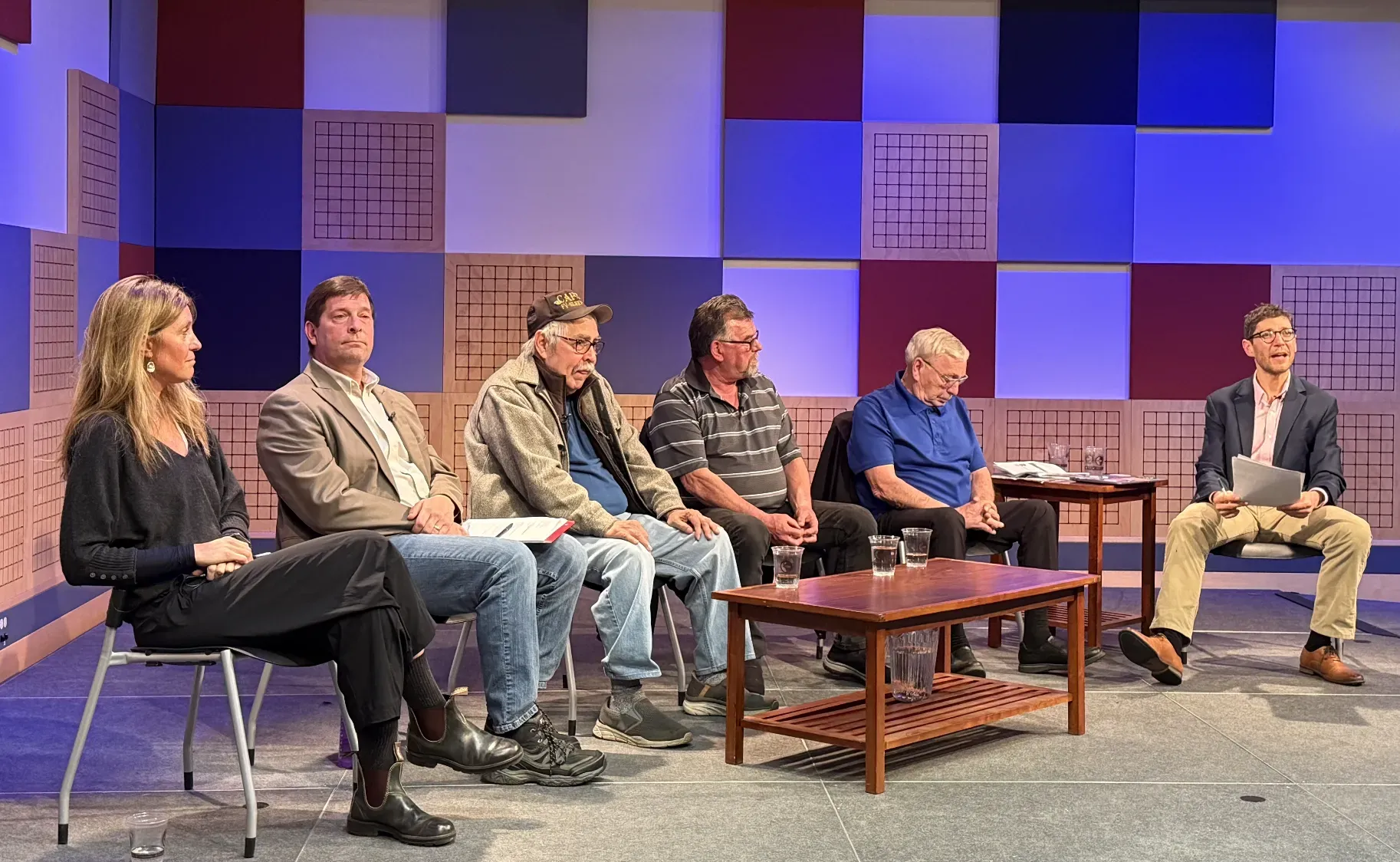
I’d usually be a little more secretive and quiet about my reporting plans, but the strategy of transparency with other outlets and fellow reporters ended up paying huge dividends. First, KMXT and another public radio station in Ketchikan, KRBD, both agreed to send their own reporters to support me on my trips to rural, Native villages. They also both taped interviews with me that were broadcast locally during my reporting. This led new sources to contact me and allowed me to solicit input and feedback from local audiences. KMXT’s reporter shot photos that I ended up running with my stories. And a third publishing partner, KTOO, the public media station in Juneau, agreed to co-sponsor, organize, and broadcast a public forum with fishermen and experts whom I convened in the capital city as a way to target lawmakers and aides.
My early work with those outlets ended up creating buy-in so that each of them were eager to publish my stories once they were ready. An array of other media organizations, including the Anchorage Daily News and numerous small newspapers in coastal fishing towns, also republished my work. Especially for reporters and editors working in smaller, less competitive media markets, I’d strongly encourage giving this type of cooperation and advance notice— this turns potential competitors into collaborators.

“It was really the process of laying the groundwork to reach my target audiences that led me into the most productive relationships with publishing partners.”
This type of collaboration is the only way I, with my two-person newsroom, could have pulled off a project this broad and ambitious, and achieved a broad reach. In addition to Alaska Public Media’s participation as a publishing partner, I received substantial support from APM Reports, an investigative newsroom based in Minnesota’s Twin Cities that provided the bulk of the editing and oversight of the project—all for free.
Holding the public event with KTOO also allowed me to tap into radio and television audiences that I couldn’t have reached on my own. The forum was recorded by KTOO, edited, and subsequently rebroadcast two separate times to the station’s Juneau-area TV viewers. It also prompted in-person conversations between me and stakeholders who attended the event that will inform my future reporting. And one of the Indigenous experts on the panel—who was added after he saw our flyer and requested to participate—became a key, featured source in a subsequent story. Had we not organized the panel, I never would have come into contact with him.

Impacts of the project
It’s still too early to assess the impact of the project, but I think it’s fair to say that the wide republishing of my stories has generally raised awareness of the loss of rural fisheries access in Alaska. Multiple outlets followed my stories with originally reported stories of their own. Lawmakers are said to be considering the creation of a working group to tackle the issue.
“The StoryReach Fellowship gave me the resources I needed to build the kind of strong, sturdy foundation that’s key in tackling a major social problem.”
I also learned important lessons about the value of defining and engaging audiences as a project develops, not just once it’s finished. It was really the process of laying the groundwork to reach my target audiences that led me into the most productive relationships with publishing partners. Those relationships actually shaped the reporting process, as local journalists put me in touch with their own sources, published interviews with me that put my project on the radar of fishermen and tribal leaders, and shared important context that might not have otherwise made it into my stories.
The StoryReach Fellowship gave me the resources I needed to build the kind of strong, sturdy foundation that’s key in tackling a major social problem. And now that that foundation is there, I plan to keep building on it, with more stories and reporting planned for even after the fellowship formally finishes. I expect the lessons I’ve learned to inform that work—and much of the work that I do in the rest of my career.