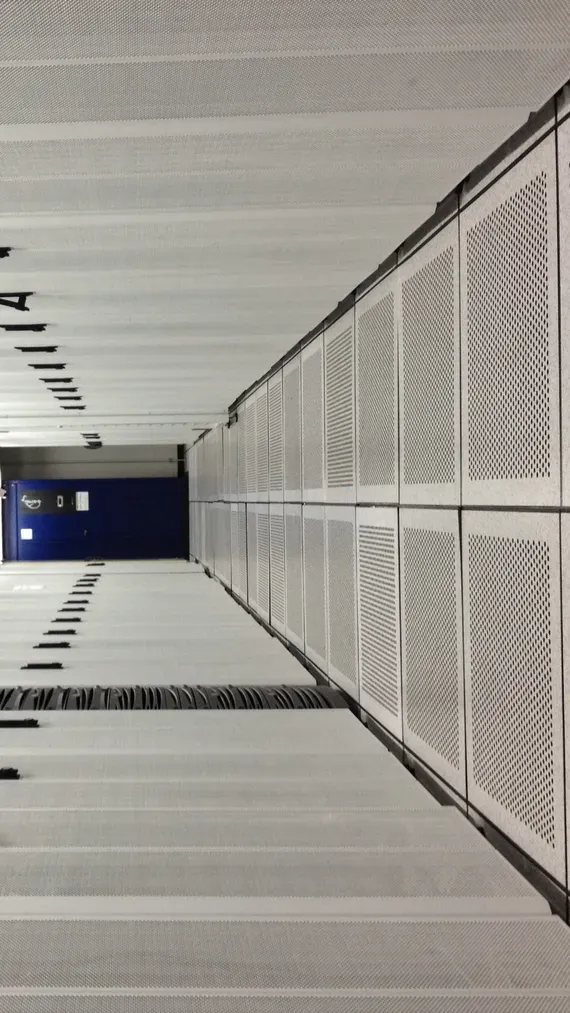


Brazil has the components every country invested in the AI race is desperate for: water, land, rare minerals, and energy. Even better: renewable energy. The government has treated this as a window of opportunity, responding with tax breaks and incentives to attract data center investments and mining exploration.
But one common thread connects these projects: The communities at the front lines of AI development are being made invisible, ignored, and dismissed. By the time they learn AI development is coming to their lands, it could be too late.
In this reporting project, Intercept Brasil sets out to investigate two axes of the AI race in Brazil: land and lobbying. Data centers and rare mineral projects are often located on lands claimed by Indigenous or quilombola groups. Despite claiming ownership, the people who have historically inhabited these territories are rarely consulted about the arrival of data center projects or informed about the impacts. Meanwhile, politicians are meeting behind closed doors with big tech representatives, energy companies, and data center developers, who convince them to host projects that return very little to communities while leaving behind a dark cloud of negative impacts.
The Intercept and its partners will travel across Brazil to investigate the arrival of these projects, how governments have been convinced to host them, and document what community resistance could look like when AI comes to people's lands.

