
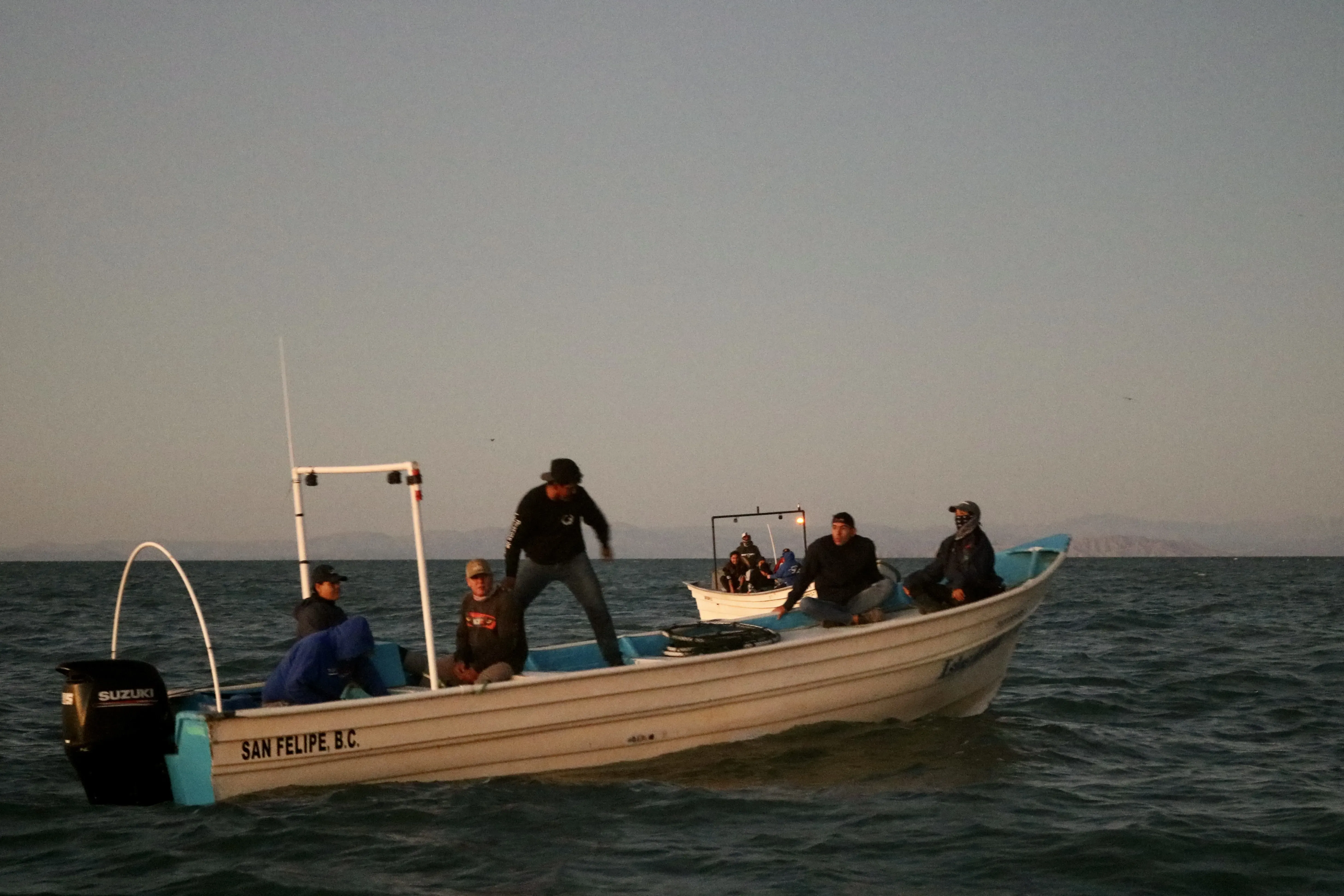
In the Upper Gulf of California, fewer than ten vaquitas remain. Endemic to these waters, the world’s rarest marine mammal is on the precipice of extinction. Though the Mexican government, in collaboration with outside activists, is pushing to expand the Zero Tolerance Area banning all fishing, tensions are mounting. Some 1,300 artisanal fishermen rely on these waters for their livelihoods, making conservation a threat to their very survival.
Globally, the expansion of Marine Protected Areas is beginning to raise urgent questions about balancing species conservation with protecting human interests. This is especially the case when external actors drive regulations without local consent.
Through voices of naval and NGO enforcers, marine scientists, and fishermen themselves, this project explores who truly decides what marine protection means.
Focusing on the vaquita’s plight alongside localized economic hardship and international enforcement struggles, this human-centered narrative explores the complex realities behind marine conservation efforts. At the same time, reporting highlights the increasing militarization of the oceans in response to illegal fishing, in this case, the illicit totoaba trade.
This project sheds light on a wider global dilemma: When must environmental conservation give way to human needs?

