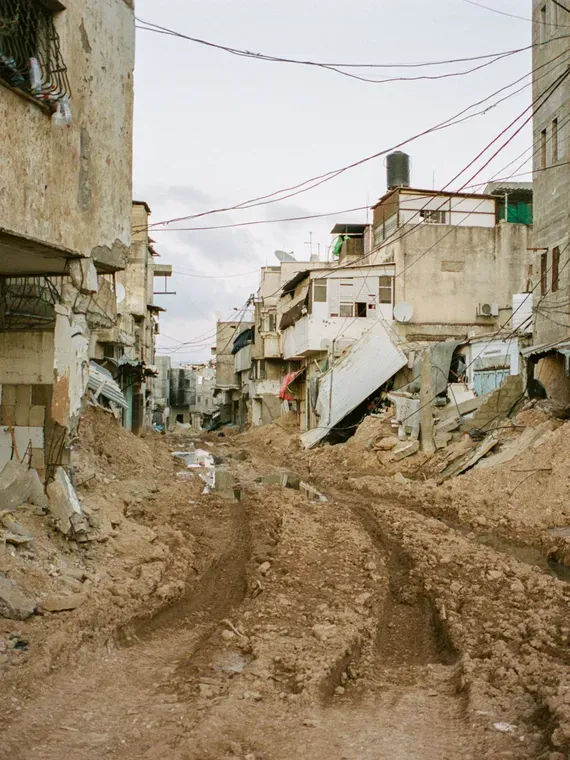

Absence rarely makes the news. But often what is not happening—and why—is as decisive as anything that is. Most reporting from the West Bank inevitably focuses on spectacular outbursts of violence, of which there have been plenty lately: more than 700 Palestinians killed by Israeli soldiers and settlers over just the last year. In the tumult, it has been easy to miss the general absence of the kind of nonviolent protest that has characterized Palestinian resistance movements in the West Bank since the end of the Second Intifada.
But this absence is far from accidental. Nonviolent activists have been threatened, arrested, beaten, and tortured in Israeli prisons. Settler violence has increased and Israeli soldiers routinely break up protests with live ammunition.
The nonviolent resistance movement, which has limped along for the last two decades in an atmosphere of increasing repression, is for the moment in full retreat, and more Palestinians are taking up arms against Israel than at any time since the early 2000s.
Journalist Ben Ehrenreich reports on these developments and explores their implications for the future of a region in which, one way or another, Israelis and Palestinians will have to continue living side by side.


