Story
 April 29, 2026
Air, Water and Food: Exposure To Chemicals Linked To Parkinson's
Country:


Project
Poisoned Pathways
Medical evidence shows that environmental exposure is contributing to a Parkinson's epidemic.



Over a lifetime, toxins can find pathways into the brain.
Scientists believe that Parkinson’s disease comes from a combination of environmental exposures and genetics. Research shows that only around 13% of people with Parkinson’s have a specific genetic link.
Most Parkinson’s diagnoses likely result from a combination of genetics and environmental factors such as chemical exposures, toxins or head injuries.
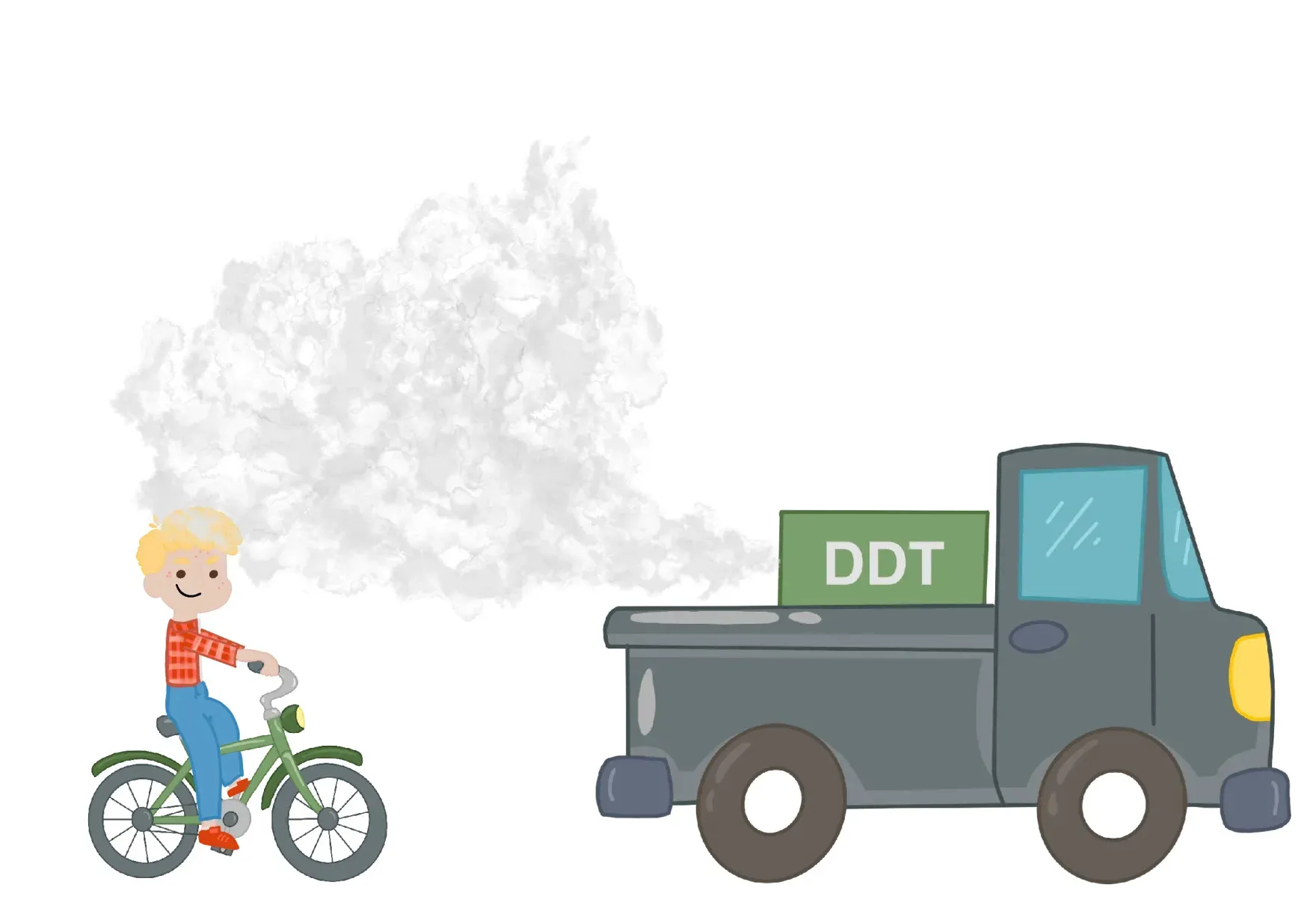
Exposure to chemicals like pesticides or solvents during a lifetime is thought to drive the disease, rather than a single exposure. Where you live matters. People in rural areas have a higher risk, which can be related to pesticides or well water. Air pollution is also associated with a higher risk.

As a nonprofit journalism organization, we depend on your support to fund more than 170 reporting projects every year on critical global and local issues. Donate any amount today to become a Pulitzer Center Champion and receive exclusive benefits!
Exposure comes down to air, water and food. Toxins can take two pathways into the body: through the nose, or through the mouth.
People can be exposed to toxins from a young age, often without realizing it. Inhaled through the nose, the toxins can travel along pathways that lead directly to the brain’s smell center.
Here, they may affect nerve centers that control essentials such as sleep and other automatic bodily functions. Continuing deeper into the brain, toxins can reach the substantia nigra, an area involved in movement. From there, their impact may extend to regions such as the amygdala and cortex, which play key roles in regulating emotions and cognition.
When chemicals are ingested, they typically affect the gut first before reaching the brain. This may occur by drinking contaminated well water or consuming produce, like pineapple or grapes, that absorbed pesticides.

Early symptoms may include constipation, potentially caused by misfolded proteins affecting the gut lining, followed by sleep disturbances. Because the gut’s nerve networks influence both sides of the body, resulting symptoms, such as tremors, tend to appear more evenly and symmetrically, unlike cases where damage begins in the brain and symptoms show up on only one side.
As the condition progresses, individuals may experience cognitive difficulties, hallucinations, or act out their dreams. After initially impacting the gut, these misfolded proteins can travel upward to the lower regions of the brain, then to the substantia nigra, which plays a key role in movement. Ultimately, the effects may extend to higher brain regions responsible for thinking and cognition.

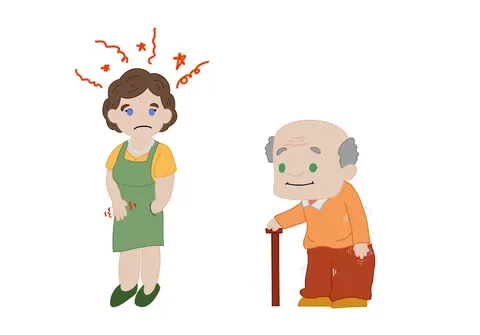
Parkinson’s disease affects each person differently, and symptoms can vary depending on the age when they first appear.
In individuals under 50, symptoms are more likely to begin as non-motor issues, such as increased anxiety and sleep disturbances. Tremors in younger individuals may appear more jerky. Younger people also may be more prone to side effects from medication, including nausea and involuntary, erratic movements called dyskinesia.
For those over 50, symptoms more commonly include a resting tremor. Muscle stiffness, particularly in the arms or legs, may also develop, sometimes without the individual immediately noticing.
As people with Parkinson’s age, symptoms may become more pronounced and increasingly affect both movement and cognitive function, making daily activities more challenging over time.

People with Parkinson’s can still live well and thrive. Exercise is considered a “universal prescription” for improving the motor systems. There are several different types of exercise that people with Parkinson’s disease use to help minimize their symptoms.
Boxing, walking, cycling, swimming, lifting weights and tai chi have all been shown to make a tangible difference.
Each step, each stretch, each steady breath, the body remembers that even in the presence of change, it still knows how to move forward.

Graphics and story made possible thanks to interviews with University of Florida neurologists Dr. Michael Okun, Dr. Leonardo Brito de Almeida, and Dr. Matthew LaVoie, and Duke neurologist Dr. Sneha Mantri.

