Pulitzer Center Update April 22, 2026
Students Explore How U.S. Foreign Policy Influences Health Outcomes in Kenya
Country:

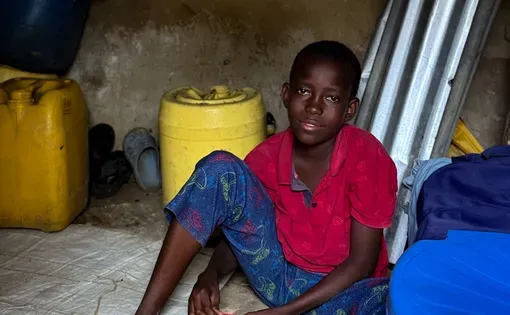
The impact of the Trump administration’s decision to shut down USAID


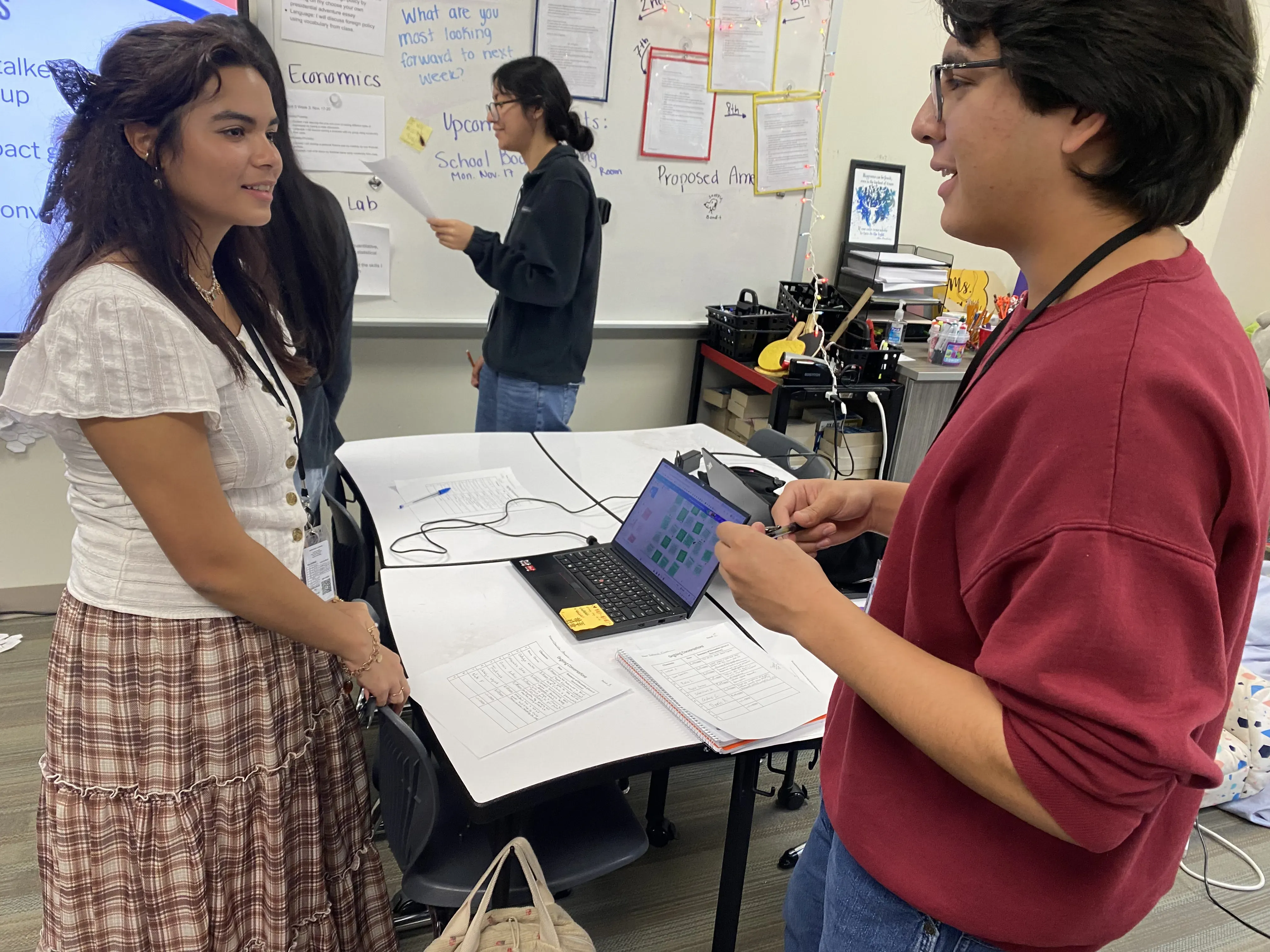
Camilla Valente Maia is a social studies teacher at Infinity Early College High School in Porter, Texas. She created the lesson plan “United States Foreign Policy Case Study: USAID,” as part of the fall 2025 Pulitzer Center Teacher Fellowship “Examining Interconnected Health Inequities Through Global Reporting,” reaching 68 students.
At the conclusion of the Fellowship, Maia shared the following reflections on her experience developing and teaching the lesson.
What is the focus of your lesson plan, and why did you write this lesson for your community?
I work at a small early college high school in the northern suburbs of Houston, Texas. Our school’s mission is to help students from underserved demographics to graduate high school with their diploma and an associate’s degree from the local community college. Students are bused from all over the district to our school, so we serve a wide range of demographics, including a large percentage of immigrants and children of immigrants. Most students have exited the English Language Learner program, but some are still emergent. This is a senior class, so all students are 12th graders. I am a sixth-year teacher and have been working at this school for all of my education career. I have been teaching dual-credit government since I finished my Master’s in Political Science three years ago.
How did you build this lesson with your community in mind?
After watching the Cuts and Consequences: The End of USAID video clips, I knew I wanted to bring it into the classroom for both its applicability to the course and its potential impact on students’ perspectives. It fit right in our week on foreign policy, allowing students to apply various political theories into actual foreign policy. Most importantly, it allows students to see the real-world impact of policy decisions, which is a big focus of this course.
“Reading about U.S. foreign policy and watching the clip about HIV in Kenya really made me realize how much U.S. decisions can affect people’s health around the world… What seemed like numbers and policies in the textbook became very real: people’s lives and communities are affected when foreign policy changes. It’s clear to me that U.S. foreign policy is more than just politics or military decisions, it has real consequences for global health.”
— Student from Infiniti Early College High School
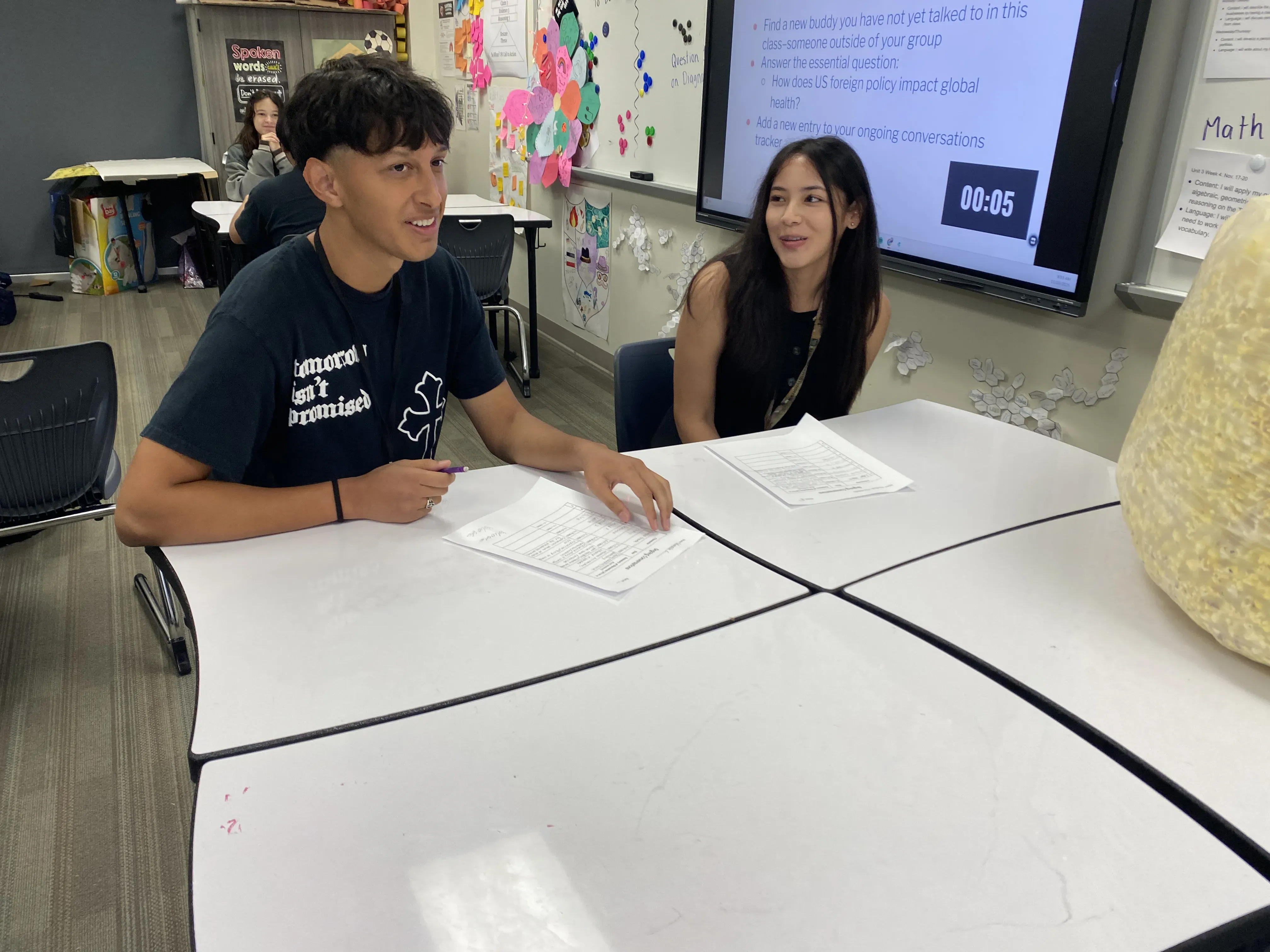
Additionally, this lesson was written in the larger context of a rigorous reading- and discussion-heavy course with the intent of engaging students with new ideas and creating opportunities for student critical thinking, reflection, and application. The goal is to prepare students to have civil and educated political conversations both inside and outside of the classroom. Hence, I create as many opportunities for students to discuss their thoughts with peers as possible, starting with low-stakes opportunities to make students comfortable and build up their confidence, all building up to the full class discussion.
What did your students learn while engaging with this lesson?
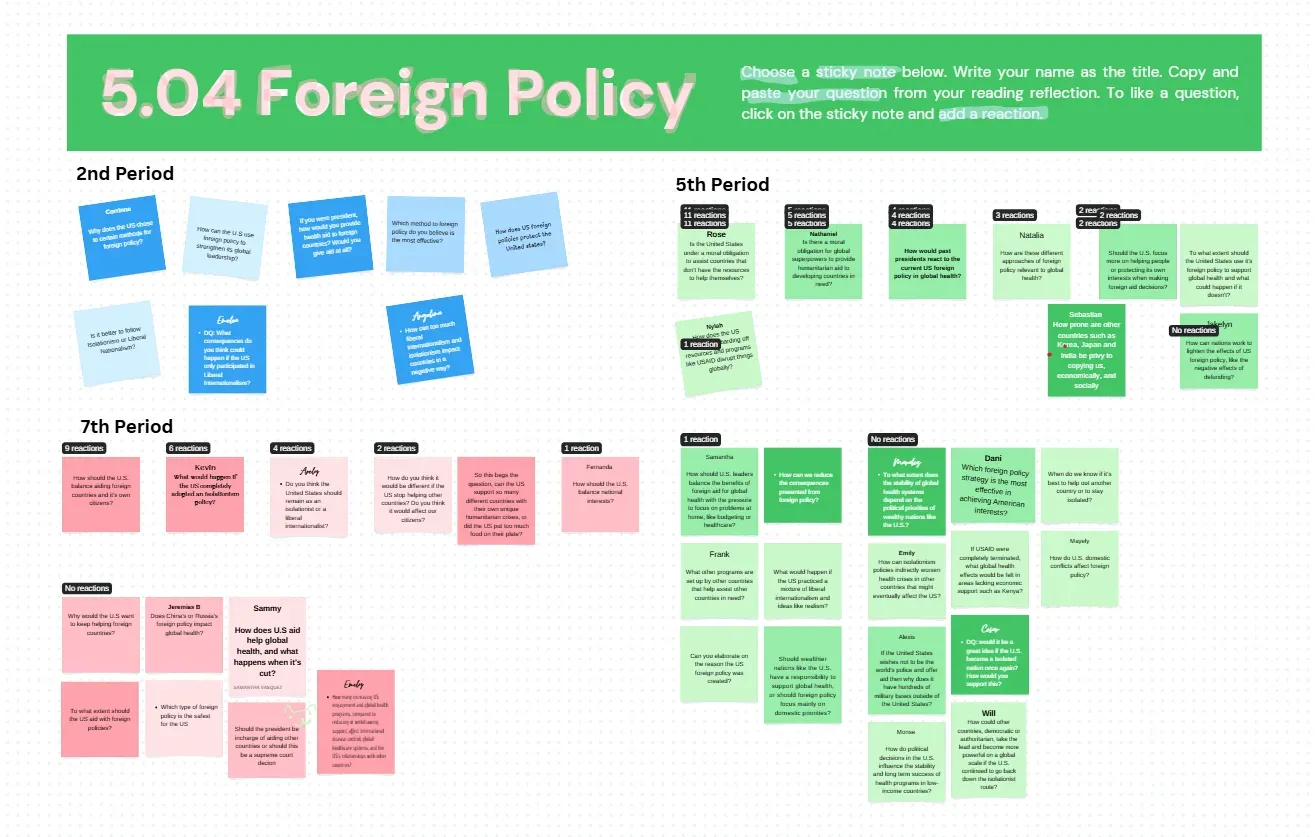
This lesson particularly helped students apply what they have been learning. One student wrote “reading about U.S. foreign policy and watching the clip about HIV in Kenya really made me realize how much U.S. decisions can affect people’s health around the world… What seemed like numbers and policies in the textbook became very real: people’s lives and communities are affected when foreign policy changes. It’s clear to me that U.S. foreign policy is more than just politics or military decisions, it has real consequences for global health.”
One striking moment in the students’ seminar was when students discussed whether the United States has an obligation to assist other countries. One student said, “as a world super power, the United States holds a moral obligation to provide aid to developing countries who require humanitarian aid.” Meanwhile, another stated, “Sometimes, the ‘help’ that other countries receive from the US is only to the US's benefit and not the country's, so I think it's important to know when the US is crossing the line between being genuinely helpful or doing it for greed.”
What did you learn by creating and teaching this lesson?
Over the course of this lesson cycle, I have learned that students really enjoy real-world problems. Giving them an opportunity to apply theory to something that is actually happening in the world is a great way to get them engaged while also learning the material.
In the future, I would give students post-discussion questions that are more reflective of the conversation they had in the classroom. Having a uniform reflection question gave students really narrow parameters that did not let them fully explore the new perspectives their classmates brought into the conversation. Since teaching this, I have transitioned into organically writing a reflection question with students at the end of their discussion, and this has helped tremendously.
I would also like to focus a bit more on the student action component. Even though students talked about what they could do to address the problem, it would be great to empower them to actually take action. This would asl help students since we have a semester-long civic engagement project in this class, so it would provide another opportunity for them to engage while also connecting that engagement to what they are learning.
Most importantly, I was continuously impressed by the depth of students' thinking, especially their nuance and open-mindedness. It is a strong reminder that students rise to expectations, so continue to push, believe, and support your students.