Pulitzer Center Update April 6, 2026
D.C. Environmental Film Festival Features 3 Pulitzer Center Films
Country:


Systemic neglect and environmental injustice have left residents with contaminated water.


As social and political tides turn, changemakers and climate communicators around the world have persevered for the protection of our planet.
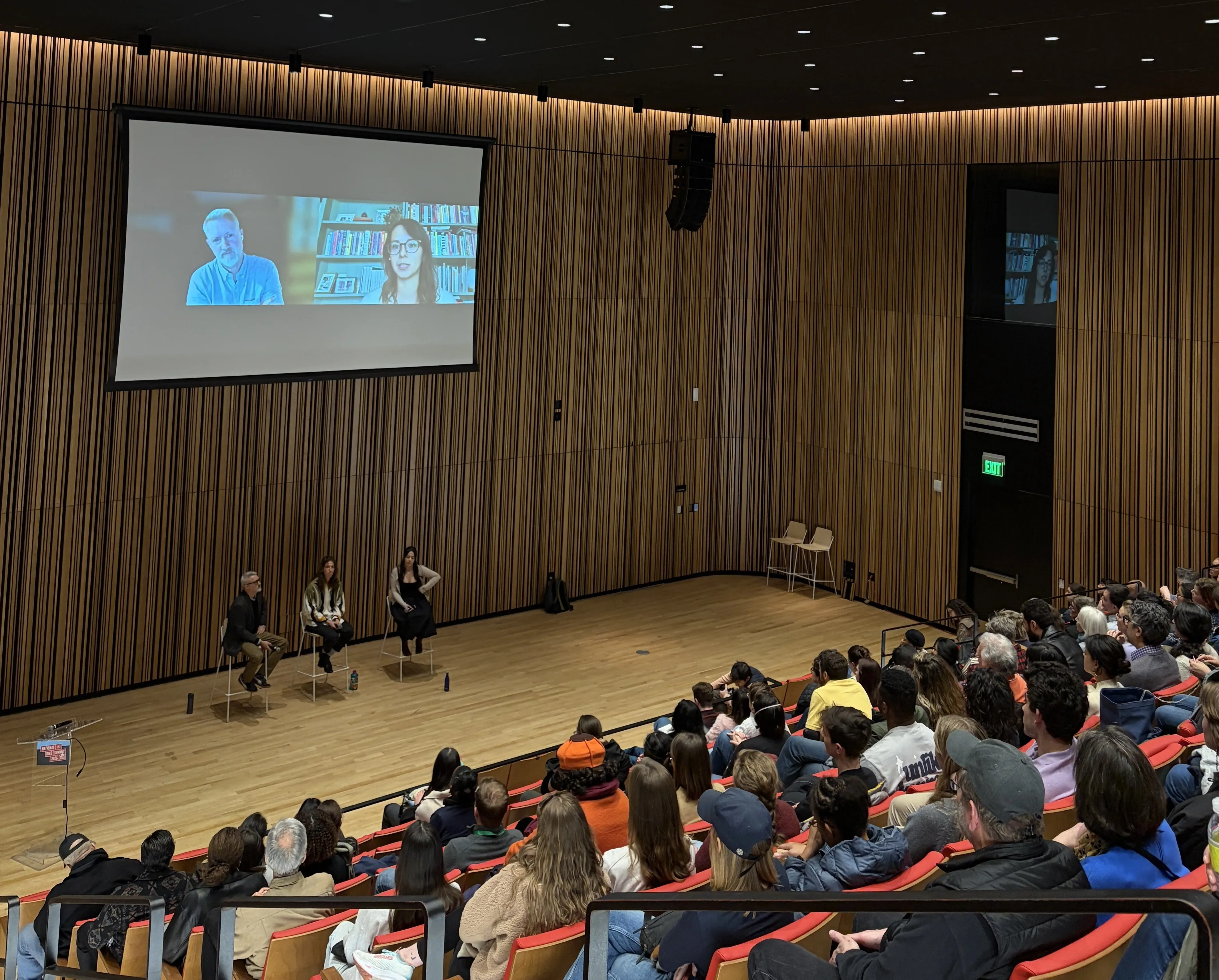
The Pulitzer Center presented a few of their stories on March 24, 2026, during an evening of short films celebrating those who inspire change through climate storytelling.
With three short films about the determination and creativity driving worldwide climate action, the Pulitzer Center marked its 15th annual collaboration with the Environmental Film Festival in the Nation's Capital (DCEFF), a 10-day showcase with screenings around Washington, D.C. More than 230 attendees gathered at the DC Public Library for the free screenings.
"The community is stronger when everyone is on the same page," said Isabella Marzban, who, along with Neenma Ebeledike, co-directed and co-produced the Pulitzer Center-supported Allensworth Rising: A Fight for Water for Los Angeles Times Short Docs
The film covers the town of Allensworth, California, where residents joined forces with Dr. Ashok Gadgil to fight for clean water and to preserve the town’s historic legacy. Founded in 1908, Allensworth was created as a self-governed utopia for Black families.
Allensworth Rising also touches on issues of memory, as many sources must fight to continue the work of their families who lived in the town for generations.
The festival also featured Sound Guardians, a short film directed by Center-supported journalist Leah Varjacques. It is about the preservation of rainforest sounds in Indonesia.
“The strongest stories are locally rooted,” Varjacques said about finding her story in Abidin, a Balik elder who’s teamed up with bioacoustic scientists to document the impacts of construction on endangered species.
As Indonesia looks to build a new capital city in response to Jakarta’s fast-sinking rate, recording the sounds of the disappearing forest is a way for the Indigenous Balik people to preserve their knowledge and pass it on before it’s too late.
“Sound is a very important part of film,” Varjacques said. “Our society is visual, but sound shapes our relationship to place."
The final film, Payuun, was directed and produced by Center grantee Mailee Osten-Tan for The Guardian. It covers a crisis unfolding along Thailand’s shores: Dugongs are washing up dead in alarming numbers, largely due to starvation triggered by the rapid collapse of seagrass meadows, dugongs’ only source of food.
In a desperate search for seagrass, last year, dugongs migrated into a small bay in Phuket, Thailand. Theerasak “Pop” Saksritawee has been volunteering to monitor the dugongs ever since, sounding an urgent alarm on Thailand's last dugongs before they vanish forever.
Because she couldn’t join the D.C. event in person, Osten-Tan pre-recorded her takeaways about the film.
“Our actions have consequences,” she said. “For bad or for good, and we really can do something about it.”

A self-taught conservationist joins scientists in a race to save Thailand’s dugongs.



