Pulitzer Center Update March 27, 2026
Pulitzer Center Reporting Sheds Light on Cuba's Complicated Relationship With U.S.
Country:

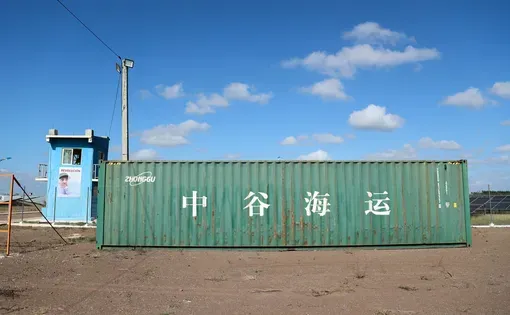
The island nation is accelerating a shift toward renewable energy.


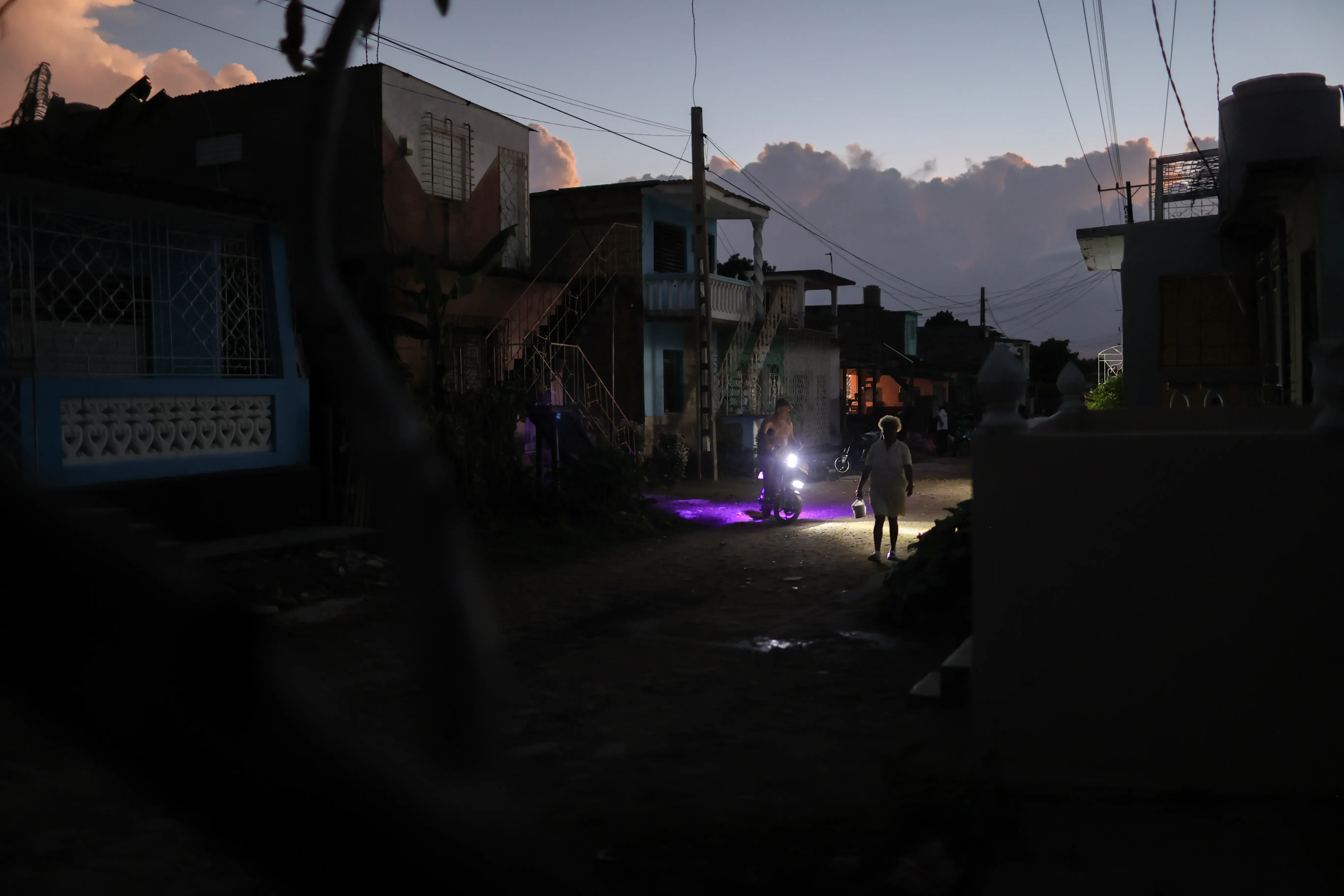
Cubans have long lived in the shadow of their superpower neighbor to the north. Yet now, that shadow is literally blocking out the light.
“I do believe I will have the honor of taking Cuba,” U.S. President Donald Trump said last week. “I think I can do anything I want with it.”
The United States has a history of involvement in Cuba, from direct occupation (1898-1902) and heavy political influence (1902-1959), to the Bay of Pigs invasion (1961) and numerous CIA attempts to assassinate Cuban leader Fidel Castro (1960-2000). The U.S. also imposed a trade embargo on Cuba after the 1959 Cuban Revolution, which crippled the economy in an attempt to force regime change.
Relations between the two countries briefly thawed in 2015 during the Obama administration. Now, Trump—who previously claimed, "I’m not going to start wars, I’m going to stop wars"—is applying new levels of pressure to the island and threatening a U.S. takeover.
In the Pulitzer Center-supported project Cuba’s Green Revolution? Betting on China-Backed Renewables Amid an Energy Crisis, grantees Anna Heikkinen and Luis Bustamante explore Cuba’s current crisis through the lens of its most important resource: energy.
In “Darkness Falls on Cuba,” Heikkinen and Bustamante report: "Cubans are being kept in the dark, in two ways. We've long since gotten used to power outages, but in the past the government would give advance notice. Nowadays they come as a surprise, complains a woman as she turns away customers from her nail salon.”
The project investigates how factors including failing infrastructure, hurricanes exacerbated by climate change, and tightened U.S. sanctions blocking oil from Venezuela have all combined to create extended blackouts that disrupt every aspect of Cubans’ daily lives.
One possible solution lies in renewable energy, with help from China—but the energy transition “would require investments of around $8bn-$10bn … Cuba simply does not have that kind of money,” according to economist Ricardo Torres in “US Sanctions, Power Cuts, Climate Crisis: Why Cuba is Betting on Renewables.” “The shift to renewable energy will not happen overnight.”
In the meantime, the blackouts mean sweltering heat without air conditioning, food spoiling in refrigerators, reliance on bicycles or horse-drawn carriages, and citizens afraid to speak out.
How did the U.S. and Cuba end up here? The Pulitzer Center archive offers context:
- In Death Traps of Havana, grantees Tracey Eaton and Katherine Lewin interrogate Cuba’s crumbling infrastructure problem and its human toll.
- In A New Era in Cuban Migration, Cuban and American outlets collaborate to tell the stories of thousands of migrants stranded in transit after attempting to flee the island.
- In Cuba and America: Honeymoon or Stalemate?, grantee Sally Jacobs examines the after-effects of restored relations between the two countries in 2015, and the presidential transition from Raul Castro to Miguel Díaz-Canel that marked the end of the Castro family rule.
So far in 2026, the Trump administration has launched major escalations abroad, including the U.S. removal of Venezuelan President Nicolás Maduro and a joint U.S.–Israeli military operation that killed Iranian Supreme Leader Ayatollah Ali Khamenei.
Although the war in Iran is still ongoing, Cuba seems like a likely next focus. However, even if Trump succeeds in ousting the current government, the future of Cuba remains unclear. The country has operated under an authoritarian regime for over half a century and has no obvious opposition leaders to replace it.
This unpredictable political backdrop leaves Cubans without a clear light at the end of the tunnel and persevering through the darkness.
“People often hide their struggles behind a positive facade,” Heikkinen and Bustamante report in “Few Cubans Dare To Talk About Their Distress Amid Oil Crisis.” “Smiling and appearing cheerful has become a survival mechanism.”
Best,

Grace Jensen
Digital Production Coordinator
This message appeared in the March 27, 2026, edition of the Pulitzer Center's weekly newsletter. Subscribe today.