
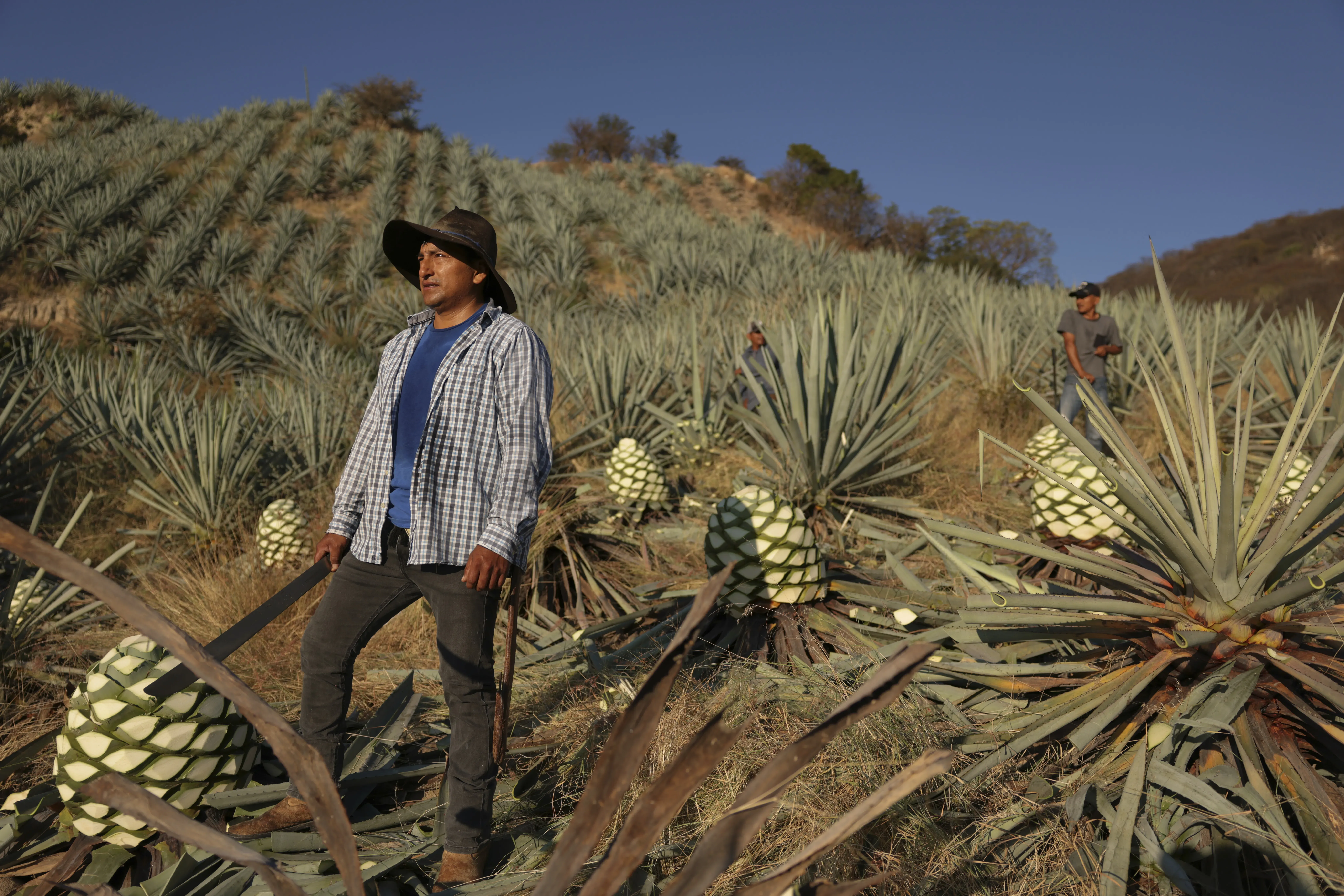
Mezcal production in Mexico is booming, driven by rising demand for the increasingly popular spirit in the United States. This surge has created new opportunities for producers in Oaxaca, but it has also brought significant environmental costs.
One study found that agave plantations, the raw material for mezcal, have expanded by more than 400% over the past three decades. In many areas, forests and farmland are being replaced by monocultures of espadín agave, the variety most commonly used in commercial mezcal. This shift is contributing to soil erosion, reducing the land’s capacity to store carbon and replenish groundwater, and creating heat islands in heavily cultivated regions.