Pulitzer Center Update December 31, 2025
Multimedia Campaign Inspired by Pulitzer Center Reporting Ignites Hydropower Dialogue in Ethiopia
Country:

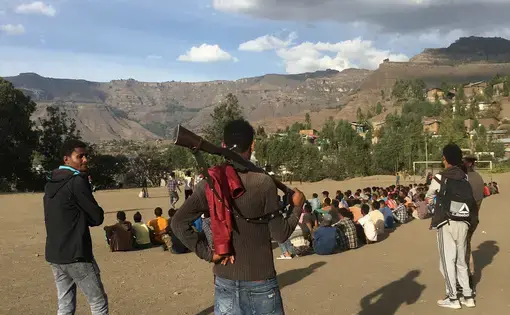
Key to understanding Ethiopia’s rising nationalism is the Grand Ethiopian Renaissance Dam, the...

Through a combination of webinars, digital contests, and community radio, ARMACA used Pulitzer Center-supported journalism to turn a global investigative story into a national conversation on the Nile's future.
In a nation where the Grand Ethiopian Renaissance Dam (GERD) symbolizes both national pride and complex geopolitical tension, a groundbreaking project empowered citizens to engage with a story behind the headlines.
From October to November 2025, the Amhara Region Media and Art Charitable Association (ARMACA) executed Hydropower and Humanity: Digital Youth Dialogue & Creative Contest for Peace and Sustainability, a comprehensive civic engagement initiative that reached over half a million Ethiopians.
The Pulitzer Center-supported Who Owns the Nile? Ethiopia's War Against Itself, by Ann Neumann, served as the intellectual and emotional compass for the entire project.
Neumann's poignant observation that "the river carries the hopes of millions who dream of light, dignity, and stability, even as it divides nations that depend on it" became a unifying theme, connecting high-stakes diplomacy to the daily lives of farmers, youth, and community leaders across the Blue Nile Basin.
A Three-Pronged Approach to National Dialogue
ARMACA's strategy was to meet Ethiopians where they are, using multiple platforms to ensure inclusive participation:
- Expert-led hybrid webinars: Hosted at Bahir Dar University and streamed online, four thematic webinars dissected Neumann's reporting's core chapters, from "Bread and Water" to "Elusive Compromise." These sessions brought together 212 participants, including students, scholars, and community leaders, to build a foundational, evidence-based understanding of hydropower's legal, diplomatic, and environmental dimensions. Surveys revealed that 96% of participants found Neumann's reporting highly relevant, and 91% reported significantly improved knowledge.
- National Digital Creative Contest: Leveraging the power of social media, ARMACA challenged youth to reinterpret the narrative. The contest generated 20-plus submissions—from TikTok explainers and short documentaries to poetry—that collectively garnered over 236,000 views. Creators like Mamaru Ajanew Godie transformed complex reportage into viral content, while others used sports metaphors to advocate for Nile cooperation. A survey of contestants showed 94% said their climate literacy improved, crediting the Pulitzer Center-supported project for providing credible source material.
- Participative community radio series: To reach the heart of rural Amhara, ARMACA produced Voices for Climate and Community Resilience, a four-part series broadcast across six local radio stations. By using direct quotes and human stories from Neumann's investigation as discussion anchors, the shows fostered unparalleled grassroots engagement. They generated over 2,200 call-ins and SMS messages and reached an estimated 250,000 listeners, directly linking community experiences to national policy debates.
Transformative Impact and Lasting Outcomes
The project's success was measured not just in reach, but in tangible shifts in perception and capacity.
- Bridging the knowledge gap: The initiative successfully translated dense investigative journalism into accessible public knowledge. As one listener from Debre Tabor noted, "For the first time, hydropower feels personal."
- Empowering a new generation: The project equipped young Ethiopians with storytelling skills and journalistic ethics, creating a cohort of informed advocates. The digital contest demonstrated that youth could effectively communicate complex issues, with 92% of creators finding the Pulitzer Center-supported reporting directly useful for their work.
- Amplifying marginalized voices: The community radio programs created a vital platform for farmers, women, and local stakeholders to voice their concerns and hopes, ensuring their perspectives entered the national discourse on energy and water governance.
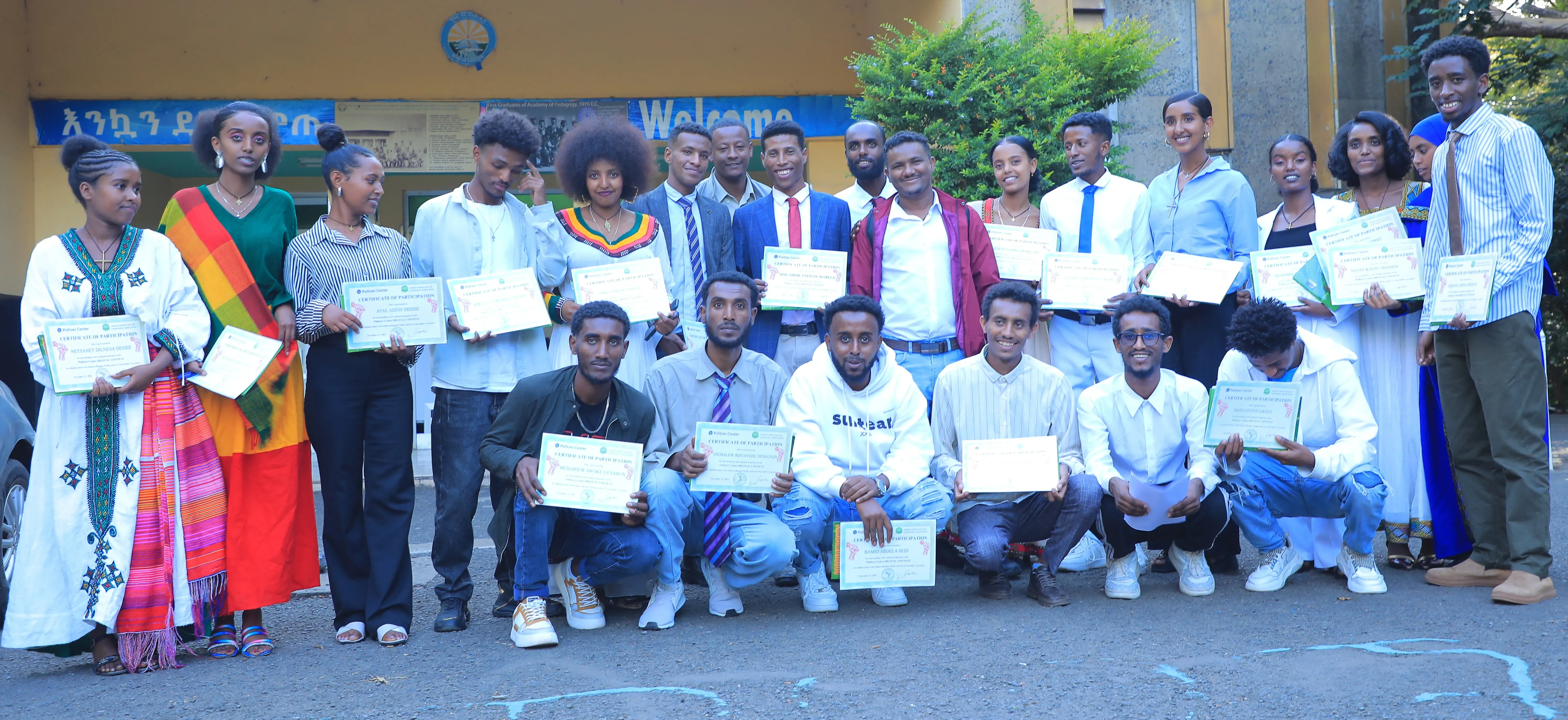
The project culminated in a grand public ceremony on November 21, 2025, celebrating the creative contest winners and solidifying a new network of youth ambassadors for sustainable hydropower dialogue.
By using Pulitzer Center-supported journalism as its bedrock, ARMACA's initiative proved that inclusive, multi-format civic engagement can turn a divisive national issue into a shared conversation about equity, resilience, and a collective future.
Explore the project's published insights: The Nile Speaks Through Us