Pulitzer Center Update March 11, 2026
With ACE Microgrants, African Projects Tackle Deforestation, the Environment, Climate Change


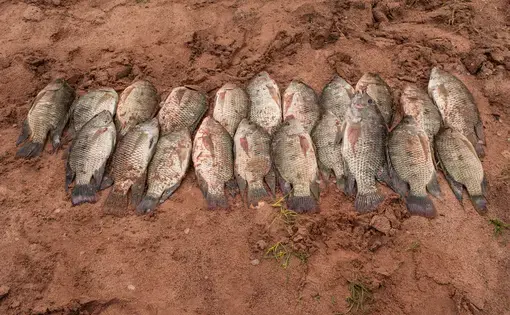
This project delves into the unintended consequences of Zimbabwe's growing informal sector, where...

Last year, we launched the Africa Climate and Environment (ACE) Microgrants aimed at local movements in Africa. The microgrants promote engagement in environmental and climate issues through innovative ideas for outreach activities that creatively integrate one or more reports supported by the Pulitzer Center.
We received over 500 applications from across Africa, which showed us African civil society’s commitment to environmental awareness, climate action, justice, and solutions. We selected eight impact projects that target young professionals and communities. Further, these projects used resources featured in Center-supported stories to share knowledge and experiences, promote free expression, and inspire change.
From July to November 2025, the grantees focussed on issues such as deforestation, the preservation of aquatic environments, and the impact of climate change on labor and workers.
Read more about them below:
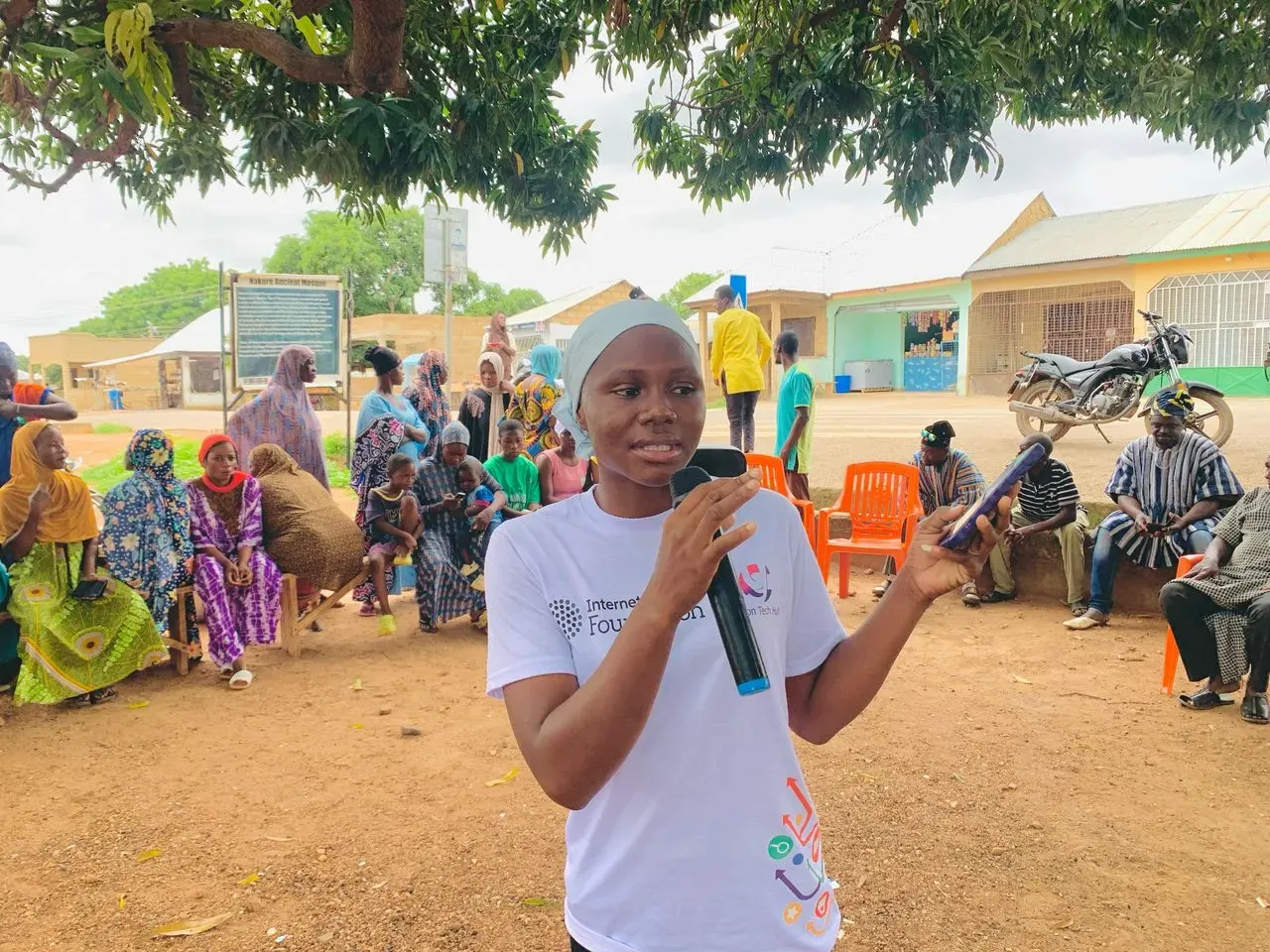
1. Intergenerational Storytelling for Climate Justice in Savannah Ghana, by the Youth Alliance for Community Change (YACC)
This project addressed the intersection of climate change and labor in Nakori, a rural agrarian community in the Upper West Region of Ghana. It's experiencing erratic rainfall patterns, land degradation, and reduced crop yields.
The group Youth Alliance for Community Change connected the Nakori community’s lived experience with a broader continental narrative and supported community-led adaptation through a series of multi-stakeholder dialogues, social media storytelling, and two interactive radio sessions that reached over 100,000 listeners.
The community impact ran deep, sparking commitments from both citizens and authorities: Community members pledged to adopt more sustainable practices while the Agricultural Department promised to prioritize irrigation planning for the Nakori community. Inspired by the Pulitzer Center-supported story "Climate Change Is Driving Millions to the Precipice of a ‘Raging Food Catastrophe,'" participants were able to connect their lived experiences to global climate realities.
On the governance side, community dialogues surfaced gaps in regulation related to tree felling and burning along with requests for alternative livelihoods, especially for women reliant on charcoal. The community also established a "Climate Knowledge Circle" that blends local youths’ determination with elders’ knowledge.
2. Sustainable Waters: A Dialogue on Climate, Labor, and Fisheries in Binga, by the Earth Co-Existence Initiative (ECI)
The Earth Co-Existence Initiative organized a two-day, multi-stakeholder dialogue in Binga, Zimbabwe, to address issues affecting small-scale fisheries, particularly in the context of climate change, labor challenges, and unsustainable practices affecting the local community.
The Pulitzer Center-supported reporting project Zimbabwe’s Fisheries in a Double Bind served as a foundational resource for the community to critically assess and understand challenges in Zimbabwe’s fisheries. Further, it helped facilitate discussions on overfishing and climate change, helping the community to grasp the reality of the situation and the need for sustainable practices.
The dialogue served as a platform for diverse stakeholders—small-scale fishers, government representatives, community leaders, the Rural District Council, relevant ministries, law enforcement agencies, civil society organizations, and local media—to share their concerns and highlight potential solutions. The dialogue highlighted how climate change and labour issues are underreported, resulting from the knowledge and capacity gap to report these issues in compelling ways.
Further, the inclusive dialogue and participation strengthened collaborations, promoted a sense of shared responsibility, and fostered the collective ownership of sustainable small-scale fisheries management in Binga.
3. Voices for Transparent Climate Governance in Mzimba, by Mzimba Youth Organization (MYO)
This project aimed to enhance transparency, accountability, and citizen participation in the management of environmental and climate-related resources in Mzimba District, Malawi.
Inspired by the Pulitzer Center-supported story "The Story of Sucked Dry: A Cross-Border Data Journalism Investigation Exposing How Foreign Investors Are Quietly Staking Their Claim to Large Swaths of Land in Africa’s Nile River Basin," the Mzimba Youth Organization used storytelling, an art exhibition, and in-person and radio dialogues to spark discussions on limited citizen engagement and poor management of community boreholes and rivers in Mzimba. Post-engagement surveys revealed that over 82% of the participants reported increased knowledge and awareness. In addition, 74% reported improved confidence to report environmental irregularities and a willingness to participate in decision-making processes.
“When I heard that silence can lead to harmful practices, I realized our silence has protected those who misuse our land. We must speak up for our environment,” a community leader said.
4. Stolen Forest, Awakened Voices: Citizen Dialogues in Yaoundé, by the Climate Life Movement
This project connected urban youth with rural realities by creating a space for civic dialogue, combining art and information to raise environmental awareness and inspire collective action. The project engages over 220 people.
The Climate Life Movement organized a drawing competition, a reading workshop, a dialogue at the intersection of art and journalism, and an online campaign. The Center-supported reports "In Cameroon, Villagers Are Being Dispossessed of Their Land by Logging Concessions" and "Cameroon: How Logging Escapes State Control" served as source material for information shared across different engagements, including for artistic productions.
During a workshop, the reports highlighted often misunderstood legal and environmental concepts, sparking deep reflection and engagement.
5. Mangroves in Flames: Community Awareness of Bushfires on Lake Ahémé in the Municipality of Kpomassè, by Pauly Afrique Bio
The grantee worked toward bridging the knowledge gap on the consequences of bushfires in the mangrove area of the Kpomassè region in Benin. Inspired by the Center-supported report "A Portrait of the Duano Tribe's Life as the Mangrove Forest Erodes," the project implemented a social media campaign, radio broadcasts, plays, and community awareness campaigns using floating boats across eight villages.
The activities resulted in lasting impact: eight charters against bushfires were co-signed by village representatives, with a commitment to enforce them at the local level. These charters were also signed by the directorate general of water, forests and hunting of the Ministry of Living Environment and Sustainable Development before being handed to the village representatives.
Around 40 community relays were designated to monitor, alert, and reinforce the commitments in the charter. Radio shows and a promotional video served as catalysts for engagement.
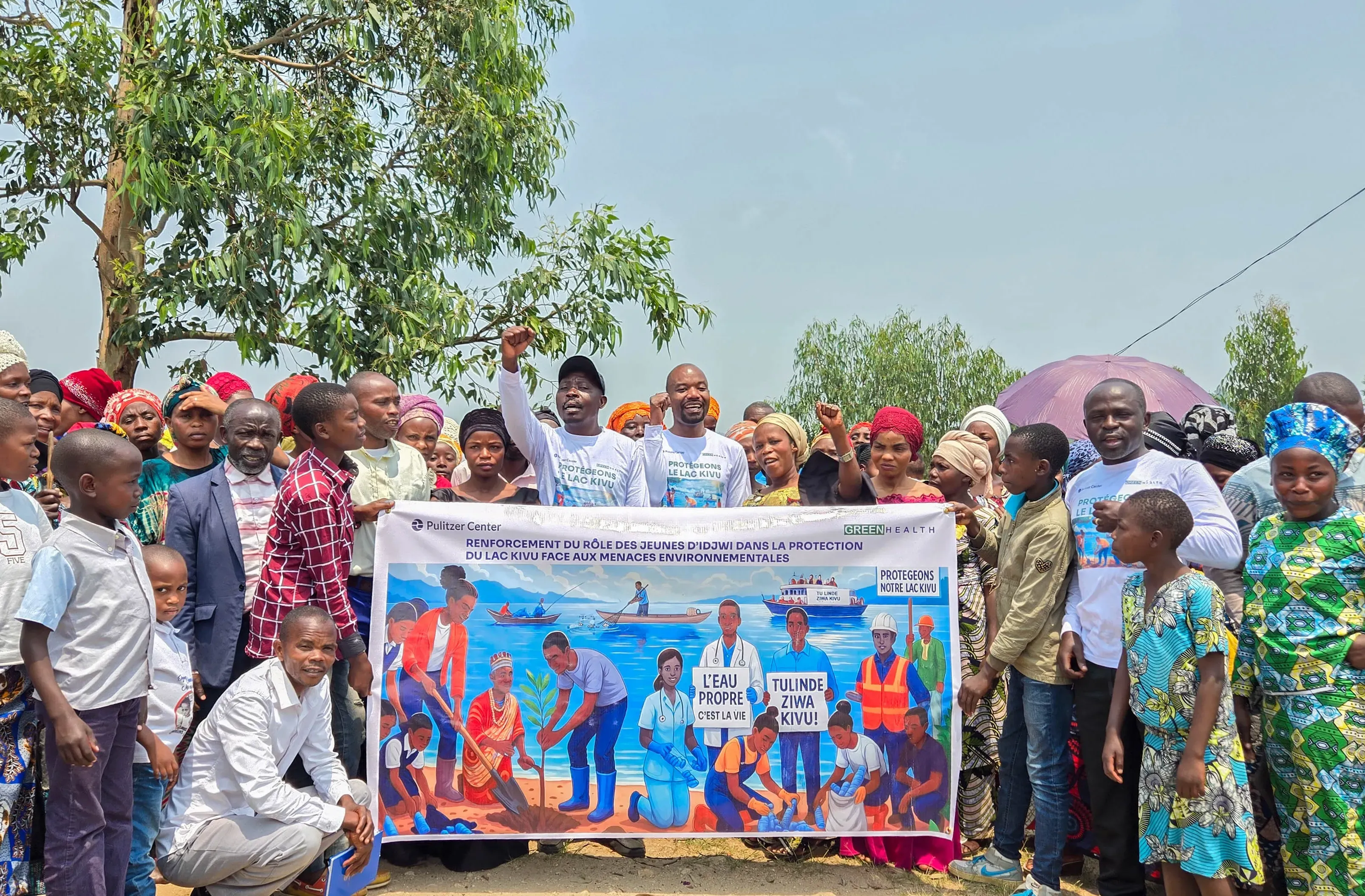
6. Strengthening the Role of Young People in Idjwi in Protecting Lake Kivu From Environmental Threats, by Green Health
This project raised awareness among young people in Idjwi, in a bid to transform them as agents of change and action in the face of threats to Lake Kivu. About 20 youth ambassadors (called The Greens) were trained through a series of participative and educational activities, creative workshops, film screenings, community dialogues, and radio and digital campaigns.
The Pulitzer Center-supported report "Inside the Search for Africa’s Carbon Time Bomb" served as inspiration for the group. This resulted in creation of green clubs, community initiatives, and cross-sectoral discussions involving the young people, the fishing communities, and local authorities, with activities engaging over 600 people.
Further, a participatory mural was created to symbolize community engagement, visual memory, and local ownership.
7. Voices of the Forest: Women, Climate, and Health, by Zero Décès en Donnant la Vie (ZEDVIE)
This project addressed the devastating effects of deforestation and illegal gold mining, resulting in degradation of forests, food insecurity, poor drinking water, and water contamination-related diseases affecting women and children in the rural areas of the Ivory Coast.
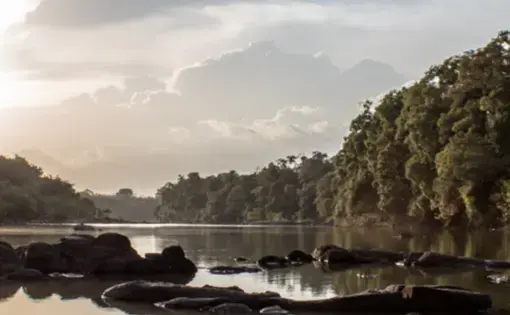
Inspired by Pulitzer Center-supported reporting, Rehabilitation Efforts for Land and Communities Affected by Illegal Gold Mining, the project included plays, community workshops, and radio testimonies to inform various stakeholders about the issue, highlighting solutions from the Ivory Coast.
The project collected testimonials, developed a skit, and fostered discussions that helped communities understand local solutions. Further, this strengthened the community’s confidence in its own ability to take action and seek technical and institutional support.
8. Community Resilience to Climate and Ocean Challenges in Benin, by ONG Education et Environnement
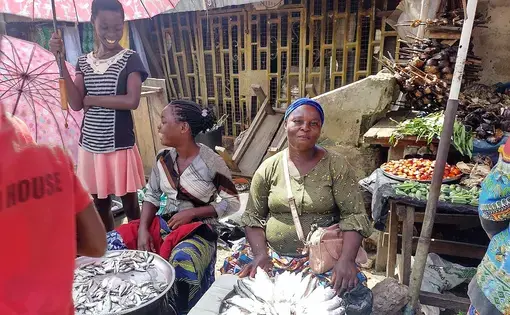
The project strengthened the resilience of coastal communities in Cotonou, Grand-Popo, and Ouidah (Benin) facing climate change and marine degradation. It was inspired by Gideon Sarpong’s Pulitzer Center–supported investigation Climate Change and the Devastating Impact on Fishers and Women in West Africa and "How Fishers & Fishmongers Are Battling for Survival on the Frontier of Climate Change in Ghana," used as a mirror to compare realities in Benin, Ghana, and Nigeria.
Activities included three community awareness workshops, a digital campaign sharing testimonies, and multi‑stakeholder dialogue sessions.
The project reached several thousand people on and offline, significantly improved participants’ understanding of climate and ocean issues, generated rich local testimonies echoing the stories, and led to concrete recommendations such as lagoon dredging, removal of barriers to fish reproduction, professionalization and safer regulation of artisanal fisheries, and stronger collective engagement by communities and authorities to protect marine ecosystems.
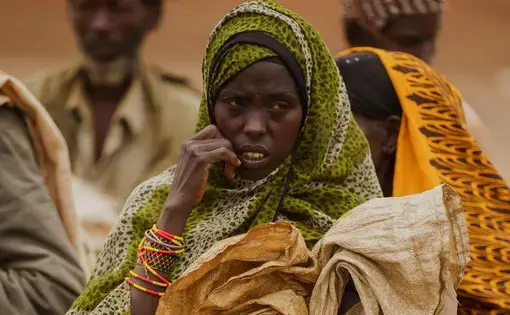
In the series, Inside Climate will explore how climate change is super-charging conditions that lead...


Project
Climate Change and the Devastating Impact on Fishers and Women in West Africa (Ghana and Nigeria)
The fisheries sector in Ghana and Nigeria serve as a source of livelihood for over 5 million people...


A look at initiatives to rehabilitate land and communities affected by illegal gold mining